Neurological Physiotherapy in Ahmedabad

Neurological Physiotherapy in Ahmedabad

Advanced Neurological Physiotherapy Treatment for Faster Recovery & Better Mobility

Neurological disorders can affect movement, muscle control, coordination, balance, and independence in daily life. Whether a person is recovering from stroke, spinal cord injury, Parkinson’s disease, traumatic brain injury, or nerve damage, the right neurological physiotherapy treatment can help improve recovery and restore functional movement.
Our specialized neuro physiotherapy programs focus on improving mobility, strength, posture, balance, and motor function through evidence-based rehabilitation therapy. With personalized neuro rehabilitation plans, patients can regain confidence, improve walking ability, reduce muscle weakness, and return to daily activities more effectively.
We provide advanced neurological rehabilitation for conditions including stroke, paralysis, vestibular dysfunction, neuropathy, cerebral palsy, gait disorder, and multiple sclerosis using modern physiotherapy techniques and patient-focused recovery strategies.

What is Neurological Physiotherapy?

Neurological physiotherapy, also known as neuro physiotherapy or neuro physical therapy, is a specialized branch of physiotherapy designed to treat disorders affecting the nervous system. The nervous system includes the brain, spinal cord, and nerves responsible for controlling body movement, coordination, balance, and muscle activity.
When neurological disorders affect communication between the brain and muscles, patients may experience:
  • Muscle weakness
  • Mobility impairment
  • Balance problems
  • Coordination disorder
  • Difficulty walking
  • Paralysis
  • Vestibular dysfunction
  • Poor posture
  • Reduced motor control
Neurological rehabilitation focuses on restoring movement patterns, improving body coordination, and enhancing overall physical independence through structured rehabilitation therapy and neuro rehab exercises.

Neurological Conditions Treated with Neuro Physiotherapy

Neurological physiotherapy treatment is highly effective for a wide range of neurological disorders and mobility conditions.

Functional Rehabilitation &
Movement Training

Stroke is one of the leading causes of physical disability worldwide. Many stroke patients experience muscle weakness, paralysis, speech difficulties, coordination issues, and balance impairment after brain injury.
Stroke rehabilitation physiotherapy focuses on helping patients regain physical function through:
  • Walking retraining
  • Balance improvement
  • Coordination exercises
  • Strength training
  • Mobility rehabilitation
  • Functional movement therapy

Brain Injury
Rehabilitation

Traumatic brain injury can affect balance, coordination, posture, muscle control, and cognitive movement planning.
Brain injury rehabilitation helps patients improve:
  • Physical mobility
  • Balance control
  • Walking patterns
  • Coordination
  • Daily functioning
Neurological exercise therapy is often combined with balance training therapy and motor function rehabilitation for comprehensive recovery.

Spinal Cord
Rehabilitation

Spinal cord injury physiotherapy supports patients recovering from accidents, trauma, or neurological disorders affecting spinal function.
Spinal cord rehabilitation programs focus on:
  • Mobility rehabilitation
  • Muscle strengthening
  • Gait training
  • Posture improvement
  • Standing exercises
  • Functional movement therapy
Advanced rehabilitation therapy can improve physical independence and movement capacity even in severe spinal injury cases.

Multiple Sclerosis Rehabilitation

Multiple sclerosis affects nerve communication within the body and can cause muscle weakness, coordination disorder, fatigue, and balance problems.
Neurological rehabilitation helps improve:
  • Walking ability
  • Mobility
  • Strength
  • Balance
  • Daily independence
Consistent physiotherapy for neurological disorders can slow physical decline and improve quality of life in MS patients.

Vestibular
Rehabilitation

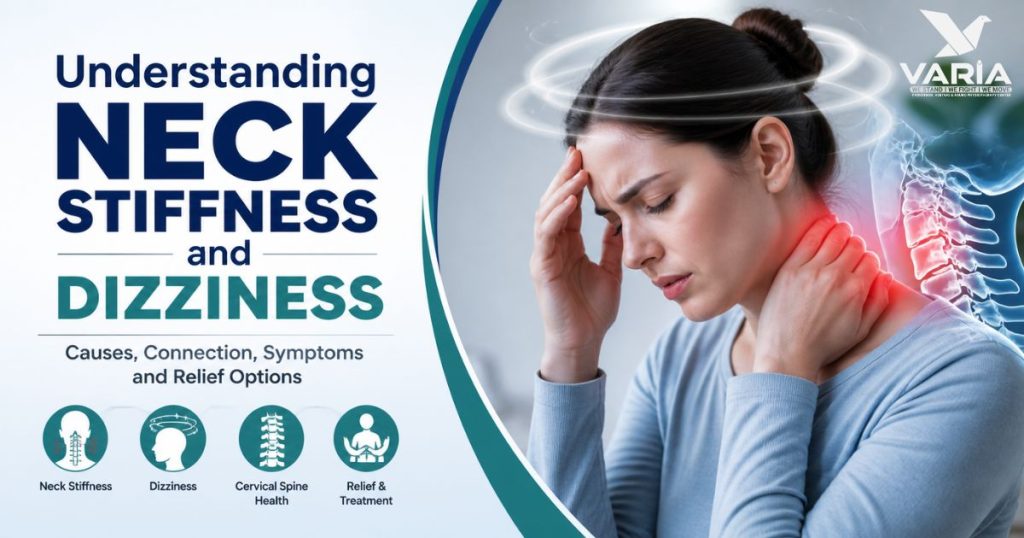
Vestibular dysfunction often causes dizziness, vertigo, imbalance, and difficulty walking. Vestibular rehabilitation is a specialized treatment approach that improves balance and reduces dizziness symptoms.
Balance disorder physiotherapy treatment includes:
  • Head movement exercises
  • Eye coordination training
  • Balance exercises
  • Stability training
  • Walking retraining

Parkinson’s
Physiotherapy

Parkinson’s disease affects movement control, posture, coordination, and muscle flexibility. Patients commonly experience tremors, stiffness, slow movement, and balance difficulties.
Neuro physiotherapy for Parkinson’s disease focuses on improving:
  • Walking ability
  • Body balance
  • Muscle flexibility
  • Coordination
  • Functional movement
  • Posture correction

Paralysis Rehabilitation Therapy

Paralysis physiotherapy is essential for individuals who lose muscle control due to neurological injury or disease. Depending on the severity of paralysis, patients may struggle with standing, walking, or daily movement activities.
Paralysis rehabilitation therapy aims to:
  • Stimulate weak muscles
  • Improve joint flexibility
  • Restore movement patterns
  • Increase muscle activation
  • Improve body coordination
  • Enhance mobility

Cerebral Palsy
Rehabilitation

Children with cerebral palsy may experience muscle stiffness, poor balance, and movement limitations.
Neuro rehabilitation programs help improve:
  • Posture
  • Walking ability
  • Muscle control
  • Coordination
  • Functional movement
Early physiotherapy intervention often supports better physical development.

Benefits of Neurological Physiotherapy Treatment

Neurological physiotherapy provides both physical and psychological benefits for patients recovering from neurological disorders.

Improves Balance and Stability

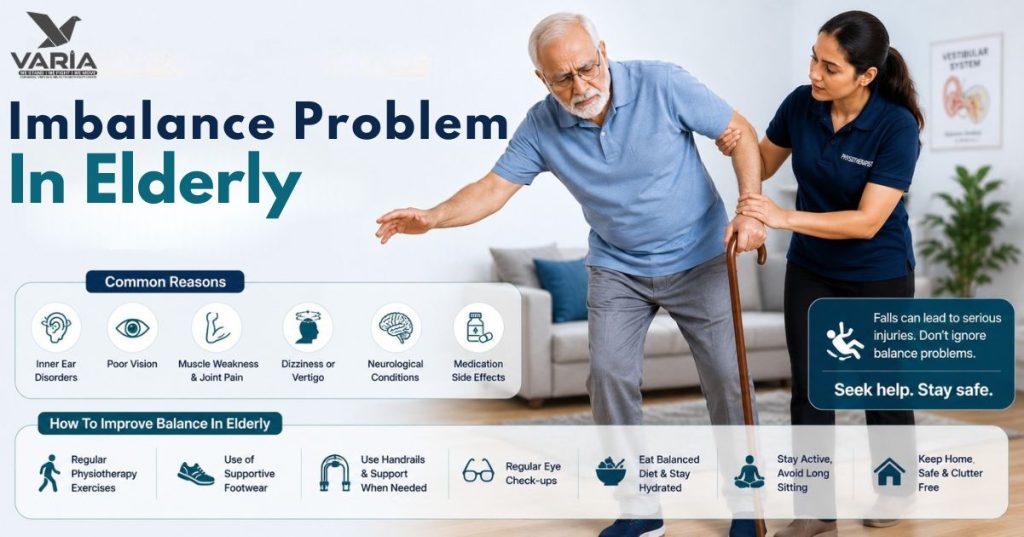
Balance training therapy improves body control and reduces fall risk during walking and standing activities.

Enhances Walking Ability

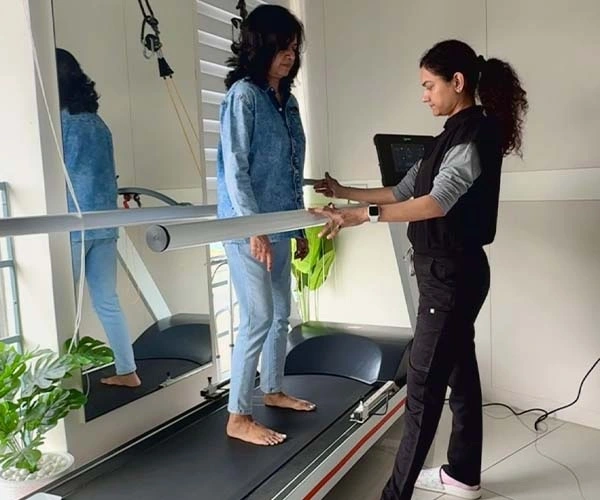
Gait training helps patients improve walking posture, coordination, and lower body movement patterns.

Reduces Muscle Weakness

Neuro rehab exercises activate weak muscles and improve overall body strength.

Supports Mobility Rehabilitation

Mobility rehabilitation improves movement efficiency and supports daily independence.

Improves Coordination

Muscle coordination therapy enhances controlled body movement and motor planning.

Reduces Stiffness and Pain

Neurological exercise therapy helps reduce joint stiffness and muscle tightness caused by inactivity.

Encourages Faster Recovery

Post stroke physiotherapy and spinal cord rehabilitation support long-term neurological improvement.

Increases Confidence and Independence

Patients often feel more confident and motivated as their physical abilities improve.

Neuro Physiotherapy Assessment & Analysis Process

A detailed neuro physiotherapy assessment is essential before beginning treatment. This evaluation helps identify movement limitations, neurological impairments, and rehabilitation goals.

01. Neurological Examination

The physiotherapist evaluates nerve function, reflexes, movement control, and sensory responses.

02. Gait Analysis

Gait analysis helps identify walking abnormalities, balance problems, and movement asymmetry.

03. Balance Assessment

Balance training therapy begins with evaluating body stability and fall risk.

04. Muscle Strength Evaluation

Muscle weakness is assessed to create appropriate strengthening programs.

05. Coordination Disorder Testing

The physiotherapist checks movement coordination and motor control abilities.

How Neuro Physiotherapy Helps Recovery

Many patients ask how neuro physiotherapy helps recovery after neurological injury or disease.
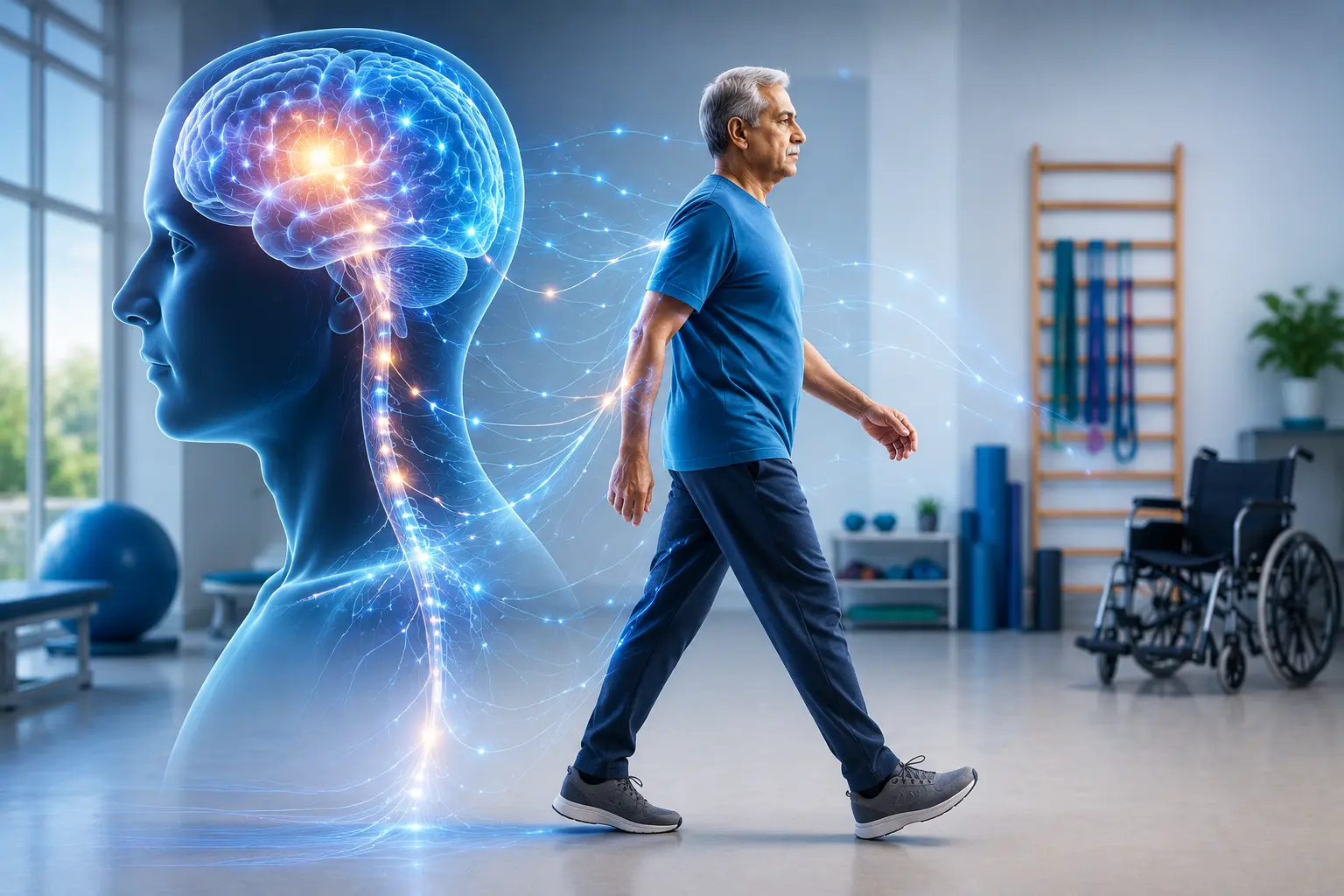
The brain has the ability to adapt and reorganize itself through a process called neuroplasticity. Neurological physiotherapy stimulates this recovery process by repeatedly training movement patterns and encouraging new neural connections.
Neuro rehabilitation helps:
  • Restore movement
  • Improve balance
  • Increase muscle activation
  • Enhance coordination
  • Improve posture
  • Support walking recovery

Advanced Neuro Rehabilitation Techniques

Modern neurological physiotherapy uses advanced rehabilitation methods to improve movement recovery.

Gait Training Therapy

Gait training improves walking ability, posture, and lower body coordination.
Benefits include:
  • Better walking stability
  • Improved movement confidence
  • Reduced fall risk
  • Enhanced lower limb control

Balance Training Therapy

Balance disorder physiotherapy treatment helps patients regain body stability during movement.
Exercises may include:
  • Stability drills
  • Standing balance exercises
  • Weight shifting
  • Dynamic balance activities

Functional Movement Therapy

This therapy focuses on improving everyday activities such as:
  • Standing
  • Sitting
  • Walking
  • Stair climbing
Scroll to Top