
Certified Neuro Physiotherapist In Ahmedabad | Expert Neuro Care Near You
When your body stops responding the way it used to—whether due to a stroke, nerve injury, chronic pain, or age-related weakness—it can affect every part of your life. Simple activities like walking, getting up from a chair, or even holding objects may suddenly feel difficult or unsafe.
At Varia Physiotherapy Clinic in Ahmedabad, many patients come with uncertainty and frustration. They often ask:
“Will I be able to walk normally again?”
“Is this weakness permanent?”
The good news is that the human body—especially the nervous system—has an incredible ability to adapt and recover when given the right guidance. Working with a Certified Neuro Physiotherapist in Ahmedabad | Expert Neuro Care Near You ensures that your treatment is focused not just on symptoms, but on restoring function, independence, and confidence.
This article is designed to help you understand the root causes of neurological and musculoskeletal problems, how physiotherapy supports recovery, and what you can realistically expect during your rehabilitation journey.
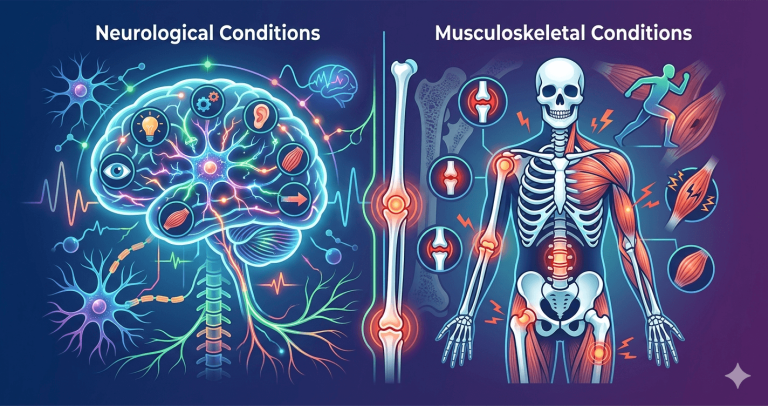
Understanding Neurological and Musculoskeletal Conditions
Many people assume that neurological problems and musculoskeletal issues are separate, but in reality, they are often interconnected. The brain, nerves, muscles, and joints all work together to produce movement.
When one part of this system is affected, it can disrupt the entire chain.
1. Stroke (Hemiplegia or Paralysis)
A stroke occurs when blood flow to a part of the brain is interrupted. Depending on the area affected, patients may experience:
- Weakness on one side of the body
- Loss of balance and coordination
- Difficulty speaking or swallowing
- Reduced ability to perform daily activities
Stroke recovery requires structured rehabilitation guided by a Certified Neuro Physiotherapist In Ahmedabad to retrain movement patterns.
2. Nerve Compression (Slip Disc, Sciatica, Cervical Issues)
Conditions like herniated discs or spinal degeneration can compress nearby nerves, leading to:
- Sharp or radiating pain
- Tingling sensations
- Numbness
- Muscle weakness
Without proper treatment, these symptoms can worsen and affect mobility.
3. Parkinson’s Disease
This progressive neurological disorder affects movement control and causes:
- Tremors
- Muscle stiffness
- Slow movements (bradykinesia)
- Postural instability
Physiotherapy plays a crucial role in maintaining mobility and preventing complications.
4. Post-Surgical Rehabilitation
After surgeries such as joint replacement or spinal procedures, the body needs structured rehabilitation to:
- Restore movement
- Prevent stiffness
- Strengthen muscles
- Avoid long-term disability
5. Age-Related Decline
As we age, muscle strength, flexibility, and nerve response decrease. This increases the risk of:
- Falls
- Balance issues
- Reduced mobility
- Chronic pain
According to the World Health Organization (WHO), early and consistent rehabilitation significantly improves functional outcomes and independence in patients with neurological conditions.
Why Choosing a Certified Neuro Physiotherapist In Ahmedabad Matters
That’s why many patients choose to get help from a certified neuro physiotherapist for more focused and result-oriented care.
1. Clinical Expertise
A Certified Neuro Physiotherapist In Ahmedabad understands neurological pathways and movement patterns. This helps in identifying the exact cause of dysfunction instead of treating only symptoms.
2. Individualized Treatment Plans
No two patients recover in the same way, even if the diagnosis is similar. Treatment is carefully tailored based on your condition, lifestyle, and recovery goals. This personalized approach improves outcomes, avoids unnecessary strain, and ensures that each session is meaningful and goal-oriented.
3. Evidence-Based Practice
Treatment methods are selected based on scientific research and clinical guidelines, not trends or assumptions. Techniques like task-specific training and neuro rehabilitation are backed by medical evidence. This ensures that your recovery is guided by what actually works, improving both safety and long-term results.
4. Functional Approach
The focus is not just on exercises, but on helping you return to real-life activities like walking, climbing stairs, or using your hands. Therapy is designed around daily tasks that matter to you. This makes recovery practical, relevant, and directly connected to improving your independence.
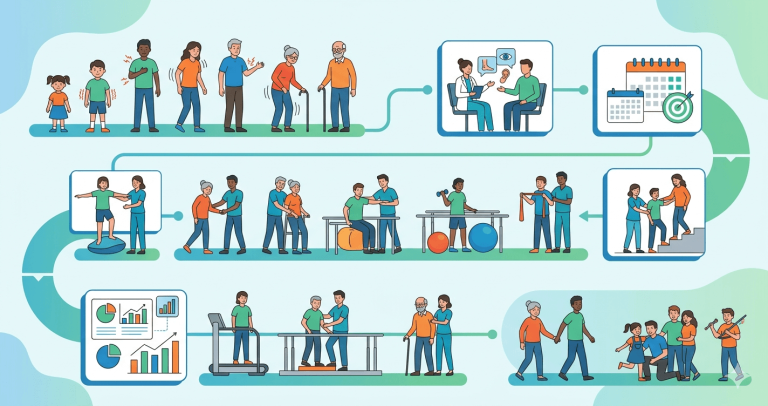
How Neuro Physiotherapy Helps: Step-by-Step Approach
Step 1: Comprehensive Assessment
At Varia Physiotherapy Clinic, a Certified Neuro Physiotherapist In Ahmedabad begins with:
- Muscle strength grading
- Joint mobility assessment
- Balance and gait analysis
- Neurological testing (reflexes, coordination)
- Functional independence evaluation
This ensures that treatment targets the root cause.
Step 2: Goal Setting
Goals are realistic and patient-specific, such as:
- Standing independently
- Walking without support
- Improving hand function
- Reducing pain and stiffness
Step 3: Personalized Treatment Plan
Based on the assessment, a structured rehabilitation plan is created.
Common Techniques Used:
1. Neurodevelopmental Treatment (NDT)
This approach focuses on retraining the brain and body to work together after neurological injury such as stroke. Through guided movements and hands-on facilitation, patients learn more natural and controlled movement patterns. It helps reduce abnormal stiffness and improves coordination over time at a leading rehab center in Ahmedabad.
2. Task-Specific Training
Instead of general exercises, this method involves practicing real-life activities like walking, sitting, or reaching. Repeating these meaningful tasks helps the brain relearn lost functions more effectively. It directly improves independence in daily life.
3. Balance and Gait Training
This therapy targets stability and walking ability, which are often affected in neurological conditions. Structured exercises improve posture, coordination, and weight shifting. Over time, patients feel more confident and the risk of falls is significantly reduced.
4. Strengthening Exercises
Weak muscles are gradually strengthened using controlled and progressive exercises. This improves joint stability, movement control, and overall physical function. Strengthening also supports better posture and reduces strain on other body parts.
5. Stretching and Mobility Work
Stiffness and tight muscles are common after injury or prolonged inactivity. Gentle stretching and mobility exercises help maintain joint flexibility and prevent complications like contractures. This allows smoother and more comfortable movement.
6. Electrotherapy (When Required)
Electrotherapy uses safe electrical stimulation to activate weak muscles and reduce pain. It is often used as a supportive treatment alongside exercises. When applied appropriately, it can enhance muscle response and improve comfort during rehabilitation.
According to the National Institutes of Health (NIH), repetitive, task-oriented exercises promote neuroplasticity, allowing the brain to reorganize and recover lost functions.
Step 4: Home Exercise Program
Recovery doesn’t stop at the clinic. Patients are given customized home exercises to:
- Maintain progress
- Improve consistency
- Speed up recovery
Step 5: Regular Monitoring and Progression
Treatment is continuously adjusted based on progress, ensuring optimal results.
Real Patient Experience from Varia Physiotherapy Clinic
A 48-year-old female patient visited us after a severe cervical disc issue that caused nerve compression.
Initial Symptoms:
- Radiating pain in the arm
- Numbness in fingers
- Weak grip strength
- Difficulty performing daily tasks
Treatment Plan:
- Pain management using electrotherapy
- Cervical stabilization exercises
- Nerve mobility techniques
- Postural correction training
Outcome After 6 Weeks:
- Significant reduction in pain
- Improved hand strength
- Able to perform daily activities independently
Another case involved a 60-year-old stroke patient:
Initial Condition:
- Unable to walk
- Poor sitting balance
- Fear of falling
After 10 Weeks of Therapy:
- Walking with minimal support
- Improved balance
- Increased confidence
These outcomes highlight that recovery is gradual but achievable with consistent care.
Read More: Best Neurological Rehab Clinic In Ahmedabad
Myths vs Facts About Neuro Physiotherapy
Myth 1: Recovery is automatic after neurological injury
Fact: Without guided therapy, recovery may remain incomplete.
Myth 2: Physiotherapy is only for pain
Fact: It focuses on restoring movement, strength, and independence.
Myth 3: Older adults cannot improve significantly
Fact: Age-appropriate therapy can lead to meaningful improvements.
Myth 4: Rest is the best treatment
Fact: Controlled movement is essential for recovery.
When Should You Visit a Neuro Physiotherapist?
Seek professional help if you notice:
- Difficulty walking or balancing
- Weakness in limbs
- Persistent pain or stiffness
- Numbness or tingling
- Tremors or coordination issues
- Recovery after stroke or surgery
Red Flags Requiring Medical Referral
A physiotherapist may refer you to a specialist if:
- Symptoms worsen rapidly
- Severe nerve compression is suspected
- There are signs of progressive neurological disease
Collaboration with neurologists or orthopedic doctors ensures safe and effective treatment.
Practical Tips for Patients During Recovery
- Stay consistent with therapy sessions
- Follow home exercise programs regularly
- Maintain proper posture
- Avoid sudden movements or overexertion
- Keep realistic expectations—recovery takes time
Conclusion
Recovering from neurological or musculoskeletal conditions is not just about reducing pain—it’s about regaining independence and improving your quality of life.
Choosing a Certified Neuro Physiotherapist in Ahmedabad | Expert Neuro Care Near You ensures that your treatment is guided by expertise, backed by evidence, and tailored to your unique needs.
At Varia Physiotherapy Clinic, the focus is always on patient-centered care—helping you move better, feel stronger, and live more confidently.
Ethical Call-to-Action
If you’re unsure whether your symptoms need attention, it’s okay to start with a simple consultation. Understanding your condition is the first step toward recovery—no pressure, just guidance.
If you’d like to speak with a physiotherapist or book an assessment at Varia Physiotherapy Clinic, you can reach out here:
 Call: +91 95123 79555
 Email: hello.drhetalvaria@gmail.com
 Website: www.variaphysiotherapyclinic.com
Our team is here to listen, assess, and guide you toward safe and effective recovery.
Certified Neuro Physiotherapist In Ahmedabad - FAQs
1. How long does neuro physiotherapy take?
2. Is neuro physiotherapy safe?
3. Can I recover fully after a stroke?
4. Do I need daily sessions?
5. Can I continue exercises at home?
References
About the Author

Dr. Hetal M Varia
After a rich experience of working in US healthcare as manager and licensed physiotherapist in US for last 11 years, she has returned home with a vision to become pioneer of Vestibular Therapy and specialized Parkinson physiotherapy in Ahmedabad. With her special skills and expertise in vertigo, Parkinson, balance and movement disorders therapy, Dr. Varia is committed to provide US standards of therapy services , compassionate and patient centered care to our people and community. With a vision of the world where everyone walks strong & steady, she intends to empower individuals with vestibular and neurological disorders through specialized care, rehabilitation & innovative therapies to improve mobility, balance & overall quality of life!