
Neuro Physiotherapy Benefits For Elderly Patients
As a physiotherapy doctor working daily with elderly patients, I often meet families who are confused, anxious, and unsure about what neuro rehabilitation can realistically do for their loved one.
Common questions I hear in the clinic:
- Will my father walk normally again after the stroke?
- Is physiotherapy still useful in Parkinson’s at this age?
- My mother has dementia—will therapy even help?
- How long should we continue rehabilitation before stopping?
This article answers those questions honestly and clinically, without false promises.
Neuro rehabilitation for elderly patients is not about miracles.
It is about maximizing function, preventing decline, improving safety, and preserving dignity—even when complete recovery is not possible.
What Is Neuro Rehabilitation in Older Adults?
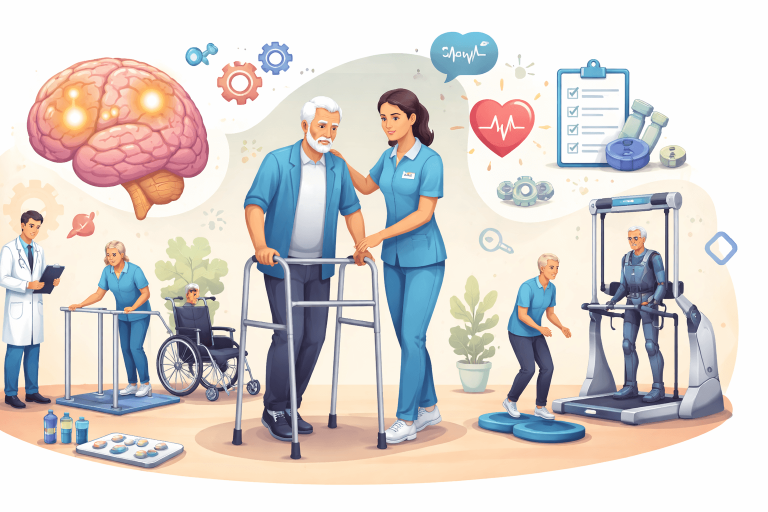
Neuro rehabilitation is a structured medical rehabilitation process designed to help people recover or adapt after damage to the nervous system.
In elderly patients, this commonly includes conditions such as:
Stroke
Stroke often causes weakness, imbalance, speech difficulty, and reduced coordination in elderly patients. Neuro rehabilitation focuses on restoring safe movement, preventing complications, and helping patients regain independence in daily activities.
Parkinson’s disease
Parkinson’s disease leads to stiffness, slow movement, balance problems, and frequent falls. Targeted neuro physiotherapy helps improve walking confidence, posture, and functional mobility while reducing fall risk.
Alzheimer’s disease and other dementias
These conditions affect memory, judgment, and movement over time. Rehabilitation aims to maintain mobility, reduce fall risk, support daily routines, and improve quality of life rather than reverse memory loss.
Balance disorders and recurrent falls
Balance issues in elderly patients are often caused by sensory loss, weak postural control, or fear after previous falls. Rehabilitation focuses on balance training, safe movement strategies, and fall prevention education.
Brain injury
Brain injuries in older adults can result from falls or accidents and may cause long-term physical and cognitive deficits. Neuro rehabilitation helps improve coordination, strength, balance, and functional independence safely.
Age-related neurological decline with mobility loss
Natural aging can lead to slower nerve responses, reduced coordination, and walking difficulties. Rehabilitation helps preserve mobility, maintain strength, and prevent further functional decline.
Unlike younger patients, rehabilitation in seniors must consider:
Slower healing
Elderly patients recover more slowly due to reduced tissue repair and circulation. Rehabilitation programs must be gradual, closely monitored, and adjusted to avoid overloading the body.
Multiple medical conditions
Many seniors have conditions like diabetes, arthritis, or heart disease alongside neurological issues. Neuro rehabilitation must be carefully planned to ensure safety and avoid medical complications.
Reduced muscle reserve
With aging, muscle mass and strength naturally decline, making movement more difficult. Therapy focuses on functional strengthening and endurance to support daily activities safely.
Cognitive and emotional changes
Memory loss, confusion, anxiety, or depression can affect rehabilitation progress. A supportive, structured approach helps improve participation and reduces frustration during therapy.
Higher fall and fatigue risk
Elderly patients fatigue faster and have a higher risk of falls during movement. Rehabilitation emphasizes energy conservation, balance training, and safe mobility strategies.
That is why elderly neuro rehabilitation cannot follow a “one-protocol-fits-all” approach.
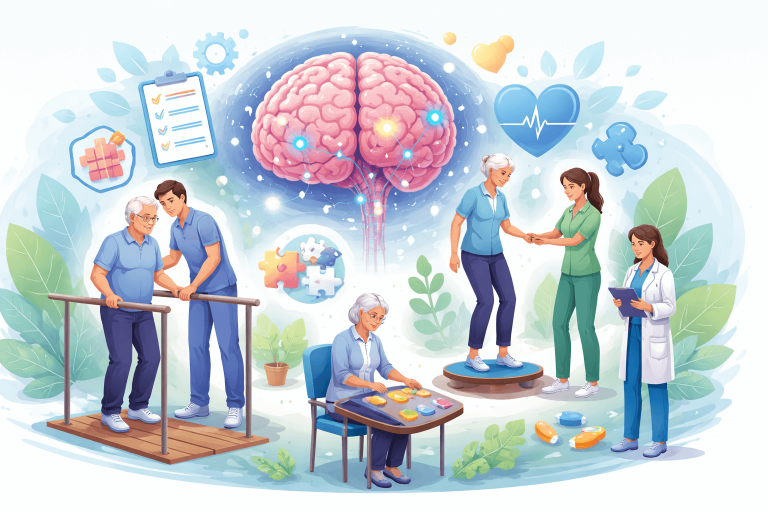
Why Neuro Rehabilitation Is Especially Important for Seniors
Without proper rehabilitation, neurological problems in older adults often lead to:
Rapid loss of mobility
Without guided rehabilitation, elderly patients quickly lose strength, balance, and coordination. This leads to difficulty walking, standing, and transferring, accelerating overall physical decline.
Dependence for daily activities
Neurological problems can make basic tasks like dressing, bathing, and toileting difficult. Without therapy, patients become increasingly dependent on caregivers for routine daily activities.
Recurrent falls and fractures
Poor balance, weak reactions, and unsafe movement increase fall risk in older adults. Repeated falls often result in fractures, hospitalizations, and long-term mobility loss.
Fear of movement
After a fall or injury, many elderly patients develop fear of moving. This fear reduces activity, worsens stiffness, and further increases weakness and fall risk.
Depression and social withdrawal
Loss of independence and ongoing physical limitations can lead to low mood and isolation. Reduced social interaction often worsens recovery and overall quality of life.
Caregiver burnout
When patients become highly dependent, caregivers experience physical and emotional exhaustion. Lack of rehabilitation support increases stress, fatigue, and long-term caregiver strain.
Preserve remaining brain function (neuroplasticity still exists at older ages)
Even in older adults, the brain can form new connections with the right stimulation. Neuro rehabilitation uses repeated, meaningful movements to help preserve and improve functional brain pathways.
Prevent secondary complications like contractures and pressure sores
Lack of movement can lead to joint stiffness, muscle shortening, and skin breakdown. Regular, guided rehabilitation helps maintain joint mobility, circulation, and skin health.
Maintain independence in basic activities
Neuro rehabilitation focuses on practical tasks such as walking, standing, and self-care. Maintaining these abilities helps elderly patients remain independent for as long as possible.
Reduce caregiver burden
When patients move more safely and independently, caregivers experience less physical strain and stress, especially with neurological physiotherapy support for adults in Ahmedabad. Rehabilitation supports both the patient and the family in daily care routines.
Improve confidence and emotional health
Safe movement training helps reduce fear of falling and builds confidence. Improved physical ability often leads to better mood, motivation, and social engagement.
Read More:- Physiotherapy for Postural Imbalance: Assessment, Exercises & Recovery
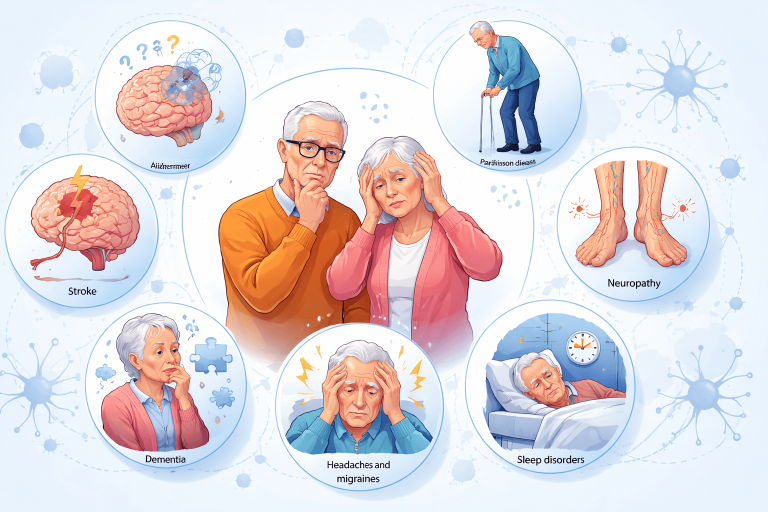
Common Neurological Conditions Affecting the Elderly
1. Stroke
Stroke often causes weakness, imbalance, speech difficulty, and loss of coordination.
Key clinical truth:
Recovery is possible even months after a stroke—but only with task-specific, guided rehabilitation, not just basic exercises.
2. Parkinson’s Disease
Parkinson’s affects movement initiation, balance, posture, and walking speed.
Misconception:
“Physiotherapy doesn’t help once Parkinson’s progresses.”
Reality: Proper neuro physiotherapy can delay disability and reduce falls, even in advanced stages.
3. Dementia and Alzheimer’s Disease
While memory loss cannot be reversed, mobility, balance, and daily function can often be preserved longer with the right approach.
Rehabilitation here focuses on:
Routine-based movement
Simple, repeated daily movements help elderly patients stay active without confusion or stress. Familiar routines improve participation, reduce anxiety, and support safer functional movement.
Fall prevention
Neuro rehabilitation focuses on improving balance, reaction time, and safe walking strategies. Identifying home hazards and teaching correct movement patterns helps reduce fall risk.
Maintaining safe independence
Therapy aims to help elderly patients perform daily activities safely on their own. The focus is on functional ability, confidence, and reducing reliance on constant assistance.
4. Age-Related Balance Disorders and Falls
Not all balance problems are “normal aging.” Many are due to:
Sensory loss
With aging or neurological conditions, sensation from the feet and joints may reduce. This makes it harder for the body to judge position and balance, increasing fall risk.
Poor postural control
Postural control refers to the ability to stay upright during movement. When weakened, elderly patients struggle with standing, turning, and walking safely without support.
Reduced reaction speed
Slower nerve responses make it difficult to correct balance quickly. Even small slips can result in falls because the body cannot react in time.
Fear of falling after one bad fall
After a fall, many elderly patients develop fear that limits movement. Avoiding activity leads to stiffness, weakness, and a higher chance of future falls.
These are treatable issues with targeted neuro rehabilitation.

What Neuro Rehabilitation Actually Includes (Beyond Generic Therapy)
Neuro Physiotherapy: More Than Just Exercises
Neuro physiotherapy goes beyond simple strengthening or stretching routines. It focuses on retraining the nervous system to restore safe, controlled, and functional movement in elderly patients. Understanding the role of neuro physiotherapy in senior rehabilitation helps families recognize how targeted therapy can improve balance, mobility, and overall quality of life for older adults.
Neuro physiotherapy for elderly patients focuses on:
Regaining safe movement patterns
Therapy helps correct abnormal or unsafe movement habits that develop after neurological injury. The goal is to move efficiently while reducing strain, imbalance, and fall risk.
Improving balance reactions
Elderly patients often lose quick balance responses needed to prevent falls. Neuro physiotherapy trains these reactions through controlled balance challenges and posture correction.
Walking retraining (not just strengthening)
Walking problems are often due to poor coordination, not only weak muscles. Gait retraining focuses on step control, rhythm, posture, and confidence during walking.
Reducing stiffness and abnormal muscle tone
Neurological conditions can cause muscle stiffness or involuntary tightness. Targeted techniques help relax muscles, improve joint movement, and make daily activities easier.
Teaching safe transfers (bed, chair, toilet)
Many falls happen during transfers rather than walking. Physiotherapy teaches safe techniques for moving between positions to reduce injury risk and improve independence.
Clinical insight:
Giving strengthening exercises alone to a stroke or Parkinson’s patient without movement retraining often worsens stiffness and fear.
Task-Specific Training: Practicing Real Life
Instead of random exercises, therapy must include:
Standing from a chair
Standing up safely requires strength, balance, and coordination. Neuro rehabilitation retrains this movement to reduce fall risk and improve independence in daily activities.
Turning Safely
Turning is a common cause of falls in elderly patients with neurological conditions. Therapy focuses on controlled, step-by-step turning to improve balance and prevent sudden loss of stability.
Walking on uneven surfaces
Uneven ground challenges balance and coordination more than flat surfaces. Rehabilitation prepares patients to walk safely outdoors by improving reaction speed and postural control.
Reaching and grasping daily objects
Neurological conditions can affect hand control and coordination. Task-specific training helps patients regain safe and purposeful use of their hands for daily activities.
Cognitive and Behavioral Rehabilitation
Simple, repetitive routines work better than complex tasks
Elderly patients with cognitive impairment respond better to familiar, repeated activities. Simple routines improve participation and reduce confusion during rehabilitation sessions.
Familiar Movements Reduce Anxiety
Using known movements and daily habits helps patients feel secure and confident. This lowers anxiety and allows better cooperation during therapy and daily care.
Over-Challenging Cognition Can Backfire and Increase Agitation
Tasks that are too complex can overwhelm patients with cognitive decline. This may increase frustration, agitation, and refusal to participate in therapy.
Occupational Therapy: Making Daily Life Possible
Occupational therapy helps with:
Dressing, Bathing, Eating
Neurological conditions can make basic self-care activities difficult and unsafe. Rehabilitation focuses on improving coordination and teaching safer techniques to maintain daily independence.
Using Adaptive Equipment
Adaptive tools such as grab bars, raised toilet seats, or modified utensils support safe movement. Proper selection and training help patients perform daily tasks with less assistance.
Modifying the Home Environment
Small changes in the home can greatly reduce fall risk. Adjustments like better lighting, removing loose rugs, and rearranging furniture improve safety and accessibility.
Preventing Falls Inside the House
Many falls occur during routine indoor activities. Therapy includes teaching safe movement strategies and identifying household risks to prevent injuries at home.
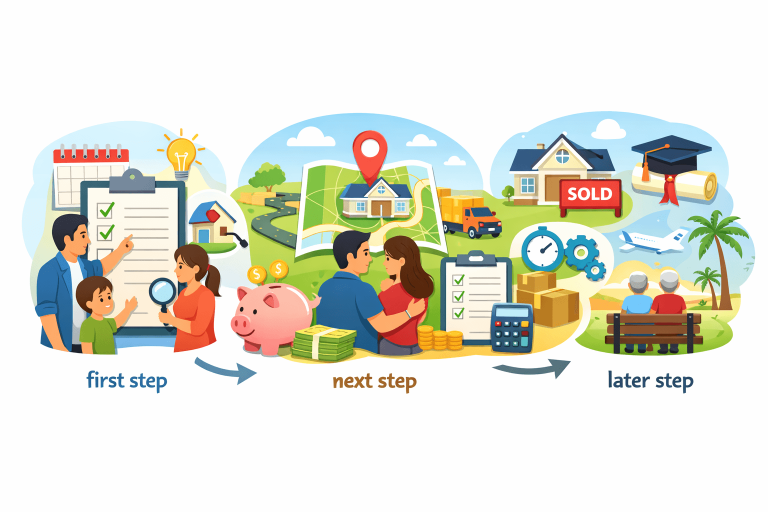
Step-by-Step: What Families Should Do First, Next, and Later
Step 1: Get a Proper Neuro Functional Assessment
What Movements Are Impaired?
A detailed assessment identifies which movements are weak, stiff, uncoordinated, or poorly controlled. This helps target therapy toward meaningful functional improvement rather than generic exercises.
What Is Unsafe Right Now?
The therapist evaluates activities that carry a high risk of falls or injury. Identifying unsafe movements early helps prevent accidents during daily activities and therapy.
What Can Improve With Therapy?
Not all deficits improve equally, especially in elderly patients. Therapy focuses on functions that have realistic potential for improvement and meaningful impact on daily life.
What Needs a Medical Referral?
Some symptoms require medical attention rather than therapy alone. Recognizing these early ensures timely referral for further investigation or treatment.
Step 2: Start Early—but Safely
Early rehab is helpful only if medically stable.
Pushing therapy too aggressively can:
Increase fatigue
Pushing therapy too aggressively can exhaust elderly patients quickly. Excessive fatigue slows recovery, reduces participation, and may increase the risk of falls or injury.
Worsen Spasticity
Overloading weak or stiff muscles can increase abnormal muscle tightness. This may lead to more stiffness, pain, and difficulty performing daily movements.
Reduce Motivation
When therapy feels overwhelming or painful, patients may lose confidence and willingness to participate. Maintaining appropriate intensity helps keep rehabilitation positive and sustainable.
Step 3: Combine Clinic Therapy with Home Guidance
Clear home activity instructions
Patients need simple, specific guidance on what movements to do at home and how often. Clear instructions prevent confusion, unsafe practice, and over- or under-exercising.
Caregiver Education
Caregivers must understand how to assist safely during daily activities and exercises. Proper education reduces injury risk and improves consistency in rehabilitation.
Avoidance of Harmful “YouTube Exercises”
Online exercises are often generic and not tailored to neurological conditions. Performing unsuitable movements can worsen symptoms, increase pain, or delay recovery.

Realistic Case Examples
Case 1: Post-Stroke Elderly Male (72 years)
Came 3 months after the stroke, unable to walk independently.
Focus was not “strength,” but balance reactions and gait retraining.
Outcome after 10 weeks: walking with a stick indoors, independent toilet transfers.
Case 2: Parkinson’s Disease Female (68 years)
Multiple falls despite medication.
Key issue: freezing of gait and fear of movement.
Targeted cueing strategies and posture correction reduced falls significantly.
Case 3: Dementia with Recurrent Falls (78 years)
Cognitive rehab alone failed earlier.
Shifted focus to environmental changes, routine walking, caregiver training.
Falls reduced, agitation improved.
Read More:- Best Posture For Reducing Lower Back Pain
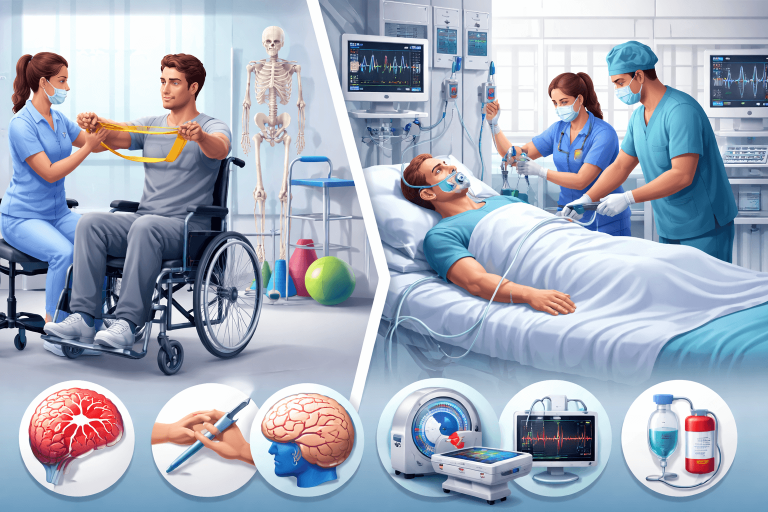
When Neuro Physiotherapy May NOT Be Enough
There is uncontrolled medical illness
Conditions like uncontrolled diabetes, heart disease, or infections can limit safe participation in rehabilitation. Medical stabilization is necessary before therapy can be effective or safe.
Severe untreated depression exists
Depression reduces motivation, participation, and recovery potential. Addressing mental health is essential before meaningful rehabilitation progress can occur.
Progressive neurological disease is advanced without goals
In advanced stages of progressive conditions, rehabilitation without clear functional goals may offer limited benefit. Care should shift toward comfort, safety, and quality of life planning.
Pain is ignored
Unmanaged pain alters movement patterns and increases fear of activity. Effective pain management is necessary to allow safe and productive rehabilitation.
Family support is absent
Elderly patients often depend on family for encouragement and continuity of care. Without support, adherence to therapy and long-term outcomes are significantly reduced.
In such cases, medical, psychological, or social intervention is essential.
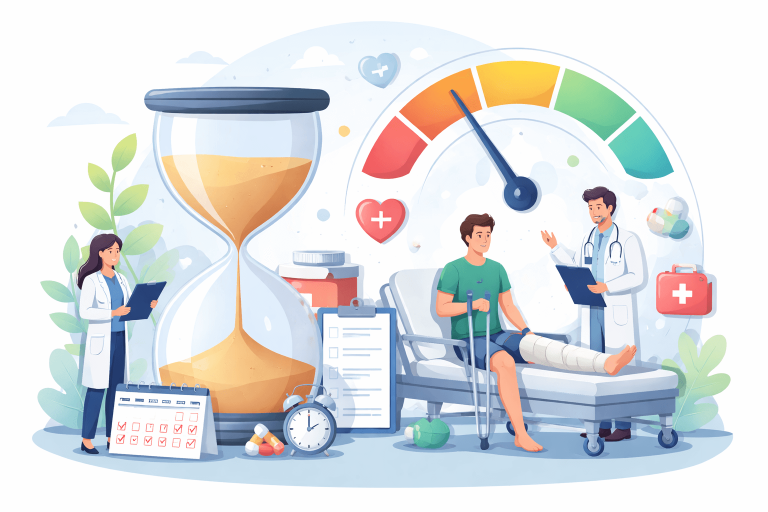
How Long Does Recovery Take—Realistically?
There is no fixed timeline.
In general:
In such cases, medical, psychological, or social intervention is essential.
Stroke:
noticeable gains in first 3–6 months, continued improvement with guidance
Parkinson’s:
ongoing management, not cure
Dementia:
slowing decline, not reversal
Conclusion:
Neuro rehabilitation for elderly patients is a carefully structured, individualized process designed to maximize independence, safety, and quality of life. Through physiotherapy, occupational therapy, cognitive training, and home-based strategies, seniors can maintain mobility, reduce falls, and stay engaged in daily activities.
Successful recovery depends on early assessment, realistic goal-setting, caregiver support, and consistent, safe practice—while recognizing medical limitations and red flags. While rehabilitation may not fully reverse neurological damage, it empowers seniors to relearn useful movements, preserve brain function, and live more confidently and safely.
Ultimately, the combination of evidence-based therapy, family involvement, and home safety measures ensures the best possible outcomes, helping both patients and caregivers navigate the challenges of aging with neurological conditions.
Physiotherapy Clinic in ahmedabad - FAQs
Q1. What is neuro rehabilitation for elderly patients?
Q2.What types of therapies are included?
Q3. How long does recovery typically take?
Q4. How can families help in neuro rehabilitation?
Q5. When should I seek medical advice during rehabilitation?
References
About the Author

Dr. Hetal M Varia
After a rich experience of working in US healthcare as manager and licensed physiotherapist in US for last 11 years, she has returned home with a vision to become pioneer of Vestibular Therapy and specialized Parkinson physiotherapy in Ahmedabad. With her special skills and expertise in vertigo, Parkinson, balance and movement disorders therapy, Dr. Varia is committed to provide US standards of therapy services , compassionate and patient centered care to our people and community. With a vision of the world where everyone walks strong & steady, she intends to empower individuals with vestibular and neurological disorders through specialized care, rehabilitation & innovative therapies to improve mobility, balance & overall quality of life!