Muscle Tightness or Muscle Weakness: What’s the Real Problem?
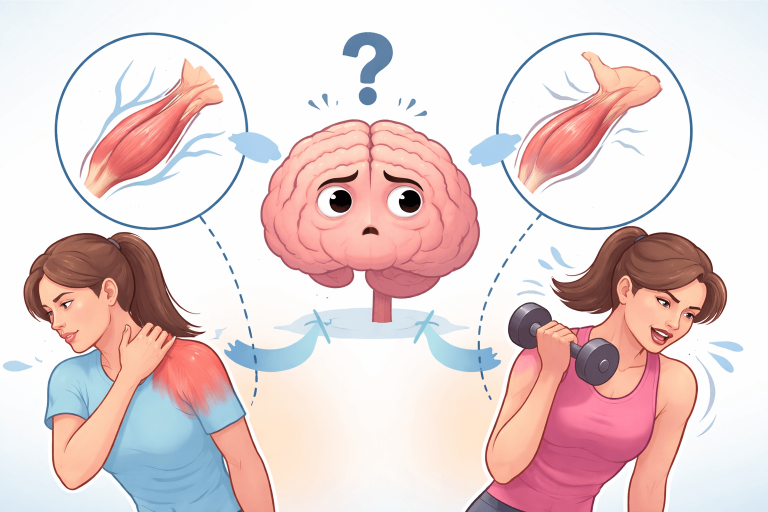
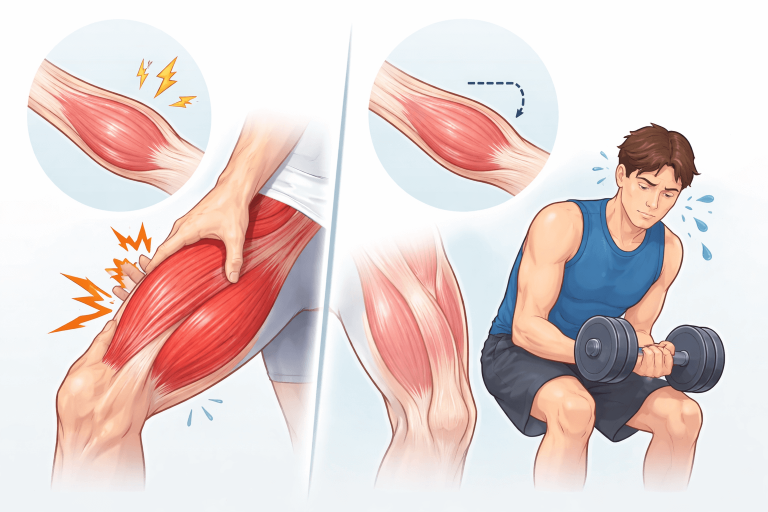
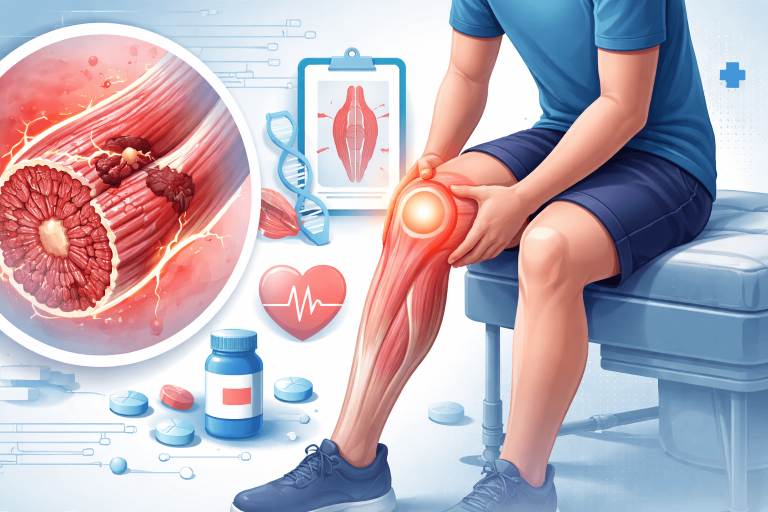
Many patients come to the clinic saying, My muscles feel tight. But after proper assessment, the real issue often turns out to be muscle weakness, not tightness. This confusion matters. Treating weakness like tightness or vice versa can delay recovery, worsen pain, or create new problems.
As a physiotherapist working daily with musculoskeletal pain, neurological conditions, vertigo, post-surgical recovery, and chronic pain, this is one of the most common and misunderstood issues I see.
This article will help you understand:
- What muscle tightness really is
- What muscle weakness feels like (and how it hides)
- How to tell them apart
- What treatment actually works — and what doesn’t
When physiotherapy is enough, and when it’s not
Why Patients Confuse Tightness and Weakness
Muscles don’t work in isolation. When one muscle becomes weak, another muscle tightens up to compensate. So the tight feeling you notice is often a protective response, not the root cause. That’s why stretching alone sometimes gives only temporary relief or makes things worse.
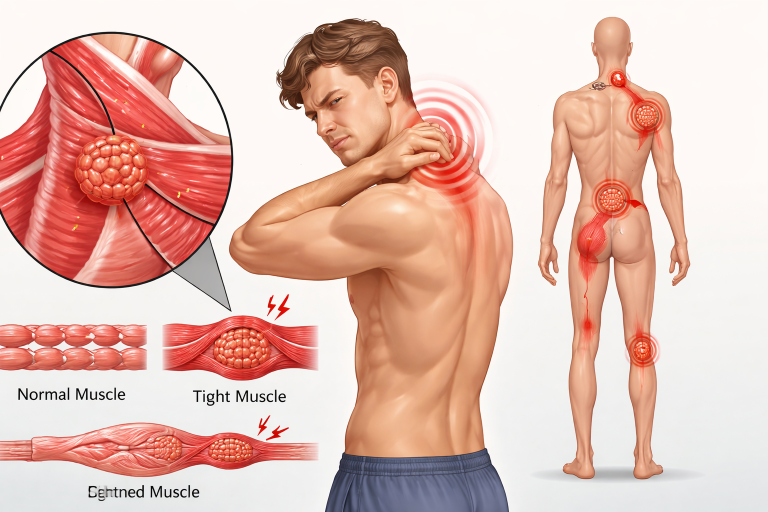
What Is Muscle Tightness?
How Muscle Tightness Feels
Patients often describe it as:
- Pulling or stiffness
- Reduced flexibility
- A sense of restriction during movement
Temporary relief after stretching or massage
Why Muscle Tightness Happens
Common causes include:
- Prolonged sitting or poor posture
- Overuse or repetitive activity
- Stress and fatigue
Protective guarding after injury
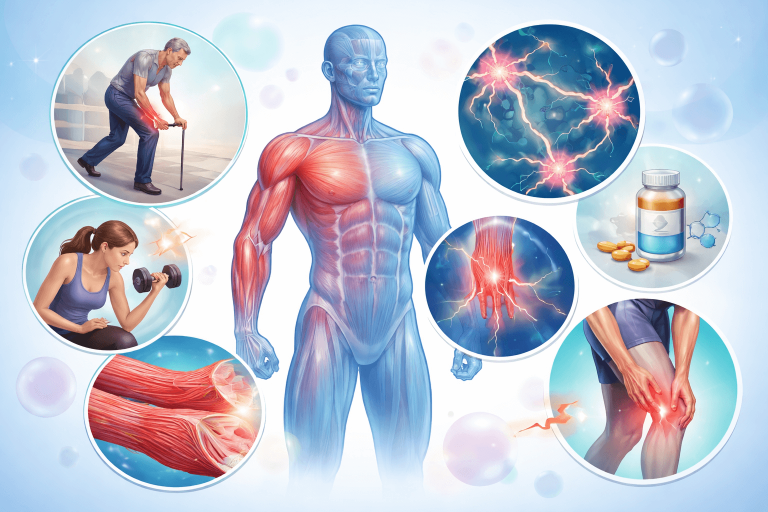
What Is Muscle Weakness
How Muscle Weakness Feels
Weakness doesn’t always feel weak. It may show up as:
Early fatigue
You may feel tired sooner than expected during simple activities. This often means the muscles aren’t getting enough support or endurance yet, not that you’re doing harm.
Heaviness
A sense of heaviness can occur when muscles are weak or overworking to compensate. It’s a common sign that the area needs better strength and control, not just rest—this is where physiotherapy for muscle weakness in Ahmedabad can help address the root cause and improve overall function.
Poor control or balance
Movements may feel unsteady or less coordinated, especially during walking or reaching. This suggests the muscles and nervous system aren’t working together efficiently yet.
Muscles tightening quickly during activity
Muscles may tighten early because they’re trying to protect an area they can’t support well. This is often a response to weakness or poor control rather than true tightness. In neurological or post-surgical patients, weakness may be subtle but functionally significant.
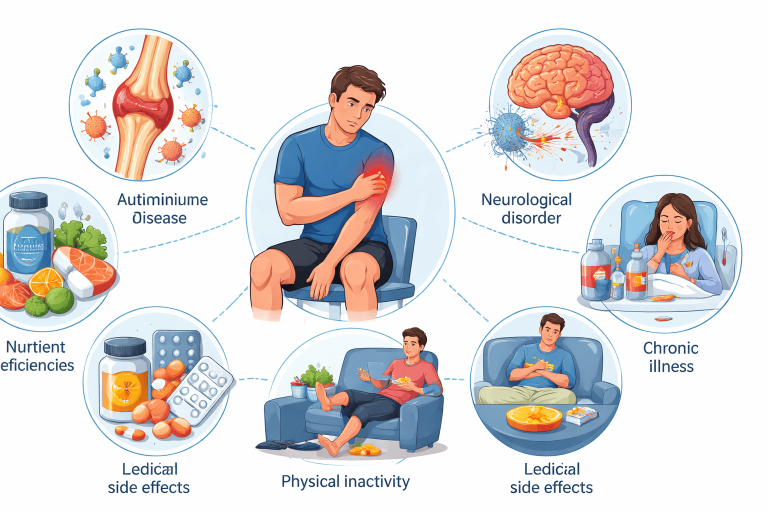
Common Causes of Muscle Weakness
- Disuse after pain or injury
- Nerve involvement (spine, stroke, Parkinson’s)
- Post-surgery inhibition
- Poor movement patterns over time
Clinical insight:
Weak muscles often feel tight because they are overworking beyond their capacity.
Tightness vs Weakness: A Simple Clinical Comparison
What Actually Works And Why?
When Muscle Tightness Is the Main Problem
Effective treatment may include:
Targeted stretching
This focuses only on muscles that are truly tight, not everything that feels uncomfortable. Done correctly, it improves movement without irritating already weak or sensitive tissues.
Manual therapy
Hands-on techniques are used to reduce stiffness, improve joint movement, and calm protective muscle guarding. It’s a supportive tool, not a standalone cure, and works best when combined with exercise.
Postural correction
Postural correction helps your body use muscles more efficiently during daily activities like sitting or walking. Small adjustments can reduce unnecessary strain and prevent recurring tightness.
Activity modification
This means adjusting how you move, work, or exercise to reduce stress on healing tissues. It’s about staying active safely, not stopping movement or avoiding life.
When Muscle Weakness Is the Real Issue
Treatment focuses on:
Gradual, specific strengthening
Strengthening starts at a level your body can handle and builds up slowly over time. Exercises are chosen for the exact muscles involved, helping restore support without flaring pain.
Motor control retraining
This focuses on teaching your muscles and brain to work together again. It improves how you move, not just how strong you are, reducing strain and repeat injuries.
Balance and coordination work
These exercises help your body stay steady during daily activities and prevent falls or compensations. They are especially important when weakness affects confidence and movement control.
Nervous system re-education (in neuro cases)
In neurological conditions, therapy helps the brain relearn movement patterns. Repetition and task-specific training support safer, more efficient movement over time.
What Doesn’t Work
- Endless stretching without strengthening
- Foam rolling as the only treatment
- Ignoring pain patterns and fatigue
- One-size-fits-all exercise plans
Temporary relief without functional improvement is a red flag.
A Real Clinical Example
A 38-year-old IT professional came with neck and shoulder tightness for over a year.
He had tried massage and stretching regularly with short-term relief.
Assessment showed:
- Weak deep neck and shoulder stabilizers
- Poor posture endurance
- No true muscle shortening
After focused strengthening and posture retraining:
- Tightness reduced within weeks
- Headaches resolved
- No dependency on massage
The problem wasn’t tight muscles it was weak support muscles.
Step-by-Step: What Patients Should Do
Step 1: Don’t Self-Diagnose
Tightness doesn’t always mean you need stretching.
Step 2: Get a Proper Assessment
A good physiotherapy assessment looks at:
- Strength
- Endurance
- Movement quality
- Nerve involvement
Step 3: Follow the Right Plan
- Stretch only what is truly tight
- Strengthen what is weak
- Progress gradually
Step 4: Reassess Progress
If symptoms don’t improve in 2–3 weeks, the plan needs adjustment.
When Physiotherapy May NOT Be Enough
Referral is needed if there is:
- Progressive neurological weakness
- Severe pain at rest or night
- Sudden loss of function
- Suspected systemic or inflammatory disease
Responsible physiotherapy includes knowing when to refer.
Home Mistakes That Make Things Worse
- Overstretching already weak muscles
- Copying online exercises blindly
- Ignoring fatigue and recovery time
- Treating symptoms, not function
More effort does not equal better results.
How Long Does Recovery Take?
- Mild postural issues: 2–4 weeks
- Chronic or work-related problems: 6–12 weeks
- Neuro or post-surgical cases: gradual, condition-dependent
Final Words From a Clinician
Muscle tightness and muscle weakness often exist together but they are not the same problem. Treating the wrong one wastes time and prolongs pain.
The right approach is:
- Individual assessment
- Evidence-based treatment
- Honest expectations
When therapy is guided by clinical reasoning — not assumptions — recovery becomes safer, smarter, and more sustainable.
Muscle Tightness or Muscle Weakness- FAQs
References