
Symptoms such as sudden dizziness, vision changes, speech difficulty, or limb weakness may indicate a neurological event. Urgent medical attention is critical before any rehabilitation begins.
Top 10 Benefits of Physiotherapy You Should Know
A senior physiotherapist’s clinical perspective for patients and caregivers, As a physiotherapy doctor, I often meet patients who come with a referral that simply says “Physiotherapy advised.” What many of them don’t know is why, how, or what realistic changes physiotherapy can actually bring.
Physiotherapy is not only for athletes or post-surgery patients. It is a medical rehabilitation science that helps people move better, reduce pain safely, prevent future problems, and maintain independence—especially as we age or live with chronic conditions.
Below, I’ll explain the real, clinically meaningful benefits of physiotherapy, based on everyday practice—not marketing claims.
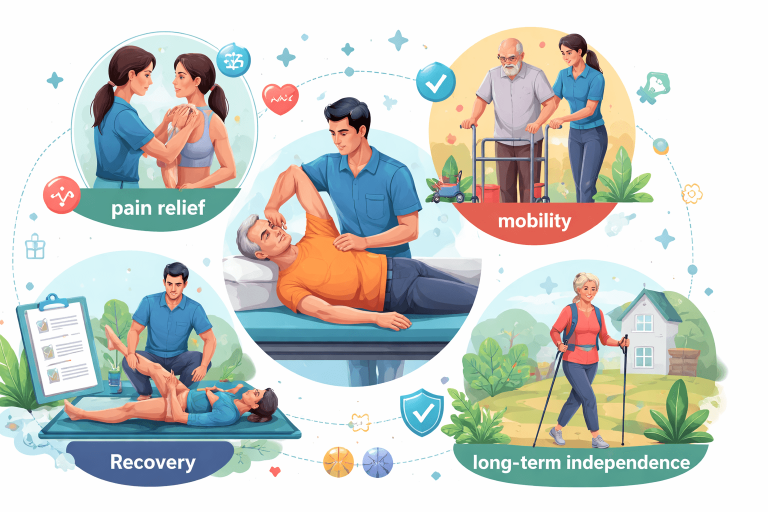
Benefits of Physiotherapy for Pain Relief, Mobility, Recovery, and Long-Term Independence
Physiotherapy supports recovery by reducing pain safely, improving movement, and restoring physical function without over-reliance on medication. It helps patients regain mobility, strength, and balance needed for daily activities and independence.
Through personalized assessment and evidence-based treatment, physiotherapy addresses the root cause of pain rather than only symptoms. It plays a crucial role in post-injury, post-surgical, neurological, and age-related conditions.
With guided exercises and movement retraining, patients learn to move confidently and safely. Over time, understanding the benefits of physiotherapy helps patients appreciate how it prevents recurrence, maintains long-term function, and improves overall quality of life.
1. Reduces Pain Without Long-Term Medication Dependence
Pain is the most common reason patients seek physiotherapy—back pain, knee pain, neck stiffness, shoulder pain, or nerve-related pain.
From a clinical standpoint, physiotherapy helps by:
Improving joint movement and muscle balance
When joints move freely and supporting muscles work in balance, stress on the body reduces naturally. Physiotherapy restores proper movement patterns so daily activities become easier and pain does not keep returning.
Reducing abnormal load on painful structures
Pain often develops when certain joints or tissues are overloaded repeatedly. A physiotherapist identifies these stress points and corrects posture, movement, and muscle use to protect the painful area during routine activities.
Calming irritated nerves through graded movement
Irritated nerves usually worsen with fear and complete rest. Gentle, planned movements help settle nerve sensitivity, improve blood flow, and gradually restore normal function without triggering flare-ups.
What works:
targeted exercises, manual therapy, posture correction What doesn’t: rest alone, repeated painkiller use without movement correction
Clinical insight:
Many patients fear movement when they’re in pain. The right physiotherapy approach teaches safe movement, not aggressive exercise.
2. Improves Mobility and Flexibility for Daily Life
Difficulty bending, turning in bed, climbing stairs, or reaching overhead often develops gradually and is ignored—until daily life is affected.
Physiotherapy focuses on:
Joint range of motion
Healthy joint movement allows you to bend, reach, and turn without stiffness or strain. Physiotherapy helps restore lost range safely, preventing joint tightness from limiting daily activities or worsening pain.
Muscle flexibility and coordination
Flexible muscles that work together smoothly reduce unnecessary stress on joints. Therapy improves timing and control of muscle activity, which is essential for stable movement and injury prevention.
Functional movements (not just stretching)
Real recovery comes from training movements you use every day—sitting, standing, walking, and reaching. Physiotherapy focuses on these practical actions so improvements carry over into real-life function, not just exercise sessions.
Real example:
A 62-year-old patient avoided walking outside due to hip stiffness. After 6 weeks of structured mobility and strengthening, she resumed daily walks safely without injections or surgery.
3. Prevents Falls and Improves Balance
Balance decline is not “just aging.” It’s often due to:
- Weak postural muscles
- Poor joint awareness
- Inner ear or neurological issues
Physiotherapy helps by retraining:
- Balance reactions
- Core stability
- Gait (walking pattern)
Who benefits most:
- Elderly individuals
- People with vertigo
- Stroke or Parkinson’s patients
Red flag:
sudden balance loss with dizziness, vision issues, or weakness requires medical evaluation first.
4. Aids Recovery After Surgery or Injury
Physiotherapy supports:
- Safe tissue healing timelines
- Prevention of stiffness and weakness
- Gradual return to function
Step-by-step approach used clinically:
Pain and swelling control
Early physiotherapy focuses on reducing pain and inflammation to protect healing tissues. This creates a safe foundation for movement and prevents stiffness or fear-related avoidance of activity.
Gentle mobility
Once pain is controlled, guided gentle movements help maintain joint health and circulation. These controlled motions prevent stiffness while respecting the body’s natural healing process.
Strength rebuilding
After injury or surgery, muscles weaken quickly if not retrained. Physiotherapy restores strength gradually so joints remain supported without overloading healing structures.
Functional retraining
The final phase focuses on real-life tasks such as walking, stair climbing, or reaching. This ensures strength and movement gains translate into confident, safe daily activity.
5. Improves Strength Without Overloading Joints
Many patients believe strengthening means lifting heavy weights. In reality, therapeutic strengthening is precise and protective.
Physiotherapy builds:
- Muscle strength around joints
- Endurance for daily tasks
- Confidence in movement
This is especially important for:
- Knee arthritis
- Shoulder problems
- Spine-related conditions
What we avoid:
exercises that compress or irritate already damaged joints.
6. Supports Neurological Recovery (Stroke, Parkinson’s, Nerve Injuries)
In conditions like stroke or Parkinson’s, therapy focuses on:
Movement re-education
After neurological or musculoskeletal injury, the body often learns incorrect movement patterns. Physiotherapy retrains the brain and muscles to move efficiently again, reducing effort, fatigue, and risk of injury.
Balance and walking safety
Balance problems increase the risk of falls and loss of confidence. Through guided balance and gait training, physiotherapy improves stability and teaches safer walking strategies for daily environments.
Functional independence
The ultimate goal of physiotherapy is helping patients manage daily activities on their own. By improving strength, coordination, and confidence, therapy supports safer self-care and greater independence at home and outside.
Clinical reality:
Recovery is gradual. Consistency matters more than intensity. Physiotherapy doesn’t “cure” neurological conditions—but it maximizes ability and prevents decline.
7. Enhances Independence and Quality of Life
One of the most overlooked benefits is functional independence.
Physiotherapy helps patients:
Get in and out of bed safely
Physiotherapy teaches safe bed mobility techniques that reduce strain on the spine and joints. This helps prevent falls, pain flare-ups, and unnecessary dependence on others during daily routines.
Walk independently or with aids
Through strength, balance, and gait training, physiotherapy improves walking safety. When needed, patients are guided on proper use of walking aids to move confidently and reduce fall risk, helping them find the right physiotherapy care for your condition.
Perform self-care activities
Daily tasks like bathing, dressing, and toileting require coordinated movement and balance. Physiotherapy retrains these skills so patients can manage personal care with greater ease and dignity.
For elderly patients, this often means:
Less dependence on caregivers
As movement and confidence improve, elderly patients often require less hands-on assistance. This supports both physical independence and emotional well-being.
Reduced fear of movement
Pain or past falls can create fear that limits activity. Guided therapy helps patients move safely again, breaking the cycle of avoidance and weakness.
Better confidence at home
With improved strength and balance, patients feel safer navigating their own environment. This confidence allows them to stay active and independent within their home.
8. Reduces Risk of Future Injuries and Recurrence
Treating pain alone is incomplete care.
Physiotherapists assess:
- Movement patterns
- Muscle imbalances
- Posture and ergonomics
This prevents:
- Recurrent back pain
- Repeated ligament injuries
- Work-related musculoskeletal issues
Home mistake to avoid:
Stopping exercises once pain reduces. Prevention requires continuation.
9. Supports Chronic Condition Management
Conditions like arthritis, chronic back pain, and postural problems don’t disappear overnight.
Physiotherapy helps by:
Teaching self-management strategies
Physiotherapy empowers patients with clear guidance on posture, exercises, and daily habits. This helps them manage their condition confidently outside the clinic and make informed decisions about their activity.
Adjusting activity levels safely
Many flare-ups happen due to overdoing or underdoing activity. A physiotherapist helps patients find the right balance, so they stay active without triggering pain or setbacks.
Preventing flare-ups
By identifying early warning signs and correcting movement patterns, physiotherapy reduces the risk of recurring pain episodes. This proactive approach supports long-term control rather than repeated short-term relief.
What patients should expect:
Improvement in control and function—not instant cures.
10. Provides Safe, Personalized, Non-Invasive Care
Physiotherapy is individualized—not a one-size-fits-all treatment.
A proper physiotherapy plan considers:
- Age
- Medical history
- Pain tolerance
- Lifestyle and goals
This makes it one of the safest long-term treatment options when done correctly.

When Physiotherapy May NOT Be Enough
Medical referral is necessary if there is:
Progressive weakness or numbness
Worsening weakness or spreading numbness may indicate nerve or spinal involvement. This requires medical evaluation before continuing physiotherapy to avoid missing a serious underlying condition.
Severe, unexplained pain
Pain that is intense, persistent, or not linked to movement or injury should not be ignored. A doctor’s assessment is essential to rule out infections, fractures, or internal causes.
Loss of bladder or bowel control
This is a medical emergency and can signal serious spinal or neurological compression. Immediate hospital care is required, not routine physiotherapy.
Sudden neurological symptoms

When Should You Start Physiotherapy?
From a clinical perspective:
- Early intervention prevents complications
- Waiting until pain becomes severe delays recovery
Best time to start:
When pain, stiffness, balance issues, or functional difficulty first appear.

How Long Does Recovery Take?
This depends on:
- Condition severity
- Consistency of therapy
- Patient participation
General expectations:
- Acute issues: 2–6 weeks
- Post-surgical rehab: 6–12 weeks
- Chronic conditions: ongoing management
Final Doctor’s Note
Physiotherapy is not about machines or temporary relief. It is about restoring movement, safety, and confidence through evidence-based care.
If you or a family member are unsure whether physiotherapy is right, consult a qualified physiotherapist who explains why a treatment is recommended—not just what is done. Your recovery should feel guided, realistic, and safe not confusing or rushed.
Top 10 Benefits of Physiotherapy - FAQs
Q1. Do I need a doctor’s referral to start physiotherapy?
In many cases, you can consult a physiotherapist directly, but a doctor’s referral is recommended if symptoms are severe, worsening, or linked to surgery or neurological conditions.
Q2.How soon will I start seeing results from physiotherapy?
Some patients feel improvement within a few sessions, but meaningful recovery usually takes weeks and depends on the condition, consistency, and home exercise adherence.
Q3.Is physiotherapy painful?
Physiotherapy should not cause sharp or worsening pain; treatment is adjusted to your tolerance and focuses on safe, gradual improvement.
Q4. Can physiotherapy help long-standing or chronic problems?
Yes, while it may not “cure” chronic conditions, physiotherapy helps improve function, control symptoms, and reduce flare-ups over time.
Q5. What happens if I stop physiotherapy once pain reduces?
Stopping too early often leads to recurrence; completing the program and continuing prescribed exercises helps maintain long-term results.
References
About the Author

Dr. Hetal M Varia
After a rich experience of working in US healthcare as manager and licensed physiotherapist in US for last 11 years, she has returned home with a vision to become pioneer of Vestibular Therapy and specialized Parkinson physiotherapy in Ahmedabad. With her special skills and expertise in vertigo, Parkinson, balance and movement disorders therapy, Dr. Varia is committed to provide US standards of therapy services , compassionate and patient centered care to our people and community. With a vision of the world where everyone walks strong & steady, she intends to empower individuals with vestibular and neurological disorders through specialized care, rehabilitation & innovative therapies to improve mobility, balance & overall quality of life!