
How Does Physiotherapy Help Herniated Disc?
If you’ve been waking up with lower back pain, feeling a sharp radiating discomfort down your leg, or struggling to sit comfortably at work, you’re not alone. Many adults between 30 and 65 in Ahmedabad come to Varia Physiotherapy Clinic asking the same question: “How Does Physiotherapy Help Herniated Disc?”
A herniated disc can feel frightening. The pain can interfere with work, sleep, and even simple daily tasks like bending or walking. But here’s the reassuring truth: most cases can be managed effectively without surgery with the right physiotherapy approach.
This article is designed to help you understand your condition, what physiotherapy actually does, and what realistic recovery looks like based on real clinical experience and evidence-backed practices.
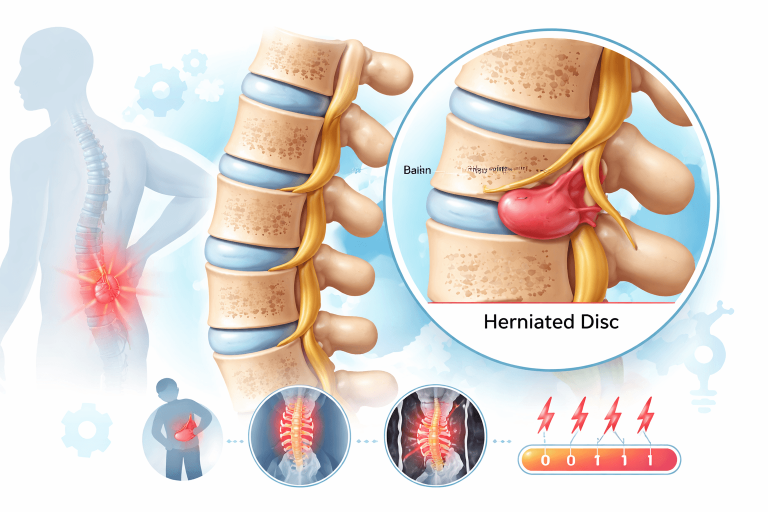
Understanding a Herniated Disc in Simple Terms
Your spine is made up of small bones (vertebrae) cushioned by discs. These discs act like shock absorbers. When one of them bulges or ruptures, it can press on nearby nerves world healththis is called a herniated (or slipped) disc.
Common Causes We See in Ahmedabad Patients
At Varia Physiotherapy Clinic, these are the most frequent triggers, often helping patients understand how physiotherapy helps a herniated disc and manage their symptoms more effectively.
Prolonged sitting (especially desk jobs or driving)
Sitting for long hours puts continuous pressure on your lower spine, especially if you don’t change positions often. Over time, this can strain the discs and surrounding muscles, leading to stiffness and pain. Many patients notice symptoms worsening by the end of the workday.
Poor posture over time
Slouching or sitting without proper back support may feel harmless initially, but it gradually increases stress on your spinal discs. This uneven pressure can contribute to disc wear and nerve irritation. Small posture corrections can make a big difference in long-term spine health.
Sudden lifting of heavy objects
Lifting heavy items without proper technique—especially bending from the waist instead of the knees—can suddenly overload the spine. This may cause a disc to bulge or herniate, leading to sharp pain or even radiating symptoms. Learning safe lifting habits is essential to prevent injury.
Age-related degeneration
As we age, spinal discs naturally lose hydration and flexibility, making them more prone to injury. This is a gradual, normal process, but it can increase the risk of disc problems. Staying active and maintaining strength can help slow down this progression.
Lack of core muscle strength
Your core muscles support and stabilize your spine during everyday movements. When these muscles are weak, the spine takes on more load than it should, increasing the risk of disc strain. This is a key reason how physiotherapy helps herniated disc recovery, as strengthening the core plays an important role in both treatment and prevention.
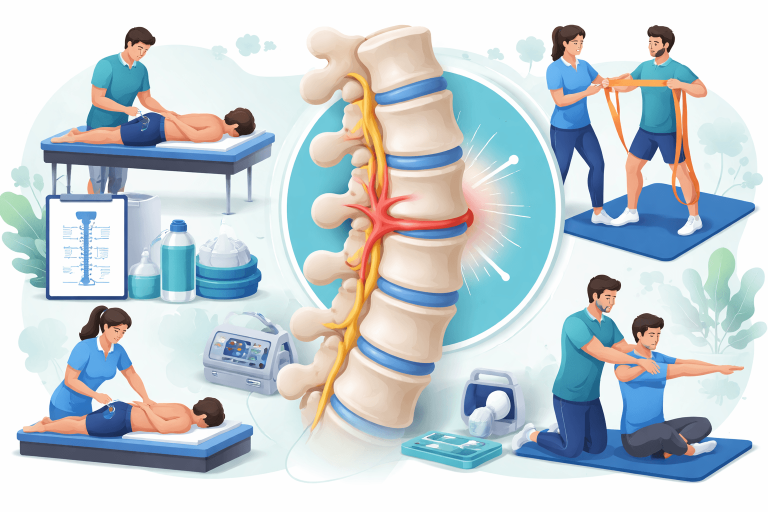
How Does Physiotherapy Help Herniated Disc? Step-by-Step Care
Physiotherapy isn’t just about exercises. It’s a structured, personalized recovery process based on clinical assessment and scientific principles.
1. Detailed Clinical Assessment
Your physiotherapist will evaluate:
Pain location and intensity
Understanding exactly where your pain occurs and how severe it feels helps identify the affected structures and guides the right treatment approach.
Movement limitations
Difficulty bending, standing, or turning indicates how your spine and muscles are functioning, helping tailor safe and effective exercises.
Nerve involvement (like tingling or numbness)
Symptoms such as tingling, numbness, or radiating pain suggest nerve irritation, which requires specific techniques to relieve pressure safely.
Posture and muscle imbalances
Assessing how you sit, stand, and move helps detect muscle weakness or tightness that may be contributing to your pain and delaying recovery.
2. Pain Reduction Techniques
In the early stage, the goal is to reduce pain and inflammation safely.
Common methods include:
Manual therapy (gentle mobilization)
Your physiotherapist uses hands-on techniques to gently move and relax stiff joints and muscles. This can help reduce pain, improve mobility, and make daily movements more comfortable.
Electrotherapy (like TENS or ultrasound)
These therapies use controlled electrical or sound waves to reduce pain and support tissue healing. They are commonly used as supportive treatments alongside exercise for better recovery.
Heat or cold therapy
Heat helps relax tight muscles and improve blood flow, while cold therapy can reduce inflammation and numb sharp pain. Your physiotherapist will guide you on when to use each for safe relief. According to the National Institutes of Health, conservative treatments like physiotherapy are often the first line of care for disc-related pain.
3. Targeted Exercise Therapy
This is where real healing begins.
Your physiotherapist will guide you through:
Core strengthening exercises
These exercises help build strength in the muscles that support your spine, reducing pressure on the affected disc. A stronger core improves stability and helps prevent future pain episodes.
Flexibility and stretching routines
Gentle stretches improve muscle flexibility and reduce stiffness around the spine. This allows better movement and helps ease discomfort during daily activities.
Postural correction exercises
These exercises train your body to maintain proper alignment while sitting, standing, and moving. Better posture reduces unnecessary strain on your spine and supports long-term recovery. These are not random YouTube exercises—they are carefully selected based on your condition.
4. Nerve Mobilization Techniques
If your disc is pressing on a nerve (like sciatica), specific movements help:
Reduce nerve irritation
Specific physiotherapy techniques help relieve pressure on irritated nerves, which can ease discomfort and prevent symptoms from worsening.
Improve mobility
Gentle, guided movements help restore your ability to move comfortably, making everyday activities like walking or bending easier.
Decrease radiating pain
By addressing the root cause of nerve compression, physiotherapy can help reduce pain that travels to the arms or legs, improving overall comfort and function.
5. Posture and Lifestyle Correction
Many patients improve but relapse because they return to harmful habits.
At Varia Physiotherapy Clinic, we focus on:
Ergonomic sitting positions
Sitting with proper back support and alignment reduces stress on your spine during long hours. Small changes in how you sit can significantly lower pain and prevent further strain.
Safe lifting techniques
Learning to lift using your legs instead of your back helps protect your spine from sudden injury. This reduces the risk of worsening a disc problem during daily activities.
Workstation adjustments
Adjusting your chair, desk, and screen height creates a more spine-friendly setup. This helps you maintain good posture and reduces repeated stress that can delay recovery. The World Health Organization emphasizes movement and posture correction as key components in managing musculoskeletal disorders.
6. Gradual Return to Normal Activity
Recovery doesn’t mean bed rest—it means controlled movement.
You’ll be guided on:
When to resume walking or work
Your physiotherapist will guide you on safely returning to daily activities based on your recovery stage, so you stay active without worsening your symptoms.
How to avoid re-injury
You’ll learn practical strategies like proper movement techniques and activity limits to protect your spine and reduce the chances of pain coming back.
Building long-term spinal health
Ongoing exercises and lifestyle changes help keep your spine strong and flexible showing how physiotherapy helps herniated disc recovery while preventing future problems.
Read More: Best Physiotherapy Clinic In Ahmedabad

Real Patient Experience from Varia Physiotherapy Clinic
A 42-year-old office worker came in with severe lower back pain radiating to his right leg. He had difficulty sitting for more than 10 minutes and was considering surgery.
After assessment, we identified:
- Weak core muscles
- Poor sitting posture
- Nerve compression signs
Treatment Plan:
- Pain relief therapy (first 1–2 weeks)
- Gradual strengthening exercises
- Posture correction training
Outcome:
Within 6 weeks:
- Pain reduced significantly
- Sitting tolerance improved to 1 hour
- Surgery was no longer needed
This is a common outcome—but it depends on consistency and early intervention.
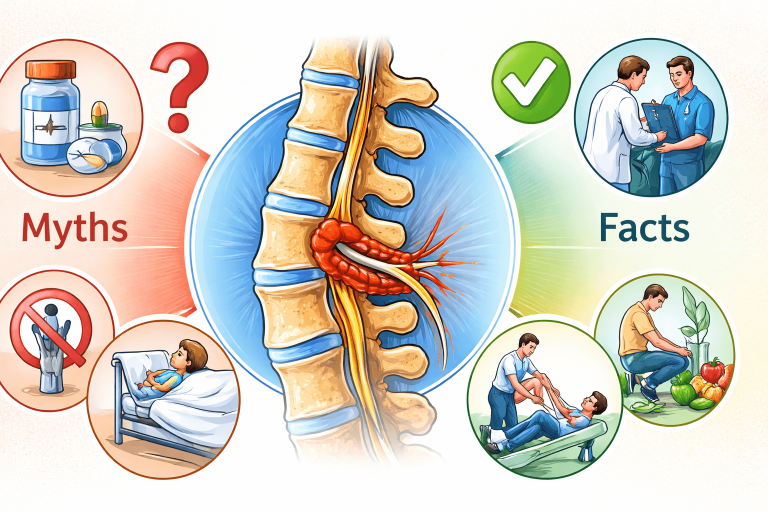
Myths vs Facts About Herniated Disc Treatment
Myth: Complete bed rest is the best solution
Fact: Prolonged rest can worsen stiffness and delay recovery
Myth: Surgery is always required
Fact: Most cases improve with physiotherapy and conservative care
Myth: Pain means permanent damage
Fact: Pain often reduces as inflammation and nerve irritation decrease
Myth: Exercise is dangerous
Fact: Correct, guided exercise is essential for healing

When Should You See a Physiotherapist?
Don’t wait too long. Early treatment leads to better outcomes.
Seek help if you have:
- Back pain lasting more than 1–2 weeks
- Pain radiating to arms or legs
- Numbness or tingling
- Difficulty standing, walking, or sitting
When Referral is Necessary
Physiotherapists also recognize when additional care is needed.
You may be referred to an orthopedic specialist or neurologist if:
- Severe weakness develops
- Loss of bladder or bowel control occurs
- Pain does not improve with conservative care
Conclusion
It helps by reducing pain, restoring movement, strengthening your body, and teaching you how to prevent future problems—all without unnecessary surgery in most cases. If you want to better understand your options, exploring physiotherapy treatment for herniated disc pain can give you clarity on what to expect during recovery.
At Varia Physiotherapy Clinic in Ahmedabad, the focus is not just on treating pain—but on helping you return to a confident, active life safely and sustainably.
Recovery takes time, consistency, and the right guidance—but it is absolutely possible.
Ethical Call-to-Action
If you’re experiencing persistent back or nerve-related pain, consider getting a professional assessment. Early care can prevent long-term complications and improve your quality of life.
At Varia Physiotherapy Clinic in Ahmedabad, you’ll receive a personalized, evidence-based treatment plan tailored to your condition and lifestyle.
📞 Call: +91 95123 79555
🌐 Website: www.variaphysiotherapy.com
Booking a consultation can be your first step toward safe, guided recovery—without unnecessary fear or guesswork.
How Does Physiotherapy Help Herniated Disc - FAQs
Q1.How long does recovery take?
Q2. Can physiotherapy completely cure a herniated disc?
Q3. Is exercise safe during pain?
Q4. Will I need lifelong treatment?
Q5.Can I continue working during treatment?
About the Author

Dr. Hetal M Varia
After a rich experience of working in US healthcare as manager and licensed physiotherapist in US for last 11 years, she has returned home with a vision to become pioneer of Vestibular Therapy and specialized Parkinson physiotherapy in Ahmedabad. With her special skills and expertise in vertigo, Parkinson, balance and movement disorders therapy, Dr. Varia is committed to provide US standards of therapy services , compassionate and patient centered care to our people and community. With a vision of the world where everyone walks strong & steady, she intends to empower individuals with vestibular and neurological disorders through specialized care, rehabilitation & innovative therapies to improve mobility, balance & overall quality of life!