
Adjusting your chair, desk, and screen setup helps maintain proper posture throughout the day. Along with these changes, physiotherapy for desk job back pain can further support recovery by addressing the root cause and preventing ongoing strain.
Physiotherapy For Desk Job Back Pain Office Workers
If your workday involves 6–10 hours of sitting, chances are you’ve felt stiffness in your lower back, tightness in your shoulders, or a constant dull ache that doesn’t seem to go away. At Varia Physiotherapy Clinic, this is one of the most common complaints among working professionals aged 30–65.
Many patients assume this pain is “normal” due to their job—but clinically, it’s not. It’s your body’s way of signaling that something isn’t functioning correctly.
Physiotherapy For Desk Job Back Pain Office Workers focuses on identifying the root cause, correcting movement patterns, and helping you return to pain-free work without depending on medications.
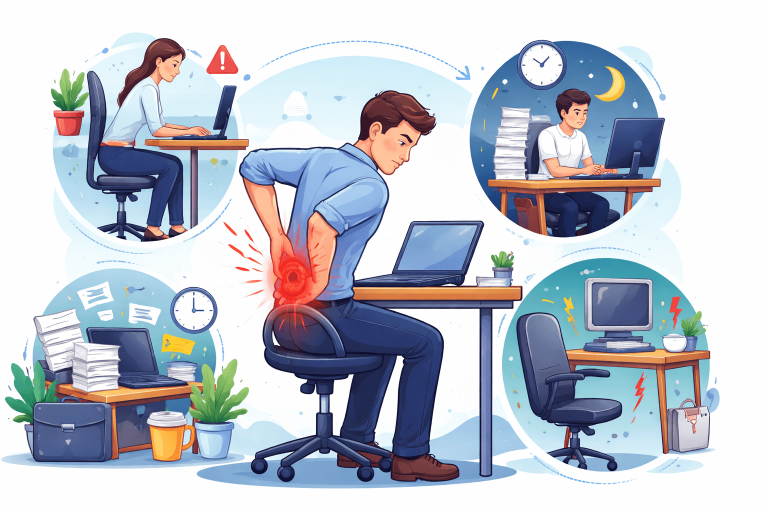
Common Causes of Desk Job Back Pain
Understanding the cause is the first step toward long-term relief.
1. Prolonged Static Sitting
Sitting for long periods without breaks places constant pressure on your lower back. Over time, this can lead to stiffness, reduced circulation, and ongoing discomfort if movement isn’t added regularly. Many people notice their back feels tight or sore after a full workday. Introducing small, frequent movements can significantly reduce this daily strain.
2. Poor Posture Habits
Habitual slouching or leaning forward—common with laptop and phone use—strains your spine and muscles. This daily stress often builds into neck and back pain by the end of the day. You may not feel it immediately, but poor posture gradually overloads your muscles. Correcting posture early can prevent long-term issues.
3. Weak Core Stability
Your core plays a key role in supporting your spine during everyday activities. When it’s weak, the back compensates, increasing the likelihood of fatigue, strain, and posture-related pain. Simple activities like sitting or standing become more demanding on your back. Strengthening your core improves stability and reduces unnecessary pressure.
4. Tight Hip Flexors and Hamstrings
Extended sitting shortens key muscle groups around your hips and thighs. This can disrupt pelvic alignment and place extra mechanical stress on your lower back.You might feel tightness when standing up or walking after sitting for long. Improving flexibility helps restore balance and ease movement.
5. Lack of Movement Breaks
Even with good posture, staying still for too long can cause stiffness and muscle fatigue. Regular short breaks help maintain flexibility, improve blood flow, and prevent discomfort from building up. Your body is designed to move, not stay static for hours. Small breaks throughout the day can make a noticeable difference in how your body feels.
According to the World Health Organization, musculoskeletal disorders are a leading cause of disability, particularly among sedentary populations.
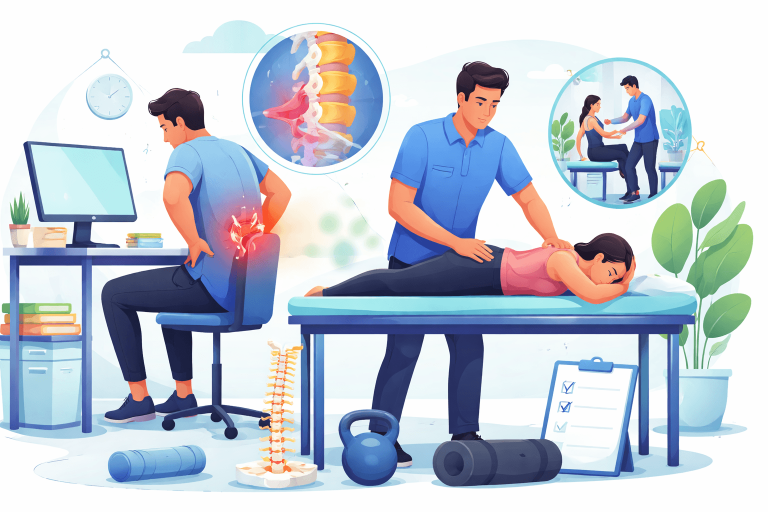
How Physiotherapy Helps Desk Job Back Pain
At Varia Physiotherapy Clinic, treatment is based on clinical assessment, not guesswork.
1. Detailed Clinical Assessment
A thorough evaluation helps identify the root cause of your pain, not just the symptoms. By assessing posture, movement, and muscle strength, treatment can be tailored specifically to your needs. This personalized approach ensures you’re not following a generic plan. It also helps track progress and adjust treatment as your condition improves.
2. Pain Reduction Techniques
Hands-on therapies like manual therapy and soft tissue release help ease muscle tension and improve joint movement, demonstrating how physiotherapy helps office workers with back pain. This often provides noticeable relief and makes daily activities more comfortable. Many patients feel lighter and less restricted after sessions, and consistent treatment can also prevent pain from returning frequently.
3. Posture Re-Training
You’ll learn practical ways to improve how you sit, stand, and work throughout the day. Small posture corrections can make a big difference in reducing strain and preventing recurring pain. These changes are easy to apply in daily life and work settings. Over time, better posture becomes a natural and lasting habit.
4. Core Strengthening Program
Targeted exercises help strengthen the deep muscles that support your spine. A stronger core reduces pressure on your back and improves overall stability.
You’ll likely notice better balance and control in your movements. This also lowers the risk of future injuries and discomfort.
5. Mobility Restoration
Stretching tight muscles—especially around the hips and legs—helps restore normal movement. This reduces stress on your spine and allows your body to move more freely. Improved flexibility makes everyday activities easier and more comfortable. It also supports better posture and overall body alignment.
6. Ergonomic Advice
Simple changes to your workstation, like adjusting chair height or screen position, can significantly reduce daily strain. These adjustments support long-term recovery and comfort. You don’t need major changes—small tweaks can have a big impact. A well-set workspace helps maintain good posture throughout the day.
Evidence from the National Institutes of Health supports exercise-based rehabilitation as an effective treatment for chronic back pain.

Real Patient Case
A 42-year-old office manager visited our clinic with chronic lower back pain for over 8 months. His pain worsened by the end of the workday and improved slightly on weekends.
Assessment Findings:
Forward head posture
When your head shifts forward from its natural position, it puts extra strain on your neck and upper back. Over time, this can lead to stiffness, fatigue, and persistent discomfort.
Weak core muscles
A weak core reduces your body’s ability to support the spine effectively. This often causes the back and neck muscles to overwork, leading to pain and poor posture.
Tight hip flexors
Spending long hours sitting can tighten your hip flexors, pulling your posture out of alignment. This imbalance can increase stress on your lower back and affect overall movement.
Treatment Plan:
Manual therapy sessions (twice weekly)
Regular hands-on therapy helps release muscle tension, improve joint mobility, and reduce pain. Consistent sessions can speed up recovery and improve comfort.
Core stabilization exercises
These exercises focus on strengthening deep support muscles around the spine. Over time, they improve posture, balance, and reduce strain on your back.
Ergonomic correction at workstation
Outcome:
Within 3 weeks, pain intensity reduced by 50%. After 8 weeks, he reported minimal discomfort and improved work productivity.
What worked:
Consistent exercises + posture awareness
What didn’t work earlier:
Ignoring posture and relying only on pain relief methods

What Works vs What Doesn’t
What Works
- Structured exercise programs
- Posture correction
- Regular movement breaks
- Strengthening + mobility combination
What Doesn’t Work
- Long-term bed rest
- Only using painkillers
- Ignoring early symptoms
- Random exercises without guidance

Myths vs Facts
Myth 1: “Sitting straight all day prevents pain”
Fact: Even correct posture needs regular movement breaks.
Myth 2: “Back pain will go away on its own”
Fact: Without correcting the cause, pain often returns or worsens.
Myth 3: “Exercise may worsen the condition”
Fact: Proper physiotherapy exercises reduce pain and improve function.

When Should You See a Physiotherapist?
You should consult a physiotherapist if:
- Pain lasts more than 7–10 days
- Pain increases during sitting
- Stiffness affects daily movement
- Pain keeps recurring
Seek medical referral if:
- Pain radiates to legs
- Numbness or tingling is present
- Muscle weakness develops
In such cases, evaluation by an orthopedic specialist or neurologist may be required.
Conclusion
Physiotherapy for desk job back pain in office workers is not just about relieving discomfort—it’s about correcting the underlying cause and preventing future issues. With proper guidance, structured exercises, and small daily changes, most office workers can achieve long-term relief.
At Varia Physiotherapy Clinic, the focus is always on helping patients return to a healthy, active lifestyle—safely and effectively. Each treatment plan is tailored to your specific work habits and physical condition.With the right support and consistency, you can not only reduce pain but also improve posture, mobility, and overall quality of life.
Physiotherapy For Desk Job Back Pain - FAQs
Q1. How often should I do physiotherapy exercises?
Most patients benefit from 3–5 sessions per week depending on severity.
Q2. Is physiotherapy effective for Parkinson’s?
Mild pain improves within 2–4 weeks, while chronic cases may take 6–12 weeks.
Q3.Can I continue working during treatment?
Yes, with posture correction and activity modification.
Q4. Are home exercises enough?
They help, but proper assessment ensures you’re doing the right exercises.
Q5.Is physiotherapy safe for long-term back pain?
Yes, it is a safe, evidence-based approach for managing chronic conditions.
About the Author

Dr. Hetal M Varia
After a rich experience of working in US healthcare as manager and licensed physiotherapist in US for last 11 years, she has returned home with a vision to become pioneer of Vestibular Therapy and specialized Parkinson physiotherapy in Ahmedabad. With her special skills and expertise in vertigo, Parkinson, balance and movement disorders therapy, Dr. Varia is committed to provide US standards of therapy services , compassionate and patient centered care to our people and community. With a vision of the world where everyone walks strong & steady, she intends to empower individuals with vestibular and neurological disorders through specialized care, rehabilitation & innovative therapies to improve mobility, balance & overall quality of life!