Best Physiotherapy Clinic In Ahmedabad
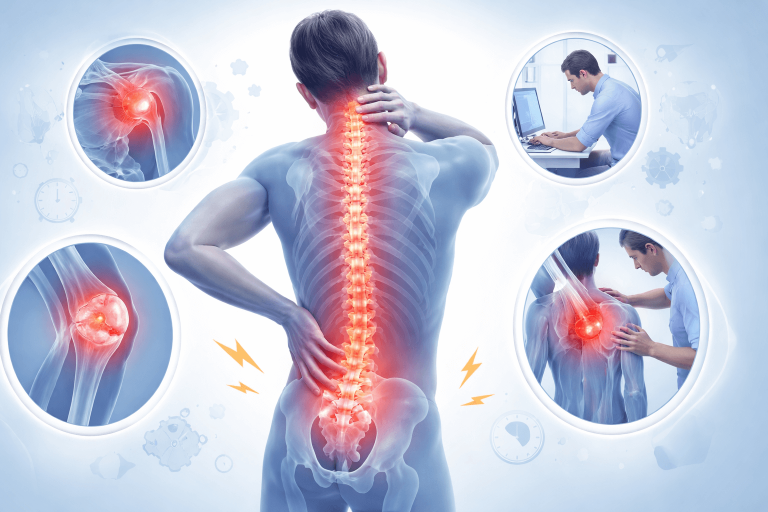
Back pain that keeps returning.
Knee pain while climbing stairs.
Neck stiffness after long work hours.
Shoulder pain that disturbs sleep.
If you are between 30–65 years old and living in Ahmedabad, these problems are not “just age.” They are signs your body needs proper assessment — not temporary painkillers.
Many patients search for the Best Physiotherapy Clinic in Ahmedabad, but the real question is:
What makes a clinic truly “best” for your specific condition?
At Varia Physiotherapy Clinic, we see patients every day who tried rest, massage, or medication but didn’t address the root cause. This article explains what actually works, what doesn’t, and how evidence-based physiotherapy can help you recover safely.
Why Musculoskeletal Pain Keeps Coming Back
Most chronic pain is not random. It usually happens due to:
- Poor posture and long sitting hours
- Muscle imbalance
- Previous untreated injuries
- Weak core or joint instability
- Sedentary lifestyle
- Improper exercise techniques
Pain returning again and again usually means:
- The inflammation reduced
- But the mechanical dysfunction remained
Painkillers reduce symptoms.
Physiotherapy corrects the cause.
What Makes a Physiotherapy Clinic “Best”?
The best clinic is not the one with the most machines.
It is the one that:
- Performs detailed physical assessment
- Explains your condition clearly
- Uses evidence-based treatment
- Gives customized exercise programs
- Monitors measurable progress
- Refers to specialists when required
At Varia Physiotherapy Clinic in Ahmedabad, common conditions treated include:
- Slip disc (lumbar and cervical)
- Frozen shoulder
- Knee osteoarthritis
- Post-surgical rehabilitation
- Sports injuries
- Sciatica
- Ligament injuries
- Postural back pain
How Physiotherapy Actually Helps
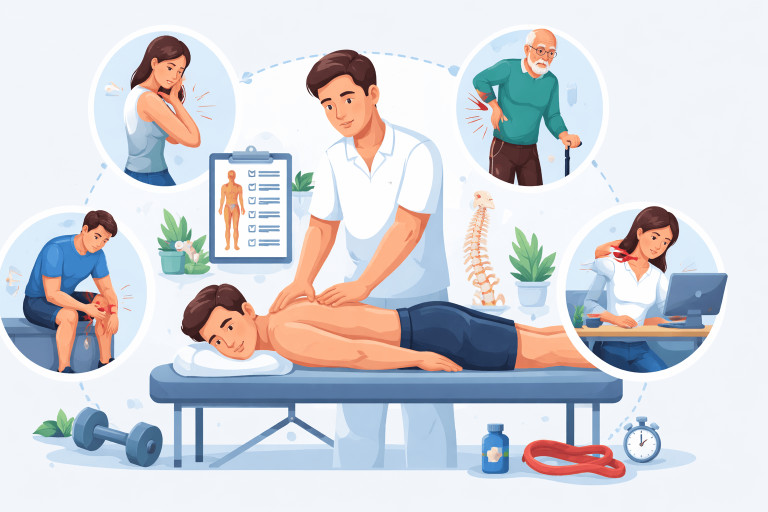
Detailed Assessment
A good physiotherapist does not start treatment immediately.
We check:
Joint mobility
We check how freely and smoothly your joints move. Restricted mobility often causes stiffness, pain, or compensation in other body parts. Identifying this helps us restore natural movement safely rather than just masking symptoms.
Muscle strength
Weak muscles often overload joints and lead to recurring pain. Through structured strength testing, we identify imbalances and design targeted exercises to rebuild stability and long-term support, which is a key focus at the top physiotherapy clinic in Ahmedabad.
Posture analysis
Poor posture, especially from prolonged sitting or screen time, can silently strain your spine and shoulders. A detailed posture assessment helps us correct alignment issues that commonly trigger chronic pain.
Movement pattern
We observe how you sit, walk, bend, and lift — because pain is often linked to how you move, not just where it hurts. Correcting faulty movement patterns prevents repeated stress and future injury.
Neurological signs
If symptoms include numbness, tingling, or radiating pain, we assess nerve function carefully. This ensures we identify whether the issue is muscular or nerve-related and refer to a specialist when necessary for your safety.
Pain Reduction Phase
Techniques may include:
Manual therapy
This involves skilled hands-on techniques to improve joint movement and reduce stiffness. It helps restore natural mobility and decrease pain by addressing mechanical restrictions — not just relaxing muscles temporarily.
Electrotherapy
Controlled electrical stimulation is used to reduce pain, inflammation, and muscle spasm. It supports early pain relief, especially in acute conditions, but is always combined with active rehabilitation for lasting results.
Soft tissue release
Targeted pressure techniques help relieve tight muscles and improve blood circulation. This is especially helpful when chronic muscle tension is contributing to restricted movement or discomfort.
Dry needling
A fine sterile needle is used to release trigger points in tight muscles. It can reduce deep muscular pain effectively, but is only recommended after proper assessment and when clinically appropriate.These methods reduce inflammation and muscle spasm — but this is only the first step.
Corrective Exercise Therapy
This is the most important stage. Research published by the National Institutes of Health (NIH) shows that structured therapeutic exercise significantly improves functional outcomes in chronic musculoskeletal pain.
Exercises may include:
Core stabilization
Your core muscles support your spine like a natural brace. When they are weak, back pain often keeps returning. Core stabilization exercises improve spinal support, reduce strain, and help you move with confidence again.
Strengthening weak muscle groups
Pain often develops because some muscles are overworking while others are weak. We identify these imbalances and design targeted strengthening programs to restore proper joint support and prevent repeated injury.
Mobility drills
Stiff joints and tight muscles limit smooth movement and increase stress on surrounding areas. Gentle, controlled mobility exercises improve flexibility and allow your body to move more naturally without discomfort.
Balance training
After injury or with age-related changes, balance can decline. Specific balance exercises improve coordination, reduce fall risk, and rebuild confidence during daily activities like walking or climbing stairs.
Functional movement retraining
It’s not just about exercising it’s about moving correctly in real life. We retrain everyday movements such as sitting, bending, lifting, and walking to reduce strain and prevent pain from returning.
Long-Term Prevention Plan
Most patients improve in:
- 2–4 weeks for mild conditions
- 6–8 weeks for moderate cases
- 8–12+ weeks for chronic conditions
Transparency about timelines builds trust. Recovery depends on:
- Severity
- Patient compliance
- Age
- Overall health
No clinic can ethically promise “100% guaranteed cure in 5 days.”
Real Patient Scenario
A 42-year-old office professional came with severe lower back pain. He had taken medication for 6 months. Pain reduced temporarily but returned after sitting for long hours.
Assessment showed:
- Weak core muscles
- Tight hamstrings
- Poor sitting posture
Instead of only giving heat therapy, the treatment plan included:
- Core strengthening
- Posture correction drills
- Ergonomic guidance
- Progressive loading exercises
Within 5 weeks:
- Pain reduced by 70%
- Sitting tolerance improved
- No recurrence after 3 months follow-up
What worked?
Correcting the root cause.
What did not work?
Only resting and taking medication.
Myths vs Facts About Physiotherapy
Myth: Physiotherapy is only massage.
Fact: It is a science-based rehabilitation method.
Myth: Rest is best for back pain.
Fact: Controlled movement improves recovery faster.
Myth: Surgery is always required for slip disc.
Fact: Many cases improve with conservative physiotherapy unless neurological deficits are severe.
Myth: Pain means damage.
Fact: Sometimes pain is due to dysfunction, not structural damage.
When Should You See a Physiotherapist?
Consult immediately if:
- Pain lasts more than 7–10 days
- Pain radiates to arms or legs
- Numbness or tingling occurs
- Joint stiffness limits daily activities
- You had recent surgery
Medical referral is necessary if:
Progressive weakness develops
If muscle weakness gradually worsens over days or weeks, it may indicate a serious neurological or spinal condition. Early medical evaluation is essential to prevent further damage and guide timely treatment.
Loss of bladder/bowel control occurs
Sudden or new loss of bladder or bowel control can signal nerve compression or spinal cord involvement. This is a medical emergency and requires immediate hospital assessment.
Severe trauma history exists
If symptoms begin after a major fall, accident, or head/spine injury, internal damage may be present even if pain seems mild. Prompt medical imaging and specialist evaluation are strongly recommended.
Why Varia Physiotherapy Clinic in Ahmedabad?
While searching for the Best Physiotherapy Clinic in Ahmedabad, patients often ask:
“What makes you different?”
At Varia Physiotherapy Clinic:
- Evidence-based treatment protocols are followed
- Individualized rehab programs are created
- Detailed patient education is provided
- Long-term prevention strategies are emphasized
- Focus is on functional recovery, not temporary relief
Conclusion
If pain is limiting your daily life, do not ignore it. Early intervention prevents minor issues from turning into long-term chronic problems.
If you are searching for the Best Physiotherapy Clinic in Ahmedabad, choose a clinic that prioritizes detailed assessment, evidence-based treatment, and long-term recovery not temporary shortcuts.
📍 Book a consultation at Varia Physiotherapy Clinic and take the first step toward restoring comfortable movement and preventing future recurrence.
Your recovery begins with understanding the root cause — not just treating the symptom.
Best Physiotherapy Clinic In Ahmedabad
- FAQs