
Home Physiotherapy Services In Ahmedabad
Recovering from pain is difficult. Traveling in pain is even harder.
Many adults between 30–65 in Ahmedabad delay physiotherapy simply because commuting to a clinic feels exhausting — especially after surgery, during severe back pain, knee arthritis, stroke recovery, or mobility limitations.
At Varia Physiotherapy Clinic, we often meet patients who say:
“If someone could just treat me at home, I would have started earlier.”
This is where Home Physiotherapy Services In Ahmedabad become not just convenient — but medically valuable.
This article explains who truly benefits, what works, what doesn’t, and how safe, structured home physiotherapy should be delivered.
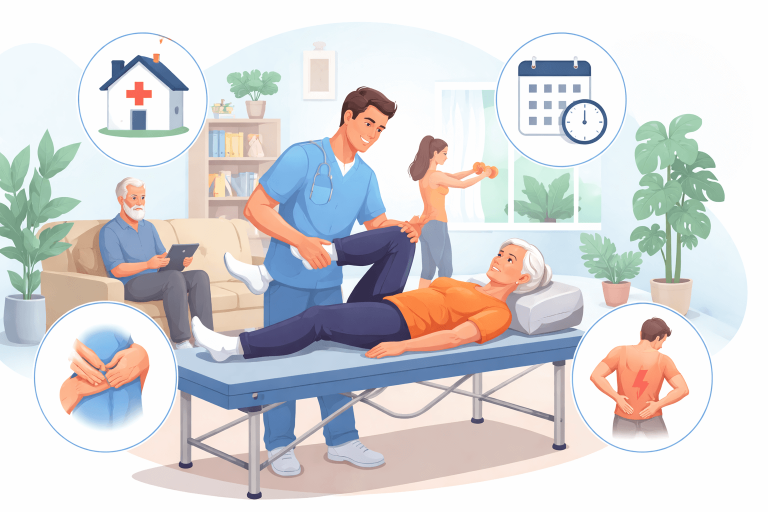
Why Do People Need Home Physiotherapy?
Home physiotherapy is not just for elderly patients. In our clinical experience, common cases include:
Post knee or hip replacement rehabilitation
After knee or hip replacement surgery, guided rehabilitation is essential for restoring strength, mobility, and confidence in walking. Physiotherapy focuses on safe movement, joint stability, and gradual return to daily activities while protecting the new joint.
Stroke recovery (neuro rehabilitation)
Stroke can affect movement, balance, and coordination. Neuro physiotherapy helps retrain the brain and muscles through structured exercises, improving mobility, independence, and the ability to perform everyday tasks safely.
Severe slip disc pain
A slipped disc can cause intense back pain, nerve irritation, and difficulty with basic movements. Physiotherapy focuses on relieving pressure on the affected nerve, reducing pain, and strengthening spinal support to prevent further episodes.
Advanced arthritis
In advanced arthritis, joint pain, stiffness, and reduced mobility can significantly impact quality of life. Physiotherapy aims to reduce joint stress, improve flexibility and strength, and help individuals move more comfortably during daily activities.
Post-fracture stiffness
After a fracture heals, joints and surrounding muscles often become stiff due to immobilization. Physiotherapy gradually restores joint mobility, rebuilds strength, and helps patients safely return to normal movement.
Patients advised limited mobility after surgery
Some surgeries require temporary movement restrictions to protect healing tissues. Physiotherapists guide patients through safe positioning, gentle exercises, and gradual mobility to prevent stiffness, weakness, and circulation problems.
Individuals with balance issues or fall risk
Balance problems can increase the risk of falls, especially in older adults or neurological conditions. Physiotherapy focuses on strength, coordination, and balance training to improve stability and support safer movement at home and outdoors.
According to the World Health Organization, musculoskeletal and neurological conditions are leading causes of disability globally. Early rehabilitation significantly improves long-term function.
Delaying rehab often leads to:
- Muscle wasting
- Joint stiffness
- Reduced confidence in movement
- Slower overall recovery

What Home Physiotherapy Is And What It Is Not
There is a misconception that home physiotherapy means only massage or machine therapy. That is not correct.
Evidence-based physiotherapy includes:
Detailed assessment
Every physiotherapy program begins with a thorough assessment of pain, movement patterns, strength, and medical history. This helps the physiotherapist understand the root cause of the problem and design a safe, personalized treatment plan.
Goal-oriented exercise planning
Exercises are planned based on the patient’s specific goals, such as reducing pain, improving mobility, or returning to daily activities. The program is structured and progressive to ensure safe and effective recovery.
Functional retraining
Functional retraining focuses on restoring everyday movements like walking, sitting, standing, or climbing stairs. The aim is to help patients regain independence and perform daily tasks safely and confidently.
Progress tracking
Recovery is monitored regularly through movement tests, pain assessment, and functional improvements. This ensures the treatment plan is adjusted when needed, helping patients achieve steady and measurable progress.
Research available through the National Institutes of Health shows structured therapeutic exercise improves mobility, strength, and recovery outcomes when consistently applied.
Home physiotherapy works best when it provides structured, home-based physiotherapy support for recovery similar to clinic-level care.

How Home Physiotherapy Helps (Step-by-Step Approach)
Detailed Assessment at Home
A professional physiotherapist evaluates:
- Joint mobility
- Muscle strength
- Posture
- Gait (walking pattern)
- Balance
- Neurological signs (if required)
Treatment should never begin without assessment.
Pain Management Phase
Depending on the condition:
- Manual therapy techniques
- Gentle mobilization
- Soft tissue release
- Electrotherapy (portable devices when appropriate)
This reduces pain and prepares the body for active rehabilitation.
Structured Rehabilitation Plan
This is where real recovery happens.
Programs may include:
- Strengthening weak muscles
- Core stabilization
- Balance training
- Mobility drills
- Functional movement retraining
For stroke or neurological cases:
- Task-specific training
- Gait correction
- Coordination exercises
Progress Monitoring
Recovery timelines vary:
- Post-surgery rehab: 6–12 weeks
- Mild back pain: 3–6 weeks
- Stroke rehabilitation: 3–6 months or longer
We always explain realistic expectations. No ethical clinic promises instant results.

Real Patient Scenario
A 62-year-old patient underwent knee replacement surgery. Traveling to a clinic was painful and difficult.
During home physiotherapy:
- Early mobilization began within the safe surgical protocol
- Quadriceps strengthening was introduced gradually
- Stair training was practiced inside the house
Within 8 weeks:
- Walking improved significantly
- Swelling reduced
- Confidence increased
What worked?
Consistency + structured progression.
What did not work?
Complete rest and fear of movement.
Common Myths About Home Physiotherapy
Myth 1: Home physiotherapy is less effective than clinic treatment.
Fact: When performed correctly, structured home rehab can be equally effective.
Myth 2: Only elderly patients need home physiotherapy.
Fact: Post-surgical and acute pain patients benefit greatly.
Myth 3: More machines mean better recovery.
Fact: Correct exercise progression matters more than machines.

When Is Medical Referral Necessary?
Physiotherapy is safe, but referral is essential if:
- Sudden severe neurological weakness develops
- Loss of bladder or bowel control occurs
- Post-surgical complications arise
- Symptoms worsen rapidly
At Varia Physiotherapy Clinic, patient safety always comes first.
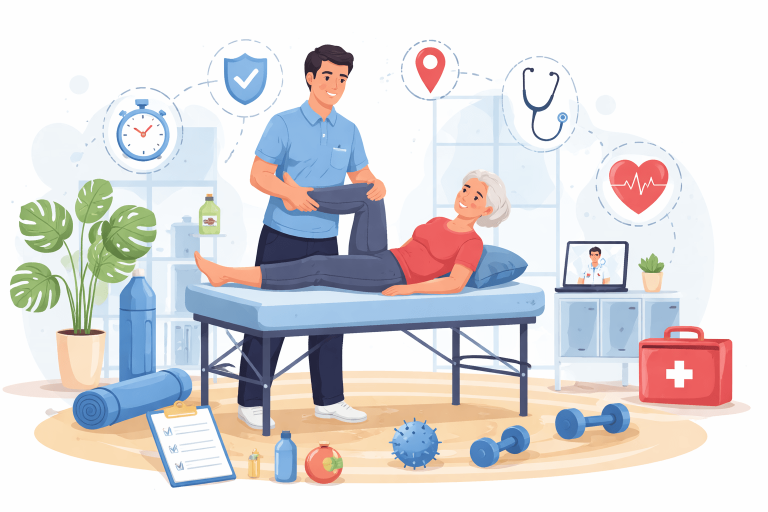
What Makes Professional Home Physiotherapy Reliable?
When choosing Home Physiotherapy Services In Ahmedabad, ensure:
- Qualified physiotherapist (BPT/MPT)
- Experience in relevant condition
- Structured treatment plan
- Clear documentation
- Progress tracking
- Transparent communication
At Varia Physiotherapy Clinic, home sessions follow the same evidence-based protocols used in clinic care.

Conditions We Commonly Treat at Home
Chronic back pain
Chronic back pain is persistent discomfort in the spine lasting more than 12 weeks. It can affect daily activities like sitting, walking, or sleeping. Physiotherapy focuses on identifying the root cause, improving posture, strengthening muscles, and restoring safe movement.
Knee osteoarthritis
Knee osteoarthritis occurs when the protective cartilage in the knee gradually wears down, leading to pain, stiffness, and reduced mobility. Physiotherapy helps reduce joint stress, improve strength around the knee, and support better movement during everyday activities.
Stroke rehabilitation
After a stroke, many people experience weakness, balance problems, or difficulty with movement. Stroke rehabilitation through physiotherapy focuses on retraining the brain and body to improve mobility, independence, and confidence in daily tasks.
Parkinson’s-related mobility issues
People with Parkinson’s disease often experience stiffness, slow movement, and balance difficulties. Physiotherapy uses guided exercises, movement training, and balance strategies to help maintain mobility and reduce the risk of falls.
Post-fracture stiffness
After a fracture heals, joints and surrounding muscles can become stiff due to immobilization. Physiotherapy gradually restores range of motion, rebuilds strength, and helps the individual safely return to normal activities.
Post-operative recovery
Following surgery, the body needs guided rehabilitation to heal properly and regain strength. Physiotherapy supports recovery by improving mobility, preventing complications like stiffness, and helping patients return to daily life safely.
Advantages of Home Physiotherapy
- Comfort of familiar environment
- Reduced travel strain
- Family involvement in recovery
- Safer for elderly patients
- Better adherence to exercise routine
Most importantly — patients feel less anxious and more confident.
CONCLUSION
If travel is limiting your recovery, delaying treatment may worsen stiffness and weakness.
Early intervention improves long-term outcomes.
If you are searching for Home Physiotherapy Services In Ahmedabad, choose qualified professionals who focus on structured rehabilitation — not shortcuts.
📍 Contact Varia Physiotherapy Clinic to schedule a professional home assessment and begin safe, evidence-based recovery at your doorstep.
Your healing should not be delayed by distance.
Home Physiotherapy Services In Ahmedabad - FAQs
Q1. How many sessions are required?
Q2. Is home physiotherapy safe after surgery?
Q3. Do I need equipment at home?
Q4.Can stroke patients recover fully?
Q5. Is home physiotherapy more expensive?
About the Author

Dr. Hetal M Varia
After a rich experience of working in US healthcare as manager and licensed physiotherapist in US for last 11 years, she has returned home with a vision to become pioneer of Vestibular Therapy and specialized Parkinson physiotherapy in Ahmedabad. With her special skills and expertise in vertigo, Parkinson, balance and movement disorders therapy, Dr. Varia is committed to provide US standards of therapy services , compassionate and patient centered care to our people and community. With a vision of the world where everyone walks strong & steady, she intends to empower individuals with vestibular and neurological disorders through specialized care, rehabilitation & innovative therapies to improve mobility, balance & overall quality of life!