Dry Needling Physiotherapy In Ahmedabad
Dry needling has become a commonly discussed treatment for muscle pain, stiffness, and trigger points. Many patients walk into my clinic in Ahmedabad asking one of two things:
“Doctor, will dry needling reduce my pain quickly?” or “I’ve heard it’s painful — should I avoid it?” Both are fair questions.
Dry needling is neither a miracle cure nor something to fear. When used correctly, for the right person, at the right time, it can be a very effective part of physiotherapy. When used blindly, it adds little value.
This guide explains dry needling from real clinical experience, not marketing language.
What Is Dry Needling in Physiotherapy?
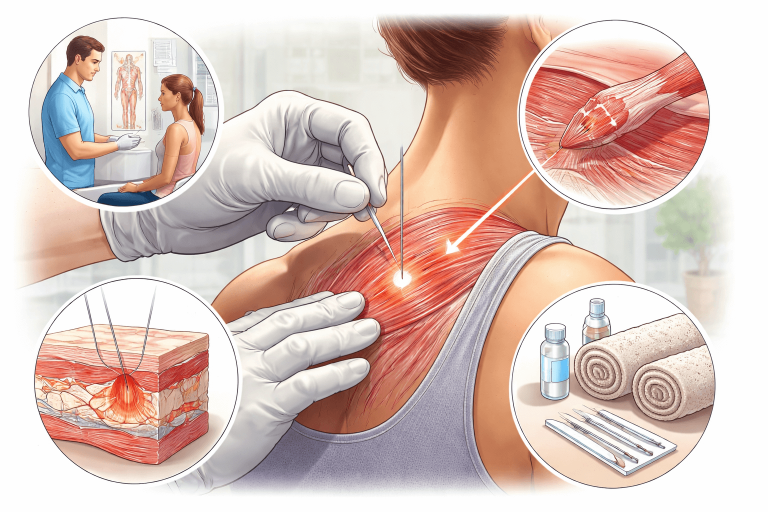
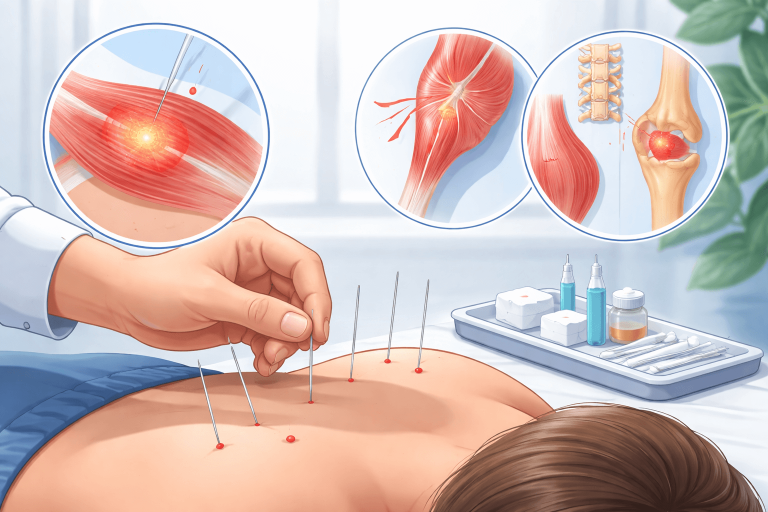
Dry needling is a technique where a thin, sterile needle is inserted into specific tight or sensitive muscle points (often called trigger points). There is no medicine injected — which is why it’s called “dry.”
The goal is to:
- Reduce muscle tension
- Improve local blood flow
- Decrease pain sensitivity
- Allow better movement and exercise response
It is a tool, not a standalone treatment.
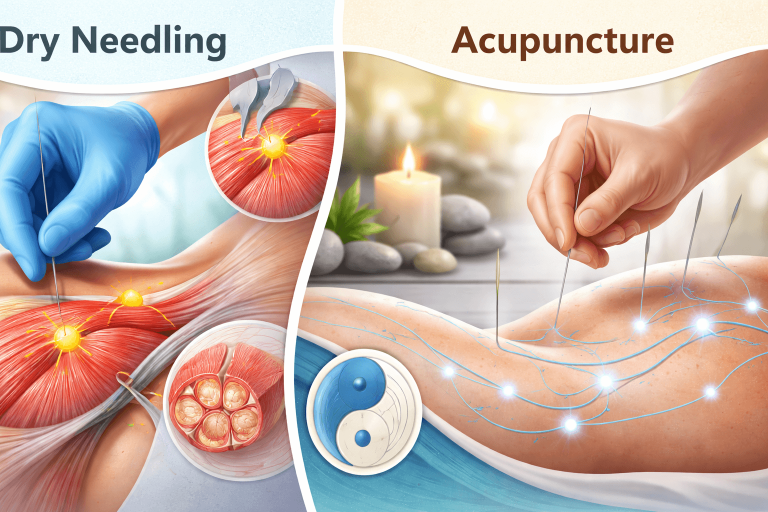
How Dry Needling Is Different From Acupuncture
This is a common source of confusion.
- Dry needling is based on modern anatomy, muscle physiology, and pain science
- Acupuncture is based on traditional Chinese medicine and energy pathways
In physiotherapy, dry needling is used to support rehabilitation, not replace it.
When Dry Needling Is Actually Helpful
In practice, dry needling works best in cases where pain is strongly linked to muscle overactivity or trigger points.
Common Conditions Where It Helps
- Neck and shoulder tightness
- Upper back pain
- Low back muscle spasm
- Tension headaches
- Sports-related muscle tightness
Chronic pain with muscle guarding
Patients often describe:
“The muscle finally feels like it let go.” That response is expected — but temporary if not followed by active rehab.
When Dry Needling Is NOT the Right Solution
This is equally important.
Dry needling is not the answer when:
Pain is primarily joint-related (arthritis alone)
When pain comes mainly from joint degeneration, muscle release alone offers limited benefit. Long-term improvement usually depends more on strength, movement control, and load management. That’s why it’s important to find the right physiotherapy care for your condition, rather than relying on a single technique for lasting results.
Nerve compression is the main issue
If symptoms like numbness, tingling, or sharp radiating pain dominate, the problem is often nerve sensitivity rather than muscle tightness. In such cases, nerve-specific rehabilitation is more effective than needling.
There is poor movement control or weakness
Pain linked to weakness or poor coordination improves only when movement patterns are retrained. Without active strengthening, passive techniques tend to give short-lived relief.
The problem is purely postural or load-related
When pain is driven by daily habits or excessive load, correcting posture and activity patterns is key. Addressing muscle tension alone won’t prevent symptoms from returning.
How Dry Needling Is Used in a Proper Physiotherapy Plan
Here’s how it should be done — step by step.
Step 1: Clinical Assessment First (Always)
Before any needle is used, we assess:
- Pain pattern
- Muscle tone and trigger points
- Joint mobility
- Nerve involvement
- Movement habits
Dry needling without assessment is guesswork.
Step 2: Selective Application (Not Everywhere)
We needle specific muscles, not every painful area. More needles ≠ better results. The aim is to reduce sensitivity so the body can move better.
Step 3: Movement & Exercise Immediately After
This is where many clinics go wrong.
After dry needling:
- Gentle movement
- Stretching
- Activation exercises
This helps the muscle relearn normal function instead of tightening again.
Step 4: Integration Into Long-Term Rehab
Dry needling may be used:
- Early to reduce pain
- Occasionally during rehab plateaus
But the main progress always comes from movement, strength, and control.
Does Dry Needling Hurt?
Most patients feel:
A brief prick
Most people feel a quick, momentary sensation as the needle enters the skin. It is usually short-lived and settles within seconds.
Mild twitch or soreness
A small muscle twitch or mild soreness can occur when a tight area responds. This reaction is normal and often indicates the muscle is releasing tension.
Temporary heaviness
Some patients notice a heavy or tired feeling in the treated area afterward. This typically fades within a day as the muscle relaxes and circulation improves.
It is not usually painful, and discomfort settles quickly. Post-treatment soreness (like after exercise) can last 24–48 hours and is normal.
Is Dry Needling Safe?
Safety depends on:
Proper anatomy knowledge
A clear understanding of muscles, nerves, and nearby structures ensures the needle is placed accurately and safely. This reduces risk and improves treatment effectiveness.
Sterile technique
Using single-use needles and clean procedures helps prevent infection. Maintaining hygiene is essential for patient safety and professional care standards.
Correct patient selection
Not every condition benefits from dry needling. Choosing the right patients ensures the technique supports recovery rather than providing unnecessary or ineffective treatment.
This is why dry needling should only be done by professionals with formal training, not as a casual add-on.
Real Case Example From Practice
Case: 34-year-old Female, Ahmedabad
Complaint: Chronic neck and upper back pain for 8 months
Tried: Massage, painkillers, rest
Assessment showed:
- Persistent muscle trigger points
- Poor postural endurance
Treatment:
- Dry needling for upper trapezius and scapular muscles
- Postural strengthening
- Workstation correction
Outcome:
- Pain reduced significantly within 2 weeks
- Better tolerance to work
- Sustained improvement with exercises
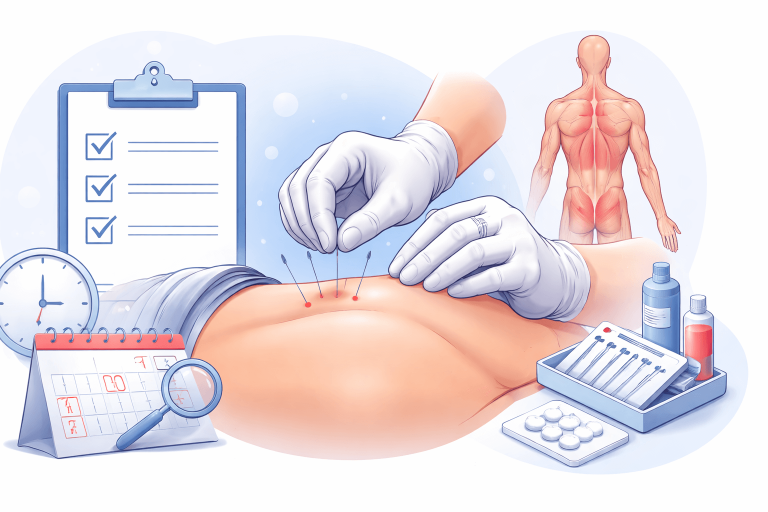
How Many Sessions of Dry Needling Are Needed?
There is no fixed number.
Typically:
- Some relief may be felt after 1–2 sessions
- 2–4 sessions are enough for most muscle-related issues
- Overuse without rehab offers diminishing returns
If dry needling is done session after session with no active plan, that’s a red flag.
Common Myths About Dry Needling
- “It cures pain permanently”
- “More needles mean faster recovery”
- “It replaces exercises”
- “It’s unsafe or dangerous”
- The truth lies in how and why it’s used.
How to Choose the Right Physiotherapy Clinic in Ahmedabad for Dry Needling
Before starting, ask:
- Is dry needling part of a rehab plan or the main treatment?
- Is assessment done before needling?
- Are exercises explained and progressed?
- Does the therapist have formal training?
Dry needling should support recovery — not distract from it.
Final Thoughts From a Practicing Physiotherapist
Dry needling can be extremely helpful — when used with purpose.
In my experience:
- It works best for muscle-driven pain
- It works poorly when used alone
- It works longest when paired with movement correction
If you’re considering dry needling physiotherapy in Ahmedabad, choose a clinic that treats the reason your muscle is tight, not just the tight muscle itself.
Dry Needling Physiotherapy In Ahmedabad
- FAQs
References