Important: Common Side Effects of Physiotherapy You Should Know
Physiotherapy is often recommended as a safe, non-surgical way to recover from pain, injury, or neurological conditions. Yet many patients walk into their first session with a quiet worry: Will this make my pain worse?
As a physiotherapist who treats musculoskeletal injuries, vertigo, neurological conditions, stroke recovery, Parkinson’s disease, and chronic pain every day, I can say this honestly:
Physiotherapy can cause temporary discomfort — but harmful side effects are rare when therapy is done correctly.
The problem is not physiotherapy itself. The problem is poor assessment, wrong technique, or unrealistic expectations.
This article explains:
- What side effects are normal
- What side effects are not
- Why they happen
- What you should do if symptoms worsen
- When physiotherapy is not enough on its own
First, an Important Clarification
Physiotherapy is not a pill. It is a physical stress applied to the body to stimulate healing, strength, balance, or nerve recovery.
Just like starting exercise after a long break, your body may react — especially in the early phase. That reaction is often mistaken for a “side effect,” which is why understanding physiotherapy safety and side effects helps patients distinguish between normal adaptation and signs that need professional review.
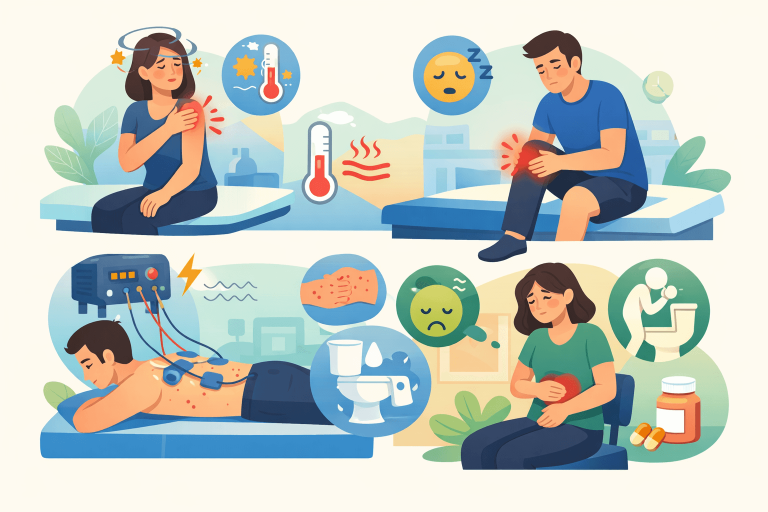
Common and Usually Temporary Side Effects of Physiotherapy
1. Mild Increase in Pain or Soreness
What patients feel:
Aching muscles
You may feel a dull ache after therapy because muscles that haven’t been used or moved properly are being reactivated. This is a normal response as the body adapts and starts repairing itself. The discomfort should ease within a day or two, not steadily worsen.
Heaviness
A feeling of heaviness often comes from muscle fatigue or increased blood flow after exercises. It can feel strange, especially if the area has been weak or inactive for a long time. This sensation usually improves with rest and regular, guided movement.
Local tenderness after a session
Tenderness around the treated area can happen when tight tissues are mobilized or healing structures are stimulated. It’s a sign that the area has been worked on, not injured—when you explore safe physiotherapy practices in Ahmedabad, you’ll see that gentle movement and following your therapist’s advice usually helps it settle quickly.
Why it happens:
- Muscles and joints that haven’t moved properly for months or years are being activated again
- Micro-stress triggers healing and adaptation
Clinical reality:
This typically settles within 24–72 hours. If pain keeps increasing session after session, something needs to be reassessed.
Doctor’s insight:
Pain that slowly improves week by week is acceptable. Pain that escalates is not.
2. Muscle Fatigue or Weakness
What patients feel:
- “My body feels tired”
- Legs feel shaky after balance or strengthening work
Why it happens:
- Deconditioned muscles are being retrained
- Common in post-surgical, stroke, Parkinson’s, or long-term pain patients
3. Temporary Stiffness
Often noticed:
- The morning after therapy
- After mobilization or stretching sessions
This is not joint damage. It is a short-term response of soft tissues adjusting to movement.
4. Dizziness or Light-Headedness (Especially in Vertigo Treatment)
Seen in:
- Vestibular rehabilitation
- Balance training
- Cervical spine treatment
Why it happens:
The brain is being retrained to process balance signals correctly.
- When done correctly, this dizziness is planned, controlled, and temporary.
- Persistent nausea, vomiting, or severe spinning is not normal and must be reported.
5. Emotional Ups and Downs
This is rarely talked about — but very real.
Patients recovering from:
- Stroke
- Chronic pain
- Long-term disability
may feel:
- Frustration
- Anxiety
- Emotional release during therapy
Rehabilitation challenges not just the body, but identity and independence.
Side Effects That Are NOT Normal (Red Flags)
Seek immediate reassessment or medical referral if you experience:
- Sharp, tearing pain during or after sessions
- Progressive numbness or weakness
- Loss of bladder or bowel control
- Severe night pain unrelated to movement
- Worsening neurological symptoms (speech, vision, coordination)
These are not physiotherapy side effects they may indicate an underlying medical issue.
Why Side Effects Happen More Than They Should
In my clinical experience, problems usually arise due to:
Generic Exercise Programs
Not every back pain, knee injury, or stroke patient is the same.
Poor Assessment
- Nerve involvement
- Joint instability
- Vascular or neurological red flags
Progressing Too Fast
More intensity does not mean faster recovery.
Home Exercise Mistakes
- Overdoing repetitions
- Wrong posture
- Ignoring pain signals
A Real Clinical Example (Anonymized)
A 52-year-old office worker came with shoulder pain. He had already tried physiotherapy elsewhere but stopped because:
“The exercises were increasing my pain.” On assessment, the issue wasn’t the shoulder muscle it was cervical nerve irritation.
Once therapy was redirected:
- Pain reduced within 2 weeks
- No further flare-ups
- Strength improved safely
The “side effect” was actually misdirected treatment
What Patients Should Do: Step-by-Step
Step 1: Expect Some Discomfort — But Track It
Ask yourself:
- Does pain settle within 48 hours?
- Is the overall function improving weekly?
Step 2: Communicate Honestly
Never hide pain thinking:“Maybe this is normal.” Good physiotherapy depends on feedback.
Step 3: Follow Home Advice Carefully
More is not better. Correct is better.
Step 4: Reassess If Symptoms Persist
If side effects last beyond 2–3 weeks, therapy must be modified.
When Physiotherapy Alone May NOT Be Enough
Physiotherapy works best when combined appropriately with:
Medical evaluation
A medical evaluation helps identify the exact cause of symptoms and rule out conditions that physiotherapy alone cannot address. It ensures your treatment plan is safe, appropriate, and aligned with your overall health, not just the painful area.
Imaging (when indicated)
Scans like X-rays or MRI are recommended only when symptoms suggest something more serious or when progress is not as expected. Imaging is used to guide decisions, not to label or scare patients unnecessarily.
Pain management
Pain management may be needed when pain is limiting movement or sleep, making rehabilitation difficult. The goal is not to mask symptoms, but to reduce pain enough so healing, exercise, and recovery can progress safely.
Neurology or orthopedic input
Specialist input is important when symptoms involve nerves, significant weakness, structural damage, or lack of expected improvement. Collaboration ensures no critical issue is missed and that care is based on sound medical reasoning.
Examples:
- Progressive nerve damage
- Uncontrolled inflammatory conditions
- Advanced degenerative disease
A responsible physiotherapist will refer, not persist blindly.
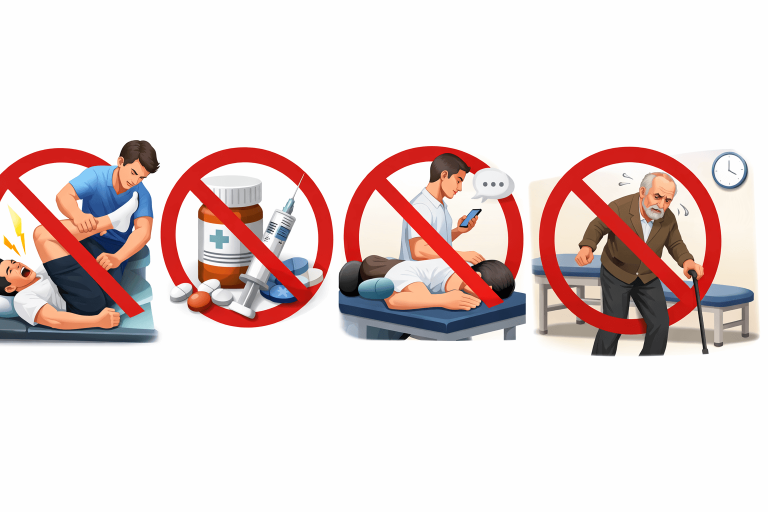
What Physiotherapy Should Never Do
Guarantee cures
No ethical healthcare professional can promise a guaranteed cure. Recovery depends on your condition, overall health, and how your body responds to treatment. Honest care focuses on realistic improvement, not false assurance.
Ignore worsening symptoms
If pain, weakness, or other symptoms are getting worse, they must be taken seriously. Ignoring these signs can delay proper diagnosis and harm recovery. Good physiotherapy adapts or pauses treatment when needed.
Push through severe pain
Severe or sharp pain is not a sign of effective treatment. Forcing exercises through intense pain can worsen injury or irritate nerves. Safe rehabilitation works within your tolerance, not against it.
Replace medical diagnosis
Physiotherapy supports recovery but does not replace medical diagnosis. Some conditions require medical tests, medications, or specialist care. Responsible therapists work alongside doctors to ensure complete and safe treatment.
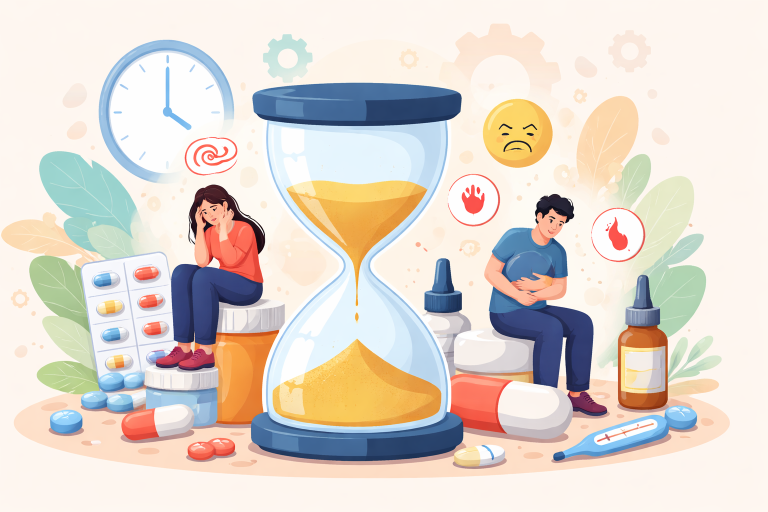
How Long Do Side Effects Usually Last?
Final Thoughts from a Clinician
Physiotherapy is one of the safest and most effective treatments when:
- Properly assessed
- Individually planned
- Progressed thoughtfully
Side effects are usually signals, not dangers — signals that guide better care. If therapy consistently worsens your condition, the answer is not to quit care —
it’s to get the right care.
Common Side Effects Of Physiotherapy - FAQs
References