
Understanding The Spinal Cord Injury Recovery Process: A Complete Guide
Spinal cord injuries can change life in an instant. A sudden fall, road accident, sports trauma, or even a medical condition affecting the spine can lead to loss of movement, pain, weakness, or difficulty performing daily activities. For many patients and families, one of the first questions is: “What does recovery look like?”
At Varia Physiotherapy Clinic in Ahmedabad, we meet many individuals who feel overwhelmed after a spinal cord injury. Some are unable to sit without support. Some struggle with walking. Others experience numbness, muscle stiffness, or loss of balance.
The truth is that recovery is not always linear—but with the right rehabilitation, consistency, and expert guidance, meaningful progress is possible.
This guide on Understanding The Spinal Cord Injury Recovery Process: A Complete Guide explains what happens after injury, how physiotherapy supports healing, and what realistic recovery may look like.
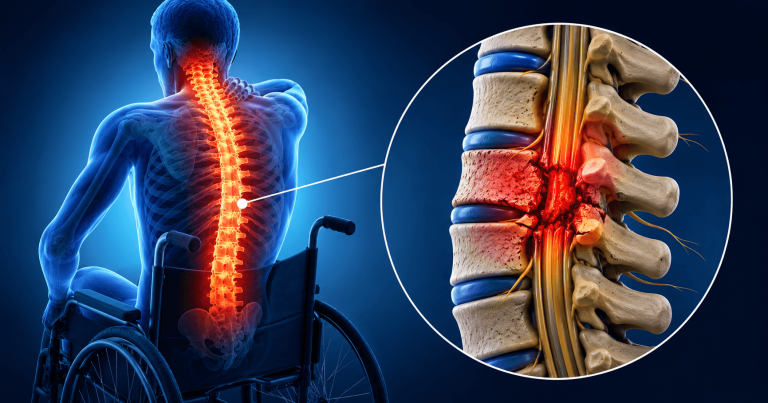
What Is a Spinal Cord Injury?
A spinal cord injury (SCI) happens when damage affects the spinal cord’s ability to send messages between the brain and body. Depending on the level and severity, it may cause:
- Weakness in arms or legs
- Paralysis
- Loss of sensation
- Muscle spasms
- Poor balance
- Bladder or bowel issues
- Chronic pain
According to the World Health Organization (WHO), hundreds of thousands of people worldwide experience spinal cord injuries each year, and early rehabilitation plays a major role in improving quality of life.
Spinal cord injuries are generally classified into:
Complete Injury
A complete spinal cord injury means there is a total loss of movement and sensation below the level of the injury because communication between the brain and body is fully disrupted. Recovery can be challenging, but physiotherapy focuses on improving independence, preventing complications, and helping patients adapt to daily life safely.
Incomplete Injury
An incomplete spinal cord injury means some nerve signals can still pass through the injured area, so partial movement or sensation remains. With early rehabilitation and consistent physiotherapy, many patients may experience improvements in strength, mobility, and functional abilities over time.

Common Causes of Spinal Cord Injury
Understanding the cause helps shape treatment and long-term recovery.
1. Road Traffic Accidents
Road accidents are one of the leading causes of spinal cord injuries, especially in busy cities where high-speed collisions are common. The sudden impact can fracture the spine or compress the spinal cord, leading to pain, weakness, or even loss of movement.
2. Falls
Falls are a major cause of spinal injuries, particularly in older adults, construction workers, and people working at heights. Even a single fall can put significant pressure on the spine and affect mobility or balance.
3. Sports Injuries
High-impact sports, diving accidents, and contact games can sometimes result in serious spinal trauma. These injuries may damage the vertebrae or spinal cord, making early medical attention and rehabilitation important for recovery.
4. Degenerative Conditions
Over time, age-related conditions like spinal stenosis, slipped discs, or arthritis can narrow the spinal canal and put pressure on the spinal cord. This gradual compression may cause numbness, weakness, or difficulty walking if left untreated.
5. Tumors or Infections
Although less common, tumors and spinal infections can affect the spinal cord by creating pressure or damaging surrounding tissues. Early diagnosis is important to prevent further complications and protect nerve function.
Understanding The Spinal Cord Injury Recovery Process: A Complete Guide to Healing Stages
Recovery usually happens in phases. Every patient heals differently depending on age, severity, and medical support.
Stage 1: Acute Medical Stabilization (First Days to Weeks)
This is the emergency phase where doctors focus on:
- Preventing further damage
- Stabilizing the spine
- Managing swelling
- Surgery if needed
At this stage, physiotherapy may begin with:
- Breathing exercises
- Passive limb movements
- Bed positioning
- Pressure sore prevention
Stage 2: Early Rehabilitation (Weeks to Months)
This is often where patients begin to regain strength.
At Varia Physiotherapy Clinic, our clinical assessment usually includes:
- Muscle strength grading
- Sensory testing
- Reflex examination
- Functional mobility assessment
- Balance analysis
Treatment may include:
- Range-of-motion exercises
- Neuromuscular stimulation
- Sitting balance training
- Transfer training
- Spasticity management
The goal is preventing stiffness while encouraging nerve recovery. Learning more about the spinal cord rehabilitation and recovery process can help patients understand how structured therapy supports long-term improvement.
Stage 3: Functional Recovery (3–12 Months)
This stage focuses on independence.
Depending on progress, therapy may include:
- Gait training
- Standing practice
- Core strengthening
- Weight-bearing exercises
- Walking with support devices
Research from the National Institutes of Health (NIH) shows that repetitive, task-specific rehabilitation helps improve neuroplasticity—the brain and spinal cord’s ability to adapt.
Stage 4: Long-Term Adaptation (1 Year and Beyond)
Some patients continue improving for years.
Long-term goals include:
- Improving endurance
- Preventing secondary complications
- Pain management
- Community reintegration
- Improving quality of life
This phase often includes home programs and maintenance physiotherapy.
How Physiotherapy Helps in Spinal Cord Recovery (Step-by-Step)
Physiotherapy is not just exercise—it’s structured recovery.
1. Preventing Muscle Wasting
After a spinal cord injury, reduced movement can quickly cause muscles to become weak and stiff. Physiotherapy uses guided exercises and targeted movements to keep muscles active, maintain strength, and support better long-term recovery.
2. Improving Mobility
Basic movements like turning in bed, sitting up, or moving from bed to chair are often the first steps toward independence. Through structured rehabilitation, physiotherapists help patients rebuild these essential movements safely and confidently.
3. Restoring Balance
Spinal cord injuries can affect posture, coordination, and trunk control, making everyday activities difficult. Balance training helps improve stability, reduce the risk of falls, and build confidence during movement.
4. Managing Spasticity
Muscle stiffness or tightness is common after spinal cord injuries and can limit mobility. Physiotherapy techniques such as stretching, proper positioning, and neuromuscular training help reduce spasticity and improve comfort.
5. Gait Retraining
For patients with incomplete spinal cord injuries, regaining walking ability may be possible with the right rehabilitation. Gait training focuses on improving walking patterns, strength, and coordination using tools like parallel bars, walkers, and supported walking exercises.
A Real Recovery Story from Varia Physiotherapy Clinic
A 42-year-old male patient came to our clinic after a motorcycle accident in Ahmedabad. He had weakness in both legs and needed support to sit.
During his first assessment:
- Muscle strength was low
- Trunk control was poor
- He had significant stiffness
Our treatment plan included:
- Passive mobilization
- Core stability exercises
- Sitting balance drills
- Standing frame training
- Progressive gait exercises
After three months of consistent therapy:
- He could sit independently
- Transfer with minimal assistance
- Stand with support
At six months:
- Walking short distances with a walker became possible
This is not a promise of recovery for everyone, but it shows how structured rehabilitation can improve function.
Myths vs Facts About Spinal Cord Injury Recovery
Myth: Recovery stops after six months.
Fact: Recovery can continue for years, especially with consistent therapy.
Myth: Paralysis means no improvement is possible.
Fact: Many incomplete injuries improve significantly.
Myth: Rest is better than movement.
Fact: Controlled movement supports healing and prevents complications.
Myth: Surgery alone is enough.
Fact: Surgery stabilizes the spine. Rehabilitation restores function.
When Should You See a Physiotherapist?
Early intervention often improves outcomes.
See a physiotherapist if you have:
- Weakness after spinal trauma
- Tingling or numbness
- Difficulty walking
- Loss of balance
- Muscle stiffness
- Reduced coordination
You may also need referral to an orthopedic specialist or neurologist if:
- Symptoms worsen suddenly
- There is severe pain
- Bowel/bladder changes occur
- Progressive weakness develops
At Varia Physiotherapy Clinic, we work collaboratively with medical specialists when necessary.
Realistic Recovery Timelines
Patients often ask, “How long will it take?”
The answer depends on:
- Type of injury
- Severity
- Age
- Overall health
- Speed of treatment
- Rehabilitation consistency
General timelines:
- 0–3 months: early healing and muscle activation
- 3–6 months: strength and function improvements
- 6–12 months: better mobility and independence
- 12+ months: continued adaptation and refinement
Progress varies greatly. The goal is not perfection—it’s improving independence.
Conclusion
Spinal cord injury recovery can be physically and emotionally challenging, but progress is possible with timely care, expert rehabilitation, and patience.
At Varia Physiotherapy Clinic in Ahmedabad, we focus on evidence-based physiotherapy, individualized treatment planning, and realistic goal setting to help patients regain mobility, confidence, and independence.
If you or a loved one is dealing with spinal weakness, mobility loss, or recovering after spinal trauma, early assessment can make a meaningful difference.
Book a professional consultation to understand your condition and create a personalized rehabilitation plan.
Spinal Cord Injury Recovery Process- FAQs
1. Can spinal cord injuries heal completely?
2. How soon should physiotherapy start?
3. Is walking possible after spinal cord injury?
4. Does physiotherapy reduce pain after SCI?
5. How often should therapy be done?
About the Author

Dr. Hetal M Varia
After a rich experience of working in US healthcare as manager and licensed physiotherapist in US for last 11 years, she has returned home with a vision to become pioneer of Vestibular Therapy and specialized Parkinson physiotherapy in Ahmedabad. With her special skills and expertise in vertigo, Parkinson, balance and movement disorders therapy, Dr. Varia is committed to provide US standards of therapy services , compassionate and patient centered care to our people and community. With a vision of the world where everyone walks strong & steady, she intends to empower individuals with vestibular and neurological disorders through specialized care, rehabilitation & innovative therapies to improve mobility, balance & overall quality of life!