
How Spinal Cord Rehabilitation Works? Step-by-Step Recovery Guide
A spinal cord injury can change life in an instant.
One moment, you are walking, driving, working, or enjoying time with family. The next, simple movements like sitting, standing, or even turning in bed may feel impossible. For many patients and families, this sudden change brings fear, confusion, and countless questions.
One of the most common questions we hear at Varia Physiotherapy Clinic in Ahmedabad is How Spinal Cord Rehabilitation Works?
The answer is not always simple because every spinal cord injury is different. Recovery depends on the location of the injury, its severity, the patient’s age, medical history, and how early rehabilitation begins.
But one thing is clear: early, structured physiotherapy can make a significant difference in restoring mobility, reducing complications, and improving independence.
At Varia Physiotherapy Clinic, we regularly work with patients recovering from spinal trauma, post-surgical spinal conditions, nerve compression issues, and incomplete spinal cord injuries. Through personalized rehabilitation programs, we help patients rebuild strength, balance, and confidence—step by step.
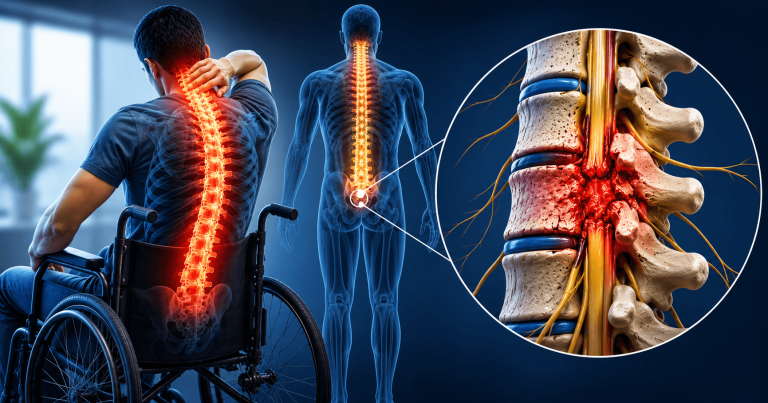
Understanding Spinal Cord Injury in Simple Words
The spinal cord acts like the body’s communication highway. It carries messages between the brain and the rest of the body. When this pathway gets damaged, those messages may slow down or stop.
This can affect:
- Movement
- Sensation
- Balance
- Bladder control
- Muscle coordination
- Daily activities
According to the World Health Organization, spinal cord injuries can lead to long-term disability if not managed properly. Early rehabilitation is considered essential for maximizing recovery.
Spinal cord injuries are usually classified into:
Complete Injury
A complete spinal cord injury means the brain’s signals can no longer travel below the injured area, resulting in a full loss of movement and sensation. Recovery often focuses on improving independence, preventing complications, and helping patients adapt safely to daily life through structured rehabilitation.
Incomplete Injury
An incomplete spinal cord injury means some nerve signals are still able to pass through the damaged area, which may allow partial movement or sensation to remain. With early physiotherapy, consistent rehabilitation, and medical support, many patients can improve strength, mobility, and functional independence over time. At our clinic, we often see patients with incomplete injuries where physiotherapy plays a critical role.
Common Causes of Spinal Cord Problems We See in Ahmedabad
Spinal cord rehabilitation is not only for major accidents.
Many patients at Varia Physiotherapy come with spinal dysfunction caused by:
1. Road Traffic Accidents
Road accidents are one of the most common causes of spinal cord injuries, often resulting from sudden impact or trauma to the back or neck. These injuries can range from mild nerve compression to severe damage affecting movement, sensation, and daily function.
2. Falls
Falls are a major cause of spinal injuries, especially in older adults, construction workers, and people with weak balance. A fall from height or even a simple slip can put significant pressure on the spine, sometimes leading to fractures or nerve damage.
3. Slip Disc and Severe Compression
A slipped disc happens when the cushioning disc between spinal bones presses on nearby nerves or the spinal cord. If left untreated, this pressure can cause pain, numbness, weakness, and difficulty with movement.
4. Post-Spinal Surgery Weakness
After spinal surgery, many patients experience temporary weakness, stiffness, or reduced mobility as the body heals. Guided physiotherapy is often essential to rebuild strength, restore movement, and improve confidence during recovery.
5. Stroke-Related Spinal Weakness
Although stroke affects the brain, it can lead to weakness, poor coordination, and mobility challenges that feel similar to spinal-related conditions. Rehabilitation helps patients improve muscle control, balance, and functional independence.
6. Degenerative Conditions
Age-related conditions like cervical myelopathy or spinal stenosis can gradually narrow the spinal canal and put pressure on nerves. Over time, this may cause pain, stiffness, balance issues, and difficulty performing everyday activities.
In many cases, pain is only one part of the problem. Weakness, numbness, stiffness, and poor balance often follow.
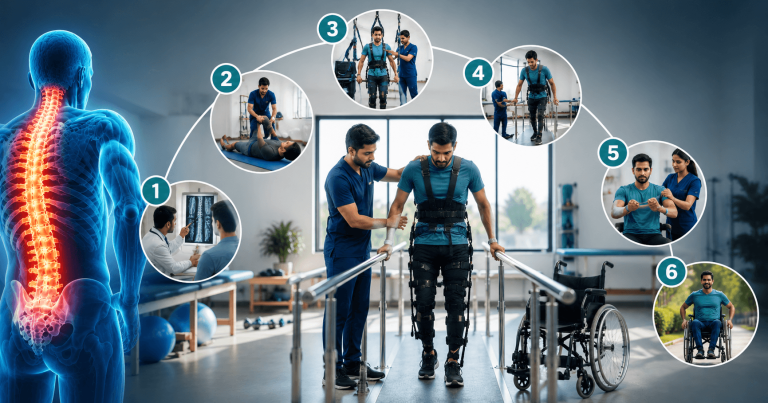
How Spinal Cord Rehabilitation Works? Step-by-Step Recovery Process
Understanding how spinal cord rehabilitation works helps patients stay realistic and motivated. Recovery is not about “quick fixes.” It is about retraining the nervous system.
Step 1: Detailed Clinical Assessment
At Varia Physiotherapy Clinic, every rehabilitation journey starts with a complete evaluation.
This includes:
- Muscle strength testing
- Sensory assessment
- Reflex testing
- Joint mobility analysis
- Balance assessment
- Functional independence scoring
These tests help us understand what the nervous system can still do. Sometimes, if we suspect worsening nerve compression, unexplained weakness, or red flag symptoms, we refer patients to an orthopedic surgeon or neurologist before continuing therapy. This is important for patient safety.
Step 2: Pain and Spasticity Management
Before active movement starts, pain and muscle tightness need control.
We use:
- Gentle stretching
- Positioning techniques
- Manual therapy
- Electrical stimulation
- Heat or cold therapy
This reduces stiffness and prepares muscles for movement.
Research from the National Institutes of Health supports early spasticity management to improve long-term mobility outcomes.
Step 3: Bed Mobility Training
This is where rehabilitation often begins.
Simple tasks include:
- Rolling in bed
- Sitting up
- Changing position safely
These may sound basic, but they are foundational. Without bed mobility, independence becomes difficult.
This stage also prevents:
- Bed sores
- Muscle wasting
- Joint stiffness
- Lung infections
Step 4: Strengthening Weak Muscles
One of the most important stages of how spinal cord rehabilitation works is rebuilding strength.
Exercises may include:
- Assisted leg raises
- Core strengthening
- Resistance band training
- Upper limb strengthening
- Functional movement drills
Stronger muscles support better movement patterns.
At Varia, exercises are always customized based on nerve recovery.
Step 5: Balance and Postural Control
Spinal injuries often affect trunk stability.
Patients may feel:
- Wobbly while sitting
- Unsafe while standing
- Fearful of falling
Balance training helps retrain body awareness.
This may involve:
- Sitting balance exercises
- Stability ball training
- Weight shifting
- Standing support drills
Improved balance reduces fall risk.
Step 6: Gait Training
Walking recovery depends on injury severity.
Some patients need:
- Parallel bars
- Walker support
- Body weight-supported treadmill training
- Assisted stepping drills
Gait retraining focuses on:
- Leg coordination
- Weight transfer
- Endurance
- Confidence
This is often one of the most emotional milestones for patients.
Step 7: Functional Independence Training
This is where rehabilitation becomes life-focused.
Patients relearn:
- Transfers from bed to chair
- Bathroom mobility
- Stair climbing
- Dressing movements
- Sitting tolerance
The goal is not just movement. It is independence.
A Real Patient Story from Varia Physiotherapy Clinic
A 47-year-old businessman from Ahmedabad came to us after a spinal surgery following a road accident.
He had:
- Severe leg weakness
- Difficulty standing
- Poor sitting balance
- Constant muscle stiffness
During the first two weeks, the focus was on improving bed mobility, reducing pain, and preventing stiffness. By the fourth week, he regained enough trunk control to sit independently, which was an important early milestone.
By the eighth week, with regular strengthening and balance training, he began standing with support. By the fourth month, he was able to walk short distances using a walker. His journey was gradual, with steady improvements over time—showing that in spinal rehabilitation, even small steps can lead to meaningful progress and greater independence.
Myths vs Facts About Spinal Cord Rehabilitation
Myth: If movement doesn’t return in one month, recovery is impossible.
Fact: Nerve healing can take months or even years.
Myth: Bed rest alone heals spinal injuries.
Fact: Prolonged inactivity can worsen weakness.
Myth: Surgery means physiotherapy is no longer needed.
Fact: Surgery stabilizes structure; rehabilitation restores function.
Myth: Pain always means damage.
Fact: Some pain can be part of the healing and adaptation process.
When Should You See a Physiotherapist?
Many patients wait too long.
Seek physiotherapy if you have:
- Persistent weakness after spinal surgery
- Numbness or tingling
- Difficulty walking
- Balance problems
- Muscle stiffness
- Trouble standing from sitting
- Reduced coordination
If you are experiencing weakness, numbness, or balance issues, understanding the spinal cord rehabilitation process can help you take the right treatment steps early.
Delaying rehabilitation can lead to:
- Permanent stiffness
- Muscle wasting
- Poor mobility habits
If symptoms include sudden bladder loss, severe paralysis, or rapid weakness progression, immediate neurological evaluation is necessary.
Read More: Spinal Cord Injury Rehabilitation Exercises: Regaining Strength, Mobility, And Independence
Related Treatments at Varia Physiotherapy Clinic
Depending on your condition, these services may help:
- Spinal Cord Rehabilitation in Ahmedabad
- Neurological Physiotherapy
- Post-Surgery Rehabilitation
- Bedridden Mobility Improvement
- Balance and Gait Training
These treatment programs are designed after detailed clinical assessments and tailored for each patient.
How Long Does Recovery Take?
This is one of the most common questions.
The truth:
Recovery varies.
Approximate timelines:
- Mild nerve compression: 6–12 weeks
- Post-surgical rehab: 2–6 months
- Incomplete spinal injury: 6 months to 2 years
- Severe neurological injury: longer-term management
Consistency matters more than speed. Recovery is rarely linear. Some weeks feel fast. Some feel slow. That is normal.
Seek urgent evaluation if you experience:
- Severe swelling within hours of injury
- Inability to bear weight
- Joint deformity
- Numbness or tingling
- Repeated joint “giving way”
These signs may indicate serious structural damage.
Conclusion
Understanding how spinal cord rehabilitation works is the first step toward making informed decisions about recovery. While a spinal cord injury can feel overwhelming, the right rehabilitation approach can help patients regain strength, improve mobility, and rebuild confidence in everyday life.
Recovery is rarely quick or predictable. For some, progress may mean walking again. For others, it may mean sitting independently, managing daily activities, or reducing pain and stiffness. Every milestone matters because each one brings a patient closer to greater independence and a better quality of life.
At Varia Physiotherapy Clinic in Ahmedabad, we believe rehabilitation should be patient-centered, realistic, and evidence-based. Through detailed assessments, personalized treatment plans, and consistent guidance, we help patients navigate recovery safely and effectively.
If you or your loved one is experiencing weakness, balance issues, mobility loss, or recovering after spinal surgery, seeking early physiotherapy support can make a meaningful difference. The sooner rehabilitation begins, the better the opportunity to maximize recovery and improve long-term function.
How Spinal Cord Rehabilitation Works - FAQs
1. Can physiotherapy help after spinal surgery?
2. Is walking possible after spinal cord injury?
3. When should rehabilitation start?
4. Is recovery painful?
5. Can older adults recover?
About the Author

Dr. Hetal M Varia
After a rich experience of working in US healthcare as manager and licensed physiotherapist in US for last 11 years, she has returned home with a vision to become pioneer of Vestibular Therapy and specialized Parkinson physiotherapy in Ahmedabad. With her special skills and expertise in vertigo, Parkinson, balance and movement disorders therapy, Dr. Varia is committed to provide US standards of therapy services , compassionate and patient centered care to our people and community. With a vision of the world where everyone walks strong & steady, she intends to empower individuals with vestibular and neurological disorders through specialized care, rehabilitation & innovative therapies to improve mobility, balance & overall quality of life!