
Mirror Therapy For Stroke Recovery Ahmedabad
Recovering after a stroke can feel overwhelming—not just physically, but emotionally too. Many patients in Ahmedabad who visit Varia Physiotherapy Clinic share a similar concern: “Will I regain movement in my hand or leg?” or “Why does my body not respond the way it used to?”
If you or a loved one are facing these challenges, understanding Mirror Therapy for Stroke Recovery Ahmedabad can offer hope grounded in science—not false promises. This blog explains how it works, who it helps, and what you can realistically expect.
Understanding Stroke Recovery: Why Movement Becomes Difficult
A stroke disrupts blood supply to parts of the brain responsible for movement and coordination. As a result, patients may experience:
- Weakness or paralysis on one side of the body
- Difficulty using the hand or arm
- Loss of coordination
- Reduced sensory awareness
- Pain or stiffness
What many patients don’t realize is that recovery isn’t just about muscles—it’s about retraining the brain.
This is where mirror therapy becomes valuable.
What is Mirror Therapy?
Mirror therapy is a neurorehabilitation technique that uses a mirror to create a visual illusion of movement in the affected limb.
Here’s how it works:
- A mirror is placed in the middle of the body
- The unaffected limb is reflected in the mirror
- The brain perceives this reflection as the affected limb moving normally
This visual feedback stimulates brain areas responsible for motor control, helping to rebuild neural connections.
Mirror Therapy for Stroke Recovery Ahmedabad: Why It Works
At Varia Physiotherapy Clinic, mirror therapy is not used in isolation—it’s part of a structured rehabilitation program.
The science behind it is supported by organizations like the National Institutes of Health and the World Health Organization, which recognize neuroplasticity as a key factor in stroke recovery.
The key principle: Neuroplasticity
Neuroplasticity is the brain’s ability to reorganize itself by forming new neural connections.
Mirror therapy helps by:
- Activating motor pathways even when physical movement is limited
- Reducing learned non-use of the affected limb
- Improving coordination and control over time
Step-by-Step: How Physiotherapists Use Mirror Therapy
At Varia Physiotherapy Clinic, treatment begins with a detailed clinical assessment:
1. Initial Evaluation
A detailed assessment helps physiotherapists understand the extent of impairment after a stroke. This includes checking muscle strength, joint mobility, coordination, and overall functional ability. Neurological evaluation ensures that the treatment targets the root cause, not just the symptoms.
- Muscle strength testing
- Range of motion assessment
- Functional ability (grasping, lifting, walking)
- Neurological examination
2. Customized Treatment Plan
Based on the assessment, a personalized rehabilitation plan is created to match the patient’s condition and goals. Mirror therapy is combined with strengthening, balance training, and functional exercises at a trusted physiotherapy clinic in Ahmedabad. This integrated approach improves both movement and independence in daily life.
Mirror therapy is combined with:
- Task-specific training
- Strengthening exercises
- Balance and coordination training
- Functional retraining (daily activities)
3. Guided Mirror Therapy Sessions
During sessions, patients perform specific movements while watching the reflection of their unaffected limb. This creates a visual illusion that helps retrain the brain and activate motor pathways. Over time, it encourages better control and coordination in the affected limb.
Patients perform movements such as:
- Opening and closing the hand
- Wrist rotations
- Finger tapping
- Reaching tasks
The unaffected limb performs the action while the mirror creates the illusion that the affected limb is moving.
4. Progress Monitoring
Recovery is closely tracked to ensure the treatment remains effective and goal-oriented. Physiotherapists assess improvements in movement quality, muscle activation, and daily function. Regular monitoring allows timely adjustments to optimize recovery outcomes, while mirror therapy for stroke recovery in Ahmedabad is used as an effective approach to enhance brain re-learning and functional recovery.
Therapists track improvements in:
- Movement quality
- Muscle activation
- Functional independence
Read More:- Best Physiotherapy Clinic In Ahmedabad
Real Patient Scenario from Ahmedabad
A 58-year-old male patient visited Varia Physiotherapy Clinic after a stroke affecting his right side.
His challenges:
- Could not open his right hand
- Difficulty holding objects
- Frustration due to slow progress
Treatment approach:
- Mirror therapy sessions (15–20 minutes daily)
- Functional hand exercises
- Electrical stimulation for muscle activation
- Home exercise program
Outcome after 8 weeks:
- Improved finger movement
- Ability to hold light objects
- Better confidence in daily activities
This case reflects a common pattern: consistent therapy leads to gradual but meaningful improvement.
Common Causes of Post-Stroke Movement Problems
Patients often ask why recovery varies so much. Several factors influence outcomes:
- Severity and location of the stroke
- Delay in starting rehabilitation
- Age and overall health
- Presence of conditions like diabetes or hypertension
- Consistency of therapy
Early intervention significantly improves recovery potential.
Myths vs Facts About Mirror Therapy
Myth 1: “It’s just a visual trick”
Mirror therapy is more than a simple illusion—it actively engages the brain’s motor cortex. By using visual feedback, it stimulates neural pathways responsible for movement. This supports neuroplasticity, helping the brain reorganize and recover function over time.
Myth 2: “It works instantly”
Recovery after a stroke is gradual and requires patience. With professional physiotherapy support in Ahmedabad, mirror therapy shows results through consistent practice over weeks or months. Small improvements build over time, leading to meaningful functional gains.
Myth 3: “It replaces physiotherapy”
Mirror therapy is not a standalone treatment but part of a broader rehabilitation plan. It works best when combined with strengthening, balance training, and functional exercises. A holistic approach ensures better and more sustainable recovery.
Myth 4: “Only severe cases need it”
Mirror therapy is effective for a wide range of stroke patients, not just severe cases. Even individuals with mild to moderate impairments can benefit significantly. Early use can enhance recovery and prevent long-term movement limitations.
When Should You Start Physiotherapy?
You should consider starting physiotherapy if you notice:
- Weakness after stroke
- Difficulty moving arms or legs
- Poor coordination
- Reduced independence in daily tasks
Seek immediate professional help if:
- There is no improvement after a few weeks
- Severe stiffness or pain develops
- There are balance issues or frequent falls
In some cases, referral to a neurologist or orthopedic specialist may be necessary for further evaluation.
How Mirror Therapy Fits Into a Complete Recovery Plan
Mirror therapy alone is not enough—it works best when combined with:
- Strength training
- Functional movement training
- Balance exercises
- Gait training
- Occupational therapy
At Varia Physiotherapy Clinic, treatment plans are individualized based on each patient’s condition and goals.
Internal Resources for Patients
You may also find these helpful:
- Stroke Rehabilitation Programs
- Neurological Physiotherapy Services
- Hand Function Recovery Therapy
(Internal links can be added to your service pages here.)
Suggested Image Alt Texts
- “Mirror therapy session for stroke patient in Ahmedabad clinic”
- “Physiotherapist guiding hand rehabilitation after stroke”
- “Mirror box therapy for upper limb recovery”
- “Stroke patient performing guided physiotherapy exercises”
Conclusion:
Recovery after a stroke is a gradual process that requires the right combination of therapy, consistency, and expert guidance. Mirror therapy plays a valuable role by helping the brain relearn movement through visual feedback, but it works best as part of a structured physiotherapy program.
With realistic expectations and a personalized treatment plan, many patients can regain function, improve independence, and rebuild confidence in daily life. If you or a loved one is experiencing post-stroke challenges, seeking timely physiotherapy support can make a meaningful difference in long-term recovery.
Mirror Therapy for Stroke Recovery Ahmedabad :FAQs
1. How long does mirror therapy take to show results?
2. Can mirror therapy be done at home?
3. Is mirror therapy painful?
4. Who benefits the most from mirror therapy?
5. Is it effective for long-term stroke patients?
About the Author
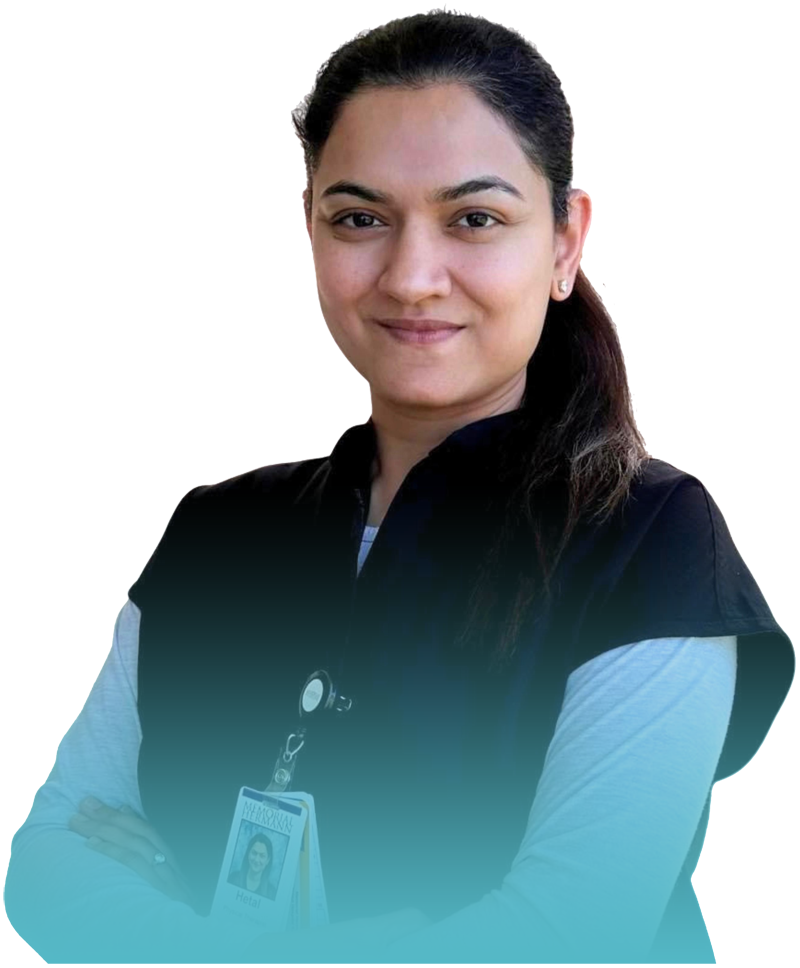
Dr. Hetal M Varia
After a rich experience of working in US healthcare as manager and licensed physiotherapist in US for last 11 years, she has returned home with a vision to become pioneer of Vestibular Therapy and specialized Parkinson physiotherapy in Ahmedabad. With her special skills and expertise in vertigo, Parkinson, balance and movement disorders therapy, Dr. Varia is committed to provide US standards of therapy services , compassionate and patient centered care to our people and community. With a vision of the world where everyone walks strong & steady, she intends to empower individuals with vestibular and neurological disorders through specialized care, rehabilitation & innovative therapies to improve mobility, balance & overall quality of life!