Who Needs Home Physiotherapy Treatment?
Living with pain, stiffness, or limited movement can quietly take over your daily life. Whether it’s struggling to climb stairs, difficulty getting out of bed, or persistent back pain after long work hours—these challenges are real, and they affect thousands of people across Ahmedabad every day.
At Varia Physiotherapy Clinic, we regularly meet patients who delay care, hoping the pain will resolve on its own. Unfortunately, in many cases, it doesn’t. That’s where understanding who needs home physiotherapy treatment becomes important—especially for those who cannot easily visit a clinic.
This guide is written for you—the patient—so you can make informed, confident decisions about your recovery.
Understanding Pain: Common Causes in Adults 30–65
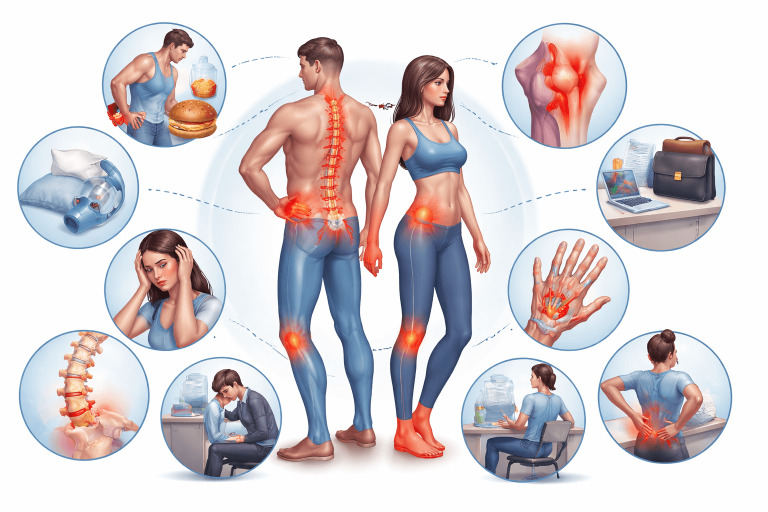
Pain is not just a symptom it’s your body’s way of communicating that something needs attention. In our clinical experience, the most common causes include:
1. Musculoskeletal Conditions
Chronic Back and Neck Pain
This type of pain often builds up over time due to poor posture, long sitting hours, or underlying spine issues. You may feel stiffness, discomfort while moving, or even pain that radiates to the shoulders or legs. With proper physiotherapy, many patients experience gradual relief and improved mobility without relying heavily on medications.
Knee Osteoarthritis
Knee osteoarthritis happens when the cushioning in your knee joint wears down with age or overuse. Patients often report pain while walking, climbing stairs, or getting up from a seated position. Physiotherapy focuses on strengthening the muscles around the knee to reduce pressure on the joint and improve daily function.
Frozen Shoulder
Frozen shoulder is a condition where the shoulder becomes stiff, painful, and difficult to move over time. Simple tasks like dressing or reaching overhead can become challenging. Guided physiotherapy helps restore movement gradually while managing pain safely.
Postural Strain from Desk Jobs
Sitting for long hours, especially with poor posture, can lead to muscle imbalance and strain in the neck, shoulders, and lower back. Many patients notice pain worsening by the end of the day. Physiotherapy helps correct posture, strengthen weak muscles, and prevent long-term damage. These conditions often develop gradually due to lifestyle habits, aging, or repetitive stress.
2. Neurological Conditions
Stroke Recovery
After a stroke, many patients experience weakness, loss of balance, or difficulty in movement on one side of the body. Everyday activities like walking, holding objects, or even speaking can become challenging. Physiotherapy plays a key role in retraining the brain and body through guided, repetitive movements, helping patients gradually regain independence.
Parkinson’s Disease
Parkinson’s disease affects movement control, leading to tremors, stiffness, and slowed movements. Patients often feel unsteady while walking or notice difficulty with coordination. Physiotherapy focuses on improving balance, flexibility, and mobility, helping patients maintain their quality of life for as long as possible.
Nerve Compression (Like Sciatica)
Nerve compression occurs when a nerve is irritated or pressed, often causing sharp, radiating pain, tingling, or numbness—commonly felt from the lower back down the leg in sciatica. This can make sitting, standing, or walking uncomfortable. Physiotherapy helps relieve pressure on the nerve, reduce pain, and restore normal movement patterns safely. These require specialized rehabilitation focusing on movement retraining and functional independence.
3. Post-Surgical Recovery
After joint replacements or ligament repairs, the body needs guided rehabilitation to heal properly and regain function. Many patients experience stiffness, weakness, or fear of movement in the early stages. Physiotherapy provides structured exercises and close monitoring to restore strength, improve mobility, and help you safely return to daily activities.
4. Reduced Mobility Due to Aging
As we age, muscle strength, balance, and flexibility naturally decline, which can make everyday movements slower and less stable. Many older adults notice difficulty with walking, standing for long periods, or maintaining balance. Physiotherapy helps improve strength and coordination, reducing the risk of falls and supporting independent living.
According to the World Health Organization, musculoskeletal conditions are among the leading causes of disability worldwide, highlighting why timely physiotherapy and rehabilitation are so important for maintaining quality of life.
Who Needs Home Physiotherapy Treatment?
Not every patient needs to travel to a clinic. In fact, many benefit more from care delivered in their own environment. So, who needs home physiotherapy treatment?
Patients with Limited Mobility
If walking, commuting, or sitting for long periods is painful or unsafe, home sessions are ideal. In such cases, even short travel can worsen symptoms or increase fatigue. Receiving care at home ensures consistent treatment without added physical strain.
Elderly Patients
Older adults often feel more comfortable receiving care at home, where therapists can also assess fall risks and daily movement patterns. Home environments allow therapists to suggest practical modifications like support rails or safer walking techniques, improving long-term independence.
Post-Surgery Patients
After knee replacement or spine surgery, early physiotherapy at home can:
- Reduce complications
- Improve recovery speed
- Build confidence in movement
Additionally, home care allows close monitoring during the critical early phase of healing, ensuring exercises are performed safely and correctly without unnecessary stress on the surgical site.
Neurological Patients
Stroke or Parkinson’s patients benefit from therapy in familiar surroundings, which improves functional outcomes. Practicing movements in their own home helps retrain the brain more effectively, especially for those needing support for walking and mobility issues, as therapy is directly linked to real-life activities like walking indoors or using furniture for support.
Busy Professionals
Many working individuals in Ahmedabad choose home physiotherapy to avoid missing work or commuting through traffic. It also helps them stay consistent with treatment, as sessions can be scheduled around their daily routine, reducing the chances of skipping therapy due to time constraints.
How Physiotherapy Helps: A Step-by-Step Approach
Physiotherapy is not just “exercise.” It is a structured, evidence-based process tailored to your condition, often involving customized rehab programs for patients based on their specific needs. Understanding who needs home physiotherapy treatment is equally important, as many patients benefit from receiving this personalized care in the comfort and safety of their own home.
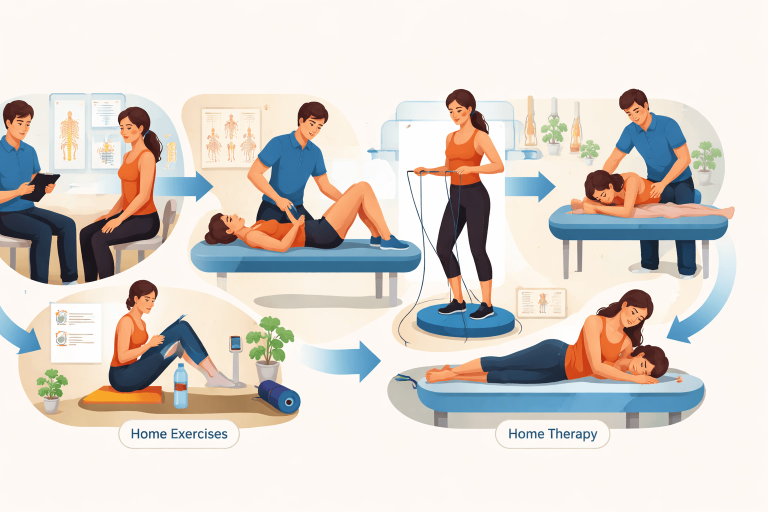
1. Detailed Clinical Assessment
At Varia Physiotherapy Clinic, treatment begins with:
- Pain analysis
- Range of motion testing
- Strength evaluation
- Functional assessment (walking, sitting, lifting)
2. Diagnosis-Based Treatment Plan
Your physiotherapist designs a personalized plan based on:
- Medical history
- Imaging reports (if available)
- Daily activity requirements
3. Pain Management Techniques
- Manual therapy
- Electrotherapy (TENS, ultrasound)
- Soft tissue release
These help reduce inflammation and improve circulation.
4. Corrective Exercises
Targeted exercises restore:
- Muscle strength
- Joint mobility
- Postural alignment
5. Functional Training
Patients are trained to perform real-life movements safely—like getting out of bed, climbing stairs, or lifting objects. The National Institutes of Health supports exercise-based rehabilitation as a key intervention for long-term pain management and functional recovery.
A Real Patient Story (From Our Clinic)
A 58-year-old gentleman from Satellite, Ahmedabad, came to us after knee replacement surgery. He was hesitant to move due to fear of pain and relied heavily on family support.
Since traveling to a clinic was difficult, we started home physiotherapy.
Week 1–2:
- Pain management
- Gentle range-of-motion exercises
Week 3–5:
- Strength training
- Assisted walking
Week 6–8:
- Independent walking
- Stair climbing practice
By the end of two months, he regained confidence and independence. This is a common journey—progress takes time, but with consistency, recovery is achievable.
Myths vs Facts About Physiotherapy
Myth: “Rest is the best treatment for pain”
Fact: Prolonged rest often worsens stiffness and delays recovery.
Myth: “Physiotherapy is only for serious injuries”
Fact: Early intervention prevents minor issues from becoming chronic.
Myth: “Pain during exercise means damage”
Fact: Some discomfort is normal; your physiotherapist guides safe limits.
Myth: “Home physiotherapy is less effective”
Fact: For many patients, it is more effective due to personalized, real-environment training.
When Should You See a Physiotherapist?
You should not wait until pain becomes unbearable. Seek help if you experience:
- Pain lasting more than 1–2 weeks
- Difficulty in daily activities
- Reduced mobility or stiffness
- Balance issues or frequent falls
- Post-surgical recovery needs
When Referral Is Necessary
Physiotherapists also recognize when additional care is needed. You may be referred to:
- An orthopedic specialist for structural issues
- A neurologist for nerve-related symptoms
This ensures safe and comprehensive care.
Conclusion
If you’ve been wondering who needs home physiotherapy treatment, the answer is simple: anyone whose pain, mobility, or health condition makes clinic visits difficult—or recovery more comfortable at home.
At Varia Physiotherapy Clinic, our goal is not just to treat symptoms, but to restore your independence, confidence, and quality of life. Recovery is a journey, and you don’t have to go through it alone.
If you or a loved one is struggling with pain or mobility issues, consider speaking to a qualified physiotherapist. A timely, well-guided intervention can make all the difference.
Ethical Call-to-Action
If you’re unsure whether your symptoms need attention, it’s okay to start with a simple consultation. Understanding your condition is the first step toward recovery—no pressure, just guidance.
If you’d like to speak with a physiotherapist or book an assessment at Varia Physiotherapy Clinic, you can reach out here:
 Call: +91 95123 79555
 Email: hello.drhetalvaria@gmail.com
 Website: www.variaphysiotherapyclinic.com
Our team is here to listen, assess, and guide you toward safe and effective recovery.
Who Needs Home Physiotherapy Treatment - FAQs