
Early and guided therapy reduces stiffness, balance problems, and overuse pain. This protects the patient from long-term disability and avoidable setbacks.
What Is Neuro Physiotherapy And How It Helps Recovery?
When a person develops weakness, loss of balance, stiffness, tremors, or difficulty walking after a neurological condition, families are often told:
“Physiotherapy is needed.”
But most patients are not told what type, why, or what realistic recovery looks like.
Neuro physiotherapy is not general exercise therapy. It is a specialized, diagnosis-driven rehabilitation approach designed for people whose brain, spinal cord, or nerves are affected.
This article explains neuro physiotherapy the way I explain it to my patients in the clinic — honestly, practically, and without false promises.

What Exactly Is Neuro Physiotherapy?
Neuro physiotherapy is a branch of physiotherapy that focuses on restoring movement, balance, coordination, and function in people with neurological disorders. If you want to understand the treatment approach, recovery process, and who can benefit, this detailed guide on neuro physiotherapy explains everything clearly.
These problems arise when the brain–nerve–muscle communication system is disrupted, not just when muscles are weak.
Unlike regular physiotherapy, neuro rehab is based on:
Brain plasticity (the brain’s ability to relearn)
The brain can form new pathways after injury through the right stimulation. Neuro physiotherapy uses this ability to help the brain relearn lost movements gradually and safely.
Task-specific training
Exercises are designed around real-life activities like walking, standing, or using the hand. This helps the nervous system relearn movements that directly improve daily function.
Repetition with correct movement patterns
Repeated practice only works when movements are done correctly. Proper repetition prevents faulty habits and strengthens healthy brain–muscle connections.
Preventing secondary complications (contractures, falls, pain)
Key difference:
Neuro physiotherapy treats movement control problems, not just pain or stiffness.

Conditions Where Neuro Physiotherapy Is Commonly Required
From real clinical practice, neuro physiotherapy is most useful in:
Stroke (Paralysis / Weakness)
One-sided weakness (hemiplegia)
Weakness affecting one side of the body due to brain injury or stroke. It makes daily activities like standing, walking, and self-care difficult without guided rehabilitation.
Loss of hand function
Reduced control, strength, or coordination of the hand, often limiting gripping and fine movements, is commonly improved with neuro recovery physiotherapy in Ahmedabad. Targeted neuro physiotherapy helps retrain purposeful hand use.
Poor balance and walking difficulty
Impaired coordination and postural control increase the risk of falls. Therapy focuses on balance retraining and safe gait correction to restore confidence in movement.
Parkinson’s Disease
Slowness of movement
Movements become delayed and reduced in size due to impaired brain signaling. This affects daily tasks and requires cue-based and functional training.
Shuffling gait
Walking with short, dragging steps and reduced foot clearance. Neuro physiotherapy works on step length, rhythm, and posture correction.
Freezing episodes
Sudden inability to start or continue movement, especially while walking or turning. Therapy uses visual, auditory, and movement cues to overcome freezing safely.
Postural instability
Difficulty maintaining upright posture and balance, increasing fall risk. Balance training and postural control exercises help improve stability and confidence.
Spinal Cord Injury
Partial or complete paralysis
Reduced or total loss of movement below the level of nerve or spinal cord injury. Rehabilitation focuses on maximizing remaining function and preventing complications.
Loss of trunk control
Difficulty maintaining upright sitting or standing posture due to weak core and spinal muscles. Therapy improves stability needed for safe transfers and mobility.
Balance and bladder-related functional issues
Poor balance and impaired bladder control affect independence and safety. Coordinated rehabilitation helps improve functional balance and daily management skills.
Brain Injury (Trauma / Surgery / Tumor)
Coordination problems
Difficulty controlling smooth and accurate movements, often causing clumsiness or unsteady actions. Neuro physiotherapy helps retrain timing and movement control.
Cognitive-motor issues
Problems where thinking, attention, or memory affect physical movement. Therapy integrates simple tasks with movement to improve safe functional performance.
Abnormal tone
Muscles may feel excessively stiff or unusually floppy due to nerve dysfunction. Targeted techniques help regulate tone and support better movement quality.
Neuropathy & Nerve Disorders
Foot drop
Difficulty lifting the front of the foot due to nerve or muscle weakness. Therapy focuses on muscle reactivation, gait training, and preventing tripping.
Sensory loss
Reduced or absent sensation affecting balance and movement awareness. Rehabilitation uses visual feedback and safe training to compensate for sensory deficits.
Gait instability
Unsteady or unsafe walking pattern that increases fall risk. Neuro physiotherapy works on balance control, step coordination, and walking confidence.
Read More:- Neuro physiotherapy benefits for elderly patients

Common Symptoms Patients Come With
Patients rarely say, “I need neuro physiotherapy.”
They usually complain of:
- “My hand doesn’t listen to me”
- “I feel unstable while walking”
- “My balance is gone”
- “My body feels stiff or frozen”
- “I’m afraid of falling”
- “Exercises are making me more tired, not better”
These are movement control problems, not just strength issues.

How Neuro Physiotherapy Actually Helps Recovery
1. Re-training the Brain (Not Just Muscles)
After a stroke or neurological injury, the brain does not automatically relearn normal movement.
Uses specific movements, not random exercises
Exercises are carefully selected based on the patient’s diagnosis and movement deficits. This ensures training directly supports functional recovery.
Avoids compensatory habits that delay recovery
Incorrect shortcuts are identified and corrected early. Preventing these habits allows true neurological recovery instead of temporary adaptations.
Encourages correct movement pathways
Therapy guides the brain and body to relearn normal movement patterns. This helps build efficient and lasting motor control over time.
2. Improving Balance and Walking Safety
Falls are a major risk in neurological patients.
Therapy focuses on:
Postural reactions
Automatic body responses that help maintain balance during movement. Therapy retrains these reactions to reduce falls and improve stability.
Weight shifting
Ability to transfer body weight safely from one side to another. This is essential for walking, turning, and functional movements.
Gait correction
Improving walking pattern, step length, and foot placement. Focus is on safe, efficient, and confident walking.
Visual–vestibular integration
Coordinating vision and inner ear balance signals for stable movement. Training helps reduce dizziness and improve balance control.
3. Reducing Abnormal Stiffness (Spasticity)
Tone-inhibiting positions
Specific body positions used to reduce excessive muscle stiffness. They help calm abnormal tone and prepare the body for movement.
Slow controlled movements
Gentle, guided movements prevent sudden tone increases. This allows safer practice and better movement awareness.
Functional stretching
Stretching performed within real-life movements, not forced positions. It improves flexibility without triggering spasticity.
Proper timing (very important)
Interventions are applied at the right moment during movement or recovery phase. Correct timing improves results and avoids worsening stiffness.
4. Restoring Daily Function (ADLs)
Standing from bed
Training focuses on safe and controlled rising using proper body mechanics. This improves independence and reduces fall risk.
Standing from bed
Hand function is retrained for grip, coordination, and control. Therapy helps patients regain confidence in self-feeding.
Safe bathroom mobility
Balance and movement are trained for toileting and bathing tasks. This is critical for safety and daily independence.
Independent transfers
Practice of moving between bed, chair, or wheelchair safely. Proper transfer training reduces caregiver dependence and injury risk.

Step-by-Step: What Patients Should Do
Step 1: Get a Clear Medical Diagnosis
Neurologist diagnosis
A clear medical diagnosis identifies the type and extent of neurological involvement. This guides safe and appropriate rehabilitation planning.
Imaging (MRI / CT if available)
Scans help locate brain or nerve damage and rule out complications. They support accurate goal setting and therapy decisions.
Stage of condition (acute, subacute, chronic)
Recovery approach changes with each stage of the condition. Timing determines exercise intensity, precautions, and expected outcomes.
Step 2: Neuro-Specific Assessment
Muscle tone
Assessment checks for excessive stiffness or abnormal floppiness. This helps decide the right handling and exercise approach.
Reflexes
Reflex testing shows how the nervous system is responding after injury. It helps identify recovery stage and precautions.
Balance reactions
Evaluation of automatic balance responses during movement. This is essential for fall risk assessment and training.
Movement patterns
Observing how a patient initiates and controls movement. Abnormal patterns guide correction strategies in therapy.
Fatigue tolerance
Determines how much activity the patient can safely handle. Prevents overtraining and symptom worsening.
Cognitive involvement
Assesses attention, understanding, and memory during movement. This ensures exercises are safe and appropriate.
Step 3: Start Early — But Safely
Over-aggressive therapy can worsen fatigue
Excessive intensity overwhelms the nervous system and delays recovery. Proper pacing is essential for safe progress.
Wrong exercises can reinforce abnormal patterns
Incorrect movements teach the brain faulty habits. This can slow true recovery and increase long-term limitations.
Step 4: Combine Clinic + Home Program
Simple
Exercises are easy to understand and perform at home. This improves consistency and confidence.
Safe
Movements are chosen to avoid falls, pain, or strain. Safety is always prioritized over intensity.
Clearly explained
Instructions are given in a clear and practical way. This prevents confusion and incorrect practice.
Progressed gradually
Exercise difficulty is increased step by step. Gradual progression supports steady and sustainable recovery.
A Real Clinical Example
A 62-year-old man post-stroke came after 3 months of “regular physiotherapy” with:
- Severe shoulder pain
- Poor hand recovery
- Increased stiffness
The problem wasn’t lack of effort — it was the wrong exercise selection.
After correcting movement patterns, reducing compensation, and slowing progression:
- Pain reduced
- Hand use improved
- Walking confidence increased
Correct therapy matters more than duration.
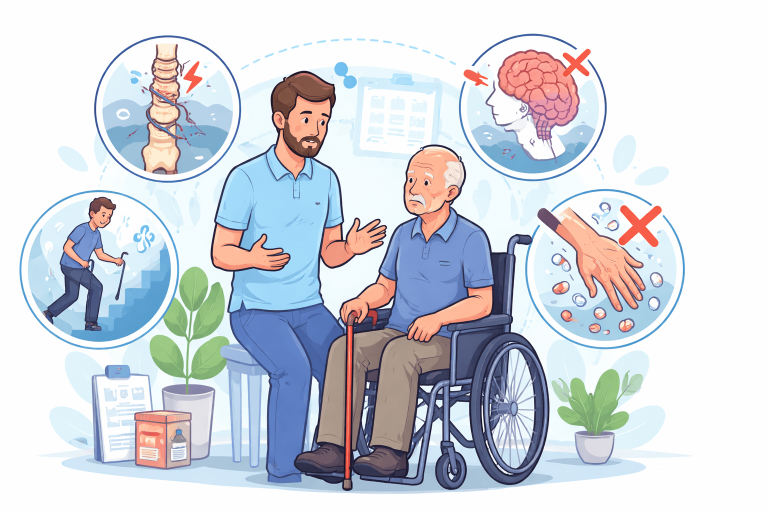
What Neuro Physiotherapy Cannot Do (Honest Truth)
- Neuro physiotherapy:
- Cannot reverse
- brain damage
- Cannot guarantee full recovery
- Cannot work without patient participation
Recovery depends on:
- Severity of injury
- Age
- Medical stability
- Consistency
- Family support
Any clinic promising “100% recovery” is misleading.

When Physiotherapy Alone Is NOT Enough
Refer back to doctor if there is:
- Rapid neurological deterioration
- New speech or vision loss
- Sudden worsening balance
- Uncontrolled seizures
- Severe unexplained headaches
Rehab must work with medical management, not replace it.
Common Home Mistakes That Delay Recovery
- Overdoing exercises due to fear
- Copying others’ rehab programs
- Ignoring fatigue signals
- Skipping rest days
- Forcing movement through pain
Recovery is not a race.
How Long Does Neuro Recovery Take?
Realistic timelines:
- Stroke: 3–12 months of structured rehab
- Parkinson’s: Ongoing management, not “completion”
- Nerve injuries: Depends on regeneration rate
Progress is often slow, uneven, and non-linear.
This is normal.
Who Is Neuro Physiotherapy Right For?
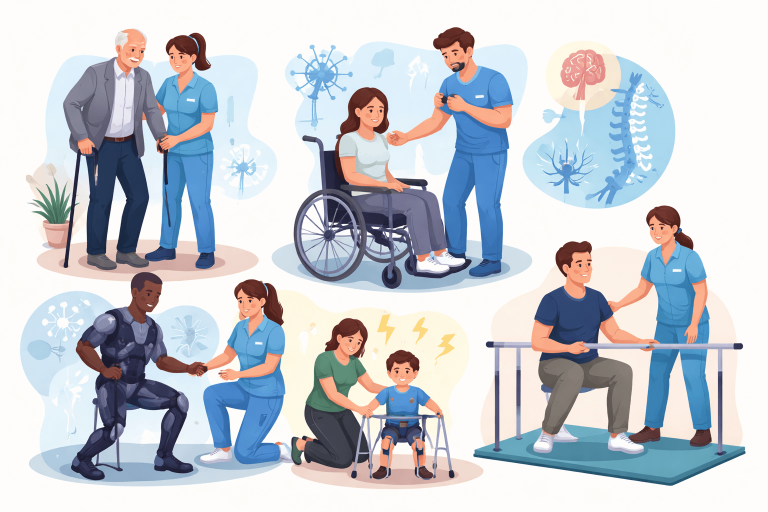
Yes, if you have:
- Diagnosed neurological condition
- Movement control problems
- Balance or coordination issues
- Functional dependence
Not ideal if:
- Pain is purely orthopedic
- Symptoms are unexplained and undiagnosed
Expectations are unrealistic
Conclusion
Neuro physiotherapy is a specialized, diagnosis-driven approach that helps people with neurological conditions regain safer movement, balance, and daily function. When guided by proper medical assessment, realistic goals, and patient-specific training, it supports meaningful recovery while preventing complications and false expectations.
When neurological movement problems are treated with precision rather than generic exercises, recovery becomes safer and more effective. Neuro physiotherapy focuses on function, protection, and long-term independence — not false promises.
If you want, I can also:
Make this more emotional
Make it more clinical
Make it more SEO-focused
What is neuro physiotherapy and how it helps recovery? - FAQs
Q1. When should neuro physiotherapy be started after a neurological problem?
Neuro physiotherapy should start as soon as the patient is medically stable. Early but safe rehabilitation helps prevent stiffness, weakness, and loss of functional movement.
Q2. Is neuro physiotherapy different from regular physiotherapy?
Yes. Neuro physiotherapy focuses on retraining the brain–nerve–muscle connection, not just strengthening muscles or reducing pain. It uses condition-specific movement training.
Q3. Can neuro physiotherapy completely cure paralysis or neurological conditions?
No. It cannot reverse brain or nerve damage, but it can significantly improve function, safety, and independence. Recovery depends on injury severity and patient participation.
Q4. How long does neuro physiotherapy usually take to show results?
Improvement is gradual and varies for each person. Some changes appear in weeks, while meaningful functional recovery often takes months of consistent therapy.
Q5. Can I follow online or YouTube exercises for neuro recovery?
Generic online exercises can be unsafe or ineffective. Neuro rehabilitation must be individualized, as wrong movements can reinforce abnormal patterns and delay recovery.
References
About the Author

Dr. Hetal M Varia
After a rich experience of working in US healthcare as manager and licensed physiotherapist in US for last 11 years, she has returned home with a vision to become pioneer of Vestibular Therapy and specialized Parkinson physiotherapy in Ahmedabad. With her special skills and expertise in vertigo, Parkinson, balance and movement disorders therapy, Dr. Varia is committed to provide US standards of therapy services , compassionate and patient centered care to our people and community. With a vision of the world where everyone walks strong & steady, she intends to empower individuals with vestibular and neurological disorders through specialized care, rehabilitation & innovative therapies to improve mobility, balance & overall quality of life!