
Standing Rehabilitation: Safe & Effective Recovery Program
Standing is something most people rarely think about—until it becomes difficult. After a stroke, spinal cord injury, Parkinson’s disease, prolonged bed rest, or major orthopedic surgery, simply standing up can feel like a major challenge. Weakness, poor balance, dizziness, and fear of falling often make people avoid standing altogether, which can further slow recovery.
A Standing Rehabilitation: Safe & Effective Recovery Program focuses on helping individuals regain the strength, balance, and confidence needed to stand safely and perform daily activities independently. At Varia Physiotherapy Clinic in Ahmedabad, we frequently work with adults who have lost standing ability due to neurological or musculoskeletal conditions. Through personalized assessment, evidence-based physiotherapy, and gradual progression, many patients regain functional independence while reducing their risk of falls.
Recovery is different for everyone. Some people improve within a few weeks, while others require several months of structured rehabilitation depending on the underlying condition and overall health. The goal is always safe, meaningful, and sustainable progress.
Why Standing Ability Is So Important
Standing is more than just getting up from a chair. It is the foundation for walking, climbing stairs, maintaining balance, transferring between surfaces, and performing everyday tasks like cooking, bathing, and dressing.
When someone cannot stand safely, they become more dependent on family members, caregivers, or assistive devices. Long-term inability to stand may also contribute to:
- Muscle weakness
- Joint stiffness
- Poor circulation
- Reduced bone density
- Increased fall risk
- Pressure injuries from prolonged sitting
- Loss of confidence
Early rehabilitation helps prevent many of these complications.
Common Reasons People Need Standing Rehabilitation
Standing ability can be affected by a variety of neurological and musculoskeletal conditions that impact strength, balance, coordination, or muscle control. Identifying the underlying cause through a professional assessment helps create a safe, personalized rehabilitation plan that supports meaningful recovery.
Stroke
A stroke can make standing difficult by causing weakness on one side of the body, poor balance, and reduced coordination. A personalized rehabilitation program helps improve stability, rebuild strength, and support a safe return to daily activities at a pace that matches each person’s recovery.
Spinal Cord Injury
A spinal cord injury may affect muscle control, sensation, and the ability to stand independently. Evidence-based rehabilitation focuses on maximizing functional movement, improving balance, and helping patients achieve the highest possible level of independence.
Parkinson's Disease
Parkinson’s disease often causes stiffness, slower movements, and balance problems that make standing and walking more challenging. Targeted physiotherapy helps improve posture, mobility, and confidence while reducing the risk of falls.
Multiple Sclerosis
Multiple sclerosis can lead to muscle weakness, fatigue, and balance difficulties that affect standing endurance. Individualized rehabilitation aims to improve strength, conserve energy, and make everyday movements safer and more manageable.
Prolonged Bed Rest
Extended bed rest after surgery, illness, or hospitalization can quickly reduce muscle strength and standing ability. A gradual rehabilitation program helps rebuild endurance, restore mobility, and safely return to normal daily activities.
Orthopedic Conditions
Conditions such as hip fractures, knee replacement surgery, arthritis, or lower limb injuries can temporarily limit standing and walking. Physiotherapy supports recovery by improving joint movement, strengthening muscles, and restoring safe functional mobility while respecting the body’s healing process.
How Standing Rehabilitation: Safe & Effective Recovery Program Works
At Varia Physiotherapy Clinic, rehabilitation begins with understanding why standing has become difficult rather than simply practicing standing repeatedly. Every treatment plan starts with a comprehensive clinical assessment.
Our physiotherapists evaluate:
- Muscle strength
- Joint mobility
- Balance control
- Postural alignment
- Coordination
- Walking ability
- Pain levels
- Functional independence
- Fall risk
- Neurological status
This assessment allows us to design a rehabilitation program that matches the patient’s current abilities and long-term goals.
Step 1: Restoring Muscle Strength
Weak muscles cannot adequately support body weight.
Treatment often includes:
- Quadriceps strengthening
- Gluteal strengthening
- Core stability exercises
- Ankle strengthening
- Functional strengthening activities
These exercises gradually improve the body’s ability to maintain upright posture.
Step 2: Improving Balance
Balance is one of the most important components of standing rehabilitation.
Evidence-based balance training may include:
- Static standing
- Dynamic balance activities
- Weight shifting
- Reaching exercises
- Functional task practice
- Reactive balance training
Improved balance reduces the likelihood of falls during everyday activities.
Step 3: Postural Re-education
Many neurological patients develop abnormal posture due to weakness or muscle tightness.
Physiotherapists help patients learn:
- Equal weight distribution
- Proper trunk alignment
- Pelvic control
- Head positioning
- Upright posture
Correct posture makes standing more efficient and less tiring.
Step 4: Sit-to-Stand Training
Getting up safely from a chair is often one of the biggest challenges.
Therapy focuses on:
- Proper foot placement
- Forward weight shifting
- Controlled standing
- Safe lowering back into sitting
- Repetition for motor learning
This improves independence during daily activities.
Step 5: Gait Preparation
Standing is closely linked to walking.
Once standing becomes more stable, rehabilitation progresses to:
- Walking initiation
- Step training
- Gait correction
- Turning safely
- Obstacle negotiation
These activities prepare patients for community mobility.
Step 6: Functional Independence Training
Recovery should translate into real-life improvements.
Patients practice activities such as:
- Kitchen tasks
- Bathroom transfers
- Bed mobility
- Stair climbing
- Household activities
This functional approach improves confidence outside the clinic.
A Patient Story from Varia Physiotherapy Clinic
A gentleman in his early sixties came to Varia Physiotherapy Clinic after a stroke. He could sit independently but needed two family members to help him stand. He had developed a significant fear of falling after several unsuccessful attempts at home.
Following a detailed assessment, our physiotherapy team developed a personalized rehabilitation program focusing on trunk control, balance, lower limb strengthening, and repeated sit-to-stand practice.
Although this patient was recovering from a stroke, similar rehabilitation principles are used in standing rehabilitation after spinal cord injury to improve balance, strength, and confidence.
. As his confidence improved, therapy progressed to weight shifting, reaching activities, and supervised walking.
After approximately three months of consistent rehabilitation and home exercise practice, he was able to stand independently for longer periods and walk short distances using a walking aid. Although his recovery continued beyond this stage, these improvements significantly increased his independence in daily life.
Every patient’s recovery journey is unique, but structured rehabilitation often leads to meaningful functional gains.
Myths vs Facts About Standing Rehabilitation
Myth | Fact |
Standing recovery happens automatically. | Recovery usually requires structured physiotherapy and consistent practice. |
Rest is the best treatment. | Appropriate movement promotes muscle recovery and improves function. |
Older adults cannot improve balance. | Research shows balance training benefits people of all ages. |
Standing exercises are unsafe after neurological injury. | When supervised by trained physiotherapists, standing rehabilitation is safe and effective. |
Recovery should be immediate. | Functional recovery often occurs gradually over weeks or months. |
When Should You See a Physiotherapist?
Do not wait until mobility becomes severely limited.
Consult a physiotherapist if you experience:
- Difficulty standing from a chair
- Poor balance
- Frequent falls
- Muscle weakness
- Walking difficulties
- Dizziness while standing
- Recovery after stroke
- Recovery after spinal cord injury
- Parkinson’s disease
- Recent orthopedic surgery
Early rehabilitation generally leads to better long-term outcomes.
When Medical Referral May Be Necessary
Physiotherapy is one part of comprehensive rehabilitation.
A referral to an orthopedic specialist or neurologist may be recommended if you experience:
- Sudden weakness
- Progressive neurological symptoms
- Severe numbness
- Loss of bladder or bowel control
- Persistent unexplained pain
- Suspected fractures
- New onset of balance problems without a clear cause
Collaborative care helps ensure appropriate diagnosis and treatment.
Evidence-Based Rehabilitation You Can Trust
At Varia Physiotherapy Clinic, rehabilitation programs follow evidence-based clinical practice.
Treatment decisions are based on:
- Comprehensive physical assessment
- Functional movement analysis
- Balance assessment
- Individual recovery goals
- Current research evidence
- Patient education
- Home exercise progression
Organizations such as the World Health Organization (WHO) emphasize rehabilitation as an essential component of healthcare, helping people maintain independence and improve quality of life. The National Institutes of Health (NIH) also supports exercise-based rehabilitation for improving mobility, balance, and functional recovery in neurological conditions.
Conclusion
Recovering the ability to stand safely is often one of the most important milestones in rehabilitation. A Standing Rehabilitation: Safe & Effective Recovery Program helps rebuild strength, improve balance, restore confidence, and increase independence through structured, evidence-based physiotherapy.
At Varia Physiotherapy Clinic in Ahmedabad, every rehabilitation program is personalized according to the patient’s condition, functional goals, and recovery progress. Whether recovery follows a stroke, spinal cord injury, Parkinson’s disease, surgery, or prolonged bed rest, our focus remains on safe progression, realistic expectations, and long-term functional improvement.
If you or a loved one is experiencing difficulty standing, early assessment by a qualified physiotherapist can help identify the underlying cause and develop a treatment plan tailored to your needs.
Book a Professional Assessment
If you’re unsure whether your symptoms need attention, it’s okay to start with a simple consultation. Understanding your condition is the first step toward recovery—no pressure, just guidance.
If you’d like to speak with a physiotherapist or book an assessment at Varia Physiotherapy Clinic, you can reach out here:
 Call: +91 95123 79555
 Email: hello.drhetalvaria@gmail.com
 Website: www.variaphysiotherapyclinic.com
Our team is here to listen, assess, and guide you toward safe and effective recovery.
standing rehabilitation - FAQs
How long does standing rehabilitation take?
Is standing rehabilitation painful?
Can older adults benefit from standing rehabilitation?
Can standing rehabilitation reduce fall risk?
Can rehabilitation be performed at home?
About the Author
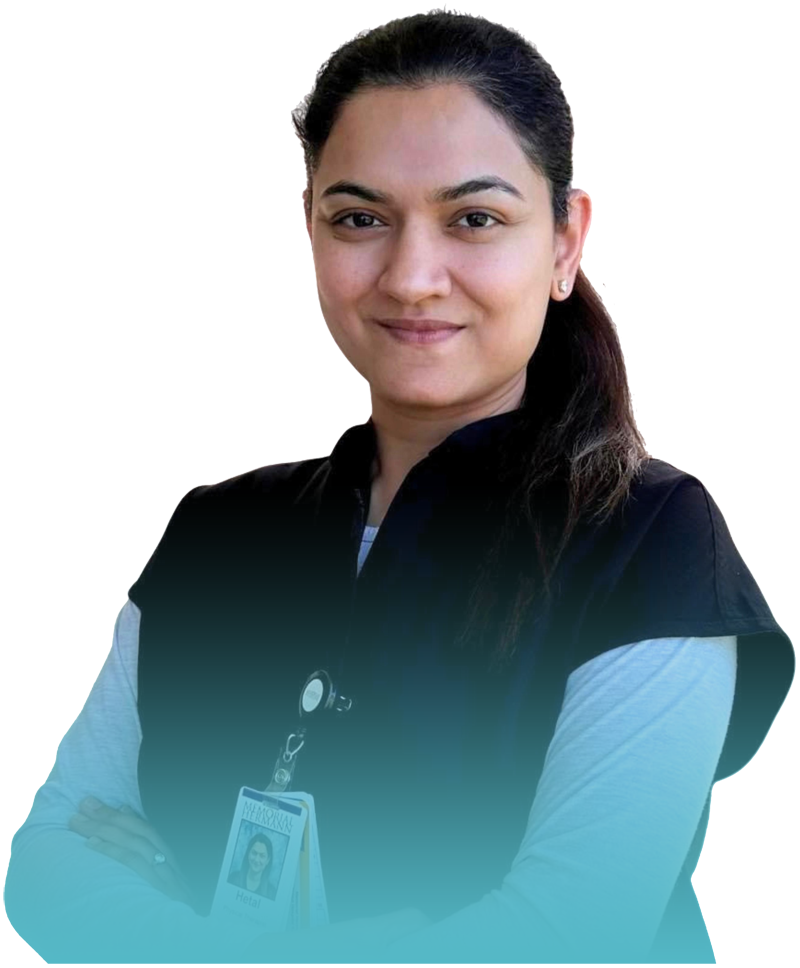
Dr. Hetal M Varia
After a rich experience of working in US healthcare as manager and licensed physiotherapist in US for last 11 years, she has returned home with a vision to become pioneer of Vestibular Therapy and specialized Parkinson physiotherapy in Ahmedabad. With her special skills and expertise in vertigo, Parkinson, balance and movement disorders therapy, Dr. Varia is committed to provide US standards of therapy services , compassionate and patient centered care to our people and community. With a vision of the world where everyone walks strong & steady, she intends to empower individuals with vestibular and neurological disorders through specialized care, rehabilitation & innovative therapies to improve mobility, balance & overall quality of life!