
Physiotherapy Treatment For Muscle Strain Back
Back pain is one of the most common health complaints among adults aged 30–65 in Ahmedabad. Many people wake up with stiffness, feel sudden pain while lifting something heavy, or experience discomfort after long hours of sitting at work. In many of these cases, the underlying problem is a muscle strain in the back.
At Varia Physiotherapy Clinic in Ahmedabad, we frequently see patients who ignore early symptoms, hoping the pain will go away on its own. Unfortunately, untreated muscle strain can worsen over time and lead to chronic discomfort or reduced mobility.
This article explains how Physiotherapy Treatment For Muscle Strain Back works, why it is effective, and when you should seek professional care.
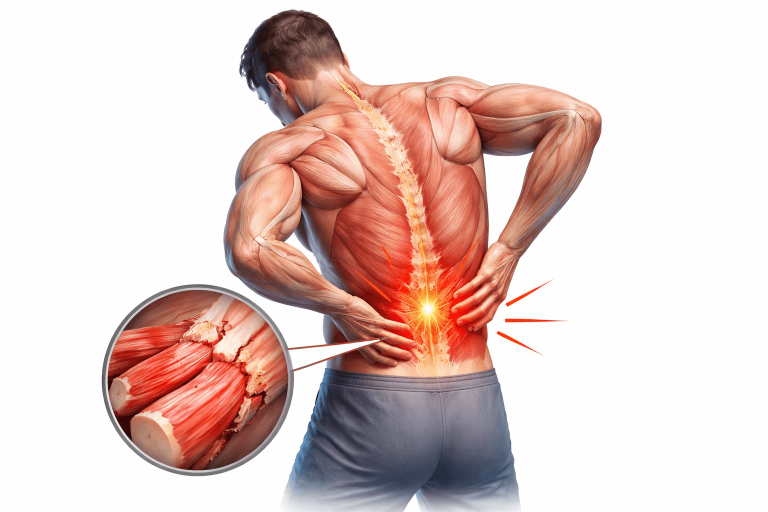
Understanding Muscle Strain in the Back
A muscle strain occurs when muscle fibers are overstretched or partially torn. The muscles in the back play a vital role in stabilizing the spine, supporting posture, and enabling movement. When these muscles are overloaded or injured, they can cause pain, stiffness, and limited mobility.
Common symptoms include:
1. Localized Back Pain
Localized back pain is usually felt in a specific area of the back where the muscle strain has occurred. It may feel sore, tender, or sharp when you press on the affected spot. This type of pain often worsens with certain movements and improves with proper rest and physiotherapy care.
2. Muscle Stiffness
Muscle stiffness is a common symptom after a back muscle strain and can make it difficult to move comfortably. The affected muscles may feel tight, especially after waking up or sitting for long periods. Gentle stretching and physiotherapy exercises can help restore normal muscle flexibility.
3. Pain During Movement or Bending
People with a back muscle strain often notice pain when bending, twisting, or changing positions. These movements put extra pressure on the injured muscles, causing discomfort. Gradual rehabilitation and guided physiotherapy help reduce pain and improve movement safely.
4. Muscle Spasms
Muscle spasms are sudden, involuntary contractions of the back muscles. They can occur when the body tries to protect the injured area from further strain. Spasms may feel like a sudden tightening or cramp and usually improve with proper treatment and muscle relaxation techniques.
5. Reduced Flexibility
A strained back muscle can limit your ability to move freely or stretch the back. You may notice difficulty bending forward, twisting, or performing everyday activities. With proper physiotherapy and strengthening exercises, flexibility can gradually return over time.
While mild muscle strains may improve with rest, persistent discomfort often requires professional care, and expert physiotherapy care for back muscle strain can help restore flexibility, strength, and safe movement.

Common Causes of Back Muscle Strain
In our daily clinical practice at Varia Physiotherapy Clinic, we often observe several lifestyle-related causes of back muscle strain.
Improper Lifting Technique
Lifting heavy objects incorrectly places excessive stress on the lower back muscles. When people bend from the waist instead of using their knees and legs, the load directly impacts the spine and surrounding muscles. Over time, this improper technique can cause sudden strain or small muscle tears.
Prolonged Sitting
Many professionals in Ahmedabad work long hours at desks or computers. Poor posture during sitting gradually overloads spinal muscles. Slouching or leaning forward for extended periods increases pressure on the lower back and weakens the supporting muscles.
Sudden Physical Activity
Weekend sports or sudden exercise without proper warm-up frequently leads to muscle strain. When muscles are not properly warmed up, they become stiff and less flexible. This makes them more vulnerable to sudden stretching or tearing during intense movements.
Weak Core Muscles
When abdominal and spinal muscles are weak, the back muscles compensate excessively. This added pressure can lead to fatigue and strain in the lower back. Strengthening the core helps support the spine and reduces the risk of injury.
Repetitive Movements
Jobs that involve repetitive bending, twisting, or lifting increase the risk of muscle strain. Continuous stress on the same muscle groups can lead to overuse injuries. Without proper rest and ergonomics, the muscles may become inflamed and painful.
According to the World Health Organization, musculoskeletal conditions are a leading cause of disability worldwide, highlighting the importance of early treatment and prevention.

How Physiotherapy Treatment For Muscle Strain Back Helps
Physiotherapy focuses on restoring function, reducing pain, and preventing recurrence—clearly showing how physiotherapy helps relieve back muscle strain through structured, evidence-based treatment.
Step 1: Detailed Clinical Assessment
Before beginning treatment, a physiotherapist conducts a comprehensive evaluation.
This includes:
- Postural analysis
- Range of motion testing
- Muscle strength assessment
- Movement pattern analysis
- Neurological screening (if required)
This assessment helps determine whether the pain is purely muscular or related to spinal structures. If symptoms suggest nerve involvement or disc issues, referral to an orthopedic or neurologist may be recommended.
Step 2: Pain Management and Inflammation Reduction
Early treatment focuses on reducing pain and inflammation.
Common physiotherapy interventions include:
- Manual therapy techniques
- Soft tissue mobilization
- Therapeutic ultrasound
- Interferential therapy
- Gentle stretching
These techniques improve blood circulation and accelerate tissue healing.
Step 3: Restoring Mobility
Once pain reduces, restoring normal movement becomes essential.
Physiotherapists guide patients through:
- Controlled stretching exercises
- Lumbar mobility exercises
- Postural correction techniques
Improving mobility prevents stiffness and allows muscles to recover properly.
Step 4: Strengthening the Back and Core
One of the most important aspects of Physiotherapy Treatment For Muscle Strain Back is strengthening supportive muscles.
Target areas include:
- Core muscles
- Lower back muscles
- Hip stabilizers
- Gluteal muscles
Strengthening exercises reduce the chances of reinjury and improve spinal stability.
Step 5: Functional Training and Prevention
Recovery is incomplete without correcting the underlying cause.
Patients receive guidance on:
- Safe lifting techniques
- Ergonomic workstation setup
- Daily posture correction
- Safe return to physical activity
These preventive strategies are crucial for long-term spine health.

Real Patient Scenario From Clinical Practice
A common patient scenario we encounter at Varia Physiotherapy Clinic involves working professionals experiencing sudden back pain.
One recent patient, a 42-year-old office professional from Ahmedabad, visited the clinic after experiencing sharp lower back pain while lifting a suitcase.
Initially, he tried home remedies and rest, but the pain persisted for more than two weeks.
During assessment, we identified:
- Acute muscle strain in the lumbar region
- Poor sitting posture at work
- Weak core stability
His treatment program included:
- Pain-relief modalities
- Manual therapy
- Core strengthening exercises
- Ergonomic correction
Within 3–4 weeks, his pain reduced significantly, and he returned to daily activities comfortably. However, he continued preventive exercises to avoid recurrence. This type of recovery timeline is realistic for many patients with mild to moderate muscle strain.

Myths vs Facts About Back Muscle Strain
Many patients delay treatment due to common misconceptions.
Myth: Complete bed rest is the best treatment.
Fact: Prolonged bed rest may actually worsen stiffness and delay recovery.
Myth: Back pain always means a slipped disc.
Fact: Many cases are simply muscle strains that respond well to physiotherapy.
Myth: Painkillers alone can fix the problem.
Fact: Medications may reduce symptoms temporarily but do not address the underlying muscle imbalance.
Myth: Exercise will worsen the injury.
Fact: Correctly guided physiotherapy exercises are essential for healing.

When Should You See a Physiotherapist?
Early consultation can prevent complications.
Consider seeking professional help if you experience:
- Back pain lasting more than one week
- Difficulty bending or lifting objects
- Recurrent back pain
- Pain that interferes with daily activities
- Muscle spasms or stiffness
However, immediate medical evaluation may be necessary if symptoms include:
- Severe trauma
- Numbness or tingling in legs
- Loss of bladder or bowel control
- Progressive weakness
These symptoms may indicate nerve involvement and require specialist evaluation.

When Physiotherapy Alone May Not Be Enough
Although physiotherapy is highly effective, certain cases require medical referral.
Patients may need evaluation by an orthopedic specialist or neurologist if:
- Pain radiates down the leg
- Nerve symptoms develop
- Symptoms do not improve after several weeks of therapy
Collaboration between healthcare professionals ensures safe and effective care. The National Institutes of Health also highlights the importance of conservative treatments like physiotherapy before considering invasive procedures.
Conclusion
If you are experiencing persistent back pain or suspect a muscle strain, early professional evaluation can make a significant difference in recovery.
At Varia Physiotherapy Clinic in Ahmedabad, our approach focuses on personalized assessment, evidence-based treatment, and long-term prevention.
Our goal is not just to reduce pain but to help patients regain confidence in movement and return to daily activities safely.
Physiotherapy Treatment For Muscle Strain Back - FAQs
Q1. How long does it take to recover from a back muscle strain?
Q2. Is physiotherapy better than medication for muscle strain?
Q3. Can I continue working with back strain?
Q4. Do I need imaging like MRI for muscle strain?
Q5.Can physiotherapy prevent future back injuries?
About the Author

Dr. Hetal M Varia
After a rich experience of working in US healthcare as manager and licensed physiotherapist in US for last 11 years, she has returned home with a vision to become pioneer of Vestibular Therapy and specialized Parkinson physiotherapy in Ahmedabad. With her special skills and expertise in vertigo, Parkinson, balance and movement disorders therapy, Dr. Varia is committed to provide US standards of therapy services , compassionate and patient centered care to our people and community. With a vision of the world where everyone walks strong & steady, she intends to empower individuals with vestibular and neurological disorders through specialized care, rehabilitation & innovative therapies to improve mobility, balance & overall quality of life!