
Expert Paralysis Physiotherapy Treatment For Better Movement Recovery
Paralysis Physiotherapy Treatment is not just about improving muscle strength—it is about helping a person regain control over their own life after a neurological injury. At Varia Physiotherapy Clinic in Ahmedabad, we often meet patients and families who arrive feeling overwhelmed, unsure whether recovery is even possible, and emotionally exhausted after sudden changes in mobility.
Some have recently experienced a stroke. Others are recovering from brain injury, spinal cord trauma, or neurological conditions like Bell’s palsy or nerve compression disorders. What they all share is a deep frustration: “I could move yesterday… why can’t I move today?”
This article is written to help you understand what paralysis physiotherapy involves, what recovery realistically looks like, and how structured rehabilitation can improve independence step by step.
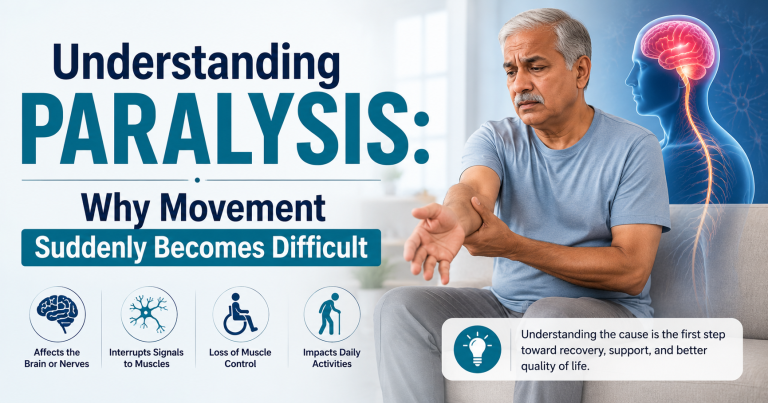
Understanding Paralysis: Why Movement Suddenly Becomes Difficult
Paralysis is not a single condition—it is a result of disrupted communication between the brain, spinal cord, and muscles. When this communication pathway is affected, the body loses either partial or complete ability to move certain muscles.
At our clinic in Ahmedabad, the most common cases we see include:
Stroke-related paralysis (Hemiplegia)
Stroke can interrupt blood flow to parts of the brain that control movement, leading to weakness or paralysis on one side of the body. Patients often struggle with walking, hand use, and balance, but gradual recovery is possible with structured neurological rehabilitation and consistent physiotherapy.
Spinal cord injury-related weakness
When the spinal cord is injured, signals between the brain and body are partially or completely disrupted, leading to weakness or paralysis below the injury level. Recovery depends on injury severity, but physiotherapy focuses on maintaining joint health, preventing stiffness, and improving functional independence.
Post-surgical or post-trauma nerve damage
After surgery or an accident, nearby nerves may become compressed, stretched, or irritated, resulting in temporary or long-term weakness. Physiotherapy helps restore muscle activation safely, reduce pain, and gradually rebuild strength based on nerve healing response.
Peripheral nerve compression or injury
Conditions like slipped disc or prolonged pressure on nerves can reduce movement, sensation, or strength in specific areas like the arm or leg. Early physiotherapy helps reduce nerve irritation, improve mobility, and prevent long-term stiffness or muscle imbalance.
Brain injury rehabilitation cases
Brain injuries from falls, accidents, or trauma can affect coordination, balance, and voluntary movement control. Rehabilitation focuses on retraining the brain through repetitive, guided exercises that support recovery of motor skills and daily functional abilities.
In simple terms, the muscles are often still “alive,” but the brain is unable to properly activate them.
According to the World Health Organization, stroke and neurological disorders are among the leading causes of long-term disability worldwide, making structured rehabilitation essential for recovery.

Common Causes of Paralysis Seen in Physiotherapy Practice
Understanding the cause is the first step in planning effective rehabilitation. At Varia Physiotherapy Clinic, we always begin with a detailed neurological and functional assessment before starting treatment.
1. Stroke (Brain Stroke)
A stroke happens when blood flow to a part of the brain is suddenly reduced or blocked, affecting areas that control movement, balance, and coordination. This often leads to weakness or paralysis on one side of the body, making everyday activities like walking or lifting the arm difficult. With timely rehabilitation and physiotherapy, many patients gradually regain movement and independence.
2. Spinal Cord Injury
A spinal cord injury disrupts the communication pathway between the brain and the rest of the body. Depending on the severity and level of injury, it can lead to partial or complete loss of movement and sensation below the affected area. Physiotherapy focuses on preventing complications, maintaining joint health, and supporting maximum possible functional recovery.
3. Nerve Compression or Damage
When nerves are compressed or injured—often due to conditions like slipped discs, prolonged pressure, or trauma—signals between the brain and muscles become weak or blocked. This can cause pain, numbness, or difficulty moving specific muscles. Early physiotherapy helps reduce nerve irritation and supports gradual restoration of strength and function.
4. Brain Injury
Brain injuries caused by accidents, falls, or trauma can interfere with the brain’s ability to control movement, coordination, and muscle activation. Patients may experience imbalance, weakness, or difficulty performing daily tasks. Structured neuro-rehabilitation helps retrain the brain through guided, repetitive exercises that support functional recovery over time.
How Paralysis Physiotherapy Treatment Works: Step-by-Step Approach
Recovery from paralysis is not random—it follows a structured neurological rehabilitation process. At Varia Physiotherapy Clinic, treatment is tailored based on the patient’s condition, stage of recovery, and muscle response.
Step 1: Detailed Neurological Assessment
We evaluate:
- Muscle strength and tone
- Reflex response
- Balance and posture
- Joint mobility
- Functional independence level
This helps us understand whether the issue is muscle weakness, nerve dysfunction, or both.
Step 2: Early Mobilization and Positioning
For bedridden patients, correct positioning is critical. It helps prevent:
- Joint stiffness
- Muscle contractures
- Pressure sores
- Breathing complications
Even small movements at this stage help stimulate the nervous system.
Step 3: Neuro-Reeducation Exercises
This is the core of paralysis physiotherapy treatment.
We use techniques such as:
- Facilitated movement patterns
- Repetitive task training
- Mirror therapy for brain reprogramming
- Sensory stimulation techniques
The goal is to retrain the brain to “re-learn” movement pathways.
Our stroke recovery physiotherapy program uses neuroplasticity-based techniques such as repetitive task training and mirror therapy to retrain movement pathways.
Step 4: Strength and Functional Training
Once initial movement returns, therapy focuses on:
- Standing balance training
- Walking re-education
- Grip strengthening exercises
- Coordination drills
Patients often start with support and gradually progress to independent movement.
Step 5: Gait and Independence Training
For many patients, the ultimate goal is walking again or regaining independence in daily activities such as dressing, eating, and bathing.
We focus on:
- Walking pattern correction
- Assistive device training (walker/cane)
- Stair climbing practice
- Real-life functional tasks
A Real Patient Scenario from Our Clinic
A 58-year-old male from Ahmedabad came to Varia Physiotherapy Clinic after suffering a stroke. He had right-sided weakness and was unable to move his arm or walk without support. His family was unsure whether improvement was possible.
During the initial assessment, we observed reduced muscle activation in the right upper and lower limbs, along with balance instability.
Treatment Plan:
- Early positioning and passive movements
- Neuro-facilitation exercises
- Mirror therapy sessions
- Gradual gait training with parallel bar support
Progress Timeline:
- First 2 weeks: Improved muscle awareness and slight voluntary movement
- 4–6 weeks: Assisted standing and improved trunk control
- 10 weeks: Walking with minimal support inside the clinic
While full recovery varies for every patient, this case highlights an important truth: consistent rehabilitation changes outcomes significantly.
Myths vs Facts About Paralysis Recovery
Myth 1: “Recovery is not possible after a few months”
Fact: Neuroplasticity (brain’s ability to rewire) continues for years with proper therapy.
Myth 2: “Only medicines can cure paralysis”
Fact: Medicines support recovery, but physiotherapy is essential for functional movement retraining.
Myth 3: “Rest is better than movement”
Fact: Excess rest can worsen stiffness and delay recovery. Controlled movement is necessary.
Myth 4: “All paralysis cases recover the same way”
Fact: Recovery depends on cause, severity, age, and rehabilitation consistency.
When Should You See a Physiotherapist?
You should seek paralysis physiotherapy treatment if you notice:
- Sudden or gradual weakness in limbs
- Difficulty walking or balancing
- Loss of coordination
- Muscle stiffness after stroke or injury
- Dependence on others for daily activities
- Slurred or reduced movement control
Early intervention is strongly recommended. The National Institutes of Health highlights that early rehabilitation improves functional outcomes in neurological conditions.
How Physiotherapy Helps in Paralysis Recovery
Physiotherapy works by stimulating the nervous system through repetition, guided movement, and structured exercise.
Key benefits include:
- Improved muscle activation
- Better balance and coordination
- Reduced stiffness and spasticity
- Enhanced independence in daily life
- Prevention of secondary complications
At Varia Physiotherapy Clinic, every treatment plan is individualized. No two patients follow the same recovery path.
Final Clinical Advice
Recovery from paralysis is never an overnight process—it is a gradual journey that depends on the brain’s ability to relearn movement and the body’s ability to respond to consistent rehabilitation. With the right guidance, many patients can regain meaningful independence in daily activities such as walking, dressing, and self-care.
At Varia Physiotherapy Clinic, Ahmedabad, Paralysis Physiotherapy Treatment is designed with a structured, evidence-based approach that focuses on realistic goals, patient safety, and long-term functional improvement. Every recovery plan is personalized because no two neurological conditions are the same.
If you or your loved one is facing weakness or loss of movement after a stroke, injury, or neurological condition, early assessment and timely physiotherapy can make a significant difference in recovery outcomes.
Book a Professional Assessment
If you’re unsure whether your symptoms need attention, it’s okay to start with a simple consultation. Understanding your condition is the first step toward recovery—no pressure, just guidance.
If you’d like to speak with a physiotherapist or book an assessment at Varia Physiotherapy Clinic, you can reach out here:
 Call: +91 95123 79555
 Email: hello.drhetalvaria@gmail.com
 Website: www.variaphysiotherapyclinic.com
Our team is here to listen, assess, and guide you toward safe and effective recovery.
Paralysis physiotherapy treatment - FAQs
1. Can paralysis be completely cured with physiotherapy?
2. How long does paralysis physiotherapy treatment take?
3. Is physiotherapy painful in paralysis cases?
4. Can elderly patients recover from stroke-related paralysis?
5. When should physiotherapy start after a stroke?
About the Author

Dr. Hetal M Varia
After a rich experience of working in US healthcare as manager and licensed physiotherapist in US for last 11 years, she has returned home with a vision to become pioneer of Vestibular Therapy and specialized Parkinson physiotherapy in Ahmedabad. With her special skills and expertise in vertigo, Parkinson, balance and movement disorders therapy, Dr. Varia is committed to provide US standards of therapy services , compassionate and patient centered care to our people and community. With a vision of the world where everyone walks strong & steady, she intends to empower individuals with vestibular and neurological disorders through specialized care, rehabilitation & innovative therapies to improve mobility, balance & overall quality of life!