
Certified Female Physiotherapist At Home Ahmedabad
Living with pain is exhausting—whether it’s a stiff neck after long work hours, persistent back pain, or difficulty walking after a neurological condition. Many adults in Ahmedabad between 30 and 65 silently push through discomfort, assuming it’s just part of aging or a busy lifestyle. But pain is your body’s way of asking for attention—and the right care can make a meaningful difference.
For many patients, especially women, comfort and privacy matter just as much as clinical expertise. That’s where choosing a Certified Female Physiotherapist At Home Ahmedabad becomes a practical and reassuring option. Receiving professional physiotherapy care at home allows you to heal in a familiar environment while maintaining dignity, safety, and consistency in treatment.
At Varia Physiotherapy Clinic, we regularly meet patients who delayed treatment due to time constraints, mobility issues, or hesitation about visiting a clinic. With structured home-based physiotherapy, recovery becomes not only possible—but sustainable.
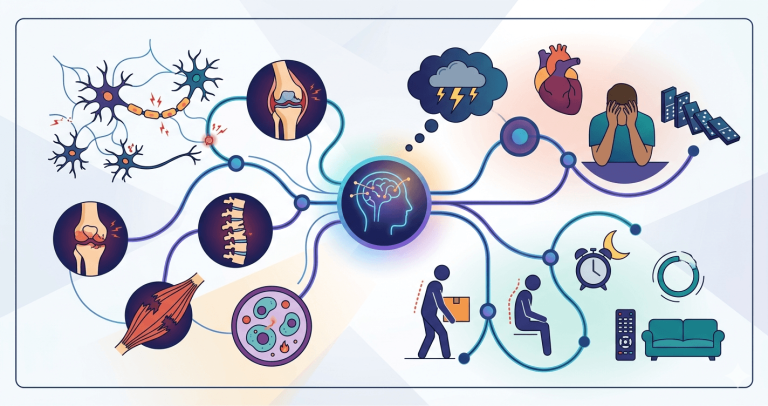
Understanding the Real Causes of Pain
Pain rarely appears without reason. It often builds up gradually due to lifestyle habits, injuries, or underlying conditions.
1. Musculoskeletal Causes
These affect muscles, joints, and bones:
- Prolonged sitting or poor posture (common in desk jobs)
- Sudden strain or lifting injuries
- Age-related wear and tear like osteoarthritis
- Post-surgical stiffness (knee replacement, spine surgery)
2. Neurological Causes
These involve the nervous system:
- Stroke-related weakness or paralysis
- Parkinson’s disease affecting movement control
- Nerve compression (like sciatica)
- Balance and coordination disorders
According to the World Health Organization, musculoskeletal conditions are one of the leading causes of disability globally, significantly impacting quality of life if not treated early.
The key is timely, guided intervention. Instead of delaying treatment, it’s now easier than ever to book a certified female physiotherapist at home and start your recovery journey in a familiar environment.

Why Choose a Certified Female Physiotherapist At Home Ahmedabad?
For many patients—especially elderly women or those recovering from surgery—home care is not just convenient, it’s essential.
Comfort and Privacy
Being treated at home reduces anxiety and allows patients to relax, which improves therapy outcomes.
Personalized Attention
Unlike busy clinics, home sessions are one-on-one, allowing detailed assessment and focused care.
Better Compliance
Patients are more consistent with exercises when therapy is integrated into their daily environment.
Safety for Neurological Patients
Those with balance issues or paralysis benefit from practicing movements in the exact space they live in.
How Physiotherapy Actually Helps: Step-by-Step Approach
Physiotherapy is not just about exercises—it is a structured, evidence-based recovery process.
1. Detailed Clinical Assessment
A certified physiotherapist begins with a thorough evaluation to understand your condition in depth. This includes analyzing pain intensity, joint movement, muscle strength, and daily activity limitations. Such a detailed assessment ensures no underlying issue is overlooked. It forms the foundation for a safe and personalized treatment plan.
A certified physiotherapist evaluates:
- Pain location and intensity
- Range of motion
- Muscle strength
- Functional limitations (walking, sitting, lifting)
This step ensures that treatment is tailored—not generalized.
2. Identifying Root Cause
Pain is often a signal of a deeper problem rather than the actual issue. For example, knee pain may result from weak supporting muscles, while back pain may be linked to poor core strength. Identifying the root cause helps avoid temporary relief solutions. It ensures that treatment addresses the actual source of discomfort.
Pain is often a symptom, not the problem itself. For example:
- Knee pain may be due to weak hip muscles
- Back pain may stem from poor core stability
3. Personalized Treatment Plan
Based on the assessment, a customized therapy plan is designed to suit your specific needs. This may include manual therapy, strengthening exercises, flexibility training, and balance improvement techniques. For neurological cases, specialized rehabilitation methods are used. A tailored approach leads to more effective and long-lasting results.
Based on assessment, therapy may include:
- Manual therapy for pain relief
- Strengthening exercises
- Stretching for flexibility
- Balance and coordination training
- Neuro-rehabilitation techniques
The National Institutes of Health highlights that structured physical rehabilitation significantly improves functional recovery in both musculoskeletal and neurological conditions.
4. Gradual Progression
Recovery in physiotherapy is a step-by-step process, not an overnight change. Exercises are carefully progressed based on your improvement and tolerance. This prevents overexertion while ensuring steady gains in strength and mobility. A guided progression helps achieve safe and sustainable recovery.
5. Education and Prevention
Physiotherapy also focuses on teaching patients how to take care of their bodies. This includes maintaining correct posture, performing daily movements safely, and following home exercise routines. Education empowers patients to stay active without fear of injury. It plays a key role in preventing the recurrence of pain.
Patients are taught:
- Correct posture
- Safe movement techniques
- Home exercise routines
This prevents recurrence of pain.
Read More:- Best Physiotherapy Clinic In Ahmedabad
Real Patient Experience (From Varia Physiotherapy Clinic)
A 52-year-old woman in Ahmedabad contacted us after experiencing severe knee pain for over a year. She had difficulty:
- Climbing stairs
- Standing for long periods
- Performing daily household tasks
She was hesitant to visit a clinic due to discomfort and time constraints.
With a Certified Female Physiotherapist At Home Ahmedabad, her journey began with a simple assessment at home.
Treatment Approach:
- Pain management using manual therapy
- Quadriceps and hip strengthening exercises
- Guided stair-climbing practice
- Lifestyle modifications
Outcome (8–10 weeks):
- Pain reduced significantly
- Able to climb stairs independently
- Improved confidence in daily activities
Her progress wasn’t overnight—but it was steady, safe, and meaningful.
Common Myths vs Facts About Physiotherapy
Myth 1: “Pain will go away on its own.”
Ignoring persistent pain can allow the underlying issue to worsen over time. What starts as mild discomfort may develop into chronic pain or reduced mobility. Early physiotherapy helps identify the root cause and prevents long-term complications. Timely care leads to faster and more effective recovery.
Myth 2: “Physiotherapy is only for serious injuries.”
Physiotherapy is not limited to major injuries or surgeries. It is highly effective in managing early-stage pain, posture-related issues, and muscle imbalances. Starting treatment early can prevent conditions from becoming severe. It also helps maintain long-term physical health and function.
Myth 3: “Bed rest is the best treatment.”
While short rest may help initially, prolonged inactivity can weaken muscles and delay healing. Controlled, guided movement is essential for restoring strength and flexibility. Physiotherapy ensures safe exercises that promote recovery without causing strain. Staying active in the right way speeds up healing.
Myth 4: “Home physiotherapy is less effective.”
Home physiotherapy can be equally effective when guided by a qualified professional. It allows treatment to be personalized based on your daily environment and routine. Patients often feel more comfortable, leading to better consistency and results. With proper supervision, outcomes can match or even exceed clinic-based care.
When Should You See a Physiotherapist?
You should consider physiotherapy if you experience:
- Pain lasting more than 1–2 weeks
- Difficulty walking, bending, or lifting
- Post-surgical stiffness
- Balance issues or frequent falls
- Weakness after stroke or neurological illness
When Referral is Necessary
A physiotherapist may refer you to an orthopedic doctor or neurologist if:
- Severe or unexplained pain persists
- There are signs of nerve damage
- Imaging (X-ray, MRI) is required
- Symptoms worsen despite therapy
Ethical care always prioritizes patient safety over unnecessary treatment.
Related Services You May Find Helpful
- Advanced rehabilitation services in Ahmedabad
- Neurological rehabilitation care
- Post-surgical physiotherapy at home
- Pain management therapy
(Internal links should point to relevant pages on your website.)
Conclusion:
Living with pain or limited mobility can affect every part of your daily life—but the right support can help you regain control and confidence. Choosing a Certified Female Physiotherapist At Home Ahmedabad offers not just convenience, but compassionate, personalized care in an environment where you feel most comfortable. With a structured approach that focuses on accurate assessment, targeted treatment, and gradual progress, physiotherapy helps address the root cause of your condition—not just the symptoms.
At Varia Physiotherapy Clinic, the goal is to provide ethical, evidence-based care that supports long-term recovery and independence. While improvement takes time and consistency, guided physiotherapy can make everyday activities easier and pain-free. If your discomfort has been holding you back, seeking timely help can be the first step toward a healthier, more active life.
Ethical Call-to-Action
If you’re unsure whether your symptoms need attention, it’s okay to start with a simple consultation. Understanding your condition is the first step toward recovery—no pressure, just guidance.
If you’d like to speak with a physiotherapist or book an assessment at Varia Physiotherapy Clinic, you can reach out here:
 Call: +91 95123 79555
 Email: hello.drhetalvaria@gmail.com
 Website: www.variaphysiotherapyclinic.com
Our team is here to listen, assess, and guide you toward safe and effective recovery.
Certified Female Physiotherapist At Home Ahmedabad: FAQs
1. Is home physiotherapy as effective as clinic treatment?
2. How long does recovery take?
3. Do I need a doctor’s referral?
4. Is physiotherapy painful?
5. Can elderly patients benefit from home physiotherapy?
About the Author

Dr. Hetal M Varia
After a rich experience of working in US healthcare as manager and licensed physiotherapist in US for last 11 years, she has returned home with a vision to become pioneer of Vestibular Therapy and specialized Parkinson physiotherapy in Ahmedabad. With her special skills and expertise in vertigo, Parkinson, balance and movement disorders therapy, Dr. Varia is committed to provide US standards of therapy services , compassionate and patient centered care to our people and community. With a vision of the world where everyone walks strong & steady, she intends to empower individuals with vestibular and neurological disorders through specialized care, rehabilitation & innovative therapies to improve mobility, balance & overall quality of life!