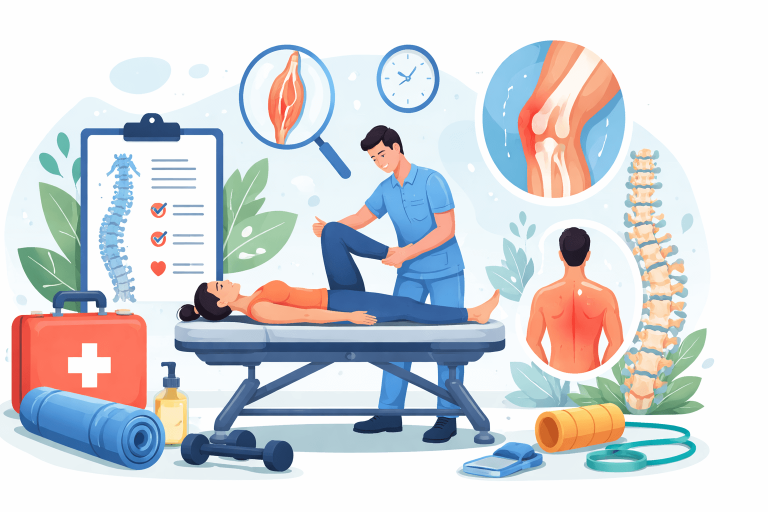
10 Exercises For Lower Back Pain Relief
Lower back pain is one of the most common complaints among adults aged 30–65. Many patients who visit physiotherapy clinics in Ahmedabad say the same thing:
“The pain improves for a few days, but it keeps coming back.”
In most cases, recurring lower back pain is not just about a single injury. It is often caused by a combination of muscle weakness, prolonged sitting, poor posture, and reduced spinal mobility.
At Varia Physiotherapy Clinic, we frequently treat patients whose daily routines involve long hours at a desk, driving, or physically demanding work. While medication may temporarily reduce discomfort, structured exercise is often the most reliable way to improve spinal stability and reduce recurrence.
In this guide, we will explain 10 exercises for lower back pain relief, why they work, and when professional physiotherapy becomes necessary.
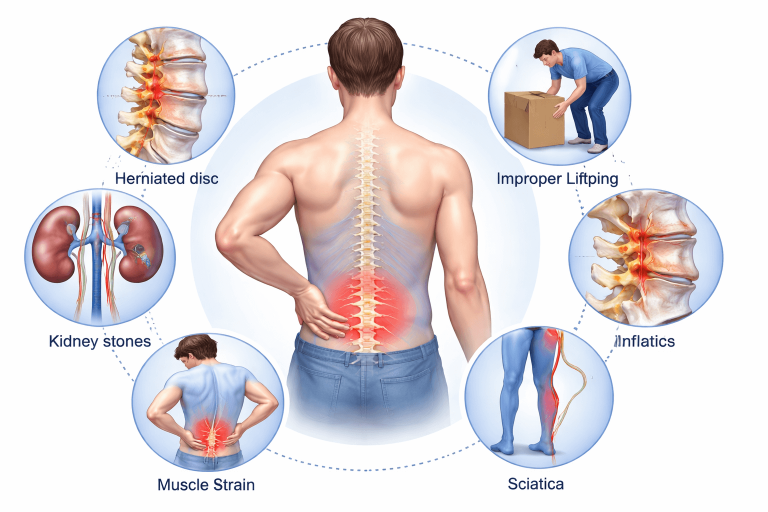
Common Causes of Lower Back Pain
Before starting any exercise program, it is important to understand why lower back pain occurs.
Some of the most common causes include:
- Weak core muscles
- Prolonged sitting posture
- Muscle imbalance around the spine
- Lumbar disc irritation
- Poor lifting mechanics
- Age-related degenerative changes
According to the World Health Organization, musculoskeletal conditions are among the leading contributors to disability worldwide. Early rehabilitation and physical activity are strongly recommended to improve function and prevent long-term limitations.
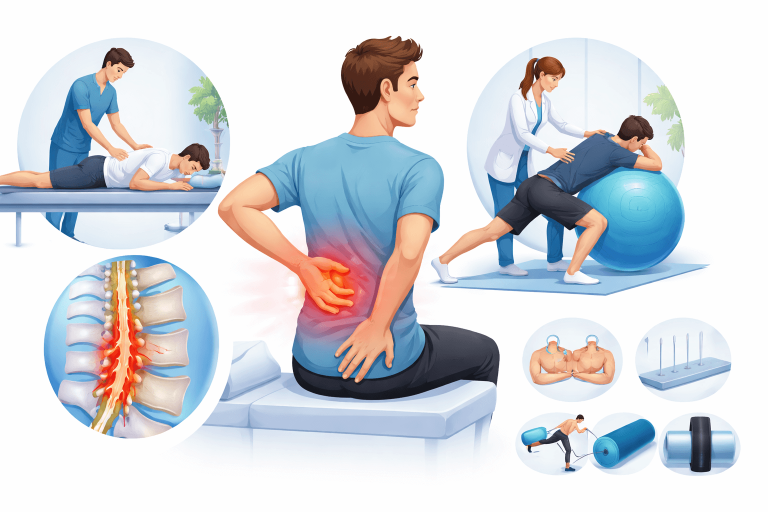
How Physiotherapy Helps Reduce Lower Back Pain
A typical rehabilitation approach includes:
1. Pain Management
Manual therapy and gentle mobilization may be used to reduce muscle tension and improve joint movement. This helps decrease stiffness and prepares the body for active rehabilitation exercises.
2. Core Stabilization
Strengthening deep abdominal and spinal muscles improves support for the lumbar spine. A stable core reduces pressure on the lower back during daily activities like sitting, bending, and lifting.
3. Mobility Restoration
Stretching tight muscles reduces unnecessary strain on the lower back. Improving flexibility in the hips and hamstrings also allows the spine to move more comfortably.
4. Functional Training
Patients learn how to sit, stand, and lift correctly to prevent recurring pain. Correct movement patterns reduce repeated stress on the lower back during everyday tasks.
Research published by the National Institutes of Health shows that therapeutic exercise significantly improves pain levels and functional ability in people with chronic lower back pain.
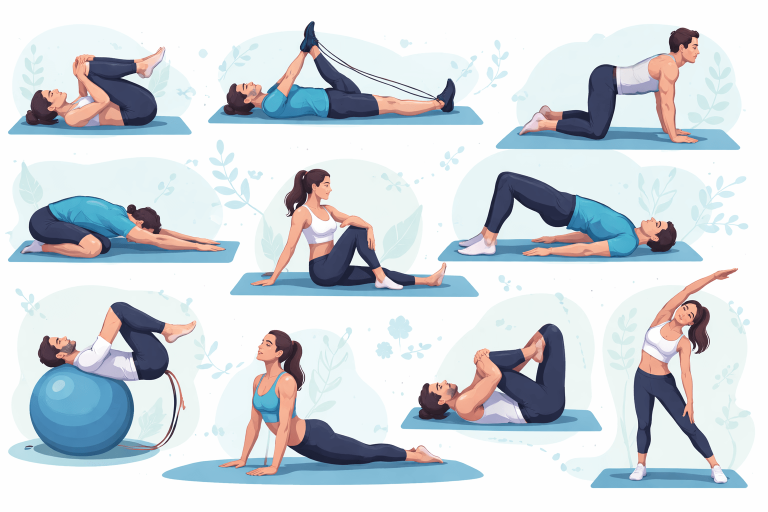
10 Exercises for Lower Back Pain Relief
These exercises are commonly prescribed in physiotherapy programs. They should be performed slowly and within a pain-free range.
1. Pelvic Tilt
Pelvic tilts activate the deep abdominal muscles that support the lower spine.
How to perform:
- Lie on your back with knees bent
- Tighten your abdominal muscles
- Flatten your lower back gently into the floor
- Hold for 5 seconds
Repeat 10–12 times.
2. Knee to Chest Stretch
This exercise reduces stiffness in the lower back and hips.
Steps:
- Lie on your back
- Pull one knee toward your chest
- Hold for 10 seconds
- Switch legs
Perform 8–10 repetitions per side.
3. Cat–Camel Stretch
A gentle spinal mobility exercise often used in early physiotherapy.
Steps:
- Start on hands and knees
- Arch your back upward (cat position)
- Slowly drop your spine downward (camel position)
Repeat 10 times slowly.
4. Glute Bridge
Weak glute muscles often contribute to back pain.
How to perform:
- Lie on your back with knees bent
- Lift your hips toward the ceiling
- Hold for 5 seconds
Perform 10–12 repetitions.
5. Bird Dog Exercise
This exercise improves spinal stability and coordination.
Steps:
- Start on hands and knees
- Extend opposite arm and leg
- Hold for 5 seconds
Repeat 10 times per side.
6. Partial Crunch
Strengthening abdominal muscles helps support the spine.
Steps:
- Lie on your back with knees bent
- Lift shoulders slightly off the floor
- Keep neck relaxed
Repeat 10–15 times.
7. Hamstring Stretch
Tight hamstrings can increase stress on the lower back.
Steps:
- Sit with one leg extended
- Lean forward gently
- Hold for 10–15 seconds
Repeat 5 times per leg.
8. Wall Sits
Wall sits strengthen the lower body and support spinal stability.
Steps:
- Stand with your back against a wall
- Slide down until knees are slightly bent
- Hold for 10 seconds
Repeat 5–8 times.
9. Lumbar Rotation Stretch
This exercise improves rotational mobility of the spine.
Steps:
- Lie on your back with knees bent
- Slowly drop both knees to one side
- Hold for 10 seconds
Repeat 8–10 times.
10. Child’s Pose Stretch
This stretch gently decompresses the lower spine.
Steps:
- Kneel on the floor
- Sit back onto your heels
- Stretch arms forward
Hold for 20 seconds.
Real Patient Scenario
A 42-year-old office professional visited Varia Physiotherapy Clinic with recurring lower back pain lasting more than 6 months. The pain worsened after long working hours at a computer.
During assessment we found:
- Weak core muscles
- Tight hamstrings
- Poor sitting posture
Instead of relying only on passive treatments, we introduced a structured exercise program including pelvic tilts, glute bridges, and mobility drills.
Within 5 weeks:
- Pain intensity reduced significantly
- Sitting tolerance improved
- Recurrence episodes decreased
The key factor was consistent exercise and posture correction, not temporary pain relief methods.
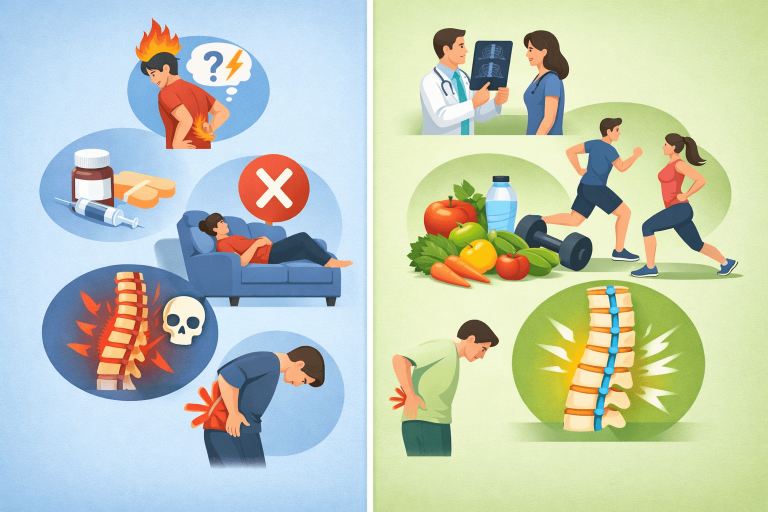
Myths vs Facts About Lower Back Pain
Myth: Bed rest is the best treatment for back pain.
Fact: Prolonged rest can actually worsen stiffness and muscle weakness.
Myth: Pain always means serious spinal damage.
Fact: Many cases are caused by muscle imbalance and can improve with physiotherapy.
Myth: Exercises should stop completely if pain exists.
Fact: Controlled therapeutic exercises are often part of recovery.
When Should You See a Physiotherapist?
While mild discomfort may improve with simple exercises, professional evaluation is recommended if:
Pain lasts more than 7–10 days
If lower back pain continues for more than a week despite rest or basic care, it may indicate an underlying issue such as muscle imbalance, joint irritation, or disc involvement. A physiotherapy assessment can help identify the cause and guide appropriate treatment before the problem becomes chronic.
Pain radiates down the leg
Pain that travels from the lower back into the leg may suggest nerve irritation, commonly associated with conditions like sciatica or disc problems. Early evaluation helps determine whether the pain is nerve-related and whether physiotherapy or medical referral is needed.
Numbness or tingling occurs
Tingling, pins-and-needles sensation, or numbness in the leg or foot can indicate nerve compression. These symptoms should not be ignored, as proper assessment helps prevent worsening nerve irritation and supports safe recovery.
Movement becomes difficult
If simple activities such as bending, standing, or walking become difficult due to back pain, it may indicate reduced spinal mobility or muscle weakness. Guided physiotherapy can help restore movement safely and improve functional ability.
Pain returns frequently
Recurring episodes of back pain often mean the underlying cause has not been addressed. Physiotherapy focuses on strengthening, posture correction, and movement retraining to reduce the chances of repeated flare-ups.
In such cases, assessment by a physiotherapist helps identify the underlying cause. You may explore our detailed guide on Back Pain Treatment in Ahmedabad to understand available treatment approaches.
When Medical Referral May Be Necessary
Physiotherapy is effective for many musculoskeletal conditions, but some symptoms require medical evaluation.
Seek immediate care if you experience:
- Loss of bladder or bowel control
- Progressive leg weakness
- Severe trauma to the spine
- Persistent night pain
In these cases, imaging or specialist consultation may be required.
Conclusion
If lower back pain is affecting your daily routine, ignoring it may allow stiffness and muscle weakness to worsen over time. Early physiotherapy assessment can identify the root cause and guide safe rehabilitation.
If you are looking for professional support, consult the team at Varia Physiotherapy Clinic — where treatment focuses on evidence-based physiotherapy and long-term recovery, not temporary relief.
Exercises For Lower Back Pain Relief - FAQs