Multiple Sclerosis Physiotherapy Clinic In Ahmedabad
Recovering from a stroke can feel overwhelming—not just physically, but emotionally too. Simple activities like walking, speaking, or even lifting a cup may suddenly become difficult. For many families in Ahmedabad, the question is not just “Can recovery happen?” but “Where do we begin?”
If you or a loved one is searching for the Best Physiotherapy For Stroke Patients In Ahmedabad, this guide is written to help you understand what truly matters—real recovery, realistic timelines, and the right care approach.
At Varia Physiotherapy Clinic, the focus is not just on exercises—it’s about rebuilding independence, confidence, and quality of life.
Understanding Stroke in Simple Terms
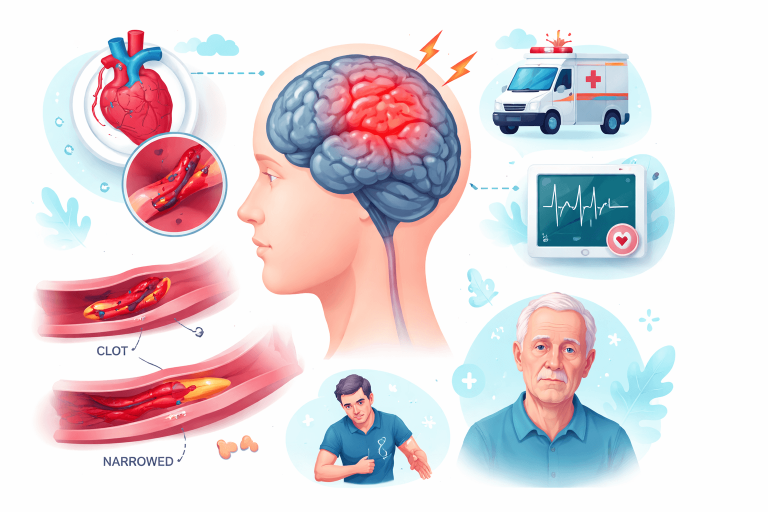
A stroke occurs when blood flow to a part of the brain is disrupted. This can happen due to a blockage (ischemic stroke) or bleeding (hemorrhagic stroke). When brain cells don’t receive oxygen, they begin to get damaged.
According to the World Health Organization, stroke is one of the leading causes of long-term disability worldwide.
Common Challenges After Stroke
Patients commonly experience:
- Weakness or paralysis on one side of the body
- Difficulty walking or balancing
- Muscle stiffness (spasticity)
- Speech and coordination problems
- Fatigue and reduced endurance
These challenges vary depending on which part of the brain was affected.
Why Physiotherapy Is Essential After Stroke
Recovery after stroke is not automatic—it requires guided rehabilitation. This is where physiotherapy plays a central role.
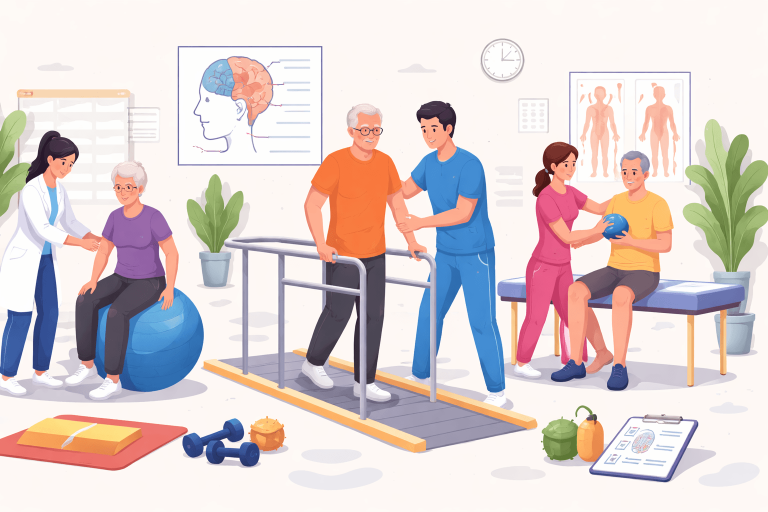
The goal of physiotherapy is to retrain the brain and body to work together again, a process known as neuroplasticity.
Research from National Institutes of Health shows that early and structured rehabilitation significantly improves functional outcomes.
Best Physiotherapy For Stroke Patients In Ahmedabad: What It Actually Involves
When people search for the Best Physiotherapy For Stroke Patients In Ahmedabad, they are often looking for more than just a clinic—they want a structured, personalized recovery plan.
Here’s what evidence-based stroke physiotherapy typically includes:
1. Detailed Clinical Assessment
A detailed clinical assessment helps the physiotherapist understand the patient’s current physical condition, including strength, balance, and movement limitations. This ensures a personalized treatment plan tailored to the patient’s specific recovery needs. To experience Trusted physiotherapy care in Ahmedabad
Every treatment begins with understanding:
- Muscle strength and tone
- Joint mobility
- Balance and coordination
- Functional abilities (walking, sitting, transfers)
This ensures that therapy is tailored—not generic.
2. Early Mobilization
As soon as medically safe, patients are encouraged to start moving.
This may include:
- Assisted sitting and standing
- Bed mobility training
- Guided walking with support
Early movement helps prevent complications like stiffness and muscle loss.
3. Neuro Rehabilitation Exercises
These are specialized exercises designed to retrain the brain.
Examples include:
- Task-specific training (grasping objects, stepping patterns)
- Mirror therapy
- Constraint-induced movement therapy
These techniques stimulate brain recovery pathways.
4. Balance and Gait Training
Many stroke patients struggle with walking.
Therapists work on:
- Weight shifting
- Postural control
- Safe walking patterns
Assistive devices may be used initially but gradually reduced.
5. Spasticity Management
Muscle stiffness can limit movement.
Treatment may include:
- Stretching techniques
- Positioning strategies
- Neuromuscular facilitation
In some cases, referral to a neurologist for medical management is necessary.
6. Functional Independence Training
The ultimate goal is independence.
Therapy focuses on:
- Getting out of bed safely
- Climbing stairs
- Performing daily activities
Real Patient Experience (From Clinical Practice)
A 58-year-old businessman in Ahmedabad came to Varia Physiotherapy Clinic two weeks after a stroke. He had weakness on his right side and needed assistance to walk. With specialized physiotherapy support for stroke recovery, he began a structured rehabilitation program focused on improving strength, balance, and independence.
Initial Challenges:
- Could not stand without support
- Poor balance
- Fear of falling
Treatment Approach:
- Early mobilization and assisted standing
- Progressive gait training
- Functional task practice (chair transfers, walking short distances)
Outcome (After 10 Weeks):
- Walking independently indoors
- Improved confidence
- Able to perform basic daily tasks
This kind of recovery is not instant—but with consistency, it is achievable.
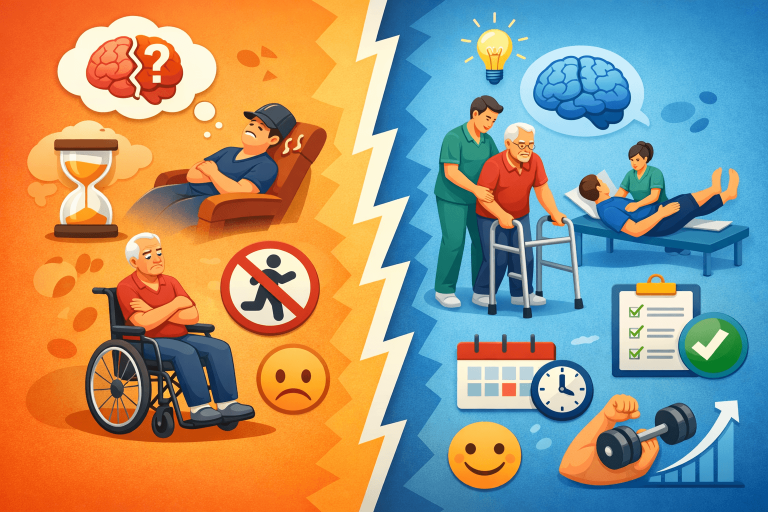
Common Myths vs Facts About Stroke Physiotherapy
Myth 1: “Recovery only happens in the first few weeks”
Stroke recovery does not stop after the initial weeks. The brain continues to adapt and improve through a process called neuroplasticity. With consistent physiotherapy and guided rehabilitation, patients can see progress for months or even years. The key is regular practice and patience.
Myth 2: “Rest is better than movement”
While rest is important in the early phase, too much inactivity can slow recovery. Controlled, guided movement helps stimulate the brain and rebuild lost functions. Physiotherapy ensures movements are safe and effective. Staying active in the right way is essential for better outcomes.
Myth 3: “Physiotherapy is just exercise”
Physiotherapy goes far beyond basic exercises. It involves structured, evidence-based techniques designed to retrain the brain and body. Therapists use clinical reasoning to create personalized treatment plans. Each session is goal-oriented and focused on functional recovery.
Myth 4: “Complete recovery is guaranteed”
Every stroke is different, and so is every recovery journey. While some patients regain near-normal function, others may have lasting limitations. The goal of physiotherapy is to maximize independence and improve quality of life. Realistic expectations and consistent effort are crucial.
When Should You See a Physiotherapist?
You should start physiotherapy:
- As soon as your doctor allows
- If you notice weakness or imbalance
- If daily activities become difficult
When to Consult a Specialist
Sometimes physiotherapists may recommend:
- A neurologist for persistent weakness or spasticity
- An orthopedic doctor for joint complications
- A speech therapist for communication issues
This multidisciplinary approach ensures safe and effective recovery.
Internal Support at Varia Physiotherapy Clinic
For stroke patients, integrated care often includes:
- Neuro physiotherapy programs
- Balance and gait training
- Home physiotherapy services
You may also explore:
- Neuro Physiotherapy Treatment in Ahmedabad
- Home Physiotherapy Services in Ahmedabad
- Balance Rehabilitation Programs
(These internal resources help patients continue recovery consistently.)
Realistic Recovery Timeline
Stroke recovery is different for everyone, but a general timeline looks like:
- First 1–3 months: Rapid improvement phase
- 3–6 months: Continued progress with therapy
- 6+ months: Slower but meaningful functional gains
Consistency matters more than speed.
Best Physiotherapy for Stroke Patients in Ahmedabad: FAQs
Reference: