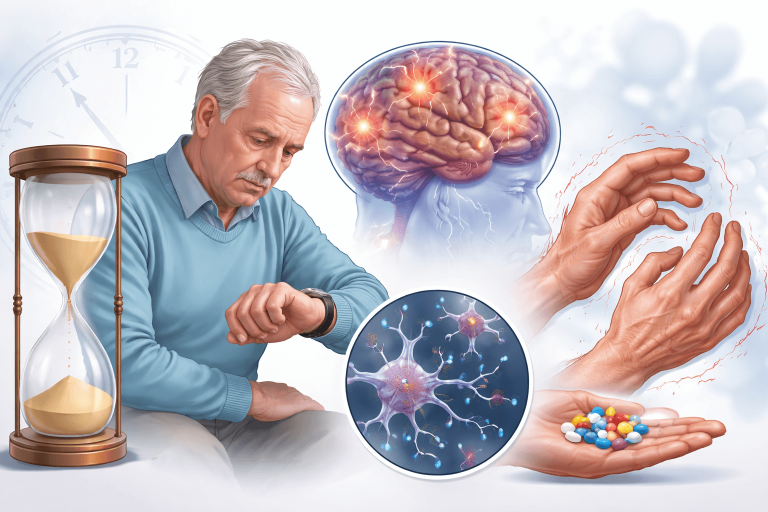
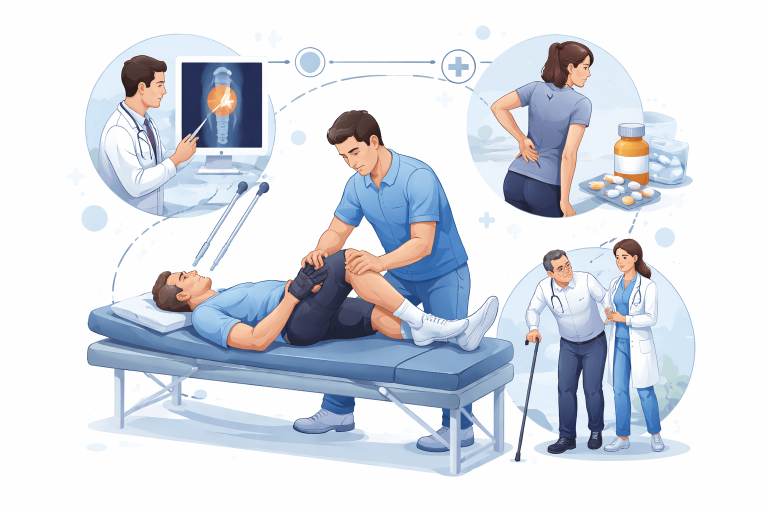
Benefits of Starting Physiotherapy Early In Parkinson’s Disease
A clinician’s guide to protecting movement, confidence, and long-term independence. Parkinson’s disease often begins quietly.
A slight slowness while walking, reduced arm swing, subtle balance changes, or stiffness that people dismiss as “age-related.” Many patients delay physiotherapy because they believe treatment is only needed when symptoms become severe.
From clinical experience, this delay is one of the most avoidable mistakes in Parkinson’s care.
Early physiotherapy does not cure Parkinson’s disease but it can significantly influence how well a person moves, adapts, and maintains independence over time.
This article explains why starting early matters, what physiotherapy realistically helps with, and how patients and families can make informed decisions.
Physiotherapy Early in Parkinson’s Disease
Parkinson’s disease is a progressive neurological condition caused by reduced dopamine in specific brain areas that control movement. Symptoms vary widely between individuals and may include:
- Slowness of movement (bradykinesia)
- Muscle stiffness or rigidity
- Balance and postural instability
- Reduced facial expression or voice volume
- Changes in walking pattern
- Fatigue and reduced endurance
Importantly, movement changes often begin long before major disability appears. This early phase is where physiotherapy has its greatest long-term impact.
Why “Waiting” Often Backfires in Parkinson’s Disease
Start physiotherapy later, when symptoms worsen. Clinically, this approach ignores how Parkinson’s affects movement learning. Once poor posture, reduced stride length, or fear of falling become habitual, they are harder to reverse, which is why early intervention shows how physiotherapy slows mobility decline in Parkinson’s by reinforcing correct movement patterns before they become deeply ingrained.
Early physiotherapy focuses on:
- Preserving normal movement patterns
- Preventing secondary complications
- Teaching strategies before falls and freezing occur
This is not about intensity — it’s about timing and precision.
What Early Physiotherapy Actually Means
Early physiotherapy does not mean exhausting workouts or aggressive exercise programs.
Early physiotherapy focuses on:
It means:
- Careful movement assessment
- Education about posture, walking, and balance
- Targeted exercises based on current symptoms
- Preventive strategies for future challenges
The aim is to stay ahead of the disease, not chase symptoms after they appear.
Key Benefits of Starting Physiotherapy Early in Parkinson’s Disease
1. Preserves Movement Quality, Not Just Strength
- “Physiotherapy fixes everything in 10 sessions”
- “One exercise fits all back pain”
- “Vertigo is only a neck problem”
- “Parkinson’s can’t improve with physiotherapy” (this is flat-out wrong)
Normal walking rhythm
A steady walking rhythm helps maintain balance and reduce the risk of freezing or shuffling. In Parkinson’s disease, this rhythm can slow or become irregular, and physiotherapy focuses on restoring a more natural, confident walking pattern.
Arm swing and trunk rotation
Arm swing and gentle trunk rotation keep walking balanced and energy-efficient. Parkinson’s often reduces these movements, making gait stiff and unstable. Targeted therapy helps bring these natural movements back into daily walking.
Upright posture
An upright posture allows better balance, breathing, and movement control. Forward bending or slouched posture can increase stiffness and fall risk—this is why early rehabilitation for Parkinson’s in Ahmedabad focuses on improving posture awareness and strength to support safer mobility.
Smooth transitions between movements
Transitions like starting to walk, turning, or standing up require coordination and timing. Parkinson’s can make these moments feel hesitant or jerky. Guided practice helps movements become smoother and more predictable.
2. Reduces Early Balance Decline and Fall Risk
Balance issues don’t appear suddenly — they develop gradually. Early training improves:
- Postural reactions
- Weight shifting
- Confidence during turning and uneven surfaces
Patients who start early often experience fewer falls later, even as the disease progresses.
3. Delays Secondary Problems Caused by Inactivity
Fear of falling leads many patients to move less. Reduced movement causes:
- Stiffness
- Reduced endurance
- Increased fatigue
- Loss of confidence
Physiotherapy keeps patients active within safe limits, preventing this downward cycle.
4. Teaches Compensatory Strategies Before Crisis Points
Parkinson’s affects automatic movement. Physiotherapy teaches:
Cueing strategies (visual, auditory, tactile)
Cueing strategies use simple external signals like floor markers, rhythm cues, or gentle touch to help start or maintain movement. These cues support the brain when automatic movement becomes difficult, improving walking flow and confidence.
Safe turning techniques
Turning is a common moment for imbalance or freezing. Physiotherapy teaches step-by-step turning methods that reduce sudden twisting, improve stability, and lower fall risk during daily activities.
Freezing prevention strategies
Freezing often occurs during movement initiation or tight spaces. Learning specific techniques helps patients pause safely, reset movement, and restart walking without panic or unsafe rushing.
Energy conservation methods
Energy conservation focuses on managing fatigue by balancing activity and rest. Simple planning and pacing techniques help patients stay active throughout the day without overexertion or symptom flare-ups.
5. Provides Psychological Reassurance and Control
Early diagnosis often creates anxiety and uncertainty. Physiotherapy helps by:
Explaining what changes are normal
Understanding which symptoms are expected in Parkinson’s disease helps reduce unnecessary worry. Clear explanation allows patients and families to recognize normal fluctuations versus signs that need medical attention.
Setting realistic expectations
Parkinson’s progresses differently in each person. Setting honest, achievable expectations helps patients focus on meaningful improvements rather than comparing themselves to others or expecting rapid changes.
Giving patients active tools to manage symptoms
Physiotherapy provides practical strategies patients can use daily, such as movement cues, posture awareness, and pacing techniques. Having these tools helps patients feel more in control of their condition.
Reducing fear of the future
Uncertainty can be overwhelming after diagnosis. Education and guidance help patients understand that support, strategies, and care options are available, making the future feel more manageable rather than frightening.
What Early Physiotherapy Does NOT Do
Early physiotherapy:
- Does not stop disease progression
- Does not replace medication
- Does not guarantee symptom prevention
However, it changes how well the body adapts, which directly affects independence and quality of life.
Step-by-Step: What Patients Should Do After Diagnosis
Step 1: Don’t Wait for “Severe” Symptoms
If movement, balance, or posture feels different — that’s enough reason to start.
Step 2: Get an Individual Assessment
Avoid generic exercise plans. Parkinson’s symptoms are highly individual.
Step 3: Focus on Movement Quality First
Posture, walking pattern, and balance matter more than intensity early on.
Step 4: Review and Adapt Over Time
Physiotherapy plans should evolve as symptoms change.
When Physiotherapy Alone Is Not Enough
Physiotherapy works best alongside medical care. Referral back to a neurologist is needed if there are:
Sudden worsening of balance or falls
A sudden increase in unsteadiness or repeated falls is not a normal part of day-to-day fluctuation in Parkinson’s disease. This can signal a change in the condition, medication effects, or another medical issue and needs prompt medical review.
Severe freezing of gait
When freezing becomes frequent, prolonged, or leads to near falls, physiotherapy strategies alone may not be enough. Medical reassessment helps determine whether medication timing or dosage needs adjustment.
Significant cognitive decline
Noticeable changes in memory, attention, or understanding can affect safety during movement and exercises. These symptoms require medical evaluation and may change how rehabilitation is planned and delivered.
Medication-related movement fluctuations
If movement quality varies greatly depending on medication timing such as sudden stiffness or excessive movements this should be discussed with a neurologist. Therapy plans often need to be coordinated with medication schedules for safety and effectiveness.
Common Home Mistakes That Worsen Parkinson’s Symptoms
From clinical experience, frequent issues include:
- Avoiding movement due to fear
- Overdoing exercises without rest
- Ignoring posture during daily activities
- Starting walking aids without professional advice
A Realistic Clinical Example
A recently diagnosed Parkinson’s patient came for physiotherapy with mild slowness and balance hesitation but no falls. Therapy focused on posture, walking rhythm, and balance confidence.
Two years later, despite disease progression, the patient remained independent, fall-free, and active not because the disease stopped, but because movement habits were protected early. This is a common and realistic outcome.
How Long Does Early Physiotherapy Continue?
Early physiotherapy is not always continuous. It often involves:
Initial guided sessions
Early sessions focus on assessment, education, and learning correct movement strategies. This phase helps patients understand their condition and perform exercises safely and effectively from the start.
Periodic reviews
Regular reviews allow the physiotherapist to track progress, address new challenges, and prevent unsafe habits. Parkinson’s symptoms can change over time, so reassessment is essential for continued benefit.
Adjustments as symptoms evolve
As the condition progresses or fluctuates, exercises and strategies must be modified. Timely adjustments help maintain safety, reduce frustration, and keep rehabilitation relevant to daily needs.
Ongoing home programs
Home programs support consistency between therapy sessions. These routines are tailored to the individual’s abilities and are designed to be safe, manageable, and sustainable in everyday life.
Final Thoughts From a Physiotherapy Doctor
Starting physiotherapy early in Parkinson’s disease is not about urgency — it’s about foresight.
The greatest benefit lies in:
- Preserving movement confidence
- Preventing avoidable decline
- Teaching strategies before crises
- Supporting long-term independence
Early physiotherapy doesn’t promise control over the disease but it gives patients control over how they live with it.
Benefits of Starting Physiotherapy Early in Parkinson’s Disease - FAQs
References