
Benefits Of Neuro Physiotherapy For Brain Injury
Brain injury changes life suddenly — for the patient and the family. One day everything feels normal, and the next, simple tasks like sitting, speaking, or walking require help. In this phase, many families hear the term “neuro physiotherapy” but don’t fully understand what it involves, how it helps, or what results are realistically possible.
As a physiotherapy doctor working closely with brain injury patients, my role is not just to provide exercises — it’s to guide recovery safely, prevent complications, and help families make informed decisions.
This article explains what neuro physiotherapy truly offers after brain injury, who benefits the most, and where its limits lie.
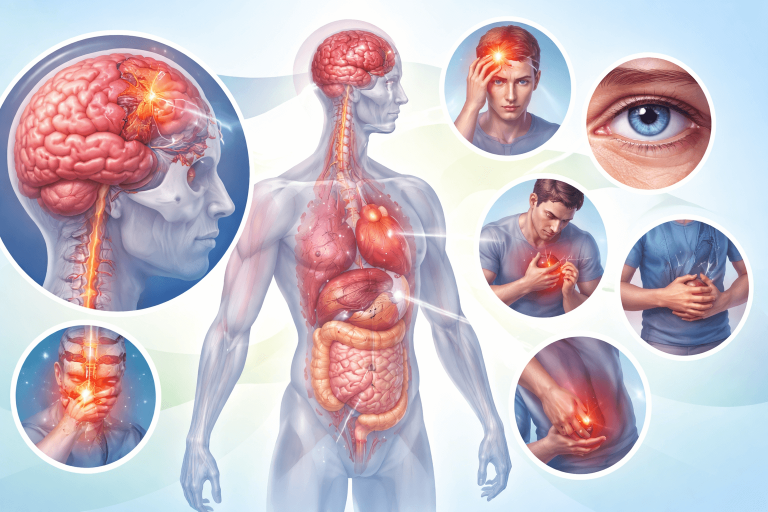
Understanding Brain Injury and Its Impact on the Body
Brain injury can occur due to:
Stroke (ischemic or hemorrhagic)
A stroke happens when blood flow to part of the brain is blocked or when a blood vessel bursts. This can suddenly affect movement, speech, balance, or thinking. Early medical care and timely rehabilitation play a key role in preventing long-term disability.
Traumatic brain injury (road accidents, falls)
Traumatic brain injury occurs when a sudden impact or blow damages the brain. Symptoms may range from mild confusion to severe movement and balance problems. Recovery often requires structured rehabilitation and close monitoring, as progress can change over time.
Lack of oxygen to the brain
When the brain does not receive enough oxygen, brain cells can be injured within minutes. This may happen after cardiac arrest, drowning, or severe breathing problems. Rehabilitation focuses on restoring function while carefully managing fatigue and safety.
Brain infections or tumors
Infections or tumors in the brain can disrupt normal brain function by causing inflammation, pressure, or damage to surrounding tissue. Symptoms often develop gradually and may include weakness, coordination issues, or changes in behavior. Treatment usually involves medical or surgical care followed by rehabilitation.
Post-surgical brain trauma
Brain surgery, even when successful, can temporarily or permanently affect movement, balance, or coordination. Rehabilitation helps the brain and body adapt after surgery—this is where neuro physiotherapy for brain injury in Ahmedabad plays an important role in supporting safe recovery while respecting healing timelines and medical precautions.
Depending on the area affected, patients may experience:
- Weakness or paralysis on one side of the body
- Poor balance and coordination
- Muscle stiffness or abnormal movements
- Difficulty sitting, standing, or walking
- Loss of hand function
- Fatigue and reduced endurance
- Changes in awareness or responsiveness
One important truth families must understand early:
Brain injury recovery is not linear. Progress is often slow, uneven, and individual.
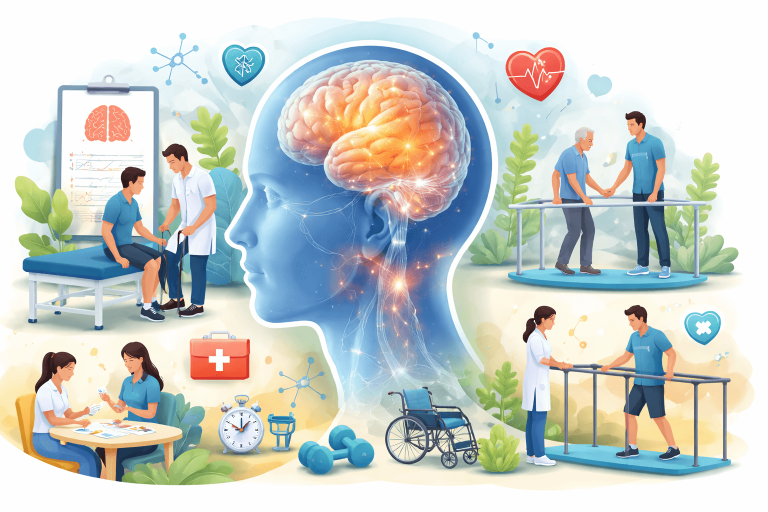
What Is Neuro Physiotherapy — Beyond Exercises
Neuro physiotherapy is not a set of generic movements. It is a clinical process based on:
- Understanding how the injured brain is sending (or failing to send) signals
- Identifying which movements are compensatory and which are restorative
- Preventing secondary damage caused by immobility or incorrect handling
A trained neuro physiotherapist continuously assesses:
Muscle tone and control
Muscle tone refers to how relaxed or stiff your muscles are at rest and during movement. After neurological injury, tone can become too tight or too weak, making movement difficult. Physiotherapy helps guide muscles toward more controlled, usable movement rather than forcing strength.
Postural reactions
Postural reactions are your body’s automatic responses that help you stay upright when you move or lose balance. These reactions are often reduced after brain or nerve injury. Rehabilitation focuses on retraining these natural responses to improve stability and confidence.
Balance strategies
Balance strategies are the ways your body adjusts when you sit, stand, or walk on uneven surfaces. Neurological conditions can disrupt these adjustments, increasing the risk of falls. Therapy helps rebuild safe and effective balance responses step by step.
Functional movement patterns
Functional movement patterns are how you perform everyday actions like standing up, reaching, or walking. After injury, the body may adopt inefficient or unsafe ways of moving. Physiotherapy aims to retrain movements that are practical, energy-efficient, and protective.
Safety during daily activities
Safety during daily activities means being able to move without falling, strain, or injury. This includes transfers, walking, and personal care tasks. Physiotherapists guide patients and caregivers on safe techniques to support independence while reducing risk. The goal is not just movement — it is meaningful, usable movement.
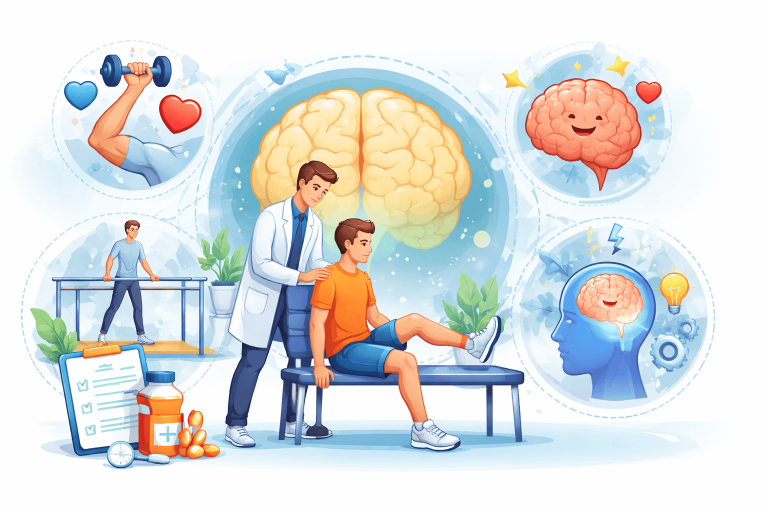
Key Benefits of Neuro Physiotherapy for Brain Injury
1. Prevents Complications Before They Become Permanent
In the early stages, the biggest risk is doing too little or doing the wrong things.
Neuro physiotherapy helps prevent:
- Joint stiffness and contractures
- Shoulder subluxation after stroke
- Pressure sores due to poor positioning
- Respiratory complications from inactivity
- Learned non-use of affected limbs
2. Helps the Brain Relearn Movement Safely
The brain has a remarkable ability called neuroplasticity — the capacity to reorganize and relearn skills. But this happens only with correct, repeated input.
Through guided movement:
- The brain receives accurate sensory feedback
- Abnormal movement patterns are minimized
- Functional pathways are encouraged over compensations
3. Improves Balance, Sitting, and Walking Control
Many brain injury patients can move their limbs but cannot control posture or balance. Neuro physiotherapy focuses heavily on:
- Trunk stability
- Weight shifting
- Sitting balance before standing
- Standing balance before walking
Skipping these steps is one of the most common reasons patients fall or lose confidence later.
4. Restores Functional Independence — Not Just Strength
Strength alone does not equal function.
Neuro physiotherapy works on:
- Sit-to-stand transitions
- Bed mobility
- Safe transfers
- Hand use during daily tasks
- Gait quality, not just walking distance
The aim is independence within realistic limits, not forcing milestones.
5. Provides Structure and Emotional Reassurance
Brain injury recovery is emotionally exhausting. A clear physiotherapy plan helps by:
Setting achievable short-term goals
Recovery after neurological injury happens in small steps. Setting realistic short-term goals helps patients see progress, stay motivated, and avoid frustration from expecting rapid changes that the body is not yet ready for.
Explaining why progress may fluctuate
Improvement is rarely steady after brain or nerve injury. Some days will feel better than others due to fatigue, medical factors, or brain recovery patterns. Understanding this helps patients and families stay patient and avoid unnecessary worry.
Reducing fear when plateaus occur
Plateaus are a normal part of neurological recovery and do not mean therapy has failed. During these phases, the brain is often adapting internally, even when visible progress slows. Clear explanation helps reduce anxiety and prevents people from giving up too early.
Supporting caregivers with safe handling techniques
Caregivers play a major role in daily recovery. Learning safe ways to assist with movement, transfers, and positioning protects both the patient and the caregiver from injury while supporting consistent rehabilitation.
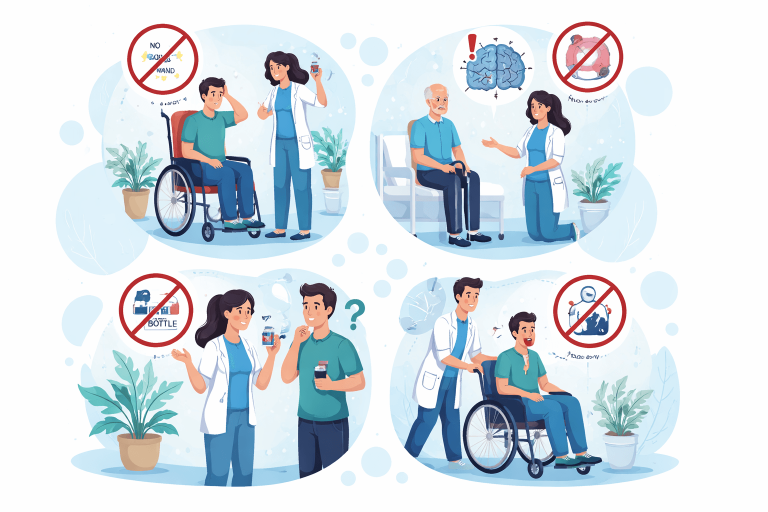
What Neuro Physiotherapy Cannot Do
Being honest matters.
Neuro physiotherapy:
- Cannot “cure” brain damage
- Cannot guarantee full recovery
- Cannot replace medical or surgical care when needed
Recovery depends on:
- Severity and location of injury
- Age and medical stability
- Time since injury
- Consistency and quality of rehabilitation
When Should Neuro Physiotherapy Start?
In most cases:
- Early intervention is beneficial, once the patient is medically stable
- Delaying therapy increases the risk of stiffness, weakness, and poor movement habits
However, therapy should never start without:
- Medical clearance
- Blood pressure and vitals stability
- Proper neurological assessment

Step-by-Step: What Patients and Families Should Do
Step 1: Get a Clear Medical Diagnosis
Understand the type, cause, and extent of brain injury.
Step 2: Start With Assessment, Not Exercises
Avoid jumping into YouTube or generic rehab plans.
Step 3: Focus on Positioning and Basic Movement First
Early stages matter more than advanced exercises.
Step 4: Progress Gradually
Rushing walking or standing often delays long-term outcomes.
Step 5: Review Progress Regularly
Rehab plans must evolve as the patient changes.

Common Home Mistakes That Slow Recovery
From clinical experience, these are frequent issues:
- Forcing movement despite pain or resistance
- Ignoring posture and positioning
- Over-exercising the unaffected side
- Starting walking too early without balance control
- Believing “more is always better”
Recovery improves with precision, not intensity.

When Physiotherapy Alone Is Not Enough
Neuro physiotherapy works best as part of a team. When considering neuro physiotherapy for brain injury recovery, referral is needed if there are:
Sudden neurological deterioration
Any rapid worsening of movement, speech, alertness, or strength is not normal during rehabilitation. This may signal a new medical issue and requires immediate medical evaluation rather than continuing routine therapy.
Increasing spasticity or pain
A sudden increase in muscle tightness or pain can indicate improper handling, over-exertion, or progression of neurological involvement. Early medical review helps prevent long-term stiffness, injury, or loss of function.
Seizures
Seizures are a medical emergency and should never be managed through physiotherapy alone. Therapy must pause until medical stabilization, and rehabilitation plans should be adjusted under neurological supervision.
Uncontrolled blood pressure
Poorly controlled blood pressure increases the risk of further brain injury, especially after stroke. Physiotherapy should be carefully modified or temporarily stopped until blood pressure is medically stabilized.
Severe cognitive or swallowing issues
Significant problems with understanding, awareness, or swallowing raise safety concerns during rehabilitation. These require multidisciplinary care, including medical, speech, and nutritional support, before progressing therapy intensity.

A Realistic Clinical Example (Anonymized)
A middle-aged stroke patient came to therapy three months post-event. Walking had started early but without trunk control. He could walk short distances but fell frequently and avoided activity.
By stepping back to work on:
- Sitting balance
- Weight shifting
- Controlled standing
- Gait quality over speed
Walking confidence improved within weeks, even though distance increased slowly. This is a common pattern slower steps often lead to safer progress.
Final Thoughts from a Clinician
Neuro physiotherapy is not about pushing harder. It is about guiding the nervous system patiently and safely.
For brain injury patients, the real benefit lies in:
- Preventing avoidable complications
- Supporting meaningful recovery
- Helping families understand what is realistic
- Making each stage of recovery purposeful
If chosen correctly and started at the right time, neuro physiotherapy becomes a foundation — not a promise, but a pathway.
Benefits Of Neuro Physiotherapy For Brain Injury - FAQs
Q1.When should neuro physiotherapy start after a brain injury?
Q2.How long does recovery with neuro physiotherapy take?
Q3. Can neuro physiotherapy completely cure brain injury?
Q4. Is home-based neuro physiotherapy effective?
Q5. What signs indicate that medical review is needed during rehabilitation?
References
About the Author

Dr. Hetal M Varia
After a rich experience of working in US healthcare as manager and licensed physiotherapist in US for last 11 years, she has returned home with a vision to become pioneer of Vestibular Therapy and specialized Parkinson physiotherapy in Ahmedabad. With her special skills and expertise in vertigo, Parkinson, balance and movement disorders therapy, Dr. Varia is committed to provide US standards of therapy services , compassionate and patient centered care to our people and community. With a vision of the world where everyone walks strong & steady, she intends to empower individuals with vestibular and neurological disorders through specialized care, rehabilitation & innovative therapies to improve mobility, balance & overall quality of life!