
Advanced Neuro Rehabilitation Techniques In Ahmedabad | Faster Recovery Care
When your body stops responding the way it used to, even simple daily activities can feel overwhelming. Many patients who walk into Varia Physiotherapy Clinic in Ahmedabad describe the same experience—difficulty walking, weakness in the limbs, loss of balance, or persistent pain that limits independence.
What often begins as a medical condition gradually becomes a lifestyle challenge. Whether it’s recovering after a stroke, managing a neurological disorder, or dealing with long-standing musculoskeletal pain, the question remains the same: “How can I recover faster and safely?”
This is where Advanced Neuro Rehabilitation Techniques in Ahmedabad | Faster Recovery Care plays a critical role. These techniques are not just about exercise—they are about retraining the brain, restoring movement, and helping patients regain control over their lives through a structured, evidence-based approach.
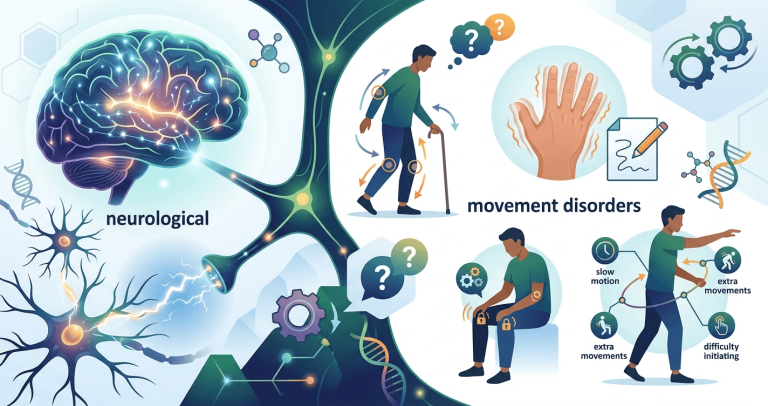
Understanding Neurological and Movement Disorders
Neurological and musculoskeletal conditions affect the connection between the brain, nerves, and muscles. When this communication is disrupted, movement becomes inefficient, painful, or even impossible.
Common conditions seen at Varia Physiotherapy Clinic include:
- Stroke (leading to paralysis or weakness)
- Parkinson’s disease (causing tremors and stiffness)
- Spinal cord injuries
- Peripheral nerve injuries
- Balance disorders and vertigo
- Chronic back or neck pain with nerve involvement
These conditions do not just impact physical health—they affect confidence, independence, and emotional well-being.
According to the World Health Organization, neurological disorders are among the leading causes of disability worldwide, making timely rehabilitation essential for improving quality of life.

Why Early Rehabilitation Matters
One of the most common mistakes patients make is delaying physiotherapy. Many assume recovery will happen naturally with time or medication alone. However, neurological recovery depends heavily on early intervention.
When rehabilitation begins early:
Muscle stiffness is reduced
Early physiotherapy helps keep muscles active and prevents them from becoming tight or rigid. Guided movement and stretching improve comfort and make daily activities easier over time.
Joint mobility is preserved
When joints are moved regularly through safe exercises, they remain flexible and functional. This reduces the risk of stiffness and helps maintain independence in everyday movements.
Brain retraining (neuroplasticity) starts sooner
Starting rehabilitation early encourages the brain to relearn lost functions more effectively. Repetitive, guided movements help rebuild connections between the brain and muscles.
Risk of long-term disability decreases
Timely intervention prevents complications like muscle shortening and poor movement patterns. With consistent care, including brain and nerve recovery physiotherapy treatment, patients have a better chance of regaining function and avoiding permanent limitations. Delaying treatment, on the other hand, can lead to complications such as muscle shortening, poor posture, and reduced functional independence.

Advanced Neuro Rehabilitation Techniques in Ahmedabad | Faster Recovery Care
At Varia Physiotherapy Clinic, rehabilitation is based on clinical reasoning, not guesswork. Each patient undergoes a structured process designed to address the root cause of their condition.
1. Comprehensive Clinical Assessment
Before starting therapy, a detailed evaluation is conducted, including:
- Muscle strength and tone assessment
- Reflex testing
- Balance and coordination evaluation
- Gait (walking pattern) analysis
- Functional independence measurement
This assessment ensures that treatment is personalized—not a one-size-fits-all approach.
2. Neuroplasticity-Based Rehabilitation
The human brain has the ability to reorganize itself—a concept known as neuroplasticity. Advanced rehabilitation techniques use this principle to help patients regain lost functions.
Therapies include:
- Task-specific repetitive training
- Constraint-induced movement therapy
- Mirror therapy
- Motor relearning programs
Research supported by the National Institutes of Health shows that repetitive, goal-oriented practice significantly improves recovery after neurological injury.
3. Functional Movement Training
Instead of focusing only on isolated exercises, therapy emphasizes real-life movements such as:
- Standing up from a chair
- Walking safely
- Using hands for daily tasks
- Climbing stairs
This approach ensures that improvements translate directly into everyday life.
- Canalith repositioning maneuver
- Vestibular adaptation exercises
4. Balance and Coordination Therapy
Many patients experience instability or fear of falling. To address this, physiotherapists use:
- Proprioceptive training (body awareness exercises)
- Core strengthening
- Dynamic balance activities
These techniques improve stability and confidence during movement.
5. Gait Training and Mobility Restoration
Walking difficulties are one of the most common concerns. Gait training may involve:
- Assisted walking techniques
- Parallel bar training
- Step training exercises
- Use of supportive devices when required
The goal is to restore safe and efficient walking patterns.
6. Pain and Spasticity Management
Neurological conditions often lead to muscle stiffness (spasticity) and pain.
Treatment may include:
- Manual therapy
- Stretching and positioning techniques
- Neuromuscular facilitation
- Modalities for pain relief
These methods help improve comfort and movement quality.
Real Patient Experience
A 52-year-old businessman from Ahmedabad visited Varia Physiotherapy Clinic after experiencing a stroke. He had significant weakness on his right side and was unable to walk without support.
In the initial weeks, therapy focused on:
- Assisted standing
- Basic balance training
- Gentle limb activation exercises
Gradually, his program progressed to:
- Gait training
- Functional movement exercises
- Strength and coordination work
Over a period of 10–12 weeks, he showed steady improvement. He regained the ability to walk independently and perform most daily activities without assistance.
His recovery was not immediate, but it was consistent—highlighting the importance of structured rehabilitation and patient commitment.
Common Myths vs Facts
Myth 1: Recovery is quick
Fact: Neurological recovery is gradual and requires consistent effort over weeks or months.
Myth 2: Only severe conditions need neuro rehab
Fact: Early therapy in mild cases prevents complications and speeds up recovery.
Myth 3: Home exercises are enough
Fact: Professional guidance ensures correct technique and progression.
Myth 4: Older patients cannot recover well
Fact: Improvement is possible at any age with the right treatment plan.
When Should You See a Physiotherapist?
You should seek physiotherapy if you experience:
- Sudden or gradual weakness in arms or legs
- Difficulty walking or maintaining balance
- Persistent pain affecting movement
- Tremors or coordination issues
- Delayed recovery after surgery or injury
In some cases, physiotherapists may recommend referral to a neurologist or orthopedic specialist—especially if symptoms are severe, worsening, or unclear.
Role of Consistency In Recovery
One of the most important factors in rehabilitation is consistency. Recovery is not achieved through occasional effort, but through regular, guided practice that allows the body and brain to adapt over time. When therapy is followed consistently, improvements become more stable, progress is easier to track, and the risk of setbacks is significantly reduced. This is why many patients choose to learn about modern neuro rehabilitation approaches for faster recovery and follow a structured plan that supports long-term results.
Patients who follow:
Regular therapy sessions
Consistent in-clinic sessions allow your physiotherapist to monitor progress, adjust treatment, and ensure exercises are performed correctly. This structured guidance helps prevent setbacks and supports steady, safe recovery based on your condition.
Prescribed home exercises
Home exercises are carefully selected to match your specific needs and recovery stage. When done regularly and correctly, they reinforce clinic-based therapy, improve strength and mobility, and help you stay actively involved in your own recovery.
Lifestyle modifications
Small changes in daily habits—like posture correction, activity pacing, and ergonomic adjustments—can significantly reduce strain on your body. These practical steps support long-term recovery and help prevent future complications or recurrence. tend to recover faster and more effectively. Irregular treatment or stopping therapy too early can delay progress and lead to setbacks.
Emotional and Psychological Impact of Rehabilitation
Recovery is not just physical—it’s emotional too. Along with rebuilding strength and movement, many patients face frustration, uncertainty, or fear during the process. A supportive environment, clear guidance, and steady encouragement can make a meaningful difference in maintaining confidence and staying committed to recovery.
Patients often experience:
- Frustration due to slow progress
- Fear of dependency
- Anxiety about the future
A supportive rehabilitation environment plays a crucial role in maintaining motivation and confidence throughout the recovery journey.
Conclusion
Recovering from neurological or musculoskeletal conditions requires more than time—it requires the right approach, expert guidance, and consistent effort. With Advanced Neuro Rehabilitation Techniques in Ahmedabad patients can achieve meaningful improvements in mobility, strength, and independence.
At Varia Physiotherapy Clinic, every patient receives personalized care based on clinical expertise and evidence-based practices. While recovery timelines may vary, the focus always remains on safe, steady, and sustainable progress.
Ethical Call-to-Action
If you’re unsure whether your symptoms need attention, it’s okay to start with a simple consultation. Understanding your condition is the first step toward recovery—no pressure, just guidance.
If you’d like to speak with a physiotherapist or book an assessment at Varia Physiotherapy Clinic, you can reach out here:
 Call: +91 95123 79555
 Email: hello.drhetalvaria@gmail.com
 Website: www.variaphysiotherapyclinic.com
Our team is here to listen, assess, and guide you toward safe and effective recovery.
Advanced Neuro Rehabilitation Techniques In Ahmedabad - FAQs
1. How long does neuro rehabilitation take?
2. Is physiotherapy safe for neurological conditions?
3. Can neuro rehabilitation completely cure my condition?
4. Do I need equipment for therapy?
5. Can I continue working during treatment?
About the Author

Dr. Hetal M Varia
After a rich experience of working in US healthcare as manager and licensed physiotherapist in US for last 11 years, she has returned home with a vision to become pioneer of Vestibular Therapy and specialized Parkinson physiotherapy in Ahmedabad. With her special skills and expertise in vertigo, Parkinson, balance and movement disorders therapy, Dr. Varia is committed to provide US standards of therapy services , compassionate and patient centered care to our people and community. With a vision of the world where everyone walks strong & steady, she intends to empower individuals with vestibular and neurological disorders through specialized care, rehabilitation & innovative therapies to improve mobility, balance & overall quality of life!