
Spinal Cord Injury Treatment In Ahmedabad | Expert Physiotherapy Care
Spinal cord injuries can change life in seconds.
A fall from stairs, a road accident, a sports injury, or even a sudden slip can affect the spinal cord and interrupt the communication between the brain and body. For many patients, the first few days after injury are filled with confusion, fear, and uncertainty.
Simple movements like standing, walking, sitting, or even holding a spoon can suddenly feel impossible.
At Varia Physiotherapy Clinic, we meet many patients and families facing these challenges. Some arrive after surgery. Some come after weeks of bed rest. Others come because their movement has stopped improving and they feel stuck.
The truth is—recovery after spinal injury is possible, but it takes the right guidance, structured rehabilitation, and patience.
If you are searching for Spinal Cord Injury Treatment In Ahmedabad, understanding how physiotherapy helps can make a major difference in your recovery journey.
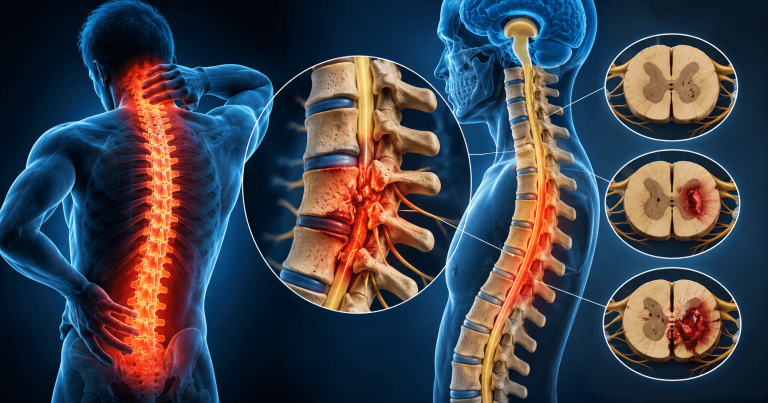
Understanding Spinal Cord Injury: What Actually Happens?
The spinal cord is the body’s main communication highway. It carries messages between the brain and muscles.
When this pathway gets damaged, the body may lose:
- Strength
- Sensation
- Balance
- Coordination
- Bladder control
- Walking ability
According to the World Health Organization (WHO), spinal cord injuries can lead to long-term disability if rehabilitation is delayed.
The severity depends on:
1. Injury Location
The location of a spinal cord injury plays a major role in how the body is affected. In clinical practice, injuries higher up in the spine often impact more body functions, including arm, leg, and trunk movement, while lower injuries may affect the legs and lower body more.
2. Complete vs Incomplete Injury
A complete spinal cord injury means there is no movement or feeling below the injured area, while an incomplete injury means some nerve signals are still getting through. From a rehabilitation perspective, incomplete injuries often offer more opportunities for functional improvement because some connection remains between the brain and body.

Common Causes of Spinal Cord Injury
At Varia Physiotherapy Clinic, the most common patient histories include:
Road Traffic Accidents
Road accidents are one of the most common causes of spinal cord injuries in India. The sudden impact can damage the vertebrae or spinal nerves, often leading to serious movement and sensation problems that need immediate medical care and rehabilitation.
Falls
Falls are especially common in older adults and people working in physically demanding jobs like construction. Even a single hard fall can cause spinal trauma, affecting balance, strength, and daily mobility.
Sports Trauma
High-impact sports or improper landing during physical activity can put extreme pressure on the spine. In many cases, early assessment and physiotherapy can help reduce long-term complications and improve recovery.
Degenerative Conditions
Conditions like spinal stenosis or disc degeneration can slowly compress the spinal cord over time. Many patients notice gradual weakness, pain, or numbness before the condition becomes severe enough to affect daily life.
Tumors or Infections
Not all spinal cord injuries happen suddenly. Sometimes tumors or infections develop inside or around the spine, creating pressure on the spinal cord and causing symptoms like weakness, pain, or loss of coordination that worsen over time.
The National Institutes of Health (NIH) highlights that early rehabilitation improves long-term outcomes significantly.
Why Early Spinal Cord Injury Treatment In Ahmedabad Matters
Many patients believe resting alone is enough. This is one of the biggest mistakes.
Without movement:
- Muscles weaken rapidly
- Joints become stiff
- Pressure sores develop
- Breathing becomes difficult
- Blood circulation slows
- Balance deteriorates
Physiotherapy starts protecting the body even before major movement returns. Early intervention focuses on preserving what the body still can do. That’s why timely Spinal Cord Injury Treatment In Ahmedabad is essential
How Physiotherapy Helps Step-by-Step
Recovery is not random. At Varia Physiotherapy Clinic, treatment follows a structured clinical assessment and evidence-based plan.
1. Detailed Clinical Assessment
Every spinal cord injury is different.
Our physiotherapists assess:
- Muscle power
- Reflexes
- Sensory response
- Joint mobility
- Balance
- Functional independence
This helps create a realistic treatment roadmap. Sometimes, if symptoms suggest nerve compression, worsening weakness, or unexplained pain, referral to an orthopedic surgeon or neurologist becomes necessary.
2. Pain Management
Pain after spinal injury may come from:
- Muscle tightness
- Nerve irritation
- Poor posture
- Surgical healing
Treatment may include:
- Gentle mobilization
- Position correction
- Electrotherapy
- Soft tissue release
Pain reduction allows better participation in therapy.
3. Preventing Muscle Wasting
Bed rest causes rapid muscle loss.
We use:
- Passive exercises
- Assisted movements
- Isometric strengthening
This preserves muscle memory and circulation.
4. Improving Sitting Balance
Before walking comes sitting.
This stage trains:
- Core stability
- Weight shifting
- Trunk control
Patients often underestimate how important sitting control is for daily independence.
5. Standing Training
Standing helps:
- Improve blood circulation
- Reduce stiffness
- Stimulate bone strength
- Improve digestion
Support devices may be used initially.

Spinal Cord Injury Treatment In Ahmedabad for Walking Recovery
Walking recovery depends on nerve preservation.
For suitable patients, therapy may include:
- Gait training
- Parallel bar walking
- Weight-supported walking
- Balance retraining
- Functional strengthening
Progress can be slow. Some patients improve within months, while others may need longer-term rehabilitation. Honest timelines matter.
Real Patient Scenario from Varia Physiotherapy Clinic
A 42-year-old male came to us after a road accident. He had lower spinal trauma and surgery.
When he first arrived:
- He could not sit independently
- Leg strength was minimal
- Severe stiffness was present
- Fear of movement was high
Our first goal was not walking. It was sitting in balance.
For two weeks, therapy focused on:
- Bed mobility
- Core activation
- Positioning
- Gentle strengthening
By week four:
- He could sit unsupported
- Standing with assistance began
By month three:
- He started taking supported steps
This is how spinal rehabilitation often works. Not overnight. Step by step.
Common Myths vs Facts About Spinal Cord Injury Recovery
Myth: If movement doesn’t return in one month, recovery is impossible.
Fact: Recovery may continue for months or years depending on injury type.
Myth: Surgery alone fixes everything.
Fact: Surgery stabilizes the spine. Rehabilitation restores function.
Myth: Rest is better than exercise.
Fact: Controlled movement prevents complications.
Myth: Pain during recovery means damage.
Fact: Some discomfort is normal, but sharp or worsening pain needs evaluation.
When Should You See a Physiotherapist?
Seek professional help if you notice:
- Difficulty moving after injury
- Numbness
- Tingling
- Weakness
- Poor balance
- Difficulty standing
- Loss of coordination
- Muscle stiffness
Delaying therapy can increase complications. The earlier rehabilitation starts, the better the chances of improving function.
Recovery Timelines: What Is Realistic?
Recovery depends on:
- Age
- Injury severity
- Surgery status
- Overall health
- Therapy consistency
General timeline:
0–6 weeks
Focus on healing, positioning, and pain control.
6 weeks–3 months
Strength, sitting, standing, balance.
3–6 months
Functional training, walking progression.
6+ months
Advanced independence training. Some patients improve faster. Some require long-term maintenance. Recovery is personal.
Lifestyle Tips During Recovery
Healing after a spinal cord injury is not only about exercises or clinic sessions. Recovery also depends on how well you care for your body and mind every day. Small lifestyle changes can support better healing, improve energy, and reduce complications.
Nutrition
A balanced diet plays an important role in recovery. Protein-rich foods help repair tissues, maintain muscle strength, and support the body’s natural healing process. Staying hydrated and eating enough vitamins and minerals can also improve overall recovery.
Sleep
Quality sleep allows the body to repair itself and restore energy. Poor sleep can increase pain, fatigue, and slow down progress during rehabilitation. Creating a proper sleep routine can support both physical and mental recovery.
Position Changes
For patients spending long hours in bed or sitting, changing positions regularly is important. It helps improve blood circulation, reduces stiffness, and lowers the risk of pressure sores, which are common after limited mobility.
Mental Health
Recovery can be emotionally challenging. Feelings of frustration, anxiety, or fear are common during rehabilitation. Emotional support, counseling, and staying connected with loved ones can improve motivation and overall recovery outcomes.
Family Support
Family involvement often makes a big difference in recovery. Helping with exercises, daily care, and emotional encouragement creates consistency at home and makes the rehabilitation process easier and more effective.
Final Clinical Advice
Spinal cord injuries affect more than movement—they affect confidence, independence, and quality of life. But recovery is not about doing everything at once. It is about rebuilding one function at a time.
At Varia Physiotherapy Clinic, our goal is to guide patients through safe, evidence-based rehabilitation with realistic expectations and structured progress.
If you or your loved one is looking for Spinal Cord Injury Treatment In Ahmedabad, starting the right physiotherapy plan early can improve strength, mobility, and daily independence.
Every step matters. And every small improvement counts.
Book a Professional Assessment
If you’re unsure whether your symptoms need attention, it’s okay to start with a simple consultation. Understanding your condition is the first step toward recovery—no pressure, just guidance.
If you’d like to speak with a physiotherapist or book an assessment at Varia Physiotherapy Clinic, you can reach out here:
 Call: +91 95123 79555
 Email: hello.drhetalvaria@gmail.com
 Website: www.variaphysiotherapyclinic.com
Our team is here to listen, assess, and guide you toward safe and effective recovery.
Spinal Cord Injury Treatment In Ahmedabad - FAQs
1. Can spinal cord injuries fully recover?
2. How soon should physiotherapy start?
3. Is walking always possible after spinal injury?
4. Does physiotherapy reduce pain after spinal surgery?
5. How many sessions are needed?
About the Author

Dr. Hetal M Varia
After a rich experience of working in US healthcare as manager and licensed physiotherapist in US for last 11 years, she has returned home with a vision to become pioneer of Vestibular Therapy and specialized Parkinson physiotherapy in Ahmedabad. With her special skills and expertise in vertigo, Parkinson, balance and movement disorders therapy, Dr. Varia is committed to provide US standards of therapy services , compassionate and patient centered care to our people and community. With a vision of the world where everyone walks strong & steady, she intends to empower individuals with vestibular and neurological disorders through specialized care, rehabilitation & innovative therapies to improve mobility, balance & overall quality of life!