
Early Stroke Rehabilitation For Faster Stroke Recovery
A stroke can change life in an instant. One moment, a person is carrying out normal daily activities, and the next, they may struggle with walking, speaking, using an arm, or maintaining balance. For many families, the days immediately after a stroke are filled with uncertainty, fear, and questions about recovery.
One of the most important factors influencing recovery is how quickly rehabilitation begins. Early Stroke Rehabilitation: The Key to Faster Recovery After Stroke is not just a medical concept—it is an approach supported by clinical evidence and widely recommended by healthcare professionals worldwide.
At Varia Physiotherapy Clinic in Ahmedabad, we regularly work with stroke survivors and their families during the recovery journey. While every patient progresses differently, early intervention often helps patients regain mobility, improve independence, and reduce long-term complications.
In this article, we explain why early rehabilitation matters, what physiotherapy involves, realistic expectations for recovery, and when professional help is essential.
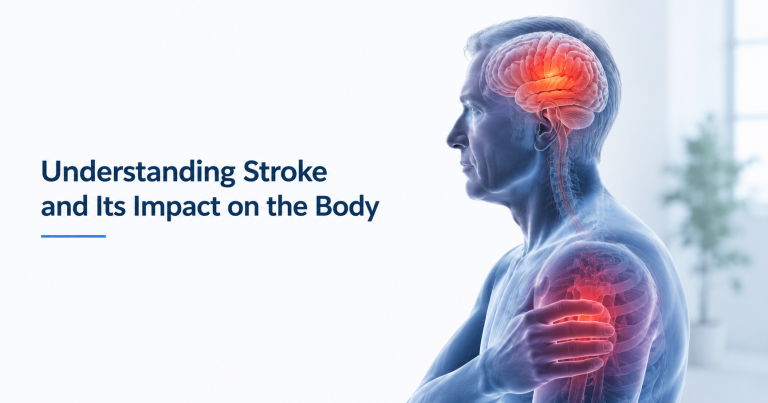
Understanding Stroke and Its Impact on the Body
A stroke occurs when blood flow to part of the brain is interrupted or reduced, preventing brain tissue from receiving oxygen and nutrients. Brain cells can begin to die within minutes.
According to the World Health Organization, stroke remains one of the leading causes of disability worldwide.
Depending on the area of the brain affected, stroke survivors may experience:
- Weakness or paralysis on one side of the body
- Difficulty walking
- Loss of balance and coordination
- Muscle stiffness and spasticity
- Speech and communication difficulties
- Reduced hand function
- Cognitive or memory challenges
- Fatigue and reduced endurance
The brain has an incredible ability called neuroplasticity, which allows it to reorganize and form new neural connections. Rehabilitation helps stimulate this process.
Why Early Stroke Rehabilitation Matters
Early Stroke Rehabilitation: The Key to Faster Recovery After Stroke
The first days and weeks following a stroke are considered a critical period for recovery. During this time, the brain is particularly responsive to rehabilitation exercises and therapeutic activities.
Evidence supported by the National Institutes of Health suggests that structured rehabilitation can improve functional outcomes and quality of life after stroke.
Early rehabilitation may help:
- Prevent muscle weakness caused by prolonged bed rest
- Reduce joint stiffness
- Improve circulation
- Minimize balance problems
- Encourage safe movement patterns
- Promote brain reorganization and recovery
- Increase independence in daily activities
It is important to understand that early rehabilitation does not mean aggressive exercise immediately after a stroke. Physiotherapists carefully assess medical stability before beginning treatment.
Common Challenges Stroke Survivors Face
Many patients arriving for rehabilitation share similar concerns. Some struggle to stand without support. Others feel frustrated because they cannot walk safely around their home.
Many notice weakness in an arm or leg that limits everyday tasks such as dressing, cooking, or climbing stairs. Family members often worry about falls and future independence.
These challenges are common and can often be addressed through a structured rehabilitation program tailored to individual needs.
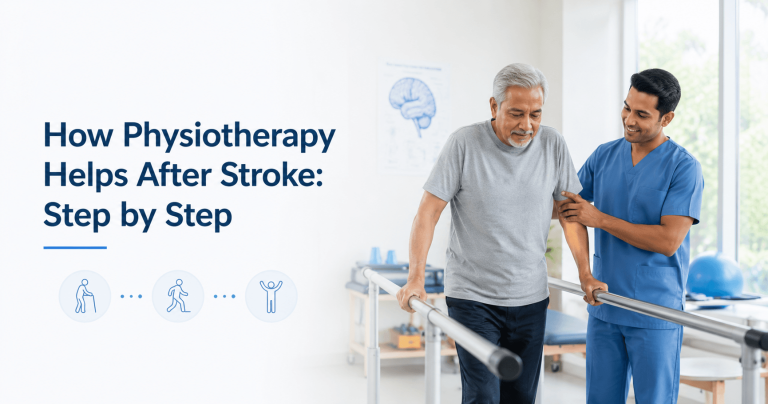
How Physiotherapy Helps After Stroke: Step by Step
Comprehensive Assessment
Recovery begins with a detailed physiotherapy evaluation, which is a fundamental part of early rehabilitation after stroke and helps create a personalized treatment plan.
At Varia Physiotherapy Clinic, assessment may include:
- Muscle strength testing
- Balance evaluation
- Walking analysis
- Joint mobility assessment
- Functional movement testing
- Postural assessment
- Fall-risk screening
This helps identify specific impairments and establish realistic rehabilitation goals.
Mobility Training
One of the first priorities is restoring safe movement.
Therapists may work on:
- Bed mobility
- Sitting balance
- Standing transitions
- Walking practice
- Stair climbing
These activities help patients regain confidence and reduce dependency.
Strengthening Exercises
Stroke often causes muscle weakness on one side of the body.
Evidence-based strengthening exercises can improve:
- Leg stability
- Arm function
- Core strength
- Functional movement capacity
Programs are progressed gradually based on patient tolerance.
Balance Rehabilitation
Balance deficits are common after stroke and increase fall risk.
Balance training may include:
- Weight-shifting exercises
- Standing stability drills
- Dynamic balance activities
- Walking on different surfaces
Improved balance contributes significantly to daily independence.
Gait Re-Education
Walking patterns frequently change after a stroke.
Physiotherapists use gait retraining techniques to help patients:
- Walk more efficiently
- Improve step symmetry
- Increase walking endurance
- Reduce compensatory movements
Functional Training
The ultimate goal is to help patients perform meaningful daily activities.
Functional training may focus on:
- Getting out of a chair
- Reaching for objects
- Household mobility
- Community walking
- Returning to work-related tasks when appropriate
A Typical Patient Scenario from Our Clinic
A 58-year-old office professional from Ahmedabad visited our clinic several weeks after experiencing a stroke. He had weakness on his right side and required assistance when walking.
Initially, his goals were simple:
- Walk independently at home
- Climb stairs safely
- Return to basic daily activities
Following a structured rehabilitation program involving mobility exercises, strengthening, balance training, and gait re-education, he gradually improved over several months.
Although recovery was not immediate, consistent therapy and home exercises helped him regain significant functional independence. Every patient’s journey is unique, but this example reflects the importance of early and consistent rehabilitation.
Realistic Recovery Timelines After Stroke
Many patients ask:
“How long will recovery take?”
The honest answer is that recovery varies widely.
Factors influencing recovery include:
- Stroke severity
- Brain region affected
- Age
- Overall health
- Medical complications
- Rehabilitation consistency
- Family support
General recovery patterns may include:
First Few Weeks
The first few weeks after a stroke focus on medical recovery and safely reintroducing movement. Guided physiotherapy can help prevent complications such as muscle stiffness, weakness, and reduced mobility while encouraging the body and brain to begin the recovery process.
First 3 Months
This period is often when patients notice the most significant improvements in strength, balance, and everyday function. Consistent rehabilitation, combined with home exercises and family support, can help maximize recovery during this important stage.
3–6 Months
Many people continue to make meaningful progress in walking, coordination, and independence with daily activities. Physiotherapy remains valuable during this phase, helping patients build confidence and overcome ongoing physical challenges.
Beyond 6 Months
Recovery does not necessarily stop after six months. With continued exercise, rehabilitation, and a personalized treatment plan, many stroke survivors can still improve mobility, function, and quality of life long after the initial stroke event.
Myths vs Facts About Stroke Rehabilitation
Myth | Fact |
Recovery only happens in the hospital. | Rehabilitation continues long after discharge. |
If improvement doesn’t occur quickly, recovery is impossible. | Functional improvements can continue for months or years. |
Rest is better than exercise after a stroke. | Appropriate therapeutic exercise is essential for recovery. |
Walking alone is enough rehabilitation. | Comprehensive therapy addresses strength, balance, mobility, and function. |
Older adults cannot improve after a stroke. | Many older adults achieve meaningful recovery with rehabilitation. |
When Should You See a Physiotherapist After Stroke?
Early assessment is often beneficial once medical stability has been established.
You should seek physiotherapy if you notice:
- Difficulty walking
- Muscle weakness
- Balance problems
- Frequent falls
- Arm or hand dysfunction
- Reduced endurance
- Challenges with daily activities
Immediate medical attention is required if new stroke symptoms appear, such as:
- Sudden facial drooping
- Speech difficulty
- Sudden weakness
- Severe dizziness
- Vision changes
In some situations, referral to a neurologist, rehabilitation physician, or other medical specialist may also be necessary.
Supporting Recovery at Home
Physiotherapy sessions are only one part of recovery.
Patients can support progress by:
- Following prescribed home exercises
- Staying physically active within safe limits
- Maintaining good nutrition
- Managing blood pressure and diabetes
- Avoiding smoking
- Prioritizing sleep and recovery
- Attending regular follow-up appointments
Consistency often has a greater impact than intensity.
Conclusion
The period immediately following a stroke presents a valuable opportunity for recovery. Early Stroke Rehabilitation: The Key to Faster Recovery After Stroke because it helps patients regain movement, improve independence, reduce complications, and support the brain’s natural healing processes.
At Varia Physiotherapy Clinic in Ahmedabad, rehabilitation programs are designed around each individual’s goals, abilities, and recovery stage. Through detailed assessment, evidence-based treatment, and patient-centered care, physiotherapy can play a meaningful role in helping stroke survivors rebuild confidence and function.
If you or a loved one has experienced a stroke, seeking professional guidance early can help create a structured path toward recovery and greater independence.
Book a Professional Assessment
If you’re unsure whether your symptoms need attention, it’s okay to start with a simple consultation. Understanding your condition is the first step toward recovery—no pressure, just guidance.
If you’d like to speak with a physiotherapist or book an assessment at Varia Physiotherapy Clinic, you can reach out here:
 Call: +91 95123 79555
 Email: hello.drhetalvaria@gmail.com
 Website: www.variaphysiotherapyclinic.com
Our team is here to listen, assess, and guide you toward safe and effective recovery.
Early Stroke Rehabilitation - FAQs
1. When should stroke rehabilitation start?
2. Can physiotherapy help months after a stroke?
3. How often should stroke rehabilitation be performed?
4. Can balance problems improve after a stroke?
5. Is complete recovery always possible?
About the Author

Dr. Hetal M Varia
After a rich experience of working in US healthcare as manager and licensed physiotherapist in US for last 11 years, she has returned home with a vision to become pioneer of Vestibular Therapy and specialized Parkinson physiotherapy in Ahmedabad. With her special skills and expertise in vertigo, Parkinson, balance and movement disorders therapy, Dr. Varia is committed to provide US standards of therapy services , compassionate and patient centered care to our people and community. With a vision of the world where everyone walks strong & steady, she intends to empower individuals with vestibular and neurological disorders through specialized care, rehabilitation & innovative therapies to improve mobility, balance & overall quality of life!