
What Is Stroke Rehabilitation? Benefits, Recovery Process & Timeline
A stroke can change life in an instant. Simple activities such as walking, holding a cup, getting dressed, speaking clearly, or maintaining balance may suddenly become difficult. For both patients and their families, the days and weeks following a stroke can feel overwhelming and uncertain.
One of the most common questions we hear at Varia Physiotherapy Clinic in Ahmedabad is, “Will I be able to recover fully?” While every stroke survivor’s journey is different, structured rehabilitation can significantly improve independence, mobility, and quality of life.
Understanding what stroke rehabilitation is, its benefits, recovery process, and timeline helps patients make informed decisions about their recovery. Early intervention, consistent therapy, and individualized treatment plans often play a crucial role in helping people regain function after a stroke.
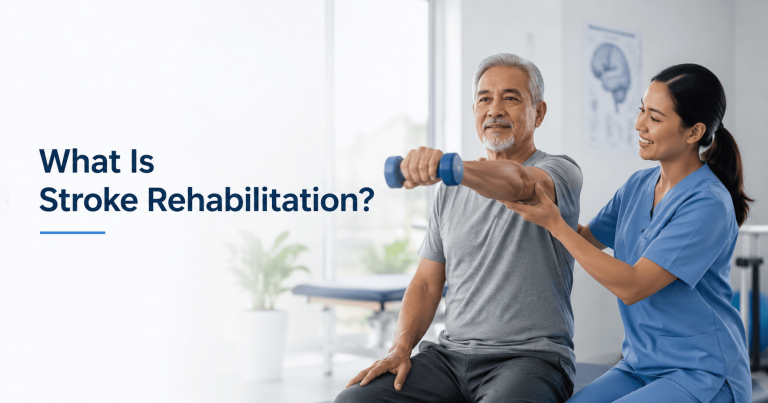
What Is Stroke Rehabilitation?
Stroke rehabilitation is a specialized treatment program designed to help individuals recover physical, cognitive, and functional abilities that may have been affected by a stroke.
A stroke occurs when blood flow to a part of the brain is interrupted or reduced, causing brain cells to become damaged. Depending on the area of the brain affected, patients may experience:
- Weakness or paralysis on one side of the body
- Difficulty walking
- Balance and coordination problems
- Muscle stiffness
- Speech difficulties
- Reduced hand function
- Fatigue
- Challenges with daily activities
Stroke rehabilitation focuses on helping the brain and body adapt, relearn movements, and improve overall independence through targeted therapies.
According to the World Health Organization (WHO), rehabilitation is an essential part of stroke care and should begin as early as medically safe to maximize recovery outcomes.
Why Is Stroke Rehabilitation Important?
Many people assume recovery occurs naturally after a stroke. While some spontaneous healing can happen, rehabilitation helps patients regain abilities more effectively through structured and evidence-based therapy.
Benefits of stroke rehabilitation include:
- Improved mobility and walking ability
- Better balance and coordination
- Increased muscle strength
- Enhanced hand and arm function
- Reduced risk of falls
- Greater independence in daily activities
- Improved confidence and quality of life
- Prevention of secondary complications
Without appropriate rehabilitation, patients may develop long-term mobility limitations, joint stiffness, muscle contractures, or dependency on caregivers.
Common Challenges After a Stroke
Every stroke affects individuals differently. However, several physical challenges are commonly seen during rehabilitation.
Muscle Weakness
After a stroke, many people notice weakness on one side of the body, making everyday activities feel more difficult than before. Tasks such as walking, getting up from a chair, carrying groceries, or climbing stairs may require extra effort and support.
Balance Problems
Balance issues are common after a stroke and can make individuals feel unsteady while standing or walking. This can affect confidence during daily activities and may increase the risk of slips or falls if left unaddressed.
Spasticity and Muscle Tightness
Some stroke survivors experience muscle stiffness or tightness that limits comfortable movement. This can make activities such as reaching, walking, dressing, or using the affected arm and leg more challenging throughout the day.
Reduced Coordination
A stroke can affect how smoothly the brain and muscles work together. As a result, tasks that require precise movements—such as buttoning a shirt, writing, or picking up small objects—may take longer and require practice to improve.
Fatigue
Fatigue after a stroke is more than simply feeling tired. Many people experience physical and mental exhaustion that can affect concentration, mobility, and participation in rehabilitation, even after adequate rest.
Understanding these challenges allows physiotherapists to create individualized treatment plans based on each patient’s specific needs. Patients who are interested in understanding stroke rehabilitation in greater detail can learn more about the recovery stages, benefits, and expected timelines.
What Is Stroke Rehabilitation? Recovery Process Explained
The rehabilitation process typically begins once the patient’s medical condition is stable.
Step 1: Comprehensive Assessment
At Varia Physiotherapy Clinic, rehabilitation starts with a detailed evaluation that may include:
- Muscle strength assessment
- Balance testing
- Walking analysis
- Functional movement assessment
- Range of motion evaluation
- Coordination testing
- Fall risk assessment
This helps identify current limitations and establish realistic recovery goals.
Step 2: Goal Setting
Treatment goals vary depending on the patient’s condition.
Examples include:
- Walking independently
- Improving hand function
- Returning to work
- Climbing stairs safely
- Performing daily activities without assistance
Step 3: Individualized Physiotherapy Program
Treatment may include:
Mobility Training
Mobility training focuses on helping individuals move more safely and confidently after a stroke. Through guided exercises and practice, patients can improve their ability to walk, change positions, and navigate daily environments more comfortably.
Strengthening Exercises
After a stroke, weakened muscles can make everyday tasks more difficult. Targeted strengthening exercises help rebuild muscle function, improve endurance, and support greater independence in daily activities.
Balance Rehabilitation
Balance rehabilitation helps patients feel more stable during standing, walking, and changing directions. Evidence-based balance exercises are used to reduce fall risk and improve confidence during routine movements.
Functional Training
Functional training focuses on activities that people perform every day, such as getting out of bed, standing up from a chair, reaching for objects, or walking around the home. This approach helps make rehabilitation meaningful and directly relevant to daily life.
Gait Re-Education
Many stroke survivors develop changes in the way they walk due to weakness, balance issues, or reduced coordination. Gait re-education helps improve walking mechanics, safety, and overall movement efficiency through structured practice and professional guidance.
Neuromuscular Re-Education
A stroke can disrupt communication between the brain and muscles, affecting movement control. Neuromuscular re-education uses specific exercises and movement strategies to help the nervous system relearn patterns that support better function and recovery.
Step 4: Progress Monitoring
Recovery is continuously monitored, and treatment plans are adjusted based on patient progress and goals.
Real Patient Scenario from Varia Physiotherapy Clinic
A 58-year-old Ahmedabad resident visited our clinic six weeks after experiencing a stroke. He reported weakness in his right leg, difficulty walking, and fear of falling while moving around his home.
Following a detailed assessment, a rehabilitation plan was developed focusing on balance training, gait retraining, strengthening exercises, and functional mobility practice.
Over several weeks of consistent therapy, he gradually improved his walking ability, gained confidence during daily activities, and became more independent in moving around his home.
While every patient responds differently, this example highlights how structured rehabilitation can support meaningful functional improvements.
Stroke Rehabilitation Timeline: What to Expect
One of the most frequently searched questions is about recovery timelines.
The reality is that recovery varies significantly depending on:
- Stroke severity
- Brain area affected
- Age
- Overall health
- Early intervention
- Consistency of rehabilitation
First Few Weeks
Patients often experience the fastest improvements during the early phase.
Goals typically focus on:
- Basic mobility
- Sitting balance
- Standing tolerance
- Initial walking practice
1–3 Months
Significant neurological recovery often occurs during this period.
Many patients improve:
- Walking ability
- Strength
- Coordination
- Functional independence
3–6 Months
Recovery continues through repetitive practice and progressive rehabilitation.
Beyond 6 Months
Improvements can still occur. Research supported by the National Institutes of Health suggests that the brain retains the ability to adapt and learn even months or years after a stroke. Patients should understand that recovery is a long-term process rather than a quick fix.
Myths vs Facts About Stroke Rehabilitation
Myth: Recovery only happens in the first few weeks.
Fact: Recovery can continue for months or even years with appropriate rehabilitation.
Myth: Older adults cannot improve after a stroke.
Fact: Patients of all ages can benefit from rehabilitation.
Myth: Physiotherapy is only about exercise.
Fact: Stroke rehabilitation involves movement retraining, balance improvement, functional practice, and neurological recovery strategies.
Myth: Once discharged from the hospital, therapy is no longer needed.
Fact: Many patients continue improving through outpatient rehabilitation programs.
When Should You See a Physiotherapist After a Stroke?
Medical guidance should always determine when rehabilitation begins.
You should consider physiotherapy if you experience:
- Difficulty walking
- Balance problems
- Weakness in the arm or leg
- Frequent falls
- Reduced mobility
- Difficulty performing daily tasks
In some situations, referral to a neurologist or other medical specialist may also be necessary, especially if new symptoms appear or recovery is not progressing as expected.
How Varia Physiotherapy Clinic Supports Stroke Recovery
At Varia Physiotherapy Clinic, rehabilitation programs are tailored to each individual’s needs and recovery goals.
Treatment focuses on:
- Evidence-based physiotherapy
- Comprehensive movement assessment
- Functional rehabilitation
- Balance and gait training
- Personalized exercise progression
- Patient education
Every treatment plan is designed to support safe, realistic, and sustainable recovery.
Conclusion
Understanding What Is Stroke Rehabilitation? Benefits, Recovery Process & Timeline helps patients and families approach recovery with realistic expectations and confidence. Stroke rehabilitation is not simply about exercise—it is a structured, evidence-based process that helps individuals regain mobility, improve function, and maximize independence.
At Varia Physiotherapy Clinic in Ahmedabad, we work closely with patients to create personalized rehabilitation plans based on their goals, abilities, and stage of recovery. If you or a loved one is experiencing mobility, balance, or movement challenges after a stroke, early assessment and guided rehabilitation can be an important step toward recovery.
Book a Professional Assessment
If you’re unsure whether your symptoms need attention, it’s okay to start with a simple consultation. Understanding your condition is the first step toward recovery—no pressure, just guidance.
If you’d like to speak with a physiotherapist or book an assessment at Varia Physiotherapy Clinic, you can reach out here:
 Call: +91 95123 79555
 Email: hello.drhetalvaria@gmail.com
 Website: www.variaphysiotherapyclinic.com
Our team is here to listen, assess, and guide you toward safe and effective recovery.
What Is Stroke Rehabilitation - FAQs
1. Can stroke patients recover completely?
2. How soon should stroke rehabilitation start?
3. How long does stroke rehabilitation last?
4. Is physiotherapy painful after a stroke?
5. Can rehabilitation help years after a stroke?
About the Author
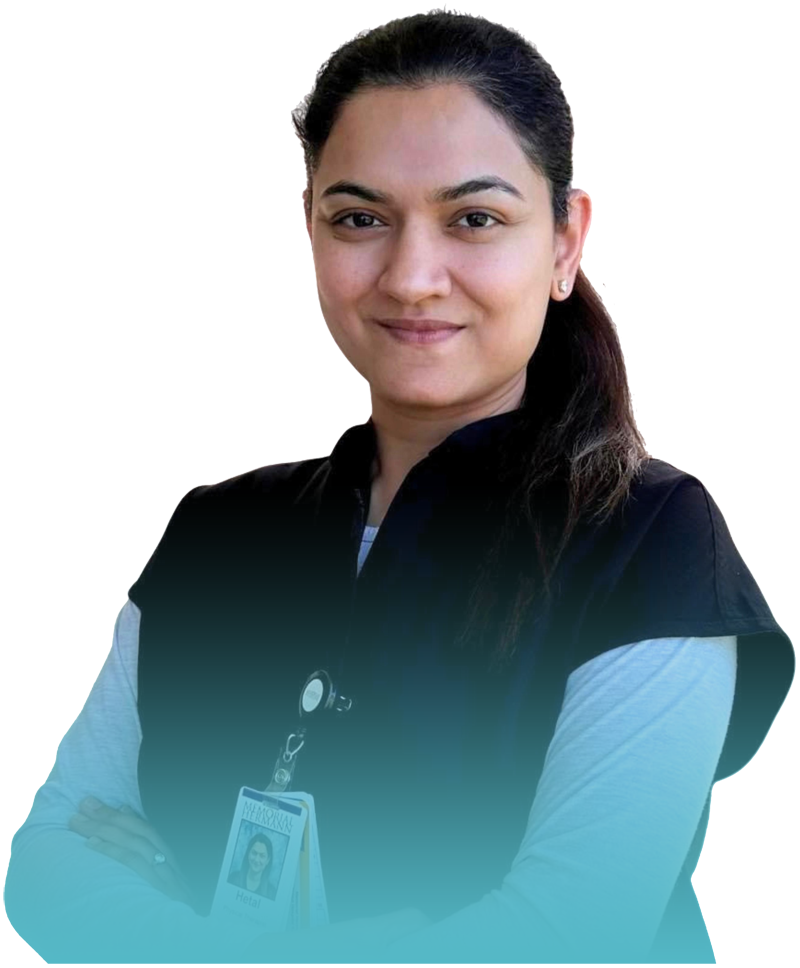
Dr. Hetal M Varia
After a rich experience of working in US healthcare as manager and licensed physiotherapist in US for last 11 years, she has returned home with a vision to become pioneer of Vestibular Therapy and specialized Parkinson physiotherapy in Ahmedabad. With her special skills and expertise in vertigo, Parkinson, balance and movement disorders therapy, Dr. Varia is committed to provide US standards of therapy services , compassionate and patient centered care to our people and community. With a vision of the world where everyone walks strong & steady, she intends to empower individuals with vestibular and neurological disorders through specialized care, rehabilitation & innovative therapies to improve mobility, balance & overall quality of life!