
Vestibular Rehab Recovery Timeline: A Complete Guide For Faster Recovery
Dizziness, imbalance, blurred vision during movement, and a constant feeling of being “off-balance” can significantly affect daily life. Many adults between the ages of 30 and 65 who visit Varia Physiotherapy Clinic in Ahmedabad describe feeling frustrated because simple activities such as walking through crowded markets, driving, turning the head quickly, or climbing stairs become uncomfortable and sometimes frightening.
One of the most common questions patients ask is:
“How long will it take to recover?”
The answer depends on several factors, including the cause of the vestibular problem, symptom severity, overall health, and consistency with rehabilitation exercises.
This Vestibular Rehab Recovery Timeline: A Complete Guide for Faster Recovery explains what patients can realistically expect during recovery, how physiotherapy supports healing, and when additional medical evaluation may be necessary.
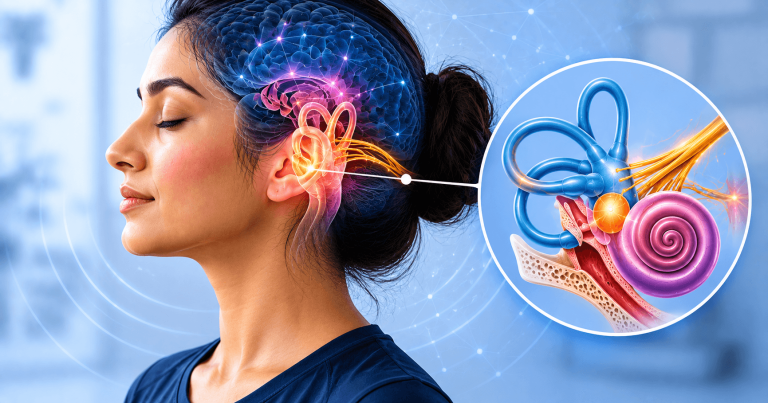
Understanding the Vestibular System
According to the National Institute on Deafness and Other Communication Disorders, vestibular disorders can affect balance, spatial orientation, and the ability to perform everyday activities safely. Symptoms such as dizziness, vertigo, and imbalance may vary significantly depending on the underlying condition, making proper assessment important for effective treatment.
When this system becomes disrupted, patients may experience:
- Dizziness
- Vertigo
- Loss of balance
- Motion sensitivity
- Blurred vision during head movement
- Nausea
- Difficulty walking confidently
- Increased risk of falls
Vestibular dysfunction can occur after illness, injury, aging-related changes, or neurological conditions.
Common Causes of Vestibular Disorders
Several conditions may lead to vestibular symptoms:
Benign Paroxysmal Positional Vertigo (BPPV)
BPPV is one of the most common causes of vertigo and occurs when tiny calcium crystals inside the inner ear move out of place. People often notice brief spinning sensations when turning in bed, looking up, or bending down. Fortunately, it can often be effectively managed with specific repositioning techniques guided by a trained physiotherapist.
Vestibular Neuritis
Vestibular neuritis is an inflammation of the vestibular nerve, often developing after a viral infection. It can cause sudden dizziness, imbalance, and difficulty walking, even though hearing is usually unaffected. Early assessment and vestibular rehabilitation can help support the brain’s natural recovery process.
Labyrinthitis
Labyrinthitis affects both the balance and hearing structures of the inner ear. Individuals may experience dizziness, unsteadiness, hearing changes, or ringing in the ears. A thorough evaluation is important to determine the most appropriate treatment and recovery plan.
Post-Viral Dizziness
Some people continue to feel dizzy or unsteady for weeks after recovering from a viral illness. These symptoms can interfere with work, driving, and daily activities, even when the infection has resolved. Vestibular rehabilitation may help improve balance and reduce lingering symptoms over time.
Concussion and Head Injury
Even a mild concussion or head injury can temporarily disrupt the brain’s balance and coordination systems. Individuals may experience dizziness, blurred vision during movement, or difficulty concentrating. A personalized rehabilitation program can help restore confidence and functional mobility safely.
Age-Related Balance Changes
As we age, natural changes in the inner ear, vision, muscle strength, and reaction time can affect balance. These changes may increase the risk of dizziness and falls, particularly during walking or changing positions. Targeted balance exercises can help maintain independence and stability.
Neurological Conditions
Certain neurological conditions can affect the communication between the brain and the body’s balance systems. Symptoms may include unsteadiness, coordination difficulties, and an increased risk of falls. Management often involves a collaborative approach between physiotherapists, neurologists, and other healthcare professionals to support safe movement and quality of life.
Vestibular Rehab Recovery Timeline: What to Expect
Recovery does not happen overnight. The brain gradually learns to adapt and compensate for balance disturbances through a process known as vestibular compensation.
Week 1–2: Initial Assessment and Symptom Stabilization
During the early phase, physiotherapists perform a comprehensive evaluation that may include:
- Balance testing
- Gait analysis
- Vestibular examination
- Eye movement assessment
- Positional testing
- Fall risk evaluation
Treatment may include:
- Education about symptoms
- Gentle vestibular exercises
- Gaze stabilization training
- Positional maneuvers for BPPV
- Safety recommendations
Many patients begin noticing small improvements in confidence and symptom control during this stage.
Week 3–6: Adaptation and Functional Improvement
This period is often where meaningful progress becomes noticeable. The brain starts adapting to altered vestibular signals while exercises challenge balance systems in a controlled manner.
Treatment may involve:
- Advanced gaze stabilization exercises
- Walking drills
- Balance retraining
- Coordination activities
- Motion sensitivity exercises
- Functional movement training
Patients frequently report:
- Reduced dizziness episodes
- Better walking confidence
- Improved tolerance to busy environments
- Easier head movements
Consistency with home exercises becomes especially important during this stage.
Week 6–12: Strengthening Compensation Mechanisms
Many patients achieve significant improvement within this period.
The focus shifts toward:
- Dynamic balance
- Community mobility
- Fall prevention
- Functional independence
- Return to work and recreational activities
Individuals who previously avoided shopping centers, public transport, or crowded environments often become more comfortable performing these activities.
Beyond 3 Months: Long-Term Recovery
Some vestibular conditions require a longer recovery period. The recovery timeline for vestibular disorders can extend beyond three months when symptoms have been present for a long time or when additional medical conditions are involved.
Factors that may extend recovery include:
- Long-standing symptoms
- Multiple medical conditions
- Neurological disorders
- Anxiety related to dizziness
- Inconsistent exercise participation
For these individuals, rehabilitation may continue for several months with gradual progression based on clinical findings.

How Physiotherapy Helps During Vestibular Recovery
Vestibular rehabilitation is supported by clinical research and is widely recommended for individuals experiencing vestibular dysfunction. The American Physical Therapy Association notes that vestibular rehabilitation can help improve balance, reduce dizziness, enhance mobility, and support a return to daily activities through individualized exercise programs.
1. Comprehensive Assessment
Every patient experiences dizziness and balance problems differently, which is why a detailed assessment is the first step. A physiotherapist evaluates symptoms, balance, eye movements, walking patterns, and medical history to identify the underlying cause and create a personalized treatment plan.
2. Gaze Stabilization Exercises
Every patient experiences dizziness and balance problems differently, which is why a detailed assessment is the first step. A physiotherapist evaluates symptoms, balance, eye movements, walking patterns, and medical history to identify the underlying cause and create a personalized treatment plan.
3. Balance Retraining
Balance retraining focuses on improving stability and body awareness through targeted exercises. These activities help patients feel more confident during daily tasks while reducing the risk of falls and movement-related anxiety.
4. Habituation Exercises
Certain movements or environments can trigger dizziness in people with vestibular disorders. Habituation exercises gradually expose the body to these triggers in a controlled way, helping the brain adapt and reducing symptom intensity over time.
5. Walking and Mobility Training
Dizziness and imbalance can make everyday movements feel challenging. Walking and mobility training helps patients safely rebuild confidence, improve coordination, and return to routine activities such as shopping, working, and community walking.
6. Individualized Home Programs
Recovery does not stop when a clinic session ends. A personalized home exercise program allows patients to continue progressing between appointments, with exercises adjusted based on symptoms, goals, and recovery milestones.
A Real Patient Scenario from Clinical Practice
A 52-year-old office professional visited Varia Physiotherapy Clinic after experiencing dizziness for several months following a viral infection. He reported difficulty driving, discomfort while walking through crowded shopping areas, and anxiety when turning his head quickly.
After a detailed vestibular assessment, an individualized rehabilitation program was developed that included gaze stabilization exercises, balance retraining, and progressive walking activities. During the first two weeks, symptoms remained present but became less intense.
By approximately six weeks, he reported greater confidence during daily activities and significantly reduced dizziness.
After several months of consistent rehabilitation and home exercise participation, he was able to return to normal work and community activities with minimal limitations.
Every patient recovers differently, but this example demonstrates how structured rehabilitation can support meaningful improvement over time.
Myths vs Facts About Vestibular Recovery
Myth: Dizziness will disappear if I simply rest.
Fact: Prolonged inactivity may actually delay recovery in many vestibular conditions.
Myth: Recovery should happen within a few days.
Fact: Most vestibular conditions require weeks or months of gradual adaptation.
Myth: All dizziness originates from the inner ear.
Fact: Dizziness may also result from neurological, cardiovascular, visual, or musculoskeletal causes.
Myth: Exercises should stop when symptoms appear.
Fact: Mild symptom provocation during vestibular rehabilitation is often expected and can be part of the recovery process when appropriately supervised.
Myth: Balance problems only affect older adults.
Fact: Vestibular disorders can affect adults of any age.
When Should You See a Physiotherapist?
Consider seeking professional assessment if you experience:
- Persistent dizziness lasting more than a few days
- Recurrent vertigo episodes
- Motion sensitivity
- Frequent imbalance
- Difficulty walking confidently
- Falls or near-falls
- Symptoms following illness or head injury
Early intervention often improves recovery outcomes and helps prevent unnecessary activity avoidance.
When Referral to a Specialist May Be Necessary
While physiotherapy helps many vestibular conditions, referral to an orthopedic specialist, ENT specialist, or neurologist may be required if:
- Symptoms worsen unexpectedly
- New neurological symptoms appear
- Hearing loss develops
- Severe headaches accompany dizziness
- There are concerns about underlying neurological disease
A collaborative healthcare approach ensures patients receive appropriate care when additional investigations are needed.
Conclusion
Understanding the Vestibular Rehab Recovery Timeline: A Complete Guide for Faster Recovery helps set realistic expectations and reduces uncertainty during the rehabilitation process. Recovery is rarely a straight line, but with proper assessment, individualized physiotherapy, consistent exercise participation, and ongoing professional guidance, many patients achieve meaningful improvements in balance, mobility, and confidence.
At Varia Physiotherapy Clinic in Ahmedabad, vestibular rehabilitation programs are designed around each patient’s symptoms, goals, and recovery potential. If dizziness, imbalance, or motion sensitivity is interfering with your daily life, seeking an early assessment can help identify the underlying cause and guide you toward a safer and more effective recovery path.
Book a Professional Assessment
If you’re unsure whether your symptoms need attention, it’s okay to start with a simple consultation. Understanding your condition is the first step toward recovery—no pressure, just guidance.
If you’d like to speak with a physiotherapist or book an assessment at Varia Physiotherapy Clinic, you can reach out here:
 Call: +91 95123 79555
 Email: hello.drhetalvaria@gmail.com
 Website: www.variaphysiotherapyclinic.com
Our team is here to listen, assess, and guide you toward safe and effective recovery.