
Stroke Recovery for Wearing Clothes Independently | Regain Daily Living Skills
For many stroke survivors, the real challenge does not begin in the hospital—it begins at home, during everyday routines that were once effortless. One of the most emotionally frustrating tasks after a stroke is getting dressed independently. Simple actions like putting on a shirt, fastening buttons, or wearing trousers can suddenly feel confusing, slow, or physically impossible.
At Varia Physiotherapy Clinic, Ahmedabad, we frequently meet patients who express the same concern: “I can walk a little now, but I still cannot dress myself properly.” This difficulty is not just physical—it is a combination of weakness, coordination loss, balance impairment, and reduced awareness of one side of the body (hemiparesis or neglect).
Stroke Recovery for Wearing Clothes Independently | Regain Daily Living Skills is not only about regaining movement—it is about restoring dignity, confidence, and independence in daily life. Physiotherapy plays a key role in retraining the brain and body to work together again through structured rehabilitation.
According to the World Health Organization, stroke is one of the leading causes of long-term disability worldwide, and most survivors require rehabilitation to regain functional independence.
This article explains why dressing becomes difficult after a stroke, how physiotherapy helps, and what realistic recovery looks like.
Why Dressing Becomes Difficult After Stroke
Dressing is a complex activity that requires coordination between the brain, arms, hands, trunk, and balance system. After a stroke, multiple impairments can interfere with this process.
1. Weakness on One Side of the Body
After a stroke, one side of the body may become noticeably weaker, making simple movements feel effortful or unstable. Patients often struggle to lift the arm, hold fabric, or maintain posture while dressing. This is not just muscle weakness—it is the result of disrupted brain signals to the affected side. With guided physiotherapy, strength and control can gradually improve through repeated functional training.
2. Loss of Coordination (Motor Planning Issues)
Many stroke survivors feel confused during movement, even when they have some strength. The brain may find it difficult to sequence actions like “lift arm → insert sleeve → adjust clothing.” This is called motor planning difficulty or apraxia. Structured rehabilitation helps retrain the brain through repetition, visual cues, and task-based practice.
3. Reduced Balance and Trunk Control
Dressing requires stable sitting or standing balance, which can be affected after a stroke. Patients may feel unsafe or fearful of falling while trying to change clothes. This often leads to dependence on caregivers even for basic tasks. Physiotherapy focuses on improving core stability and postural control so daily activities feel safer and more manageable.
4. Sensory Loss or Neglect
Some patients may not fully feel or recognize one side of their body, which makes dressing incomplete or uneven. In certain cases, they may ignore the affected side without realizing it. This is a neurological condition, not a lack of attention or effort. Rehabilitation uses sensory stimulation and awareness training to help the brain reconnect with the affected side.
5. Cognitive and Attention Challenges
Stroke can affect attention, memory, and the ability to follow multi-step instructions, making dressing feel overwhelming. Patients may forget steps or lose focus midway through the task. This is a common and treatable part of brain recovery, not a permanent limitation. Therapists use structured routines and step-by-step guidance to rebuild independence safely.
How Physiotherapy Helps in Stroke Dressing Independence
Our approach to physiotherapy for stroke recovery focuses on restoring functional independence step by step.
Step 1: Clinical Functional Assessment
Physiotherapists first evaluate:
- Muscle strength and tone
- Sitting and standing balance
- Upper limb reach and grip ability
- Coordination and motor planning
- Ability to perform Activities of Daily Living (ADLs)
This helps create a personalized rehabilitation plan.
Step 2: Trunk and Core Stability Training
Before improving hand function, the body must be stable. Exercises focus on:
- Sitting balance training
- Weight shifting activities
- Core strengthening
- Postural correction
A stable trunk is essential for dressing safely.
Step 3: Upper Limb Rehabilitation
Patients are guided through:
- Reach and grasp training
- Shoulder mobility exercises
- Task-specific arm movements
- Mirror therapy for brain reactivation
These help restore functional arm use required for clothing tasks.
Step 4: Task-Specific Dressing Practice
Instead of isolated exercises, patients practice real-life dressing:
- Putting on loose clothing first
- Practicing sleeve insertion techniques
- Learning adaptive dressing strategies
- Breaking tasks into smaller steps
This approach is strongly supported in neurological rehabilitation research.
Step 5: Balance and Standing Training
Once sitting balance improves, patients progress to:
- Standing while dressing
- Supported weight shifting
- Fall prevention strategies
Step 6: Cognitive and Motor Relearning
For patients with attention or sequencing issues:
- Step-by-step verbal cues
- Repetition-based training
- Visual cueing techniques
According to the National Institutes of Health, task-specific training is one of the most effective methods for improving post-stroke functional independence NIH Stroke Rehabilitation.
Stroke Recovery for Wearing Clothes Independently | Regain Daily Living Skills in Real Patients
In our clinical experience at Varia Physiotherapy Clinic, many patients initially feel discouraged when they cannot perform basic dressing tasks.
Case Example (Anonymous Patient Scenario)
A 58-year-old gentleman from Ahmedabad came to our clinic three weeks after a left-sided stroke. While he had regained partial walking ability, he struggled significantly with dressing. He could not insert his right arm into a sleeve and often became frustrated during morning routines.
After a detailed assessment, we focused on:
- Trunk stability exercises
- Assisted upper limb reaching activities
- Mirror therapy sessions
- Structured dressing practice using loose shirts
Within 6–8 weeks, he progressed from complete dependence to being able to wear a shirt with minimal assistance. Full independence was not immediate, but consistent improvement was observed.
This case reflects a realistic recovery timeline. Progress varies depending on stroke severity, age, and early rehabilitation.
Myths vs Facts About Stroke Dressing Recovery
Myth 1: “If I cannot dress myself after a few weeks, I will never recover.”
Fact: Recovery often continues for months or even years with proper rehabilitation.
Myth 2: “Only strength matters for dressing ability.”
Fact: Balance, coordination, and brain retraining are equally important.
Myth 3: “Physiotherapy is only for walking.”
Fact: Physiotherapy focuses on full functional independence, including dressing, bathing, and daily activities.
Myth 4: “Recovery is the same for everyone.”
Fact: Recovery depends on stroke type, severity, and consistency of therapy.
When Should You See a Physiotherapist?
You should consult a physiotherapist if:
- You are unable to dress independently after a stroke
- One side of your body feels weak or uncoordinated
- You have difficulty sitting or standing safely
- You experience balance problems during daily tasks
- You rely completely on family members for dressing
Early intervention improves outcomes significantly. In some cases, if neurological symptoms worsen or recovery plateaus, referral to a neurologist may be necessary for further evaluation and medical management.
Conclusion
Regaining the ability to dress independently after a stroke is an important step toward true functional recovery. It reflects improvements in strength, balance, coordination, and brain re-learning—not just physical ability.
Stroke Recovery for Wearing Clothes Independently | Regain Daily Living Skills is a gradual process, and progress varies from person to person. With consistent physiotherapy and structured rehabilitation, many patients slowly regain independence in daily activities.
At Varia Physiotherapy Clinic, we focus on realistic, goal-based recovery that helps patients rebuild confidence in everyday life. While recovery takes time, steady improvement is possible with the right guidance and early intervention.
Book a Professional Assessment
If you’re unsure whether your symptoms need attention, it’s okay to start with a simple consultation. Understanding your condition is the first step toward recovery—no pressure, just guidance.
If you’d like to speak with a physiotherapist or book an assessment at Varia Physiotherapy Clinic, you can reach out here:
 Call: +91 95123 79555
 Email: hello.drhetalvaria@gmail.com
 Website: www.variaphysiotherapyclinic.com
Our team is here to listen, assess, and guide you toward safe and effective recovery.
Stroke Recovery for Wearing Clothes Independently - FAQs
1. How long does it take to regain dressing independence after a stroke?
2. Can physiotherapy completely restore dressing ability?
3. What is the best exercise for improving dressing skills?
4. Is home exercise enough for recovery?
5. What if one arm is completely weak?
About the Author
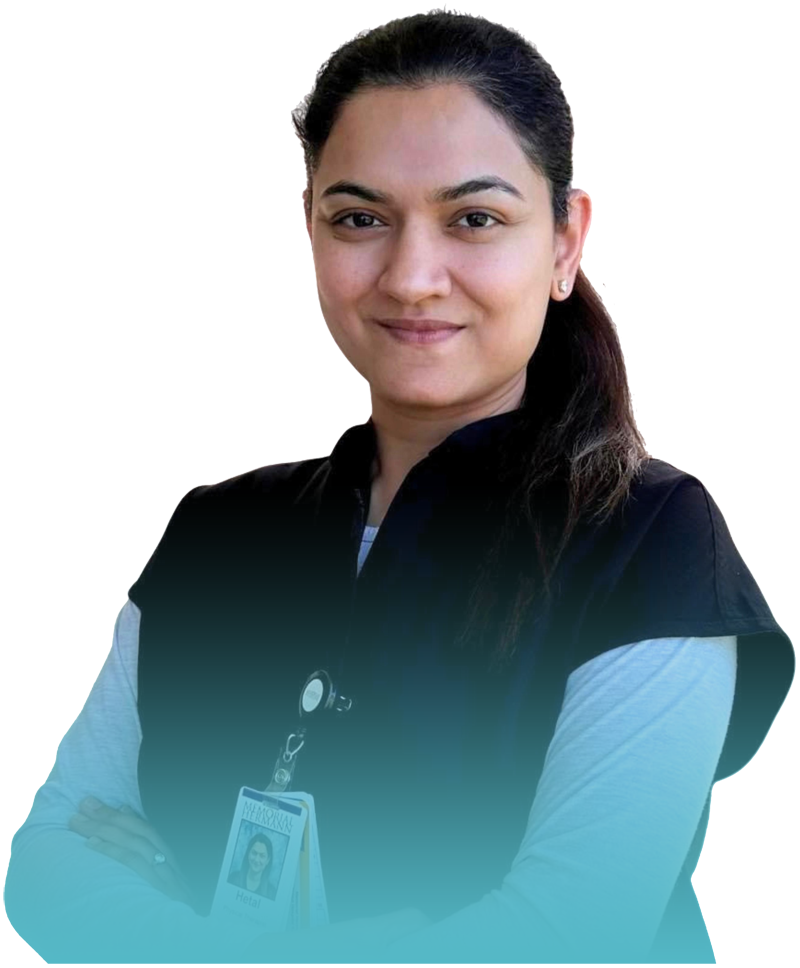
Dr. Hetal M Varia
After a rich experience of working in US healthcare as manager and licensed physiotherapist in US for last 11 years, she has returned home with a vision to become pioneer of Vestibular Therapy and specialized Parkinson physiotherapy in Ahmedabad. With her special skills and expertise in vertigo, Parkinson, balance and movement disorders therapy, Dr. Varia is committed to provide US standards of therapy services , compassionate and patient centered care to our people and community. With a vision of the world where everyone walks strong & steady, she intends to empower individuals with vestibular and neurological disorders through specialized care, rehabilitation & innovative therapies to improve mobility, balance & overall quality of life!