
Complete Stroke Caregiver Guide | Expert Recovery Advice
A stroke changes life not only for the person who experiences it but also for the family members who suddenly become caregivers. Many caregivers feel overwhelmed during the first few weeks after hospital discharge. Questions about mobility, daily care, exercise, safety, communication, and recovery often create uncertainty and stress.
This Complete Stroke Caregiver Guide | Expert Recovery Advice is designed to help families understand what recovery really looks like and how physiotherapy can play a vital role in improving independence and quality of life.
At Varia Physiotherapy Clinic in Ahmedabad, we regularly work with stroke survivors and their families. One of the most common concerns we hear is, “How can I help my loved one recover without causing harm?” The answer starts with understanding the recovery process, setting realistic expectations, and following a structured rehabilitation plan.
Recovery after a stroke is often gradual. While some individuals regain function quickly, others require months of dedicated rehabilitation. Every recovery journey is unique, which is why individualized physiotherapy and caregiver support are essential.
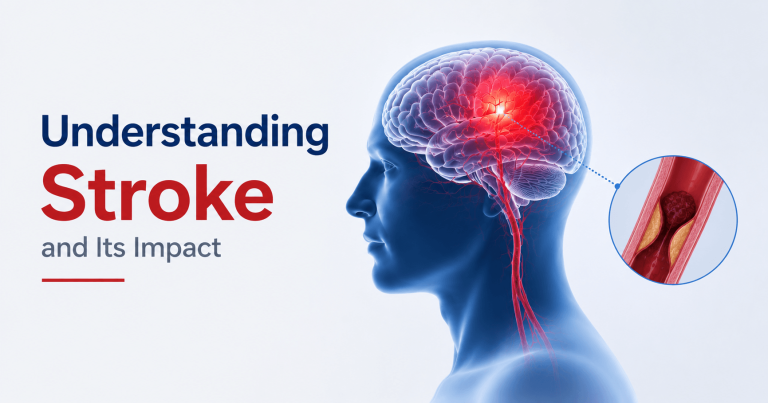
Understanding Stroke and Its Impact
A stroke occurs when blood flow to a part of the brain is interrupted, causing brain cells to become damaged. Depending on the affected area of the brain, a person may experience:
- Weakness on one side of the body
- Difficulty walking
- Loss of balance
- Reduced hand function
- Speech and communication difficulties
- Memory and cognitive challenges
- Fatigue
- Difficulty performing daily activities
According to the World Health Organization (WHO), stroke remains one of the leading causes of long-term disability worldwide. Early rehabilitation significantly improves functional outcomes and independence.
For caregivers, understanding these challenges helps create a safer and more supportive recovery environment.
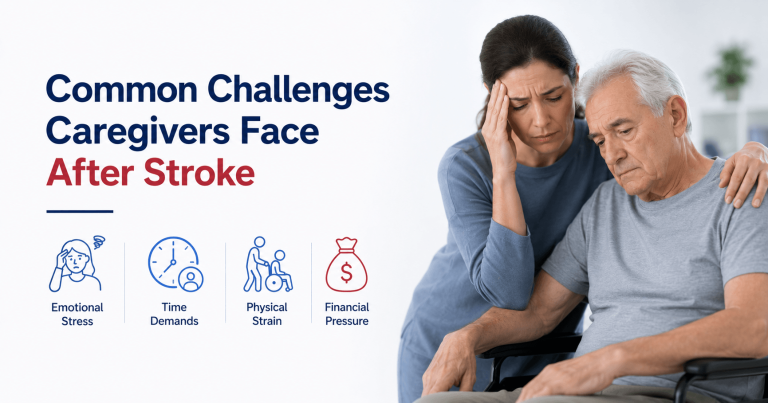
Common Challenges Caregivers Face After Stroke
Many caregivers find themselves managing responsibilities they never expected.
Common difficulties include:
Assisting With Mobility
After a stroke, even simple movements like sitting up, standing, or walking may require support. Caregivers often need to help with transfers safely to prevent strain or injury. With proper physiotherapy guidance, these movements can gradually become easier and more controlled.
Preventing Falls
Balance and coordination are commonly affected after a stroke, making falls a real concern. Even small missteps can lead to injury or loss of confidence. A structured rehabilitation plan helps improve stability and teaches caregivers safe ways to assist during movement.
Managing Daily Activities
Daily tasks such as dressing, bathing, eating, and toileting may become challenging in the early recovery phase. Patients often need patience and step-by-step assistance while rebuilding independence. Physiotherapy focuses on restoring functional ability so reliance on caregivers gradually reduces.
Emotional Stress
Stroke recovery can bring emotional changes like frustration, anxiety, or low motivation. These reactions are common and linked to brain recovery, not personality change. Caregivers play an important role by offering reassurance and encouraging gradual participation in recovery activities.
Caregiver Fatigue
Continuous caregiving without proper support can lead to physical and emotional exhaustion. Lifting, assisting, and constant supervision may strain the caregiver over time. Education, rest, and physiotherapy-guided techniques are essential to reduce this burden and maintain long-term care quality. This is why professional rehabilitation support becomes an important part of the recovery process.
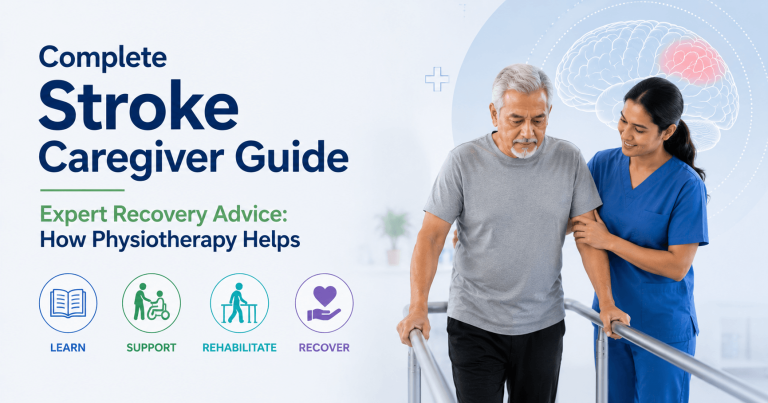
Complete Stroke Caregiver Guide | Expert Recovery Advice: How Physiotherapy Helps
Physiotherapy is one of the most important components of stroke rehabilitation. The goal is not simply to improve movement but to help patients regain independence and confidence.
Step 1: Comprehensive Clinical Assessment
At Varia Physiotherapy Clinic, rehabilitation begins with a detailed assessment that may include:
- Muscle strength evaluation
- Balance assessment
- Walking analysis
- Joint mobility testing
- Functional independence evaluation
- Fall risk screening
This assessment helps create a personalized treatment plan based on the individual’s abilities and goals.
Step 2: Restoring Mobility
Stroke often affects movement patterns. Physiotherapists use evidence-based techniques to improve:
- Sitting balance
- Standing tolerance
- Walking ability
- Weight transfer
- Coordination
Gradual progression ensures safety while encouraging functional recovery.
Step 3: Improving Strength
Weak muscles can make everyday activities difficult.
Targeted strengthening exercises help improve:
- Leg strength for walking
- Core stability
- Arm and hand function
- Postural control
Step 4: Balance and Fall Prevention Training
Balance retraining is critical because falls can delay recovery and cause additional injuries.
Treatment may include:
- Static balance exercises
- Dynamic balance training
- Walking practice
- Functional movement activities
Step 5: Functional Independence Training
Balance retraining is critical because falls can delay recovery and cause additional injuries.
Treatment may include:
- Static balance exercises
- Dynamic balance training
- Walking practice
- Functional movement activities
A Real Patient Scenario From Clinical Practice
A gentleman in his early 60s visited Varia Physiotherapy Clinic approximately three weeks after experiencing a stroke. He had weakness on the right side of his body and required assistance for walking.
His family was understandably worried. They were afraid that encouraging movement might worsen his condition, so they often avoided allowing him to participate in daily activities.
Following a detailed assessment, a structured rehabilitation program was initiated. Treatment focused on balance training, gait rehabilitation, strengthening exercises, and caregiver education.
Within several weeks, he progressed from requiring significant assistance to walking short distances with supervision. His confidence improved, and his family became more comfortable supporting his recovery safely.
While every patient’s recovery timeline differs, this case highlights the importance of consistent rehabilitation and informed caregiver involvement.
Practical Tips for Stroke Caregivers
A complete stroke caregiver support guide provides structured advice that helps caregivers apply these practical tips safely and consistently.
Encourage Safe Independence
Allow patients to perform tasks they can manage safely rather than doing everything for them.
Follow Physiotherapy Instructions
Consistency matters. Home exercises prescribed by the physiotherapist should be performed regularly.
Create a Safe Home Environment
Consider:
- Removing loose rugs
- Improving lighting
- Installing grab bars where necessary
- Keeping walkways clear
Watch for Fatigue
Stroke survivors may tire more quickly than expected. Rest periods are an important part of recovery.
Celebrate Small Improvements
Recovery often happens in small steps. Recognizing progress helps maintain motivation.
Myths vs Facts About Stroke Recovery
Myth: Recovery only happens during the first few weeks.
Fact: Meaningful improvements can continue for months and sometimes years with appropriate rehabilitation.
Myth: Complete bed rest is best after a stroke.
Fact: Early, supervised movement and rehabilitation generally support better outcomes.
Myth: If hand movement doesn’t return quickly, it never will.
Fact: Hand recovery varies significantly among individuals and often requires dedicated rehabilitation.
Myth: Physiotherapy is only about exercise.
Fact: Stroke physiotherapy includes movement retraining, balance improvement, functional training, fall prevention, and caregiver education.
Myth: Caregivers should do everything for the patient.
Fact: Encouraging safe participation helps maintain function and promotes independence.
When Should You See a Physiotherapist?
Consult a physiotherapist if a stroke survivor experiences:
- Difficulty walking
- Balance problems
- Weakness in the arms or legs
- Frequent falls or near-falls
- Reduced hand function
- Difficulty transferring from bed or chair
- Reduced independence in daily activities
In some situations, referral to a neurologist or other medical specialist may also be necessary, especially if there are:
- New neurological symptoms
- Sudden worsening of function
- Severe spasticity
- Uncontrolled pain
- Cognitive or behavioral changes
Collaborative care often provides the best outcomes.
Recovery Timelines: Setting Realistic Expectations
One of the most important messages in this Complete Stroke Caregiver Guide | Expert Recovery Advice is that recovery is rarely linear. Some improvements may occur within weeks, while other abilities may take months to develop.
Recovery depends on factors such as:
- Stroke severity
- Area of the brain affected
- Age
- Overall health
- Rehabilitation intensity
- Family support
- Consistency with treatment
Avoid comparing one patient’s recovery to another’s. Progress should always be evaluated individually.
Conclusion
Caring for a stroke survivor can feel overwhelming, but caregivers do not have to navigate the journey alone. This Complete Stroke Caregiver Guide | Expert Recovery Advice highlights the importance of education, realistic expectations, and evidence-based rehabilitation.
At Varia Physiotherapy Clinic, we believe successful recovery is built through collaboration between the patient, caregiver, physiotherapist, and medical team. With proper guidance, consistent rehabilitation, and compassionate support, many stroke survivors can improve mobility, independence, and confidence over time.
If you or a loved one is recovering from stroke, seeking an early physiotherapy assessment can help identify challenges, establish realistic goals, and create a personalized rehabilitation plan that supports long-term recovery.
Book a Professional Assessment
If you’re unsure whether your symptoms need attention, it’s okay to start with a simple consultation. Understanding your condition is the first step toward recovery—no pressure, just guidance.
If you’d like to speak with a physiotherapist or book an assessment at Varia Physiotherapy Clinic, you can reach out here:
 Call: +91 95123 79555
 Email: hello.drhetalvaria@gmail.com
 Website: www.variaphysiotherapyclinic.com
Our team is here to listen, assess, and guide you toward safe and effective recovery.
Stroke Caregiver Guide - FAQs
1. How soon should physiotherapy start after a stroke?
2. Can stroke patients regain the ability to walk?
3. How often should stroke rehabilitation sessions be performed?
4. What should caregivers avoid doing?
5. Can physiotherapy improve hand function after stroke?
About the Author

Dr. Hetal M Varia
After a rich experience of working in US healthcare as manager and licensed physiotherapist in US for last 11 years, she has returned home with a vision to become pioneer of Vestibular Therapy and specialized Parkinson physiotherapy in Ahmedabad. With her special skills and expertise in vertigo, Parkinson, balance and movement disorders therapy, Dr. Varia is committed to provide US standards of therapy services , compassionate and patient centered care to our people and community. With a vision of the world where everyone walks strong & steady, she intends to empower individuals with vestibular and neurological disorders through specialized care, rehabilitation & innovative therapies to improve mobility, balance & overall quality of life!