
Restoring Functional Mobility Ability After Stroke & Paralysis Recovery
Stroke and paralysis can change life in ways most people never expect. One day, simple tasks like standing up from a chair, walking to the bathroom, holding a spoon, or climbing stairs feel normal. Next, they can feel overwhelmed.
At Varia Physiotherapy Clinic in Ahmedabad, we regularly meet patients and families facing these challenges. Some arrive within days after a stroke, while others come months later after realizing recovery has slowed. One common goal connects them all: restoring functional mobility ability after stroke & paralysis recovery.
Functional mobility means the ability to move independently in daily life—getting out of bed, walking safely, changing positions, and using your body for everyday activities. When this ability is affected, independence is reduced, confidence drops, and emotional stress often increases.
The good news is that with structured physiotherapy, proper assessment, and consistent effort, many patients can improve mobility significantly. Recovery takes time, but progress is possible.
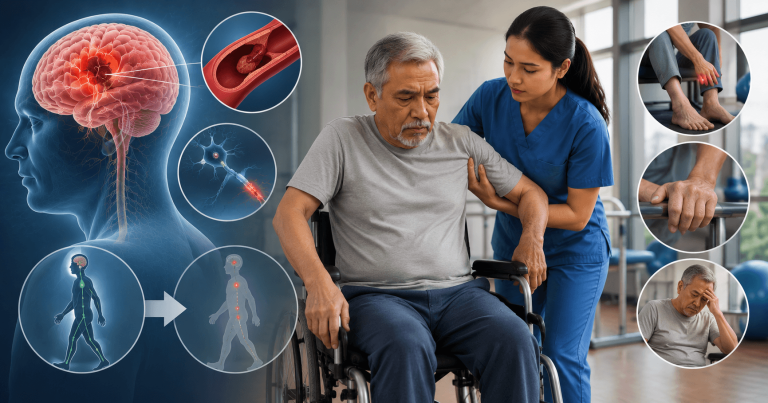
Understanding Why Functional Mobility Is Lost After Stroke or Paralysis
A stroke happens when blood flow to part of the brain is interrupted. According to the World Health Organization (WHO), stroke remains one of the leading causes of disability worldwide. The affected brain area may lose its ability to control muscles properly.
This can cause:
- Weakness on one side of the body
- Loss of balance
- Poor coordination
- Muscle stiffness (spasticity)
- Difficulty walking
- Reduced hand function
Paralysis can also result from:
1. Spinal Cord Injuries
A spinal cord injury can make even simple movements like standing, walking, or using the hands difficult because the connection between the brain and body is disrupted. Recovery often requires focused rehabilitation to improve strength, movement control, and daily function.
2. Traumatic Brain Injuries
After a traumatic brain injury, many people experience challenges with balance, coordination, and muscle control that can affect everyday activities. Physiotherapy helps retrain the body and brain to work together more effectively over time.
3. Neurological Conditions
Conditions like Parkinson’s disease or multiple sclerosis can gradually reduce movement quality, balance, and independence. Early physiotherapy support can help manage symptoms, maintain mobility, and improve quality of life.
4. Prolonged Bed Rest
Staying in bed for long periods can lead to muscle weakness, joint stiffness, and difficulty returning to normal movement. Guided physiotherapy can help rebuild strength, improve flexibility, and restore confidence in daily activities.
At Varia Physiotherapy Clinic, we often explain to patients that mobility loss is not just about weak muscles. It’s often about retraining the brain and body to work together again.
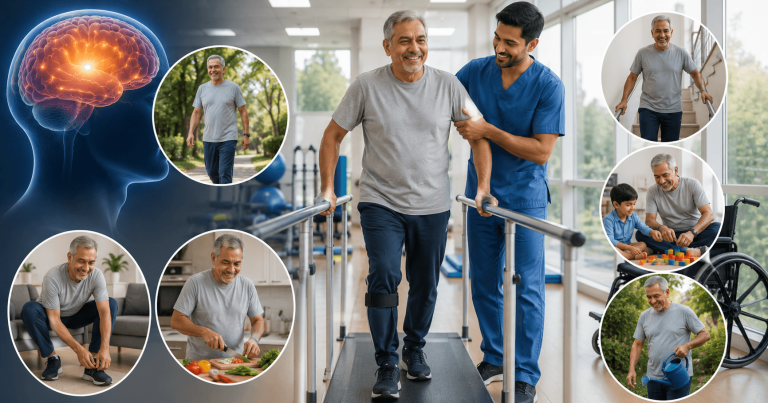
Why Restoring Functional Mobility Ability After Stroke & Paralysis Recovery Matters
Many patients focus only on “walking again.” But functional mobility is much broader.
It includes:
- Sitting up independently
- Standing safely
- Weight shifting
- Walking indoors and outdoors
- Climbing stairs
- Turning in bed
- Using hands for daily tasks
Improving these skills can directly affect:
- Personal independence
- Fall prevention
- Confidence levels
- Reduced caregiver dependency
- Better quality of life
Research from the National Institutes of Health (NIH) shows that repetitive, task-specific rehabilitation improves neuroplasticity—the brain’s ability to reorganize and form new pathways. This is why early physiotherapy matters.
How Physiotherapy Helps in Restoring Functional Mobility Ability After Stroke & Paralysis Recovery
At Varia Physiotherapy Clinic, treatment is never generic. Every patient undergoes detailed assessment before therapy starts.
Step 1: Clinical Assessment
We evaluate:
- Muscle strength
- Joint stiffness
- Balance
- Walking pattern
- Coordination
- Spasticity levels
- Functional independence
This helps create a realistic treatment plan. Sometimes, if symptoms suggest deeper neurological concerns, referral to a neurologist or orthopedic specialist may be necessary before continuing rehabilitation.
Step 2: Early Mobility Training
Early movement prevents complications like:
- Muscle wasting
- Joint contractures
- Pressure sores
- Blood circulation issues
Treatment may include:
- Bed mobility exercises
- Position changing practice
- Assisted sitting balance
- Supported standing
These are foundational steps in mobility rehabilitation after paralysis.
Step 3: Strengthening Exercises
Weak muscles need progressive strengthening.
We often focus on:
- Core muscles
- Hip muscles
- Knee stability
- Shoulder control
- Grip strength
Evidence-based strengthening improves functional movement and reduces compensatory habits.
Step 4: Balance Retraining
Balance loss is one of the biggest reasons for falls.
Therapy may involve:
- Static standing balance
- Dynamic weight shifting
- Single-leg support (if possible)
- Reach training
- Surface variation practice
Step 5: Gait Training
Walking retraining is one of the most important parts of stroke rehab.
This includes:
- Weight transfer correction
- Step symmetry training
- Foot placement correction
- Walking aid training
- Endurance walking
Many patients need gradual progression. Walking recovery is rarely immediate.
Step 6: Coordination Training
After a stroke, the brain often struggles with movement timing.
Coordination therapy helps improve:
- Hand control
- Leg control
- Bilateral movement
- Reaction timing
A Real Patient Story from Varia Physiotherapy Clinic
A 54-year-old businessman from Ahmedabad came to us 3 weeks after a stroke affecting his right side.
When he arrived:
- He needed full support for walking
- Could not climb stairs
- Had poor balance
- Had fear of falling
Our assessment showed moderate muscle weakness, ankle instability, and delayed motor response.
His program included:
- Weight-bearing exercises
- Balance training
- Gait correction
- Functional sit-to-stand practice
- Stair training
After 8 weeks:
- He could walk independently indoors
- Climb stairs with railing support
- Perform self-care tasks independently
Recovery was not perfect, but it was meaningful. This is what realistic rehabilitation looks like.
Common Myths vs Facts
Myth: If movement doesn’t return in 1 month, recovery is impossible.
Fact: Recovery can continue for months or even years with proper therapy.
Myth: Bed rest helps faster recovery.
Fact: Controlled movement is often essential for healing.
Myth: Walking alone is enough.
Fact: Strength, balance, and coordination must improve together.
Myth: Physiotherapy can guarantee full recovery.
Fact: No ethical clinic should promise complete recovery. Outcomes depend on brain injury severity, age, consistency, and medical condition.
When Should You See a Physiotherapist?
You should seek physiotherapy if you notice:
Difficulty standing after stroke
Many patients find it hard to stand independently after a stroke due to reduced muscle strength and balance control. With guided physiotherapy, gradual weight-bearing and practice can help rebuild stability and confidence.
Trouble walking
Walking may become unsteady or require support after a stroke because coordination between muscles and the brain is affected. Structured gait training helps improve step control, balance, and safer movement over time.
Frequent imbalance
Loss of balance is common after neurological conditions and increases the risk of falls during daily activities. Balance training focuses on improving body control, posture, and safe movement in different positions
Muscle stiffness
Stiffness often occurs when muscles become tight due to reduced movement or neurological changes. Physiotherapy uses stretching, positioning, and mobility exercises to reduce stiffness and improve comfort.
Weakness in hands or legs
Weakness can make daily tasks like gripping, standing, or lifting objects difficult. Targeted strengthening exercises help improve functional ability and support greater independence in routine activities. Earlier intervention often improves outcomes. Delaying treatment may lead to stiffness, weakness, and learned non-use.
Recovery Timelines: What Is Realistic?
One of the most common questions patients ask is, “How long will recovery take?” The truth is that recovery after stroke or paralysis is different for everyone. It depends on factors like the severity of the condition, overall health, age, and how consistently rehabilitation is followed.
First 3 months:
This is often the most active phase of recovery, where the brain and body respond quickly to therapy. Many patients see early improvements in strength, balance, and movement.
3–6 months:
Recovery continues as the body builds endurance, improves coordination, and regains better control over daily movements.
6–12 months:
Functional improvements can still happen during this phase, especially with regular physiotherapy and home exercise programs.
Beyond 1 year:
Progress may become slower, but meaningful improvements in mobility, strength, and independence are still possible with consistent effort.
Every recovery journey is unique. In rehabilitation, consistency and patience often matter more than speed.
Conclusion
The journey of restoring functional mobility ability after stroke & paralysis recovery is rarely easy. It demands patience, consistency, expert guidance, and realistic expectations.
At Varia Physiotherapy Clinic in Ahmedabad, we believe rehabilitation is not just about exercises—it’s about helping people regain confidence, dignity, and independence.
If you or a loved one is struggling with walking, balance, weakness, or movement after stroke or paralysis, early physiotherapy can make a meaningful difference. Recovery begins with the first step.
Book a Professional Assessment
If you’re unsure whether your symptoms need attention, it’s okay to start with a simple consultation. Understanding your condition is the first step toward recovery—no pressure, just guidance.
If you’d like to speak with a physiotherapist or book an assessment at Varia Physiotherapy Clinic, you can reach out here:
 Call: +91 95123 79555
 Email: hello.drhetalvaria@gmail.com
 Website: www.variaphysiotherapyclinic.com
Our team is here to listen, assess, and guide you toward safe and effective recovery.
Restoring Functional Mobility Ability - FAQs
1. Can stroke patients walk again?
2. How soon should physiotherapy start after a stroke?
3. How long does paralysis recovery take?
4. Is home physiotherapy effective?
5. Does age affect recovery?
About the Author

Dr. Hetal M Varia
After a rich experience of working in US healthcare as manager and licensed physiotherapist in US for last 11 years, she has returned home with a vision to become pioneer of Vestibular Therapy and specialized Parkinson physiotherapy in Ahmedabad. With her special skills and expertise in vertigo, Parkinson, balance and movement disorders therapy, Dr. Varia is committed to provide US standards of therapy services , compassionate and patient centered care to our people and community. With a vision of the world where everyone walks strong & steady, she intends to empower individuals with vestibular and neurological disorders through specialized care, rehabilitation & innovative therapies to improve mobility, balance & overall quality of life!