Long-Term Posture Habits That Cause Severe Back Pain
Back pain rarely starts overnight. For many adults in Ahmedabad, it builds slowly—day after day, year after year—until simple activities like sitting, standing, or even sleeping become uncomfortable.
One of the most overlooked reasons is Long-Term Posture Habits That Cause Severe Back Pain. Whether it’s sitting at a desk for hours, using your phone constantly, or standing incorrectly, these habits quietly put stress on your spine.
At Varia Physiotherapy Clinic, we often meet patients who are surprised to learn that their pain isn’t due to a major injury—but to small, repeated habits over time. The good news is that with the right guidance, these patterns can be corrected, and pain can be managed effectively.
Common Long-Term Posture Habits That Cause Severe Back Pain
Understanding the root cause is the first step toward recovery. Here are the most common posture-related issues we see:
1. Prolonged Sitting Without Support
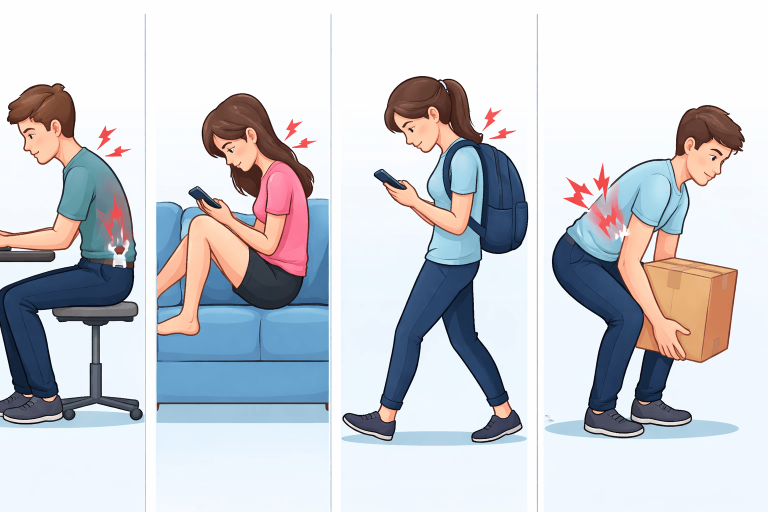
Sitting for long hours especially without proper back support puts continuous pressure on your lower spine. Over time, this can lead to muscle fatigue, disc strain, and stiffness. Many office workers notice their pain worsening by the end of the day, especially if they rarely take breaks.
2. Slouching While Sitting or Standing
Slouching shifts your body weight unevenly across the spine. This increases strain on certain muscles and ligaments, eventually leading to pain and reduced mobility. It may feel comfortable at the moment, but over time, it becomes a major contributor to chronic back issues.
3. Forward Head Posture (Looking Down at Screens)
Constantly looking down at phones or laptops places extra stress on your neck and upper back.
This posture can lead to:
Neck pain
Neck pain often develops from prolonged screen use or poor posture, especially when your head stays tilted forward for long periods. This added strain can irritate muscles and joints, making everyday movements like turning your head uncomfortable.
Shoulder tightness
Shoulder tightness is commonly linked to stress, poor sitting posture, or lack of movement during the day. Over time, the muscles around your shoulders can become stiff, limiting mobility and causing discomfort during routine activities.
Upper back discomfort
Upper back discomfort usually results from slouching or prolonged sitting without support. This can place continuous strain on the muscles between your shoulder blades, leading to aching, stiffness, and reduced flexibility.
4. Improper Lifting Techniques
Bending from your back instead of your knees when lifting objects increases pressure on spinal discs. This can lead to sudden injuries or worsen existing back problems.
5. Lack of Movement Throughout the Day
The human body is designed to move. Staying in one position for too long reduces blood flow, stiffens joints, and weakens muscles—making the spine more vulnerable to pain.
How Physiotherapy Helps Correct Long-Term Posture Habits That Cause Severe Back Pain
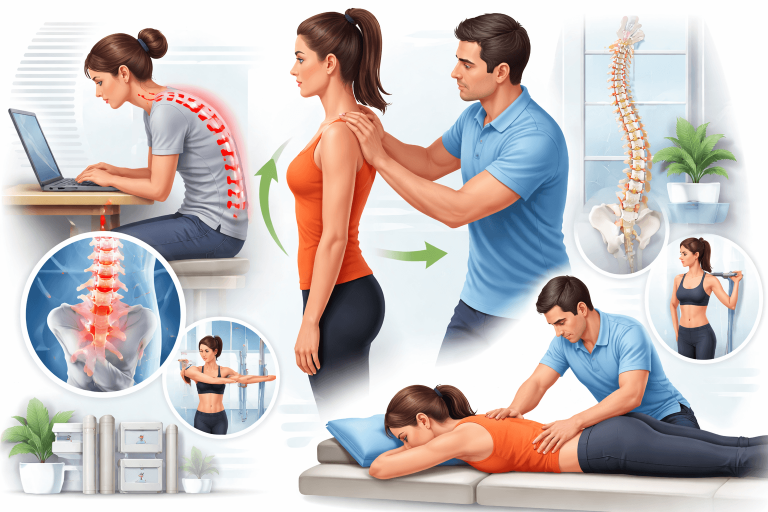
Physiotherapy is not just about pain relief—it’s about correcting the root cause.
1. Detailed Assessment
Your physiotherapist evaluates:
- Posture in sitting and standing
- Movement patterns
- Muscle strength and flexibility
- Pain triggers
This ensures your treatment plan is tailored to your specific condition.
2. Pain Management
Initial treatment may include:
- Manual therapy
- Electrotherapy
- Heat or cold therapy
These help reduce pain so you can begin active recovery safely. According to the National Institutes of Health, conservative treatments like physiotherapy are effective first-line approaches for many musculoskeletal conditions.
3. Posture Correction Training
You’ll learn how to:
- Sit with proper spinal alignment
- Adjust your workstation
- Maintain healthy posture throughout the day
These changes reduce strain and support long-term recovery.
4. Strengthening and Flexibility Exercises
A structured exercise program helps:
- Strengthen core muscles
- Improve flexibility
- Support spinal stability
The World Health Organization highlights the importance of physical activity in preventing and managing musculoskeletal pain.
5. Lifestyle and Habit Modification
Your physiotherapist will guide you on:
- Taking movement breaks
- Safe lifting techniques
- Daily habit corrections
This is essential to prevent recurrence.
Real Patient Experience from Varia Physiotherapy Clinic
Assessment Findings:
- Forward head posture
- Weak core muscles
- Poor sitting ergonomics
Treatment Plan:
- Posture correction training
- Core strengthening exercises
- Workstation adjustments
Outcome:
Within 5–6 weeks:
- Pain reduced significantly
- Posture improved
- Daily discomfort decreased
This is a common example of how small posture changes can lead to meaningful recovery when guided properly.
Myths vs Facts About Posture and Back Pain
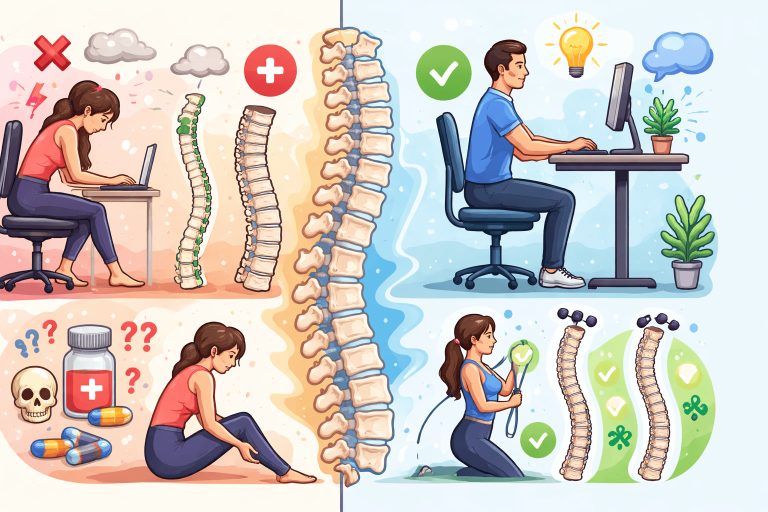
Myth: Good posture means sitting perfectly straight all the time
Fact: The best posture is one that allows movement and avoids prolonged strain
Myth: Back pain always requires medication
Fact: Many cases improve with physiotherapy and lifestyle changes
Myth: Rest is the best solution
Fact: Controlled movement and guided exercise are essential for recovery
When Should You See a Physiotherapist?
Consider consulting a physiotherapist if you experience:
- Persistent back or neck pain
- Pain that worsens with sitting or standing
- Stiffness or reduced movement
- Tingling or numbness
When Referral is Necessary
You may be referred to an orthopedic doctor or neurologist if:
- Pain is severe and not improving
- There is significant weakness
- You experience loss of bladder or bowel control
Conclusion
Long-Term Posture Habits That Cause Severe Back Pain are often overlooked—but they are one of the most common and treatable causes of discomfort.
With the right physiotherapy approach, you can reduce pain, improve posture, and prevent future problems. The key is consistency, awareness, and professional guidance.
At Varia Physiotherapy Clinic in Ahmedabad, the focus is not just on temporary relief—but on helping you build healthier habits for a pain-free future.
Contact Varia Physiotherapy Clinic
If you’re dealing with recurring ankle sprains or ongoing discomfort, getting the right guidance early can make a significant difference in your recovery.
Our team is here to help you understand your condition and guide you toward safe, effective recovery with personalized physiotherapy care.
Posture Habits That Cause Severe Back Pain
- FAQs



 Call: +91 95123 79555
 Website: www.variaphysiotherapy.com