Expert Post-Surgery Physiotherapy in Ahmedabad – 5 Proven Steps for Optimal Healing
In my clinical practice, the biggest mistake I see after surgery is patients either doing too much too soon — or too little for too long.
Most online post-surgery articles fail because they:
- Give exercise lists without explaining healing stages
- Don’t clarify what pain is normal vs concerning
- Ignore swelling biology
- Avoid discussing red flags
- Overpromise “fast recovery”
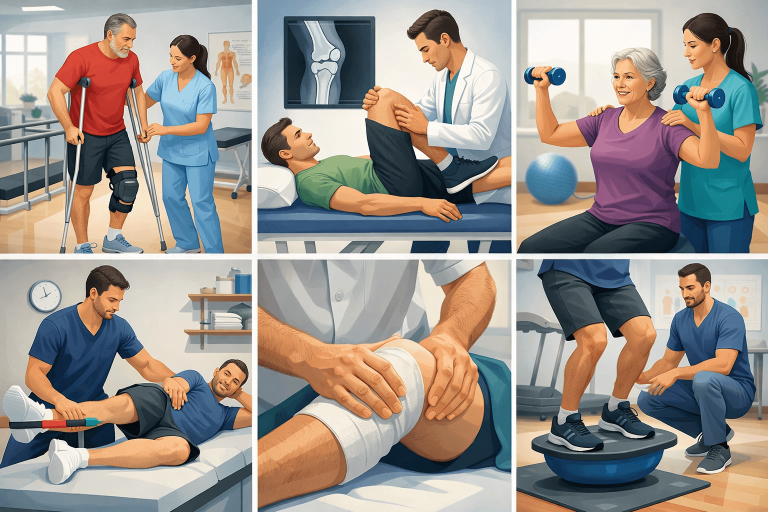
Post-surgical healing is phase-based, tissue-specific, and individual. This guide will help you understand what truly supports optimal healing — and what silently delays it, highlighting the importance of an advanced physiotherapy clinic for recovery care.
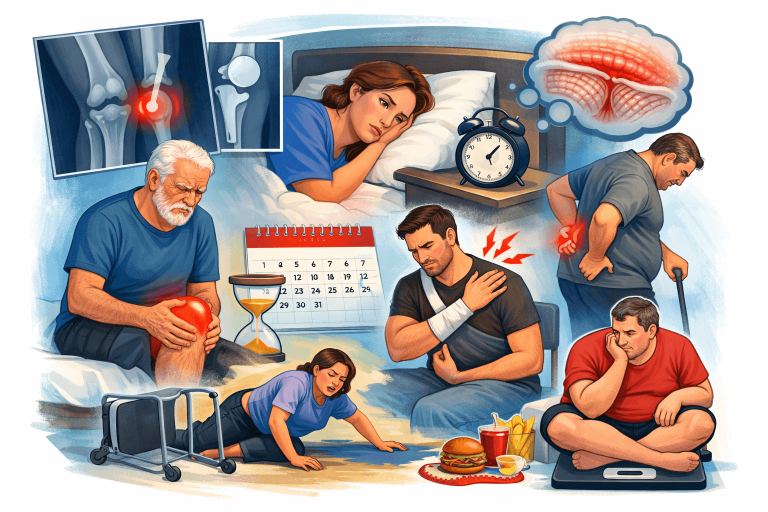
REAL POST-SURGERY PROBLEMS I SEE OFTEN
Why does swelling persist?
Swelling is not just fluid — it is a biological signal. If load exceeds healing tissue capacity, the body reacts. Persistent swelling often means progression is too aggressive.
Why does stiffness develop?
Scar tissue organizes based on movement. If early safe mobility is delayed, stiffness becomes harder to reverse later.
Why does pain continue despite exercises?
The load is inappropriate
When the body is exposed to too much or poorly managed stress, tissues can’t adapt properly. This often leads to pain or delayed healing instead of progress. A guided rehabilitation plan helps apply the right amount of load safely.
The joint is irritated
Joint irritation usually happens due to overuse, improper movement, or injury. It can cause pain, stiffness, and reduced mobility. Early assessment and targeted care can calm irritation and restore normal joint function.
Muscles are inhibited due to swelling
Swelling can interfere with how muscles activate, making them weak or unresponsive. This is a natural protective response of the body after injury or surgery. Reducing swelling and retraining muscles is essential for proper recovery.
The patient is pushing through inflammation
Continuing activity despite pain and inflammation can worsen the condition and delay healing. Pain is often a signal that the body needs rest or modification. A balanced approach ensures recovery without causing further damage.
Fear of damaging the surgery
Many patients under-load because they are scared. Ironically, avoiding safe movement can delay recovery more than controlled loading.
Social media comparison
Every surgery is different. Healing timelines vary by:
- Age
- Tissue quality
- Surgical technique
- Pre-surgery strength
- Consistency of rehab
Comparison is one of the biggest psychological barriers.
5 PROVEN CLINICAL STEPS FOR OPTIMAL HEALING
Step 1: Proper Diagnosis & Red Flag Screening
What to do:
Understand your surgical procedure, surgeon protocol, and tissue healing phase.
Why it matters:
Bone, tendon, ligament, and muscle heal at different biological speeds.
Common mistake:
Starting advanced strengthening without confirming the healing stage.
Red flags requiring immediate review:
- Increasing redness or warmth
- Fever
- Severe night pain
- Sudden instability
- Wound discharge
Step 2: Controlled Pain & Swelling Management
What to do:
Use load regulation, elevation, compression, and appropriate movement.
Why it works:
Swelling inhibits muscle activation (especially quadriceps after knee surgery).
Common mistake:
Relying only on machines or passive therapy without adjusting load.
Step 3: Early Safe Mobility Restoration
What to do:
Restore controlled joint range within safe surgical limits.
Why it works:
Scar tissue remodels best when guided by gradual motion.
Common mistake:
Aggressive stretching causes inflammation — or delaying mobility due to fear. Mobility should challenge tissue — not inflame it.
Step 4: Strength & Load Tolerance Development
What to do:
Progressively build strength appropriate to the tissue healing stage.
Why it works:
Muscle strength protects surgical repair and improves joint mechanics.
Common mistake:
Copying advanced exercises from online videos. Strength progression must match tissue maturity.
Step 5: Functional Reintegration & Confidence Building
What to do:
Gradually return to walking, stairs, daily tasks, work, or sport.
Why it works:
Real-life tasks demand coordinated strength, balance, and endurance.
Common mistake:
Stopping rehab once pain reduces. Pain relief ≠ functional capacity.
REAL CASE EXAMPLES
Case 1 – Sedentary Post-Knee Replacement
Age: 62
3 months post-op: Persistent stiffness
Fear: “If I bend more, I’ll damage the implant.”
Issue: Delayed rehab start
We introduced:
- Controlled range progression
- Swelling monitoring
- Gradual strengthening
Timeline: 6 weeks to improved mobility; 3 months to confident walking.
Outcome: Functional independence regained but not marathon-level mobility. Realistic, meaningful recovery.
Case 2 – Active Post-ACL Reconstruction
Age: 25
Goal: Return to football
Problem: Quad weakness + recurring swelling
Structured plan included:
- Progressive strength blocks
- Swelling-guided load adjustments
- Functional testing before clearance
Return at 9 months — not rushed at 6.
Outcome: Stable knee, no re-injury at 1-year follow-up.
PATIENT REFLECTIONS
“I thought pain meant failure. I learned that swelling was feedback.” – Office professional, post knee surgery
“I was scared to bend my knee. Structured progression gave me confidence.” – Retired teacher
“I stopped comparing myself to others — that changed everything.” – ACL patient
These outcomes were possible thanks to structured exercises and post-surgery physiotherapy in Ahmedabad, which guide patients safely through each stage of recovery.
CLINICAL CREDIBILITY
Evidence-based rehabilitation emphasizes:
- Phase-based healing timelines
- Progressive loading principles
- Pain science understanding
- WHO rehabilitation guidance promoting gradual activity
Practically, this means:
- More is not always better.
- Movement is medicine — but dosage matters.
- Numbers guide progress; symptoms guide safety.
WHO THIS GUIDE IS NOT FOR
This guide is NOT for:
- Active infection
- Suspected fracture
- Severe neurological deficit
- Wound complications
- Progressive weakness
- Emergency symptoms
This guide does NOT:
- Replace surgeon follow-up
- Provide medication advice
- Guarantee recovery timeline
- Replace in-person assessment
Safety always comes first.
IF I WERE TREATING THIS TODAY
First priority:
Assess healing stage and swelling status.
One mistake I see repeatedly:
Patients stopping rehab once pain reduces.
What I avoid completely:
Over-aggressive stretching early post-surgery.
One red flag I never ignore:
Increasing night pain with swelling.
When I refer back to surgeon:
Signs of infection, instability, or failure to progress despite structured rehab.
Conclusion
Optimal healing after surgery is:
- Phase-based
- Structured
- Measured
- Patient-specific
More exercise is not always better. Fear and overconfidence both delay recovery.
Use a structured recovery checklist or mobility self-assessment guide to understand your current stage — and progress safely.
Post-Surgery Physiotherapy in Ahmedabad - FAQs
References