
Advanced Physiotherapy Treatment For Paralysis Rehabilitation
A Doctor’s Guide to Safe, Realistic, and Effective Recovery Paralysis is not just a loss of movement. For most patients and families, it brings fear, confusion, and unanswered questions:
- “Will movement come back?”
- “How soon should physiotherapy start?”
- “Is exercise safe, or can it worsen the damage?”
- “Why did improvement stop after some time?”
As a physiotherapy doctor involved in neuro-rehabilitation, stroke recovery, and post-trauma paralysis, I see one recurring problem — patients either start too late, do the wrong kind of therapy, or expect unrealistic outcomes.
This article explains what physiotherapy for paralysis actually does, who benefits most, and how recovery realistically unfolds.
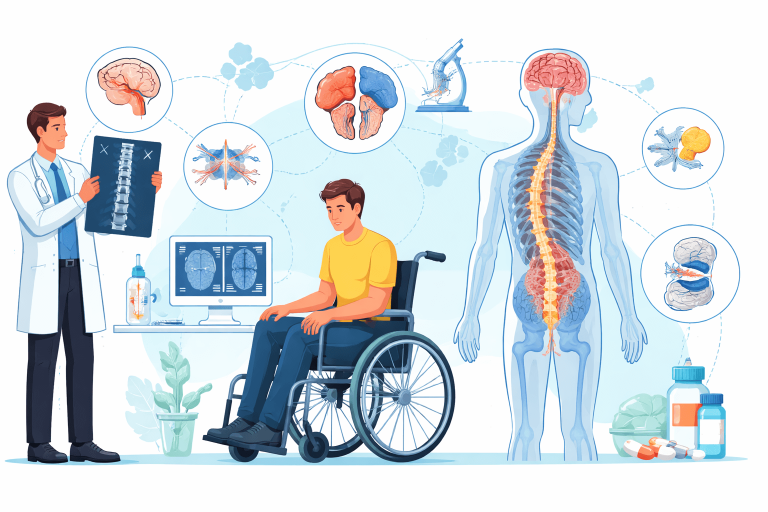
Understanding Paralysis: What Patients Need to Know First
Paralysis means partial or complete loss of voluntary muscle movement due to damage in the nervous system not the muscles themselves.
Common causes we see in clinical practice:
Stroke (hemiplegia / hemiparesis)
After a stroke, one side of the body may become weak or paralyzed due to brain injury. Physiotherapy focuses on retraining movement, balance, and daily activities while preventing stiffness and long-term disability. Early, guided rehab significantly improves functional recovery.
Spinal cord injury
Damage to the spinal cord disrupts communication between the brain and body, affecting movement, sensation, and sometimes bladder or bowel control. Physiotherapy helps maintain joint health, build safe mobility strategies, and maximize independence based on the level and completeness of injury.
Traumatic brain injury
A head injury can affect movement, balance, coordination, behavior, and thinking often all at once. Rehabilitation is carefully planned to restore physical function while respecting fatigue, safety, and cognitive recovery. Progress may be gradual and requires patience.
Nerve injuries
When peripheral nerves are damaged, muscles may become weak, numb, or painful. Physiotherapy supports nerve healing by maintaining movement, preventing muscle wasting, and restoring function as the nerve recovers. Treatment timing and protection are critical for good outcomes—so it’s important to choose expert rehabilitation care in Ahmedabad for the best recovery support.
Conditions like Guillain-Barré syndrome
GBS is a temporary immune-related nerve condition that causes rapid weakness and fatigue. Physiotherapy during recovery focuses on gentle strengthening, endurance, and safe mobility — avoiding overexertion while the nerves heal naturally over time.
Advanced neurological disorders
Conditions such as Parkinson’s disease or progressive neurological disorders affect movement control, balance, and daily function. Physiotherapy aims to slow functional decline, reduce falls, and maintain independence for as long as possible through evidence-based movement strategies.

Common Myths That Delay Or Harm Recovery
Before discussing treatment, let’s clear some misconceptions:
“Paralysis means permanent disability.”
Not always. Recovery depends on nerve healing, brain reorganization, and correct rehab timing.
“Exercise should wait until full strength returns.”
Early, guided movement is often crucial but it must be safe and specific.
“More therapy hours = faster recovery.
”Quality, timing, and clinical reasoning matter more than duration.

What Physiotherapy Really Does In Paralysis Rehabilitation
Key goals of paralysis physiotherapy:
- Prevent joint stiffness and muscle shortening
- Maintain circulation and skin health
- Retrain movement patterns
- Improve balance, posture, and coordination
- Restore daily functional abilities
- Reduce pain, spasticity, and complications
This process is called neuroplastic rehabilitation teaching the nervous system new pathways.

Step-by-Step: How Paralysis Physiotherapy Progresses
Early Phase (Acute / Sub-acute Stage)
What patients usually feel:
Weakness, fear of movement, stiffness, swelling, fatigue.
Physiotherapy focus:
- Positioning to prevent pressure sores
- Gentle passive and assisted movements
- Breathing and circulation exercises
- Bed mobility training
Doing aggressive strengthening at this stage can worsen spasticity or pain.
Recovery Phase (Relearning Movement)
This is where most improvement happens.
Treatment includes:
- Task-specific training (sitting, standing, reaching)
- Balance and postural control
- Weight-bearing to stimulate nerve input
- Gait training (with or without support)
Movements are chosen based on how the brain relearns, not muscle strength alone.
Functional & Long-Term Rehabilitation
Goals shift from “movement” to “independence.”
- Walking efficiency
- Hand function for daily activities
- Endurance and confidence
- Home and community mobility
This phase often requires adjusting expectations, not stopping therapy.

Realistic Case Examples from Practice
Case 1: Stroke-Related Paralysis
A middle-aged patient with right-side weakness post-stroke started physiotherapy within two weeks. Initial progress was slow, but functional hand use improved after consistent task-based training — not strength exercises alone. This case highlights how modern physiotherapy methods for paralysis patients focus on neuroplasticity and functional retraining rather than isolated muscle strengthening.
Key lesson:
Early start + correct technique matters more than intensity.
Case 2: Spinal Cord Injury
A young adult with incomplete spinal injury regained assisted walking ability, but only after correcting poor home exercise habits that were increasing stiffness.
Key lesson:
Wrong exercises can delay progress.
When Physiotherapy Alone Is NOT Enough
Physiotherapy is powerful but not magic.
You may need medical referral or combined care if:
- Muscle tone is rapidly worsening
- Pain increases despite therapy
- There is sudden loss of sensation
- Bladder or bowel control changes
- No functional improvement over time
These are red flags, not “normal recovery delays.”
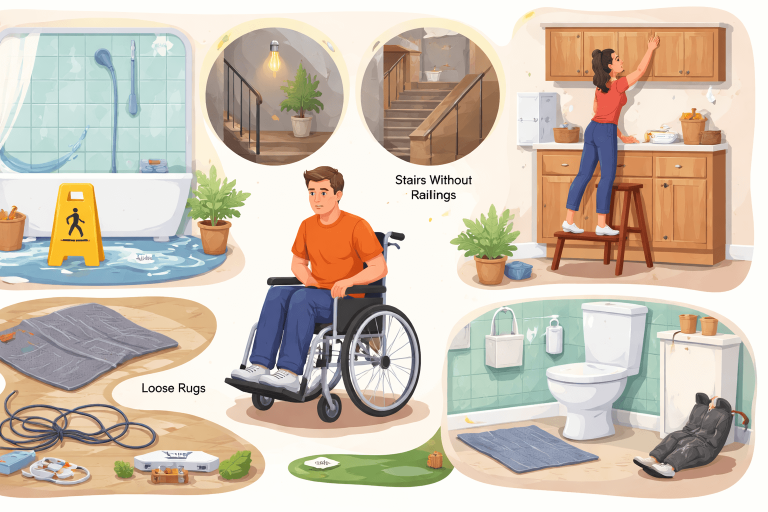
Common Home Mistakes That Worsen Paralysis Outcomes
Forcing painful movements:
- Over-stretching spastic muscles
- Copying exercises from YouTube
- Ignoring posture and positioning
- Stopping therapy too early
Recovery is fragile — especially in neurological conditions.
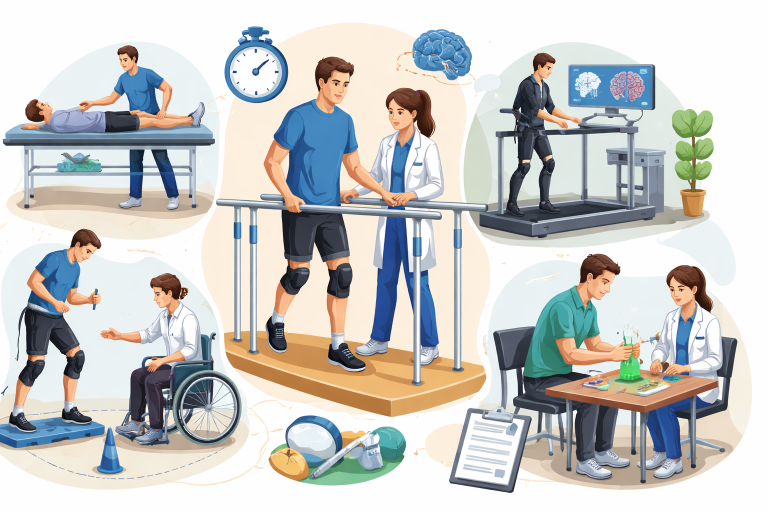
How Long Does Paralysis Rehabilitation Take?
There is no fixed timeline.
In general:
- Early neurological recovery: first 3–6 months
- Functional improvements: up to 1–2 years
- Maintenance therapy: long-term for many patients
Progress is non-linear plateaus are common and normal.

Who Benefits the Most from Physiotherapy?
Physiotherapy works best when:
Started early
Beginning physiotherapy as soon as it is medically safe helps prevent stiffness, weakness, and secondary complications. Early rehabilitation also supports better brain and nerve recovery, improving long-term functional outcomes.
Tailored to diagnosis
Every neurological condition behaves differently, even in two patients with the same diagnosis. Physiotherapy must be planned according to the exact cause, stage of recovery, and individual abilities — not a fixed exercise routine.
Guided by trained neuro-physiotherapists
Neurological rehabilitation requires specialized clinical reasoning, not general exercise programs. A trained neuro-physiotherapist understands how the nervous system heals and adjusts treatment safely as recovery progresses.
Supported by family involvement
Family support plays a key role in recovery by helping with safe positioning, home exercises, and emotional encouragement. When caregivers are educated properly, therapy continues effectively beyond the clinic.
Combined with realistic expectations
Recovery after neurological injury is often slow and non-linear. Setting realistic goals helps patients stay motivated, avoid unnecessary stress, and focus on meaningful improvements in daily function.
It may be limited when:
Severe nerve destruction exists
When nerve damage is extensive or permanent, full recovery may not be possible. In such cases, physiotherapy focuses on maximizing independence, preventing complications, and improving quality of life rather than complete restoration.
Therapy is inconsistent
Irregular therapy or frequent breaks can slow progress and lead to stiffness or loss of gained function. Consistency, even at a moderate pace, is essential for safe and sustained improvement.
Goals are unrealistic
Expecting rapid or complete recovery despite severe injury can lead to frustration and unsafe treatment choices. Honest goal-setting allows therapy to remain effective, ethical, and emotionally supportive.
Final Doctor’s Advice to Patients & Caregivers
Paralysis rehabilitation is a medical process, not a motivational challenge. If you or your loved one is dealing with paralysis:
- Start physiotherapy early, but safely
- Choose clinical reasoning over promises
- Ask why an exercise is given
- Measure progress by function, not force
Trust grows when treatment is honest — and recovery improves when decisions are informed.
Physiotherapy Treatment For Paralysis - FAQs
Q1.When should physiotherapy start after a neurological injury?
Q2.Does everyone with paralysis or weakness recover fully?
Q3.Why does treatment need to be tailored for each patient?
Q4.How important is family involvement in recovery?
Q5.What happens if therapy is irregular or stopped early?
References
About the Author

Dr. Hetal M Varia
After a rich experience of working in US healthcare as manager and licensed physiotherapist in US for last 11 years, she has returned home with a vision to become pioneer of Vestibular Therapy and specialized Parkinson physiotherapy in Ahmedabad. With her special skills and expertise in vertigo, Parkinson, balance and movement disorders therapy, Dr. Varia is committed to provide US standards of therapy services , compassionate and patient centered care to our people and community. With a vision of the world where everyone walks strong & steady, she intends to empower individuals with vestibular and neurological disorders through specialized care, rehabilitation & innovative therapies to improve mobility, balance & overall quality of life!