
Paralysis Rehab Centre In Ahmedabad | Recovery Guide
Recovering from paralysis is not just about regaining movement—it’s about rebuilding confidence, independence, and quality of life. At Varia Physiotherapy Clinic, we meet many individuals and families searching for the right Paralysis Rehab Centre In Ahmedabad, often feeling overwhelmed, uncertain, and hopeful at the same time.
Whether paralysis is caused by a stroke, spinal cord injury, or neurological condition, the journey to recovery requires the right guidance, consistent therapy, and a compassionate approach. This guide will help you understand how physiotherapy plays a crucial role in recovery—and what you can realistically expect.
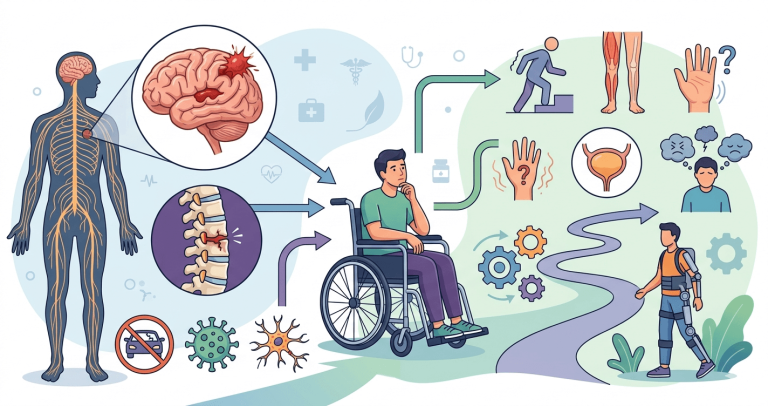
Understanding Paralysis: Causes and Challenges
Paralysis occurs when there is a disruption in communication between the brain and muscles. This can lead to partial or complete loss of movement.
Common Causes We See in Ahmedabad Clinics
- Stroke (Brain Attack) – One of the leading causes of paralysis in adults
- Spinal Cord Injury – Due to accidents or trauma
- Neurological Disorders – Such as Parkinson’s disease or multiple sclerosis
- Post-Surgical Complications – Especially after brain or spine surgeries
Patients often come to us experiencing:
- Weakness or inability to move one side of the body
- Difficulty with balance and coordination
- Trouble performing daily activities like walking, dressing, or eating
According to the World Health Organization, early rehabilitation significantly improves functional recovery and independence.

How a Paralysis Rehab Centre In Ahmedabad Supports Recovery
At Varia Physiotherapy Clinic, rehabilitation is not a one-size-fits-all process. Every patient undergoes a detailed assessment before starting treatment.
Step 1: Comprehensive Clinical Assessment
A detailed assessment is the foundation of effective rehabilitation. We carefully evaluate muscle strength, joint movement, balance, and the patient’s ability to perform daily activities. This helps us understand the severity of impairment and identify specific limitations. Based on these findings, a personalized and goal-driven treatment plan is created.
We evaluate:
- Muscle strength and tone
- Joint mobility
- Balance and coordination
- Functional abilities (walking, sitting, standing)
This helps us design a personalized treatment plan.
Step 2: Goal-Oriented Physiotherapy Treatment
Rehabilitation is guided by clear, realistic, and measurable goals tailored to each patient. Instead of a generic approach, therapy focuses on improving functional independence step by step through advanced physiotherapy treatment in Ahmedabad. Regular progress tracking ensures that exercises are adjusted as recovery improves. This structured method keeps patients motivated and on the right path.
1. Early Mobilization
Early movement plays a critical role in preventing complications after paralysis. It helps reduce joint stiffness, muscle wasting, and improves blood circulation. Even small, assisted movements can promote healing and prepare the body for further rehabilitation. Starting early often leads to better long-term outcomes.
- Prevents stiffness and muscle wasting
- Encourages circulation and healing
2. Neuro-Rehabilitation Techniques
These techniques focus on retraining the brain and body to work together again. Task-specific exercises, balance training, and mirror therapy help stimulate neural pathways. This encourages the brain’s natural ability to adapt and recover with trusted physiotherapy support. Over time, patients regain better control over movements and coordination.
- Task-specific training (e.g., relearning walking)
- Balance and coordination exercises
- Mirror therapy for brain reactivation
3. Strength and Functional Training
Building strength is essential for regaining independence. Exercises are gradually progressed to improve muscle power and endurance safely. Alongside this, patients practice daily activities like sitting, standing, and dressing. This combination helps restore confidence and makes everyday tasks easier.
- Gradual muscle strengthening
- Practice of daily activities (ADLs)
4. Gait Training
Gait training helps patients relearn how to walk safely and efficiently. Depending on the condition, assistive devices like walkers or supports may be used initially. The focus is on improving balance, posture, and coordination during walking. With consistent practice, many patients achieve greater mobility and independence.
- Use of assistive devices if needed
- Focus on safe and independent walking
Research supported by the National Institutes of Health highlights that repetitive, task-specific training improves neuroplasticity—the brain’s ability to reorganize and heal.
Read More:- How Neuro Rehab Helps Paralysis Patients?
Real Patient Experience: A Journey of Gradual Progress
A 58-year-old patient visited our clinic after a stroke that affected the right side of his body. Initially, he was unable to stand without support and had a strong fear of falling.
Week 1–3
- Focus on sitting balance and assisted standing
- Gentle range-of-motion exercises
Week 4–8
- Began walking short distances with support
- Improved confidence and reduced fear
After 3 Months
- Able to walk indoors with minimal assistance
- Started performing basic daily activities independently
This case reflects a common pattern: recovery is gradual, but consistent physiotherapy makes a meaningful difference.
Myths vs Facts About Paralysis Rehabilitation
Myth 1: Recovery is impossible after paralysis
Timely physiotherapy helps stimulate the brain and muscles to work together again. Regular, guided exercises improve strength, coordination, and daily function. Consistency is key to achieving the best possible recovery outcomes.
Myth 2: Physiotherapy is only needed for a few weeks
Recovery from paralysis typically involves long-term rehabilitation. Structured physiotherapy over weeks to months helps rebuild strength and functional ability. Continuous guidance ensures safe progress and prevents setbacks.
Myth 3: Complete bed rest helps recovery
Guided and gradual movement is crucial for recovery after paralysis. It helps maintain joint flexibility, muscle strength, and overall health. Physiotherapists ensure exercises are safe, effective, and suited to the patient’s condition.
When Should You Visit a Paralysis Rehab Centre In Ahmedabad?
Seek physiotherapy immediately if:
- There is sudden weakness or loss of movement
- Difficulty in walking or maintaining balance
- Post-stroke or post-surgery recovery is needed
- Daily activities become challenging
Delaying rehabilitation can slow down recovery and increase complications like stiffness and muscle loss.
In some cases, we may recommend consultation with:
- A neurologist (for underlying brain or nerve conditions)
- An orthopedic specialist (for joint or structural issues)
This ensures a multidisciplinary approach for better outcomes.
How Physiotherapy Improves Quality of Life
Beyond physical recovery, rehabilitation focuses on:
- Restoring independence
- Reducing caregiver dependency
- Improving mental well-being
Patients often report increased confidence and motivation as they regain small but meaningful abilities.
Emotional and Mental Challenges During Paralysis Recovery
Paralysis doesn’t only affect the body—it also impacts mental and emotional well-being. Many patients experience fear, frustration, or a loss of confidence, especially in the early stages of recovery. These feelings are completely normal and should be addressed alongside physical treatment.
At Varia Physiotherapy Clinic, we encourage a supportive environment where patients feel heard and motivated. Small improvements in movement often lead to a boost in confidence and positivity. Family support, counseling when needed, and consistent encouragement play a crucial role in long-term recovery.
Home Care Tips to Support Paralysis Rehabilitation
Recovery doesn’t stop at the clinic—what patients do at home is equally important. Simple daily practices can help maintain progress and prevent complications. Following the physiotherapist’s exercise plan consistently is key to improving outcomes.
Caregivers should also ensure proper positioning, safe mobility, and fall prevention at home. A balanced diet, hydration, and regular follow-ups further support healing. With the right guidance, home care becomes a powerful extension of professional rehabilitation.
Conclusion:
Finding the right Paralysis Rehab Centre In Ahmedabad can make a significant difference in your recovery journey. At Varia Physiotherapy Clinic, the focus is always on patient-centered care—combining clinical expertise with compassion and realistic goal-setting.
Recovery may take time, but with the right support, progress is always possible.
If you or your loved one is facing paralysis, consider consulting a qualified physiotherapist early. A timely and structured rehabilitation plan can help you regain independence and improve your quality of life.
Ethical Call to Action
If you’re unsure whether your symptoms need attention, it’s okay to start with a simple consultation. Understanding your condition is the first step toward recovery—no pressure, just guidance.
If you’d like to speak with a physiotherapist or book an assessment at Varia Physiotherapy Clinic, you can reach out here:
 Call: +91 95123 79555
 Email: hello.drhetalvaria@gmail.com
 Website: www.variaphysiotherapyclinic.com
Our team is here to listen, assess, and guide you toward safe and effective recovery.
Paralysis Rehab Centre In Ahmedabad :FAQs
1. How long does paralysis recovery take?
2. Can paralysis be completely cured?
3. Is physiotherapy painful?
4. When should rehabilitation start after a stroke?
5. Do I need home physiotherapy or clinic-based treatment?
About the Author

Dr. Hetal M Varia
After a rich experience of working in US healthcare as manager and licensed physiotherapist in US for last 11 years, she has returned home with a vision to become pioneer of Vestibular Therapy and specialized Parkinson physiotherapy in Ahmedabad. With her special skills and expertise in vertigo, Parkinson, balance and movement disorders therapy, Dr. Varia is committed to provide US standards of therapy services , compassionate and patient centered care to our people and community. With a vision of the world where everyone walks strong & steady, she intends to empower individuals with vestibular and neurological disorders through specialized care, rehabilitation & innovative therapies to improve mobility, balance & overall quality of life!