Occupational Therapy Vs Neuro Physiotherapy Which Is Better?
If you’ve been dealing with persistent pain, weakness, or difficulty managing everyday tasks, you’re not alone. Many adults in Ahmedabad between the ages of 30–65 visit Varia Physiotherapy Clinic with concerns that affect not just their body—but their independence, confidence, and quality of life.
A very common question we hear is:
“Occupational Therapy Vs Neuro Physiotherapy Which Is Better?”
It’s a valid question. When you’re already dealing with health challenges, choosing the right treatment shouldn’t feel confusing. The truth is, both therapies are highly effective—but they serve different purposes. Understanding how they work, and which one suits your condition, can make a meaningful difference in your recovery.
Understanding What’s Really Causing Your Symptoms
Before deciding between therapies, it’s essential to understand the root cause of your problem. In clinical practice, we broadly classify issues into two categories:
1. Neurological Conditions
These affect the brain, spinal cord, or nerves. Common examples include:
- Stroke
- Parkinson’s disease
- Multiple sclerosis
- Nerve injuries
- Paralysis or weakness on one side of the body
These conditions often impact movement, coordination, balance, and muscle control.
2. Functional or Activity-Based Limitations
These affect your ability to perform daily tasks, such as:
- Difficulty holding objects
- Trouble writing or typing
- Challenges with dressing, cooking, or self-care
- Reduced hand coordination after injury or illness
In many cases, patients experience both types of problems at the same time—which is where confusion begins.
What is Occupational Therapy?
Occupational therapy focuses on helping you regain independence in your daily life. The goal is not just recovery—but functionality.
What Does It Work On?
- Fine motor skills (hand and finger movements)
- Coordination and dexterity
- Daily living activities (eating, dressing, grooming)
- Work-related tasks
- Use of assistive devices when needed
For example, imagine a patient who can walk but cannot button a shirt or hold a pen properly. Occupational therapy directly addresses these functional challenges.
Why It Matters
Regaining independence in daily activities has a huge psychological impact. Patients often report improved confidence, reduced dependency on family members, and a better sense of normalcy.
Stroke rehab
What is Neuro Physiotherapy?
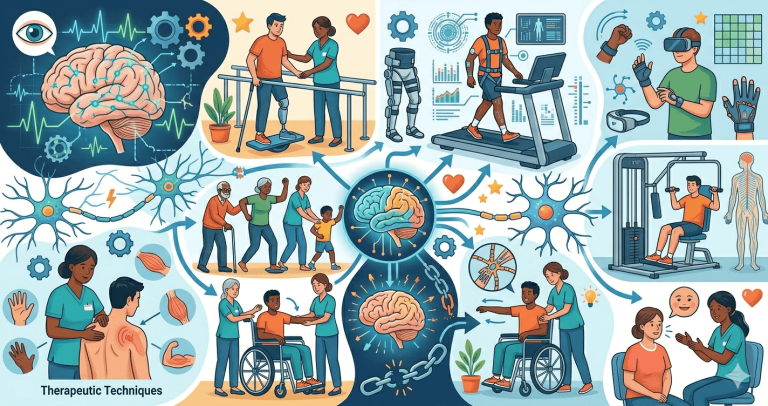
Neuro physiotherapy focuses on restoring movement, strength, and coordination affected by neurological conditions.
What Does It Work On?
- Muscle strength and control
- Balance and posture
- Walking (gait training)
- Coordination between brain and body
- Reducing stiffness or spasticity
This therapy is based on the concept of neuroplasticity, where the brain has the ability to reorganize and form new connections.
Organizations like the World Health Organization and National Institutes of Health strongly emphasize early and structured rehabilitation for neurological conditions to improve long-term outcomes.
Why It Matters
Without proper neuro physiotherapy, patients may develop:
- Poor walking patterns
- Muscle stiffness
- Increased risk of falls
- Long-term disability
Occupational Therapy Vs Neuro Physiotherapy Which Is Better?
Let’s address this directly.
The Real Answer:
It depends on your condition—and in many cases, you need both.
When Neuro Physiotherapy is More Important:
- After a stroke
- Difficulty walking or standing
- Loss of balance
- Muscle weakness or paralysis
When Occupational Therapy is More Important:
- Difficulty with hand function
- Trouble performing daily tasks
- Reduced coordination in routine activities
- Challenges returning to work
In Reality:
Most neurological patients benefit from a combination of both therapies, and choosing between occupational therapy and neuro physiotherapy often depends on understanding your specific recovery needs and functional goals.
Think of it this way:
- Neuro physiotherapy helps you regain movement
- Occupational therapy helps you use that movement in real life
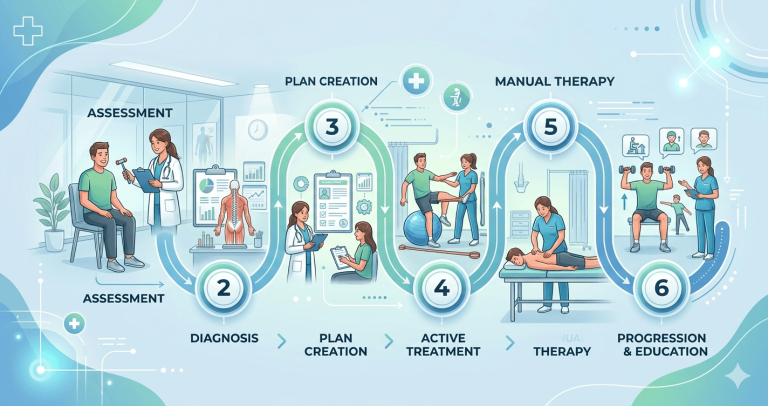
How Physiotherapy Helps: A Step-by-Step Clinical Approach
At Varia Physiotherapy Clinic in Ahmedabad, we follow a structured and patient-centered approach.
1. Comprehensive Assessment
Every patient undergoes a detailed evaluation, including:
- Muscle strength testing
- Reflex and neurological examination
- Balance and gait analysis
- Functional independence assessment
This step ensures we understand not just your symptoms—but how they affect your life.
2. Personalized Treatment Planning
No two patients are the same. Based on your condition, we design a plan that may include:
- Neuro physiotherapy techniques
- Occupational therapy interventions
- Pain management strategies
- Home exercise programs
3. Evidence-Based Treatment
We use clinically proven methods such as:
- Task-specific training
- Balance and coordination exercises
- Strength training
- Hand function rehabilitation
- Motor relearning techniques
These approaches are supported by global research and clinical guidelines.
4. Progress Monitoring and Adjustment
Recovery is not linear. We continuously track your progress and adjust the treatment plan to ensure steady improvement.
Real Patient Experience from Our Clinic
A 52-year-old male patient from Ahmedabad came to us after a stroke. He had:
- Weakness on the right side
- Difficulty walking independently
- Poor hand coordination
- Dependence on family for daily tasks
Our Approach:
We combined:
- Neuro physiotherapy to improve strength, balance, and walking
- Occupational therapy to restore hand function and daily activities
Progress Timeline:
- First 2 weeks: Improved sitting balance
- 4–6 weeks: Started walking with support
- 8–12 weeks: Walking independently with better confidence
- 3 months+: Regained ability to perform basic daily activities
Outcome:
The patient regained independence in most activities and reported a significant improvement in confidence and quality of life.
This case highlights an important truth: recovery is possible—but it requires the right combination of therapies and consistency, supported by comprehensive physiotherapy care in Ahmedabad, along with understanding the difference between occupational therapy and neuro physiotherapy.
Common Myths vs Facts
Myth 1: One therapy is better than the other
Fact: Both therapies serve different purposes and often work best together.
Myth 2: Recovery happens quickly
Fact: Neurological recovery can take weeks to months, depending on severity.
Myth 3: Therapy is only for severe cases
Fact: Early intervention leads to faster and more complete recovery.
Myth 4: You can manage with exercises at home
Fact: While home exercises help, professional guidance ensures correct technique and progress.
Myth 5: Once you improve, therapy is no longer needed
Fact: Continued therapy helps prevent relapse and maintain function.
When Should You See a Physiotherapist?
You should consider consulting a physiotherapist if you experience:
- Persistent weakness or numbness
- Difficulty walking or balancing
- Reduced coordination
- Trouble performing daily activities
- Pain that limits movement
Red Flags:
- Sudden weakness on one side
- Loss of speech or coordination
- Severe unexplained pain
In such cases, referral to a neurologist or orthopedic specialist may be necessary before starting therapy.
Recovery Expectations: What Patients Should Know
One of the most important aspects of treatment is setting realistic expectations.
Typical Recovery Timeline:
- Mild conditions: 2–6 weeks
- Moderate conditions: 6–12 weeks
- Neurological recovery: 3–6 months or longer
What Influences Recovery?
- Severity of condition
- Consistency of therapy
- Overall health and age
- Patient motivation and support system
At our clinic, we prioritize honest communication so patients understand what to expect—without false promises.
Conclusion
If you’re still asking, “Occupational Therapy Vs Neuro Physiotherapy Which Is Better?”, here’s the most practical answer:
- If you want to walk, stand, and move better → Neuro Physiotherapy
- If you want to eat, dress, and live independently → Occupational Therapy
But for many patients, especially those recovering from neurological conditions,
the best results come from combining both therapies in a structured way.
Ethical Call-to-Action
If you’re unsure whether your symptoms need attention, it’s okay to start with a simple consultation. Understanding your condition is the first step toward recovery—no pressure, just guidance.
If you’d like to speak with a physiotherapist or book an assessment at Varia Physiotherapy Clinic, you can reach out here:
 Call: +91 95123 79555
 Email: hello.drhetalvaria@gmail.com
 Website: www.variaphysiotherapyclinic.com
Our team is here to listen, assess, and guide you toward safe and effective recovery.
Occupational Therapy Vs Neuro Physiotherapy Which Is Better? - FAQs