How Physiotherapy Helps In Chronic Pain Management?
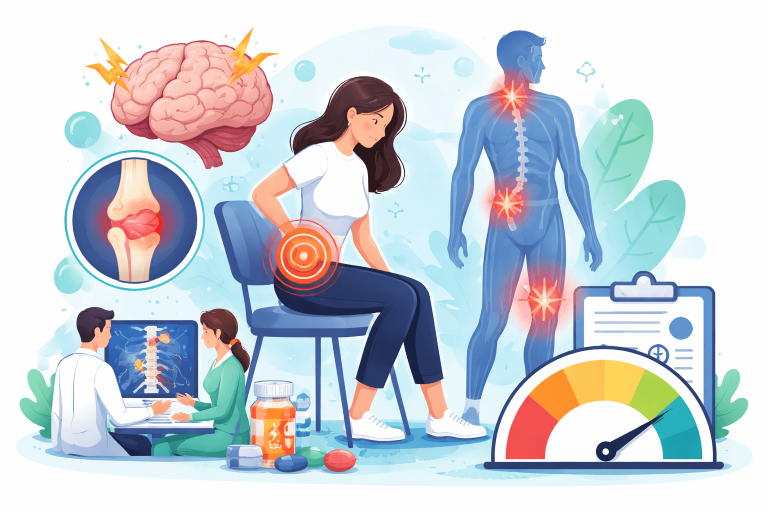
Chronic pain is not just “pain that lasts long.” It changes how you move, how you sleep, how you think, and sometimes even how you see your future.
In my years of treating patients with long-standing back pain, neck pain, arthritis, post-surgery pain, nerve pain, and fibromyalgia-like symptoms, I’ve seen one pattern clearly:
The longer pain stays, the more it becomes a nervous system problem not just a tissue problem. And that is exactly where physiotherapy becomes powerful.
Understanding Chronic Pain: What Most People Get Wrong
Chronic pain usually means pain lasting more than 3 months. But duration alone doesn’t define it.
What changes in chronic pain?
- The nervous system becomes over-sensitive
- Muscles tighten constantly
- Movement becomes guarded
- Fear of movement develops
- Sleep and stress worsen symptoms
Many patients come to me saying:
- “My MRI shows small changes, but pain is unbearable.”
- “Doctors say everything is normal, but I still suffer.”
- “Painkillers help only temporarily.”
This is common — and treatable.
Why Medication Alone Is Not Enough
Painkillers reduce symptoms.
They don’t retrain movement.
They don’t calm an overactive nervous system.
They don’t fix fear of movement.
In chronic pain management, the goal is not just symptom control — it is functional restoration. That’s where physiotherapy plays a central role, using methods physiotherapy uses to ease persistent pain to restore movement, reduce sensitivity, and improve daily function.
How Physiotherapy Actually Helps In Chronic Pain
1. Identifying The Real Driver of Pain
The first thing we do is not exercise. It is an assessment.
We check:
Movement patterns
How you bend, lift, sit, and walk affects how stress is distributed across joints and muscles. Faulty patterns often overload certain areas, leading to recurring pain.
Muscle imbalances
When some muscles are weak and others overactive, joints lose proper support. Correcting these imbalances helps restore stability and reduce strain.
Joint stiffness
Limited joint mobility forces nearby structures to compensate. Improving controlled mobility can ease discomfort and improve daily function.
Nerve sensitivity
Sometimes pain persists because nerves remain irritated or overly sensitive. Gradual exposure to safe movement can help calm this response.
Breathing pattern
Shallow or chest-dominant breathing can increase muscle tension and reduce core stability. Proper breathing supports spinal control and relaxation.
Fear avoidance behaviors
Avoiding movement due to fear of pain often weakens the body further. Education and graded activity help rebuild confidence safely.
Mistake to avoid:
Don’t assume all physiotherapists are trained in neuro or vestibular rehab.
Example from practice:
A 42-year-old office worker had chronic neck pain for 2 years. MRI showed mild disc bulge. But the real issue was:
- Rounded shoulder posture
- Weak deep neck flexors
- Poor thoracic mobility
- High stress and shallow breathing
Treatment changed completely after proper evaluation.
2. Calming The Overactive Nervous System
Chronic pain is often a “sensitivity issue.”
We use:
- Graded exposure to movement
- Gentle mobility work
- Breath training
- Neural mobilization
- Relaxation-based loading
When patients understand that “hurt does not always mean harm,” recovery accelerates. Education is therapy.
3. Graded Loading – The Most Powerful Tool
One major mistake I see is either:
- Complete rest
- Over-aggressive gym exercises
Both worsen chronic pain.
Instead, we follow graded loading:
Step 1 – Restore mobility
Step 2 – Activate weak muscles
Step 3 – Build endurance
Step 4 – Functional strengthening
Step 5 – Return to full activity
Example: A patient with chronic knee pain feared climbing stairs.
We started with:
Isometric quadriceps work
This involves tightening the thigh muscle without moving the knee joint. It helps maintain strength, reduce pain, and improve joint stability safely during early rehabilitation.
Controlled sit-to-stand
Practicing slow, controlled transitions from sitting to standing retrains proper knee loading and muscle coordination needed for daily activities.
Supported step-ups
Using support while stepping onto a low platform builds knee strength and confidence gradually without overloading the joint.
Gradually stair training
Structured stair practice improves functional strength and endurance, preparing the knee for real-life demands step by step. In 8 weeks, pain reduced by 60%, confidence improved dramatically.
4. Correcting Movement Patterns
Chronic pain often persists because faulty movement continues.
Common issues:
- Hip weakness causing back pain
- Poor ankle mobility causing knee stress
- Forward head posture triggering neck pain
We don’t treat just the painful area — we treat the chain.
5. Breaking The Fear-Pain Cycle
One of the most underestimated factors in chronic pain is fear.
Patients avoid:
- Bending
- Lifting
- Turning
- Exercise
Avoidance leads to:
- Weakness → Stiffness → More pain → More fear
- We use exposure therapy principles inside physiotherapy.
- Small safe movements → build confidence → reduce threat perception.
- This is a science-backed pain neuroscience approach.
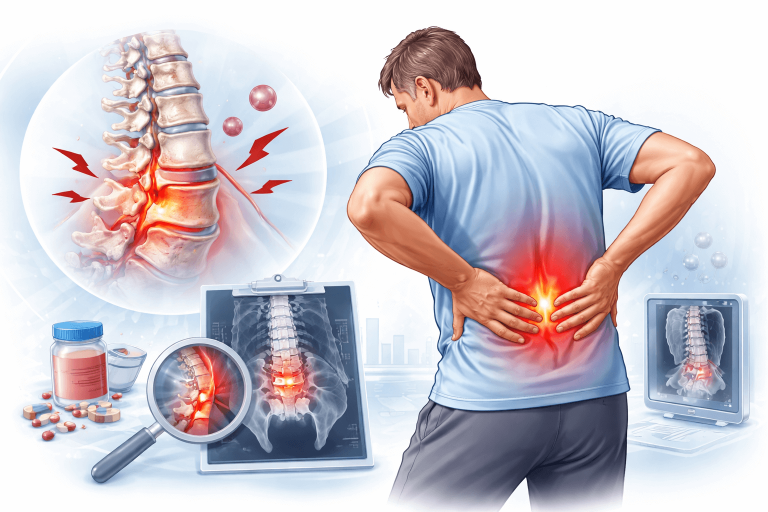
Real Case Study: Chronic Low Back Pain (5 Years)
Patient Profile:
- 38-year-old male
- Sitting job
- Multiple painkiller courses
- Avoided exercise due to fear of disc damage
Assessment Findings:
- Poor core endurance
- Tight hip flexors
- Fear of flexion
- Deconditioned muscles
Plan:
- Education about disc safety
- Breathing + core control
- Hip mobility
- Progressive deadlift pattern retraining
Result:
- 70% pain reduction in 3 months
- Returned to gym
- Stopped routine painkillers
What worked?
Consistency + correct progression + reassurance.
Conditions Where Physiotherapy Helps Chronic Pain
Physiotherapy is effective in:
Chronic low back pain
Persistent back pain often relates to muscle weakness, movement fear, or poor load control rather than serious structural damage. A structured rehabilitation program can improve strength, mobility, and long-term resilience.
Cervical spondylosis
Age-related changes in the neck are common and not always painful. Physiotherapy focuses on mobility, posture correction, and muscle support to reduce stiffness and nerve irritation.
Osteoarthritis
Joint wear-and-tear can cause pain and stiffness, but guided strengthening and load management often improve function and delay invasive treatments.
Post-surgical pain
Pain after surgery may persist due to weakness or tissue sensitivity. Rehabilitation helps restore movement, rebuild strength, and improve recovery outcomes.
Fibromyalgia
Pain after surgery may persist due to weakness or tissue sensitivity. Rehabilitation helps restore movement, rebuild strength, and improve recovery outcomes.
Chronic shoulder pain
This condition involves widespread pain and heightened sensitivity. Gentle graded exercise and education help improve tolerance to movement and daily activity.
Sciatica
Long-standing shoulder pain is frequently related to muscle imbalance or poor movement control. Progressive strengthening and mobility work can restore function safely.
Neuropathic pain (in selected cases)
Sciatic pain often results from nerve irritation rather than permanent damage. Targeted exercises and nerve mobility techniques help reduce symptoms gradually.
What Makes Physiotherapy Successful In Chronic Pain?
From clinical experience, success depends on:
- Correct diagnosis
- Patient education
- Gradual progression
- Lifestyle modification
- Sleep and stress management
- Therapist-patient trust
All of this is part of a modern physiotherapy approach in Ahmedabad that focuses on long-term recovery rather than short-term relief.
Pain reduction is not linear. There will be flare-ups. But flare-ups do not mean failure.
Step-By-Step Chronic Pain Management Plan
If you are struggling with chronic pain, here is a simplified roadmap:
Step 1 – Get Proper Assessment
Avoid self-diagnosis from Google.
Step 2 – Understand Your Pain
Learn the difference between tissue damage and sensitivity.
Step 3 – Start Gentle Movement
Motion is medicine — when prescribed correctly.
Step 4 – Build Strength Slowly
Consistency beats intensity.
Step 5 – Address Sleep & Stress
Chronic pain is influenced by lifestyle.
Step 6 – Stay Committed for 8–12 Weeks
True recovery takes time.
Mistakes That Delay Chronic Pain Recovery
- Complete bed rest
- Only passive treatments (machines only)
- Constant MRI comparisons
- Changing therapists frequently
- Expecting instant relief
- Ignoring mental stress
Pain is complex. Quick fixes rarely work long-term.
How To Choose The Right Physiotherapist
Look for:
- Detailed assessment (at least 30–45 minutes first visit)
- Exercise-based rehabilitation focus
- Clear explanation of diagnosis
- Measurable progress tracking
- Home exercise guidance
Avoid places that only use machines without active rehab.
Final Thoughts: Is Chronic Pain Curable?
In many cases — yes, significantly manageable. In some long-standing conditions — it may not disappear 100%, but:
- Intensity reduces
- Flare-ups reduce
- Function improves
- Quality of life improves
And that is a powerful outcome. Chronic pain should not control your life. With the right physiotherapy approach, you can retrain your body and nervous system to move confidently again.
How Physiotherapy Helps In Chronic Pain Management?
- FAQs
References