
Advanced Hemiparesis Physiotherapy | Expert Stroke Recovery Support
Recovering after a stroke is rarely a straight path. For many families in Ahmedabad, the real challenge begins after hospital discharge—when a loved one struggles to move one side of the body, stand without support, or perform simple daily activities like holding a glass, walking to the bathroom, or even sitting up safely in bed.
At Varia Physiotherapy Clinic, we meet patients and caregivers at this exact stage—often overwhelmed, uncertain, and worried about the future. Hemiparesis, or weakness on one side of the body, is one of the most common consequences of stroke. Recovery is possible, but it depends on structured rehabilitation, early intervention, and consistent physiotherapy support.
Advanced Hemiparesis Physiotherapy | Expert Stroke Recovery Support is not just about exercise routines. It is about rebuilding the brain–body connection, retraining movement patterns, and helping patients regain dignity, independence, and confidence step by step.
Understanding Hemiparesis After Stroke
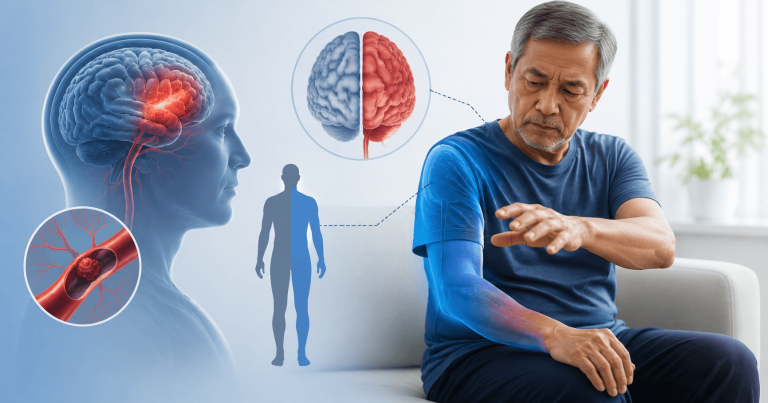
Hemiparesis occurs when one side of the brain is damaged due to a stroke, leading to weakness on the opposite side of the body. This can affect different aspects of daily function, including movement, balance, coordination, and fine motor control.
Patients commonly experience:
- Difficulty moving the arm or hand
- Weakness in the leg affecting walking
- Poor balance and frequent instability
- Trouble performing precise tasks like writing, eating, or buttoning clothes
According to the World Health Organization (WHO), stroke remains one of the leading causes of long-term disability globally, and early rehabilitation plays a crucial role in improving functional outcomes and reducing dependency. World Health Organization
Similarly, the National Institutes of Health (NIH) highlights that neuroplasticity—the brain’s ability to reorganize and form new neural connections—is the foundation of recovery after stroke. National Institutes of Health
This means recovery is not just possible—it is biologically supported when guided correctly through rehabilitation.
Common Causes and Risk Factors We See in Ahmedabad Patients
In clinical practice at Varia Physiotherapy Clinic, hemiparesis is most often linked to underlying vascular and lifestyle-related conditions. These include:
Ischemic Stroke (Blockage in Brain Arteries)
An ischemic stroke happens when a blood clot blocks blood flow to a part of the brain, reducing oxygen supply. It is the most common type of stroke and can lead to weakness, speech difficulty, or loss of movement. Quick medical treatment is essential to limit brain damage and improve recovery outcomes.
Hemorrhagic Stroke (Bleeding in the Brain)
This stroke occurs when a weakened blood vessel ruptures and causes bleeding in or around the brain. It often presents suddenly with severe headache, vomiting, or loss of consciousness. It is a medical emergency that requires immediate hospital care and neurological supervision.
Uncontrolled Hypertension
High blood pressure silently damages blood vessels over time, increasing the risk of both ischemic and hemorrhagic stroke. Many people may not notice symptoms until serious complications occur. Regular monitoring and proper treatment are key to preventing long-term brain and heart damage.
Diabetes-Related Vascular Damage
Persistently high blood sugar can damage blood vessels and reduce healthy blood flow to the brain. This increases the risk of stroke and can slow down recovery after neurological injury. Careful diabetes management through medication, diet, and lifestyle changes is essential for vascular health.
High Cholesterol and Sedentary Lifestyle
Excess cholesterol can build up inside arteries, narrowing blood flow to the brain and increasing stroke risk. A sedentary lifestyle further worsens circulation and overall heart health. Regular physical activity and a balanced diet play an important role in prevention.
Cardiac Conditions Like Atrial Fibrillation
Atrial fibrillation causes irregular heartbeats that may lead to blood clot formation inside the heart. These clots can travel to the brain and trigger a stroke. Proper cardiac treatment, regular monitoring, and medication adherence significantly reduce this risk.
Each of these conditions affects blood flow to the brain in different ways. When oxygen supply is reduced or interrupted, brain cells responsible for movement and coordination are damaged. This leads to weakness, loss of control, or complete paralysis on one side of the body.
Understanding the root cause is essential because it guides both medical management and rehabilitation planning.
How Advanced Hemiparesis Physiotherapy | Expert Stroke Recovery Support Works
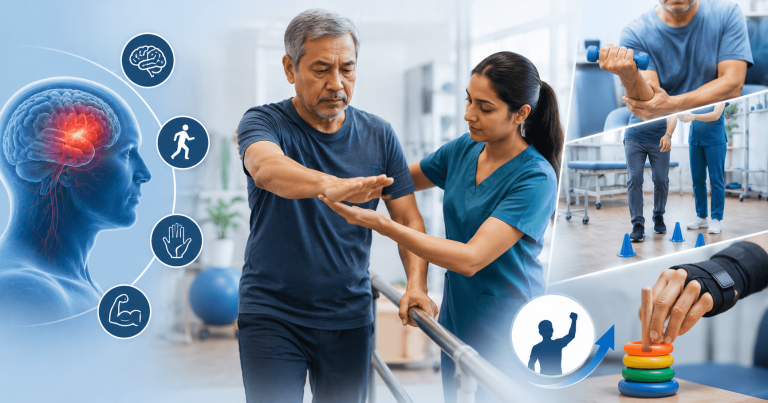
Recovery after stroke is structured, not random. At Varia Physiotherapy Clinic, treatment begins with a detailed neurological assessment and progresses through goal-based rehabilitation stages tailored to each patient.
1. Comprehensive Neurological Assessment
Every patient undergoes a detailed evaluation, including:
- Muscle strength testing
- Spasticity and tone assessment
- Balance and coordination analysis
- Walking pattern (gait) evaluation
- Functional independence measurement
This helps us understand the exact level of impairment and create a realistic rehabilitation plan
2. Neuroplasticity-Based Rehabilitation Training
The foundation of post-stroke hemiparesis therapy is neuroplasticity-based retraining of movement patterns.
Therapy includes:
- Task-specific movement training (standing, reaching, walking)
- Repetitive motor retraining to rebuild neural pathways
- Mirror therapy for upper limb activation
- Constraint-induced movement therapy (when appropriate)
These methods are designed to retrain the brain through repetition, consistency, and guided movement.
3. Gait and Balance Restoration
Walking is often one of the biggest concerns for patients and families. We focus on:
- Parallel bar-assisted walking training
- Weight-shifting and posture correction
- Balance board and stability exercises
- Step-by-step gait re-education
The goal is not only walking again, but walking safely with reduced fall risk and improved confidence.
4. Spasticity and Muscle Stiffness Management
Many stroke patients develop spasticity, where muscles become tight and difficult to control. This can limit movement and cause discomfort.
We manage this through:
- Gentle stretching protocols
- Proper positioning techniques
- Neuro-inhibitory exercises
- Carefully guided manual therapy
These approaches help reduce stiffness and improve functional movement over time.
5. Functional Independence Training
Recovery must translate into daily life. Therapy includes real-world activities such as:
- Getting in and out of bed safely
- Standing from a chair independently
- Climbing stairs with support
- Self-care tasks like dressing and eating
- Hand function training for daily activities
This stage is crucial because it bridges clinical recovery with real-life independence.
Real Patient Experience from Varia Physiotherapy Clinic
A 58-year-old male patient from Ahmedabad came to our clinic three weeks after a left-sided stroke. He had significant right-side weakness and required full assistance for walking and daily activities. His family was concerned that he might remain dependent long-term.
We started a structured rehabilitation program under Advanced Hemiparesis Physiotherapy | Expert Stroke Recovery Support, focusing on:
- Early supported standing training
- Assisted gait practice with support
- Upper limb activation exercises
- Functional daily activity training
After 6 weeks:
- He regained partial independent walking with a walker
- Shoulder and arm movement improved significantly
- He began performing basic self-care activities with minimal assistance
After 12 weeks:
- He progressed to using a single-point cane
- Balance improved enough for short outdoor walking
- Emotional confidence and independence increased noticeably
This recovery journey reflects an important truth: stroke rehabilitation is gradual, but consistent therapy leads to meaningful improvement over time.
Myths vs Facts About Hemiparesis Recovery
Myth 1: Recovery happens only in the first month
Fact: Neuroplasticity continues for months and even years with structured rehabilitation.
Myth 2: No improvement after hospital discharge
Fact: Many patients show major functional gains during outpatient physiotherapy.
Myth 3: Rest is better than movement
Fact: Controlled movement is essential for brain recovery and muscle reactivation.
Myth 4: Medicines alone are enough
Fact: Medication supports recovery, but physiotherapy restores functional ability.
When Should You See a Physiotherapist?
You should seek physiotherapy support if you notice:
- Weakness on one side of the body
- Difficulty walking or frequent imbalance
- Muscle stiffness or tightness
- Loss of coordination
- Dependence on others for daily activities after stroke
Early intervention significantly improves recovery outcomes. In complex cases, collaboration with neurologists or orthopedic specialists may be required, especially if complications like severe spasticity, joint contractures, or recurrent neurological symptoms occur.
How We Plan Treatment at Varia Physiotherapy Clinic
Every rehabilitation program at Varia Physiotherapy Clinic is:
- Based on clinical evidence
- Designed for individual patient needs
- Focused on functional goals
- Continuously modified based on progress
We also emphasize caregiver involvement because home support plays a major role in long-term recovery success.
Conclusion
Stroke recovery with hemiparesis takes time, patience, and the right rehabilitation approach. Advanced Hemiparesis Physiotherapy | Expert Stroke Recovery Support at Varia Physiotherapy Clinic focuses on improving movement, balance, and daily independence through evidence-based neurorehabilitation.
While recovery timelines vary for each patient, consistent physiotherapy, early intervention, and guided exercises can significantly improve outcomes. Our goal is not just movement recovery, but helping patients regain confidence and independence in everyday life.
With structured care and professional support, meaningful progress after stroke is always possible.
Book a Professional Assessment
If you’re unsure whether your symptoms need attention, it’s okay to start with a simple consultation. Understanding your condition is the first step toward recovery—no pressure, just guidance.
If you’d like to speak with a physiotherapist or book an assessment at Varia Physiotherapy Clinic, you can reach out here:
 Call: +91 95123 79555
 Email: hello.drhetalvaria@gmail.com
 Website: www.variaphysiotherapyclinic.com
Our team is here to listen, assess, and guide you toward safe and effective recovery.
Advanced Hemiparesis Physiotherapy - FAQs
1. How long does hemiparesis recovery take?
2. Can physiotherapy fully reverse stroke paralysis?
3. Is home physiotherapy effective?
4. When should therapy begin after a stroke?
5. Will every patient walk again?
About the Author

Dr. Hetal M Varia
After a rich experience of working in US healthcare as manager and licensed physiotherapist in US for last 11 years, she has returned home with a vision to become pioneer of Vestibular Therapy and specialized Parkinson physiotherapy in Ahmedabad. With her special skills and expertise in vertigo, Parkinson, balance and movement disorders therapy, Dr. Varia is committed to provide US standards of therapy services , compassionate and patient centered care to our people and community. With a vision of the world where everyone walks strong & steady, she intends to empower individuals with vestibular and neurological disorders through specialized care, rehabilitation & innovative therapies to improve mobility, balance & overall quality of life!