
Advanced Technology For Stroke Recovery | Expert Physiotherapy Care
A stroke rarely gives any warning. One moment, a person is speaking, walking, or performing daily tasks normally, and the next moment, everything feels unfamiliar—weakness in one side of the body, difficulty in walking, slurred speech, or loss of hand control.
At Varia Physiotherapy Clinic in Ahmedabad, we meet families every week who describe the same emotional experience: confusion after hospital discharge, fear about long-term disability, and uncertainty about whether recovery is even possible.
This is where structured rehabilitation becomes life-changing.
Advanced Technology For Stroke Recovery | Expert Physiotherapy Care is not about machines alone. It is about combining neuroscience, physiotherapy expertise, and modern rehabilitation tools to help the brain relearn lost functions. Recovery is not instant, but it is absolutely possible with the right approach.
Stroke rehabilitation is a journey of patience, repetition, and guided movement—and physiotherapy is the foundation of that journey.
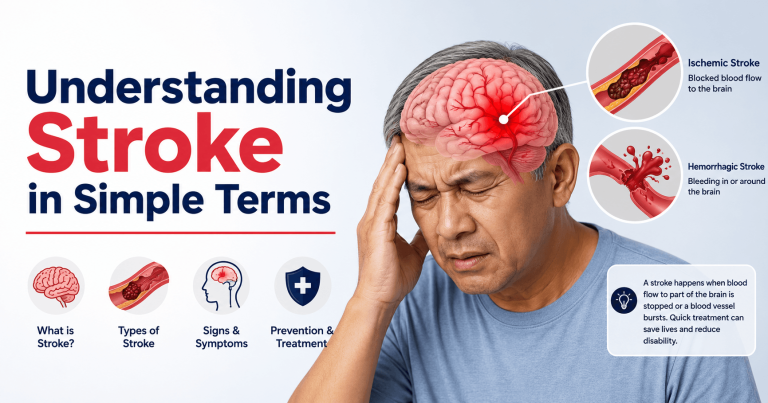
Understanding Stroke in Simple Terms
A stroke happens when blood supply to a part of the brain is blocked or reduced, or when a blood vessel bursts. This prevents brain cells from receiving oxygen and nutrients, leading to damage.
Depending on the area of the brain affected, patients may experience:
- Weakness or paralysis on one side of the body
- Difficulty walking or maintaining balance
- Poor coordination of hands and fingers
- Speech or swallowing difficulties
- Memory or cognitive changes
- Fatigue and emotional instability
According to the World Health Organization (WHO), stroke is one of the leading causes of long-term disability globally, especially when rehabilitation is delayed or inconsistent.
At our clinic, we often see patients who begin physiotherapy weeks after discharge. This delay can slow recovery—but it does not stop it.
Why Physiotherapy Is Essential After Stroke
The brain has a remarkable ability called neuroplasticity—it can form new connections to compensate for damaged areas. Physiotherapy activates this process through repeated, guided movement.
When a patient starts rehabilitation early, physiotherapy helps:
- Prevent muscle stiffness and joint contractures
- Reduce shoulder pain and secondary complications
- Improve circulation and muscle activation
- Restore balance and posture control
- Retrain walking and hand movement patterns
Without rehabilitation, muscles become weaker, joints become stiff, and recovery becomes more difficult over time.
However, recovery timelines vary. Mild strokes may show improvement in weeks, while moderate to severe strokes may require months of structured therapy.
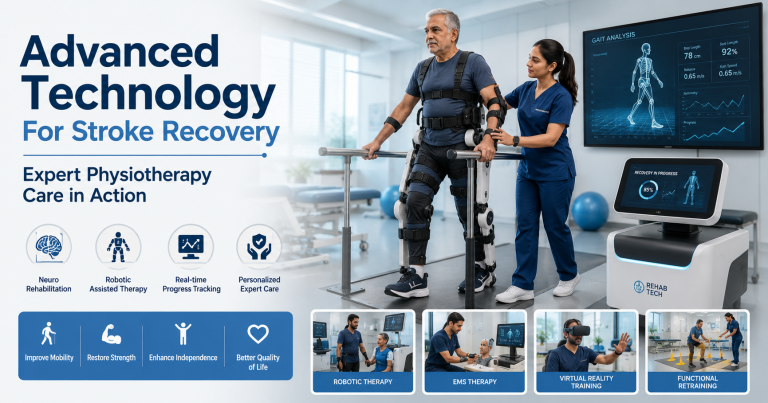
Advanced Technology For Stroke Recovery | Expert Physiotherapy Care in Action
At Varia Physiotherapy Clinic, stroke rehabilitation is not based on a single method. We use a combination of clinical assessment, hands-on therapy, and modern rehabilitation technologies tailored to each patient.
1. Detailed Neurological Assessment
Every recovery journey begins with a complete assessment:
- Muscle strength testing
- Balance and coordination evaluation
- Gait analysis
- Functional independence measurement
- Reflex and tone assessment
This helps us design a personalized treatment plan instead of a generic exercise routine.
2. Neuro-Rehabilitation and Task-Based Training
Stroke recovery depends heavily on repetition and task-specific training. Patients are guided through real-life movements such as:
- Standing from a chair
- Reaching for objects
- Walking with support
- Climbing steps gradually
These methods become even more effective when integrated with technology-based stroke rehabilitation, which enhances repetition, feedback, and motor relearning.
3. Functional Electrical Stimulation (FES)
FES is one of the most effective modern rehabilitation tools used in neurological physiotherapy.
It sends controlled electrical impulses to weak muscles, especially in:
- Hands and fingers
- Foot and ankle muscles
This helps activate muscles that cannot be voluntarily controlled and improves brain-muscle communication.
4. Gait and Balance Training Systems
Walking is often one of the most affected abilities after a stroke. We use structured gait training to improve:
- Step length and symmetry
- Weight shifting ability
- Postural control
- Balance confidence
Patients gradually move from assisted walking to independent walking under supervision.
5. Mirror Therapy for Hand Recovery
When hand movement is severely affected, mirror therapy helps stimulate the brain visually. The patient watches the reflection of their healthy hand moving, which “tricks” the brain into believing both hands are active. Over time, this improves motor recovery.
6. Strengthening and Functional Independence Training
Once basic movement improves, therapy shifts toward:
- Grip strengthening
- Endurance training
- Fine motor control
- Daily activity simulation (eating, dressing, writing)
The goal is not just movement—but independence in daily life.
Real Patient Experience from Our Clinic
A 62-year-old female patient from Ahmedabad was referred to us after experiencing a right-sided stroke. She had difficulty standing, could not move her left arm, and required full assistance for daily activities. Her family was anxious and believed recovery would be very slow.
After assessment, we created a structured plan:
Assisted standing and weight-bearing exercises
These exercises help patients safely relearn how to stand and support their body weight again after a stroke. They improve leg strength, bone health, and confidence while reducing the risk of falls during early recovery.
Electrical stimulation for hand muscles
Gentle electrical impulses are used to activate weak or inactive hand muscles. This helps the brain reconnect with the hand, improving grip strength and supporting gradual return of functional hand movements.
Balance retraining on stable and unstable surfaces
Patients practice controlled movements on different surfaces to improve coordination and stability. This training reduces dizziness, improves posture control, and helps rebuild safe walking ability.
Home exercise guidance for caregivers
Caregivers are taught simple, safe exercises to continue rehabilitation at home. This ensures consistency in recovery, prevents stiffness, and supports steady progress between clinic sessions.
During the first 3 weeks, progress was slow but steady. By the 8th week, she was able to stand with support and take a few assisted steps. By the 14th week, she regained partial hand movement and began performing basic self-care tasks. This case reflects an important truth: stroke recovery is gradual, but consistent rehabilitation produces real change.
Factors That Influence Stroke Recovery
Recovery is not identical for every patient. Several factors affect outcomes:
- Time between stroke and starting physiotherapy
- Severity and location of brain damage
- Age and general health condition
- Presence of diabetes, hypertension, or heart disease
- Consistency of therapy sessions
- Emotional and family support
In some cases, if recovery plateaus or symptoms worsen unexpectedly, we coordinate with neurologists or orthopedic specialists for further medical evaluation.
Myths vs Facts About Stroke Recovery
Myth 1: Recovery stops after 3 months
Fact: Brain recovery can continue for months or even years with proper therapy.
Myth 2: Machines alone can restore movement
Fact: Technology supports recovery, but active participation is essential.
Myth 3: Bed rest is best after stroke
Fact: Early, guided movement prevents stiffness and improves outcomes.
Myth 4: Elderly patients cannot recover
Fact: Age slows recovery but does not prevent improvement.
When Should You See a Physiotherapist?
You should seek physiotherapy immediately if you notice:
- Weakness on one side after stroke
- Difficulty walking or maintaining balance
- Loss of hand coordination
- Shoulder pain or stiffness
- Delayed improvement after hospital discharge
Early intervention significantly improves long-term outcomes and reduces complications.
National Institutes of Health (NIH)
The NIH highlights that structured stroke rehabilitation helps patients regain independence in daily activities such as walking, dressing, and hand use. It works by activating the brain’s natural ability to rewire itself (neuroplasticity), which supports gradual recovery of movement and function.
World Health Organization (WHO)
The WHO emphasizes that starting rehabilitation early after a stroke can significantly reduce long-term disability. Early physiotherapy helps prevent complications like stiffness and muscle weakness, while improving a patient’s chances of returning to normal life routines with greater independence.
Conclusion
Stroke recovery requires time, patience, and the right combination of medical expertise and rehabilitation technology. At Varia Physiotherapy Clinic, we believe that every patient deserves a structured, realistic, and compassionate recovery plan.
Advanced Technology For Stroke Recovery | Expert Physiotherapy Care is most effective when it is guided by clinical assessment, consistent therapy, and patient participation.
While recovery timelines differ, one thing remains constant: improvement is always possible when rehabilitation is done correctly and early.
If you or your loved one is recovering from a stroke, professional physiotherapy support can make a meaningful difference in independence, mobility, and quality of life.
Book a Professional Assessment
If you’re unsure whether your symptoms need attention, it’s okay to start with a simple consultation. Understanding your condition is the first step toward recovery—no pressure, just guidance.
If you’d like to speak with a physiotherapist or book an assessment at Varia Physiotherapy Clinic, you can reach out here:
 Call: +91 95123 79555
 Email: hello.drhetalvaria@gmail.com
 Website: www.variaphysiotherapyclinic.com
Our team is here to listen, assess, and guide you toward safe and effective recovery.
Stroke Recovery Technology- FAQs
1. How long does stroke recovery take?
2. Can physiotherapy restore full movement?
3. Is advanced technology necessary?
4. Can stroke recovery continue at home?
5. What is the best time to start physiotherapy?
About the Author

Dr. Hetal M Varia
After a rich experience of working in US healthcare as manager and licensed physiotherapist in US for last 11 years, she has returned home with a vision to become pioneer of Vestibular Therapy and specialized Parkinson physiotherapy in Ahmedabad. With her special skills and expertise in vertigo, Parkinson, balance and movement disorders therapy, Dr. Varia is committed to provide US standards of therapy services , compassionate and patient centered care to our people and community. With a vision of the world where everyone walks strong & steady, she intends to empower individuals with vestibular and neurological disorders through specialized care, rehabilitation & innovative therapies to improve mobility, balance & overall quality of life!