
How The Brain Adapts After Vestibular Injury?
Dizziness, imbalance, and the unsettling sensation that the world is moving when it is not can deeply affect daily life. Many adults between the ages of 30 and 65 in Ahmedabad visit Varia Physiotherapy Clinic feeling frustrated because symptoms interfere with work, driving, walking, sleep, and even simple household tasks. Some patients describe feeling anxious while turning their head quickly, walking through crowded markets, or climbing stairs. Others say they feel “off balance” even after medical tests appear normal.
One of the most important things patients learn during recovery is this: the human brain has an incredible ability to adapt after vestibular injury. Understanding How The Brain Adapts After Vestibular Injury? can help people feel more hopeful, informed, and confident during rehabilitation.
The vestibular system, located inside the inner ear, helps the brain maintain balance, posture, and stable vision during movement. When this system becomes injured due to infection, inflammation, age-related changes, head injury, or neurological conditions, communication between the brain and body becomes disrupted. This often leads to dizziness, vertigo, nausea, unsteadiness, or motion sensitivity.
Fortunately, with evidence-based vestibular rehabilitation and guided physiotherapy, many people gradually regain confidence and improve their quality of life.
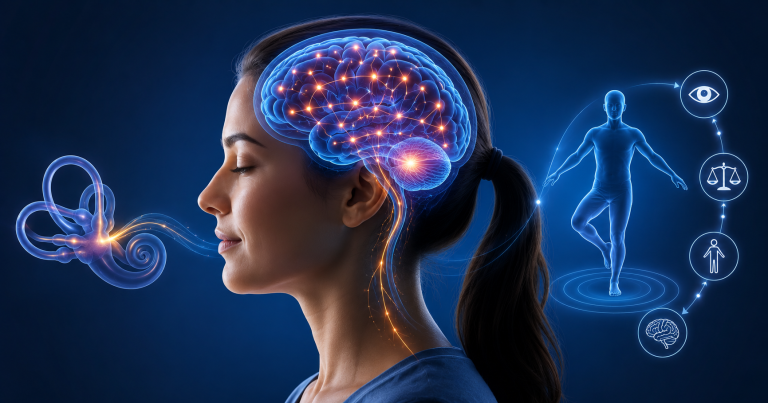
Understanding How The Brain Adapts After Vestibular Injury?
The brain is capable of a process called neuroplasticity, which means it can reorganize and create new pathways after injury or dysfunction. According to the National Institutes of Health, vestibular rehabilitation helps the brain compensate for reduced vestibular function by encouraging adaptation and sensory integration.
When the vestibular system is affected, the brain initially receives confusing signals about movement and position. This mismatch can create symptoms such as:
- Spinning sensations
- Loss of balance
- Blurred vision during movement
- Motion sensitivity
- Difficulty focusing while walking
- Nausea or unsteadiness
Over time, the brain begins learning how to rely more effectively on visual information, joint awareness, muscle feedback, and remaining vestibular input. This process does not happen instantly. It requires gradual exposure, repetition, guided movement, and individualized rehabilitation exercises.
At Varia Physiotherapy Clinic, physiotherapists carefully assess how each patient’s nervous system responds to movement before creating a personalized rehabilitation plan.
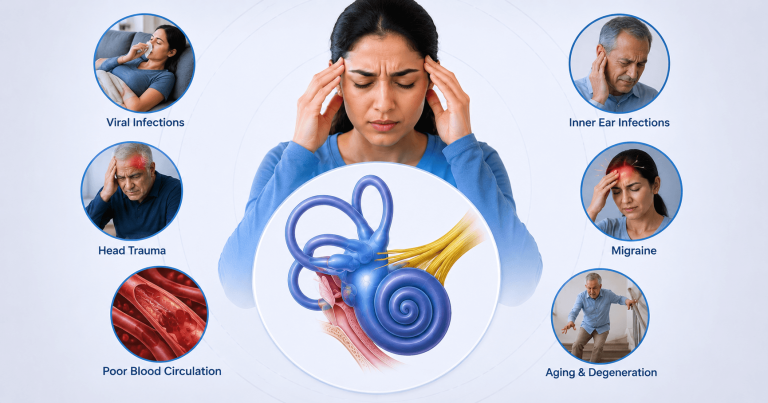
Common Causes Of Vestibular Injury
Vestibular problems can develop for several different reasons. Some patients experience symptoms suddenly, while others notice gradual balance difficulties over time.
Common causes include:
Inner Ear Infections
Conditions like vestibular neuritis or labyrinthitis can disrupt the inner ear’s ability to send accurate balance information to the brain. Many people experience dizziness, unsteadiness, nausea, or difficulty focusing during movement, especially in the early stages of recovery.
Benign Paroxysmal Positional Vertigo (BPPV)
BPPV happens when tiny calcium crystals inside the inner ear move out of their normal position. This can trigger sudden spinning sensations during activities like turning in bed, bending forward, or looking upward.
Head Injury Or Concussion
Even a mild head injury may affect how the brain processes balance and movement signals. Some people notice dizziness, motion sensitivity, blurred vision during walking, or reduced confidence with daily activities after a concussion.
Age-Related Vestibular Changes
As the body ages, natural changes in balance reactions, muscle strength, and sensory coordination can gradually affect stability. Older adults may feel less steady while walking on uneven surfaces or moving quickly in busy environments.
Neurological Conditions
Certain neurological conditions, including stroke, vestibular migraine, or Parkinson’s disease, may interfere with balance control and coordination. Symptoms can vary from mild unsteadiness to more noticeable movement and walking difficulties.
Cervical Spine Dysfunction
Neck stiffness, poor posture, or restricted cervical movement can sometimes contribute to dizziness and spatial disorientation. Many individuals notice symptoms during prolonged desk work, sudden head turns, or after neck strain.
In some cases, patients may require referral to an ENT specialist, neurologist, or orthopedic doctor if symptoms suggest a more complex medical condition.

How Physiotherapy Helps The Brain Recover After Vestibular Injury
A common misconception is that dizziness will disappear simply with rest. While short-term rest may help during acute symptoms, prolonged inactivity can actually slow vestibular recovery in many patients.
Physiotherapy focuses on helping the brain relearn how to process movement safely and efficiently.
1. Comprehensive Clinical Assessment
At Varia Physiotherapy Clinic, physiotherapists begin with a detailed assessment that may include:
- Balance testing
- Gait analysis
- Eye movement assessment
- Positional testing
- Head movement tolerance evaluation
- Cervical spine examination
- Functional activity assessment
This helps identify whether symptoms are vestibular, musculoskeletal, neurological, or a combination of factors.
2. Gaze Stabilization Exercises
These exercises help improve visual clarity during head movement. Patients gradually train the eyes and vestibular system to work together more effectively. For example, a patient may focus on a stationary object while slowly turning the head side to side. Over time, this can improve motion tolerance and reduce dizziness during walking or driving.
Related Treatment:
- Vestibular Rehabilitation Therapy
- Balance And Coordination Physiotherapy
3. Balance Retraining
Balance exercises challenge the body progressively in a controlled environment. The goal is to improve confidence, postural control, and stability during daily activities.
Patients may practice:
- Standing on uneven surfaces
- Walking with head turns
- Directional stepping
- Dynamic balance tasks
These activities help the brain adapt to changing sensory input and support brain recovery after vestibular dysfunction through repeated movement practice and sensory integration.
4. Habituation Exercises
Some individuals become highly sensitive to busy environments, scrolling screens, or sudden movement. Habituation exercises involve repeated controlled exposure to symptom-triggering movements so the nervous system gradually becomes less reactive. This process is carefully monitored because pushing too aggressively may worsen symptoms temporarily.
5. Functional Movement Rehabilitation
Recovery is most meaningful when patients regain independence in real-life activities. Treatment often includes:
- Stair climbing practice
- Walking training
- Turning movements
- Sit-to-stand transitions
- Functional mobility retraining
Therapy is always adjusted according to the patient’s tolerance and goals.
Real Patient Scenario Seen At Varia Physiotherapy Clinic
A 48-year-old office professional from Ahmedabad visited the clinic after experiencing dizziness for nearly three months following a viral infection. She described difficulty walking in shopping malls, discomfort while using elevators, and fear of falling during sudden head turns.
Initial assessment revealed impaired gaze stability, motion sensitivity, and reduced balance confidence. Her rehabilitation program included vestibular exercises, gradual balance progression, posture correction, and walking retraining.
During the first two weeks, symptoms improved slowly. By the sixth week, she reported greater confidence during daily walking and reduced dizziness while working on the computer. After approximately three months of guided rehabilitation and home exercises, she was able to resume most daily activities comfortably.
Her recovery highlights an important reality: vestibular rehabilitation is often gradual, but consistent therapy and patient participation can make a significant difference.
Myths Vs Facts About Vestibular Recovery
Myth: Complete bed rest is the best treatment for dizziness.
Fact: Prolonged inactivity may delay the brain’s adaptation process in many vestibular conditions.
Myth: If scans are normal, the symptoms are “just anxiety.”
Fact: Many vestibular disorders do not appear clearly on imaging tests. Clinical assessment remains extremely important.
Myth: Recovery should happen within a few days.
Fact: Vestibular recovery timelines vary depending on severity, age, overall health, and consistency with rehabilitation.
Myth: Dizziness only affects older adults.
Fact: Vestibular dysfunction can affect adults of all ages, especially after infections, migraines, or head injuries.
Myth: Physiotherapy only treats muscles and joints.
Fact: Vestibular physiotherapy also addresses balance systems, neurological coordination, and sensory integration.
When Should You See A Physiotherapist?
You should consider physiotherapy assessment if you experience:
- Persistent dizziness
- Balance instability
- Difficulty walking confidently
- Motion sensitivity
- Frequent falls or near-falls
- Blurred vision during movement
- Dizziness after head injury
- Fear of movement due to imbalance
Early intervention may help reduce compensatory movement patterns and improve recovery outcomes.
However, immediate medical attention may be necessary if dizziness occurs with:
- Sudden weakness
- Slurred speech
- Severe headache
- Loss of consciousness
- Chest pain
- Sudden hearing loss
These symptoms may indicate serious medical conditions requiring urgent evaluation.
How The Brain Adapts After Vestibular Injury? Recovery Takes Patience And Consistency
One of the most important aspects of vestibular rehabilitation is understanding that recovery is rarely linear. Some days feel easier, while others may temporarily increase symptoms. This does not always mean the condition is worsening.
The brain gradually learns through repetition, movement exposure, and sensory adaptation. Physiotherapy supports this process by creating safe, structured rehabilitation programs tailored to each patient’s needs.
According to the World Health Organization, maintaining mobility and balance is essential for long-term independence and quality of life, especially as people age.
At Varia Physiotherapy Clinic in Ahmedabad, treatment focuses not only on symptom reduction but also on helping patients regain confidence in everyday movement.
Final Clinical Advice
Living with dizziness, imbalance, or motion sensitivity after a vestibular injury can affect confidence, independence, and overall quality of life. Many people feel frustrated when symptoms continue to interfere with walking, driving, working, or daily movement. Understanding How The Brain Adapts After Vestibular Injury? helps patients recognize that recovery is often a gradual neurological process rather than an instant fix.
Through neuroplasticity, the brain can learn to adapt and improve balance control with the right rehabilitation approach. Evidence-based vestibular physiotherapy focuses on helping the nervous system respond more effectively to movement, visual input, and balance challenges over time. With personalized assessment, guided exercises, and consistent practice, many individuals are able to regain stability, reduce dizziness, and return to daily activities with greater confidence.
At Varia Physiotherapy Clinic in Ahmedabad, the focus remains on compassionate, patient-centered care and realistic recovery planning. If ongoing dizziness or balance problems are affecting your daily routine, seeking early physiotherapy assessment may help identify the underlying issue and support a safer, more confident path toward recovery.
Book a Professional Assessment
If you’re unsure whether your symptoms need attention, it’s okay to start with a simple consultation. Understanding your condition is the first step toward recovery—no pressure, just guidance.
If you’d like to speak with a physiotherapist or book an assessment at Varia Physiotherapy Clinic, you can reach out here:
 Call: +91 95123 79555
 Email: hello.drhetalvaria@gmail.com
 Website: www.variaphysiotherapyclinic.com
Our team is here to listen, assess, and guide you toward safe and effective recovery.
How the Brain Adapts After Vestibular Injury - FAQs
1. How long does vestibular rehabilitation take?
2. Can the brain fully recover after vestibular injury?
3. Is vestibular physiotherapy safe?
4. Can stress worsen vestibular symptoms?
5. Do I need imaging tests before starting physiotherapy?
About the Author

Dr. Hetal M Varia
After a rich experience of working in US healthcare as manager and licensed physiotherapist in US for last 11 years, she has returned home with a vision to become pioneer of Vestibular Therapy and specialized Parkinson physiotherapy in Ahmedabad. With her special skills and expertise in vertigo, Parkinson, balance and movement disorders therapy, Dr. Varia is committed to provide US standards of therapy services , compassionate and patient centered care to our people and community. With a vision of the world where everyone walks strong & steady, she intends to empower individuals with vestibular and neurological disorders through specialized care, rehabilitation & innovative therapies to improve mobility, balance & overall quality of life!