Vestibular Dysfunction After Viral Infection : Restore Balance & Confidence
Many people expect to feel tired after recovering from a viral illness. However, some adults continue experiencing dizziness, imbalance, nausea, blurred vision, or a strange feeling of “floating” long after the fever or infection disappears. At Varia Physiotherapy Clinic in Ahmedabad, we often meet patients who say:
“The infection is gone, but I still don’t feel normal.”
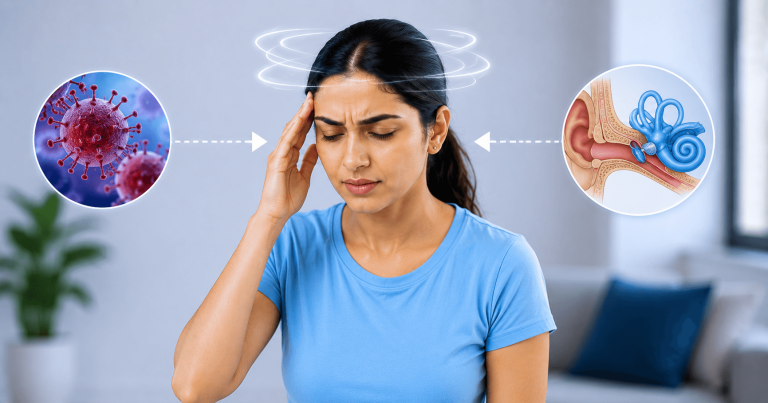
For some individuals, these lingering symptoms may be linked to vestibular dysfunction after viral infection. The vestibular system, located in the inner ear and connected to the brain, helps maintain balance, body orientation, and stable vision during movement. Viral infections can sometimes disturb this system, leading to persistent balance-related symptoms.
These symptoms can affect confidence, work performance, walking stability, driving, exercise, and even simple household activities. Many patients initially assume the problem will disappear on its own, but prolonged dizziness or instability should not be ignored.
At Varia Physiotherapy Clinic, our physiotherapy team focuses on detailed assessment, personalized rehabilitation, and gradual recovery strategies designed around the patient’s real-life difficulties and goals.
What Is Vestibular Dysfunction After Viral Infection?
Vestibular dysfunction refers to impaired functioning of the balance system involving the inner ear, brain, and sensory pathways. Viral infections may trigger inflammation affecting these structures, especially after conditions like:
- Viral fever
- Upper respiratory infections
- Influenza
- Sinus infections
- Ear infections
- Certain post-viral inflammatory conditions
Some patients develop vestibular neuritis or labyrinthitis, while others experience milder but persistent vestibular disturbances.
Common symptoms include:
- Dizziness during head movement
- Feeling off-balance while walking
- Vertigo or spinning sensation
- Motion sensitivity
- Difficulty focusing while moving
- Nausea during travel
- Fatigue and mental fogginess
- Increased symptoms in crowded places
According to the National Institutes of Health, vestibular disorders can significantly impact mobility, quality of life, and fall risk if left untreated.
Why Do Symptoms Continue Even After the Infection Ends?
This is one of the most common concerns patients express during physiotherapy consultations.
The body may recover from the infection itself, but the vestibular system sometimes needs additional time and retraining to regain normal coordination. The brain relies on communication between:
- Inner ear balance organs
- Vision
- Muscles and joints
- Nervous system
When viral inflammation disrupts these signals, the brain may struggle to process movement accurately. This mismatch can create dizziness, instability, or visual discomfort.
Many patients notice symptoms during:
- Turning quickly
- Getting out of bed
- Walking in supermarkets
- Climbing stairs
- Looking side to side
- Busy traffic environments
Without guided rehabilitation, some individuals reduce movement due to fear of dizziness, which may actually slow recovery further.
How Physiotherapy Helps Vestibular Dysfunction After Viral Infection
Vestibular physiotherapy is a specialized rehabilitation approach designed to improve balance, reduce dizziness, and help the nervous system adapt more effectively.
At Varia Physiotherapy Clinic, treatment begins with a detailed clinical assessment rather than a one-size-fits-all exercise program.
1. Comprehensive Vestibular Assessment
The physiotherapist evaluates:
- Balance and walking pattern
- Eye movement coordination
- Head movement tolerance
- Positional dizziness triggers
- Neck mobility
- Fall risk
- Functional movement limitations
We also identify whether symptoms may require referral to a neurologist or ENT specialist, especially if warning signs such as severe headaches, sudden hearing loss, fainting, or neurological weakness are present.
Gaze Stabilization Exercises
Gaze stabilization exercises help improve visual focus during head movement, especially for people who feel dizzy while walking, turning, or changing positions. These exercises gradually retrain the connection between the eyes, inner ear, and brain to support clearer and more comfortable movement in daily life.
Balance Retraining
Balance retraining exercises are designed to improve stability, coordination, and confidence during standing and walking activities. Physiotherapists progress these exercises carefully based on the patient’s comfort level, mobility, and fall risk to support safer movement over time.
Habituation Exercises
Habituation exercises are commonly used for people who feel uncomfortable in crowded places, moving environments, or during quick head movements. Controlled and repeated exposure to symptom-triggering motions helps the nervous system become less sensitive gradually and safely.
Walking and Functional Mobility Training
Walking and functional mobility training focuses on helping patients move more confidently during everyday activities such as climbing stairs, turning, bending, or walking outdoors. These exercises aim to improve coordination, reduce fear of falling, and support independence in daily routines.
Neck and Postural Treatment
Many individuals with vestibular dysfunction develop neck tightness, poor posture, or guarded movements due to dizziness and movement fear. Gentle physiotherapy techniques, posture correction, and mobility exercises can help reduce stiffness while improving comfort and movement confidence.
Recovery timelines vary, and successful post-viral dizziness recovery often depends on symptom severity, consistency with rehabilitation, and overall health condition
A Real Patient Experience from Varia Physiotherapy Clinic
A 46-year-old office professional from Ahmedabad visited our clinic after recovering from a severe viral illness. Although her fever resolved, she continued experiencing dizziness whenever she turned her head quickly or walked through crowded areas. Initially, she avoided driving and stopped evening walks because she feared losing balance. Her symptoms had also increased anxiety and fatigue.
After detailed vestibular assessment, a personalized rehabilitation program was started, including:
- Gaze stabilization exercises
- Balance retraining
- Walking coordination drills
- Gradual exposure to movement triggers
Over several weeks, she reported improved walking confidence, reduced dizziness, and better ability to return to work routines comfortably.
Every patient’s recovery journey is different, but structured rehabilitation and consistent guidance often help restore confidence and movement gradually.
Myths vs Facts About Vestibular Dysfunction
Myth: “Dizziness after viral infection is always temporary.”
Fact: Some people recover naturally, but persistent symptoms may require assessment and rehabilitation.
Myth: “Complete bed rest is the best solution.”
Fact: Avoiding movement for long periods can sometimes delay vestibular adaptation and recovery.
Myth: “Only medications can help.”
Fact: Vestibular physiotherapy is widely recommended as part of evidence-based management for balance disorders.
Myth: “Dizziness means something dangerous is always happening.”
Fact: While some symptoms require medical evaluation, many vestibular problems improve significantly with proper rehabilitation.
When Should You See a Physiotherapist?
Consider professional assessment if dizziness or imbalance:
- Lasts more than a few days after viral recovery
- Interferes with walking or driving
- Causes fear of falling
- Increases during head movement
- Affects work or daily routines
- Leads to motion sensitivity or visual discomfort
Early assessment often helps patients understand their condition better and begin appropriate recovery strategies sooner.
Conclusion
Living with vestibular dysfunction after viral infection can feel frustrating and unpredictable, especially when symptoms interfere with work, walking, travel, or confidence in daily life. The good news is that many patients improve with proper assessment, guided physiotherapy, and gradual rehabilitation.
At Varia Physiotherapy Clinic in Ahmedabad, the focus is not simply on symptom reduction, but on helping people regain movement confidence, balance stability, and quality of life safely and realistically.
If dizziness or balance problems continue after recovering from a viral illness, seeking professional guidance early may help you understand the cause and begin the right recovery approach.
Book a Professional Assessment
If you’re unsure whether your symptoms need attention, it’s okay to start with a simple consultation. Understanding your condition is the first step toward recovery—no pressure, just guidance.
If you’d like to speak with a physiotherapist or book an assessment at Varia Physiotherapy Clinic, you can reach out here:
 Call: +91 95123 79555
 Email: hello.drhetalvaria@gmail.com
 Website: www.variaphysiotherapyclinic.com
Our team is here to listen, assess, and guide you toward safe and effective recovery.
Vestibular Dysfunction After Viral Infection
- FAQs