
Vestibular Physiotherapy Benefits For Vertigo Patients: What Works Fast
If you’ve ever experienced a sudden spinning sensation while turning in bed, getting up quickly, or even walking, you know how deeply unsettling vertigo can be. Many people describe it as losing control over their own body. For adults between 30 and 65 in Ahmedabad, vertigo often disrupts work, sleep, travel, and even simple daily movements like bending or looking up.
At Varia Physiotherapy Clinic, we frequently meet patients who feel frustrated because medications provide only temporary relief—or sometimes none at all. What they often don’t realize is that vertigo is not just something to “live with.” With the right diagnosis and a structured rehabilitation plan, recovery is not only possible—it’s expected in most cases.
In this article, we’ll explore the Vestibular Physiotherapy Benefits for Vertigo Patients through real experiences, medical understanding, and practical guidance that can help you or your loved ones regain balance and confidence.
What Is Vertigo and Why Does It Happen?
Vertigo is a symptom, not a disease. It creates a false sensation of movement—either you feel like you’re spinning, or the environment around you is moving. This happens when there is a mismatch in signals between three key systems:
- The inner ear (vestibular system)
- The eyes (visual system)
- The body (proprioceptive system)
When these systems stop working in harmony, your brain gets confused, leading to dizziness and imbalance.
Common Causes We See in Clinical Practice
At Varia Physiotherapy Clinic, some of the most common causes of vertigo include:
- Benign Paroxysmal Positional Vertigo (BPPV): Tiny crystals in the inner ear get displaced
- Vestibular neuritis or labyrinthitis: Inner ear inflammation, often after viral infections
- Cervicogenic dizziness: Neck stiffness or poor posture affecting balance signals
- Age-related vestibular decline
- Neurological conditions: Such as early Parkinson’s or post-stroke imbalance
Many patients are surprised to learn that their neck posture or sedentary lifestyle contributes significantly to their symptoms.
According to the World Health Organization, balance disorders are a major contributor to falls and reduced quality of life, particularly in middle-aged and older adults. Similarly, the National Institutes of Health emphasizes that vestibular rehabilitation is one of the most effective, evidence-based approaches for managing chronic dizziness.

Vestibular Physiotherapy Benefits for Vertigo Patients: Why It’s Different
Unlike medications that mainly suppress symptoms, vestibular physiotherapy works on correcting the underlying dysfunction. It retrains your brain and body to process balance signals correctly again.
1. Precise and Personalized Diagnosis
The first step is always understanding why you feel dizzy.
At our clinic, assessment includes:
- Eye movement analysis (to detect abnormal reflexes)
- Positional tests like Dix-Hallpike for BPPV
- Balance and walking assessment
- Cervical spine (neck) evaluation
- Functional movement screening
This thorough evaluation ensures that treatment is not generic but tailored specifically to your condition.
2. Targeted Treatment Techniques
Once the cause is identified, treatment begins using evidence-based techniques such as:
Canalith Repositioning Maneuvers
Used primarily for BPPV, these movements reposition displaced crystals in the inner ear.
Gaze Stabilization Exercises
These help your eyes and inner ear work together, reducing dizziness during head movement.
Vestibular Adaptation Exercises
Designed to retrain the brain to adapt to altered signals from the vestibular system.
Balance Retraining
Improves stability during standing and walking, especially important for fall prevention.
Cervical Physiotherapy
If neck stiffness or posture is contributing, targeted exercises relieve tension and restore alignment.
3. Promotes Brain Adaptation
One of the most powerful Vestibular Physiotherapy Benefits for Vertigo Patients is neuroplasticity—the brain’s ability to adapt and rewire itself.
Through repeated, controlled exercises:
- The brain learns to ignore incorrect signals
- Balance improves gradually
- Symptoms reduce naturally without dependency on medication

A Real Patient Experience from Ahmedabad
A 50-year-old school teacher visited Varia Physiotherapy Clinic with complaints of dizziness for over 2 months. She avoided sudden movements, stopped going for walks, and felt anxious even standing in crowded places.
Clinical Findings:
- Positive for BPPV
- Mild cervical stiffness due to prolonged sitting and grading work
Treatment Plan:
- 2 sessions of Epley maneuver
- Daily gaze stabilization exercises
- Neck mobility and posture correction program
- Gradual balance retraining
Outcome:
- Week 1: Significant reduction in spinning episodes
- Week 3: Improved confidence in walking
- Week 5: Returned to normal daily routine without fear
Her case highlights an important point—vertigo often has multiple contributing factors, and addressing all of them leads to better recovery.
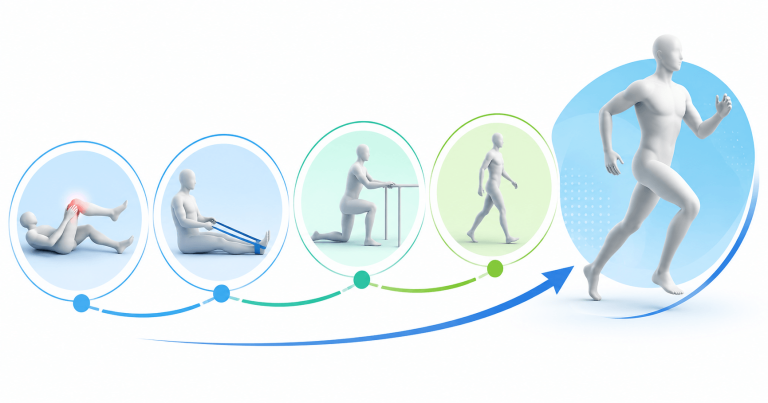
Step-by-Step Recovery Process in Physiotherapy
Understanding the journey helps reduce anxiety and improves adherence to treatment.
Step 1: Identify the Root Cause
Not all dizziness comes from the same problem, so a detailed assessment is essential. A physiotherapist identifies whether the issue is from the inner ear, neck, or nervous system. This ensures the treatment targets the actual cause, not just the symptoms.
Step 2: Initiate Corrective Techniques
Once the cause is clear, specific techniques are used to provide quick relief. For example, repositioning maneuvers help correct inner ear disturbances. These targeted interventions often reduce dizziness significantly in the early stages.
Step 3: Retrain Balance Systems
Specialized exercises help improve coordination between the eyes, inner ear, and body. This retraining allows the brain to process balance signals more effectively. Over time, it reduces dizziness and improves stability.
Step 4: Gradual Exposure to Movement
Avoiding movement can worsen symptoms and increase fear. Patients are gradually encouraged to move in a safe and controlled way. This builds confidence and helps the body adapt without triggering severe dizziness.
Step 5: Long-Term Prevention
Recovery doesn’t end with symptom relief; preventing recurrence is equally important. Posture correction, regular exercises, and lifestyle changes play a key role. These habits help maintain balance and reduce the chances of vertigo returning.
Common Myths vs Facts About Vertigo
Myth: Vertigo will go away on its own
Fact: Persistent vertigo requires proper evaluation
Myth: Medicines are the only solution
Fact: Physiotherapy provides long-term, root-cause treatment
Myth: Bed rest is best
Fact: Controlled movement is essential for recovery
Myth: Vertigo is permanent
Fact: Most cases improve significantly with proper therapy
When Should You See a Physiotherapist?
You should consider physiotherapy if you experience:
- Recurrent dizziness or spinning
- Imbalance while walking
- Dizziness when turning your head
- Neck pain along with vertigo
- Fear of falling or instability
When Medical Referral Is Necessary
While physiotherapy is highly effective, some situations require further medical evaluation: Vestibular Physiotherapy Benefits For Vertigo Patients
- Sudden severe dizziness with headache
- Double vision or speech difficulty
- History of stroke or neurological disease
- No improvement after initial sessions
In such cases, coordination with neurologists or ENT specialists ensures safe and comprehensive care.
Lifestyle Factors That Influence Recovery
Many patients overlook how daily habits impact vertigo recovery. Small changes can make a big difference: Vestibular Physiotherapy Benefits For Vertigo Patients
- Maintain proper posture while working
- Avoid prolonged screen time without breaks
- Stay physically active
- Manage stress and sleep well
- Stay hydrated
Recovery is not just about exercises—it’s about creating a supportive environment for your body to heal.
Conclusion
Living with vertigo can feel unpredictable, frustrating, and even isolating. But it’s important to understand that effective, evidence-based treatment is available.
The Vestibular Physiotherapy Benefits for Vertigo Patients go beyond reducing dizziness—they help restore your confidence, improve your mobility, and allow you to return to your normal life without fear.
At Varia Physiotherapy Clinic in Ahmedabad, treatment is centered around you—your symptoms, your lifestyle, and your recovery goals. With proper assessment, targeted therapy, and consistent effort, most patients experience meaningful improvement within a few weeks.
Recovery is not instant—but it is absolutely achievable.
Ethical Call to Action
If you’re unsure whether your symptoms need attention, it’s okay to start with a simple consultation. Understanding your condition is the first step toward recovery—no pressure, just guidance.
If you’d like to speak with a physiotherapist or book an assessment at Varia Physiotherapy Clinic, you can reach out here:
 Call: +91 95123 79555
 Email: hello.drhetalvaria@gmail.com
 Website: www.variaphysiotherapyclinic.com
Our team is here to listen, assess, and guide you toward safe and effective recovery.