
Foods To Avoid During Vertigo For Faster Recovery
Vertigo can feel frightening, especially when the room suddenly seems to spin while you are walking, turning in bed, or even sitting quietly. Many patients visiting Varia Physiotherapy Clinic describe how vertigo affects their confidence, work, sleep, and daily routines. Some avoid traveling alone, while others become anxious about climbing stairs or driving.
One important but often overlooked factor in recovery is diet. Understanding the right nutrition and the Foods to Avoid During Vertigo for Faster Recovery can help reduce symptoms and support the body’s balance system alongside physiotherapy treatment.
At our clinic in Ahmedabad, we frequently see adults between 30 and 65 years old struggling with dizziness related to cervical issues, vestibular disorders, migraines, poor posture, stress, or neurological conditions. While physiotherapy plays a key role in restoring balance and movement, lifestyle habits—including food choices—can influence recovery speed and symptom severity.
This article explains the common causes of vertigo, which foods may worsen symptoms, how physiotherapy helps, and when professional evaluation becomes necessary.
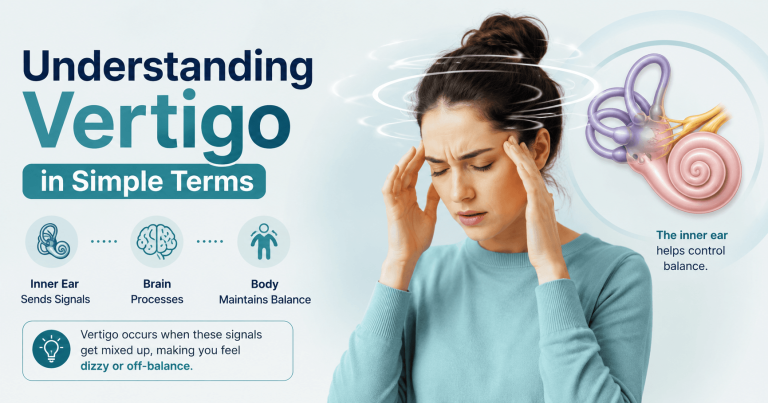
Understanding Vertigo in Simple Terms
Vertigo is not just “feeling dizzy.” It is a sensation that you or your surroundings are moving or spinning even when there is no actual movement.
Common symptoms include:
- Spinning sensation
- Loss of balance
- Nausea or vomiting
- Head heaviness
- Difficulty focusing
- Unsteadiness while walking
- Neck stiffness associated with dizziness
Vertigo itself is usually a symptom of an underlying condition rather than a disease.
1. Vestibular Disorders (Inner Ear Problems)
Vestibular disorders affect the inner ear, which plays a major role in maintaining balance and spatial orientation. Conditions such as BPPV, vestibular neuritis, and Ménière’s disease can cause spinning sensations, nausea, imbalance, and difficulty walking. Symptoms may worsen with sudden head movements or position changes. Early assessment and vestibular physiotherapy can often help improve balance and reduce dizziness episodes.
2. Cervical Vertigo
Cervical vertigo is commonly associated with neck stiffness, poor posture, and prolonged desk or mobile use. Dysfunction in the cervical spine can affect signals between the neck, brain, and balance system, leading to dizziness or unsteadiness. Many patients also experience neck pain, headaches, or restricted movement. Physiotherapy focusing on posture correction and neck rehabilitation may help reduce symptoms.
3. Migraine-Associated Vertigo
Migraine-associated vertigo can cause dizziness, imbalance, and motion sensitivity even when a severe headache is not present. Some individuals may feel lightheaded or experience spinning sensations triggered by stress, poor sleep, certain foods, or bright lights. Episodes can vary in duration and intensity from person to person. Proper diagnosis and individualized treatment are important for long-term symptom management.
4. Neurological Causes
In some cases, vertigo may be linked to neurological conditions such as stroke, Parkinson’s disease, multiple sclerosis, or other nervous system disorders. Symptoms may occur alongside weakness, speech difficulty, visual disturbances, or coordination problems. These conditions require immediate medical evaluation and specialist care. Early diagnosis is important to reduce complications and improve recovery outcomes.
5. Stress and Anxiety
Stress and anxiety can significantly affect the body’s balance system and may worsen dizziness symptoms over time. Many patients notice increased lightheadedness, muscle tension, rapid breathing, or fear of movement during stressful periods. Anxiety-related dizziness can also reduce confidence in daily activities and walking. Combining physiotherapy, relaxation strategies, and lifestyle management may help improve overall recovery.
The World Health Organization and the National Institutes of Health emphasize the importance of early assessment for balance disorders to reduce fall risk and improve quality of life.
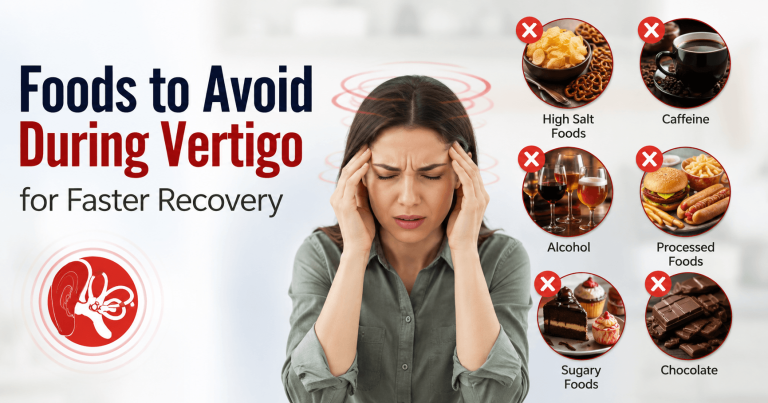
Foods to Avoid During Vertigo for Faster Recovery
Many patients ask whether food really affects vertigo. In several vestibular conditions, dietary triggers can worsen fluid balance, blood circulation, inflammation, or migraine activity.
Here are the main Foods to Avoid During Vertigo for Faster Recovery that we commonly discuss during patient counseling sessions.
1. Excess Salt (High Sodium Foods)
Excess salt can increase fluid retention in the inner ear, which may worsen vertigo symptoms, especially in conditions like Ménière’s disease. Foods such as packaged snacks, pickles, instant noodles, and fast food are often high in sodium. Frequent consumption may contribute to pressure changes affecting balance. Reducing salt intake may help support better symptom control and recovery.
Foods high in sodium include:
- Packaged snacks
- Pickles
- Instant noodles
- Processed foods
- Fast food
- Salted namkeen
Reducing sodium intake may help stabilize inner ear pressure.
2. Caffeine
Caffeine found in tea, coffee, cola, and energy drinks may overstimulate the nervous system and trigger dizziness in some individuals. Patients with vestibular migraines are often more sensitive to excessive caffeine intake. It may also affect sleep quality and hydration, which can influence balance symptoms. Moderation is usually recommended during vertigo recovery.
Patients sensitive to vestibular migraines often notice symptoms worsening after excessive caffeine consumption.
3. Alcohol
Alcohol can disturb the communication between the brain, eyes, and inner ear balance system. This may increase spinning sensations, unsteadiness, and dehydration-related dizziness. Some patients notice worsening vertigo episodes after drinking even small amounts of alcohol. Limiting alcohol intake may help reduce symptom flare-ups and improve overall balance stability.
4. Sugary Foods and Soft Drinks
High-sugar foods and beverages may cause sudden blood sugar fluctuations that contribute to fatigue, lightheadedness, or dizziness. Cakes, pastries, sugary drinks, and packaged desserts are common triggers for some patients. Excess sugar may also increase inflammation and energy crashes during recovery. Choosing balanced meals can help maintain more stable energy levels throughout the day.
Foods to limit include:
- Cakes and pastries
- Sugary beverages
- Excess sweets
- Packaged desserts
5. Fried and Oily Foods
Fried and oily foods may slow digestion and increase feelings of heaviness or nausea in people already dealing with vertigo symptoms. These foods can also contribute to inflammation and reduced overall well-being. Many patients report feeling more sluggish after consuming heavy meals. Eating lighter, balanced meals may help improve comfort and recovery.
6. Processed and Preserved Foods
Processed foods often contain preservatives, artificial flavors, and additives that may trigger dizziness or migraine-related vertigo in sensitive individuals. Common examples include packaged ready-to-eat meals, processed meats, and preserved snacks. Regular intake may worsen overall health and balance-related symptoms over time. Fresh, minimally processed foods are generally a healthier option during recovery.
What Should You Eat Instead?
While avoiding triggers is helpful, recovery also depends on nourishing the body properly.
Many patients benefit from:
- Adequate hydration
- Fresh fruits and vegetables
- Balanced protein intake
- Nuts and seeds in moderation
- Whole grains
- Regular meal timing
Simple hydration alone can sometimes reduce dizziness severity, especially during Ahmedabad’s hotter months.
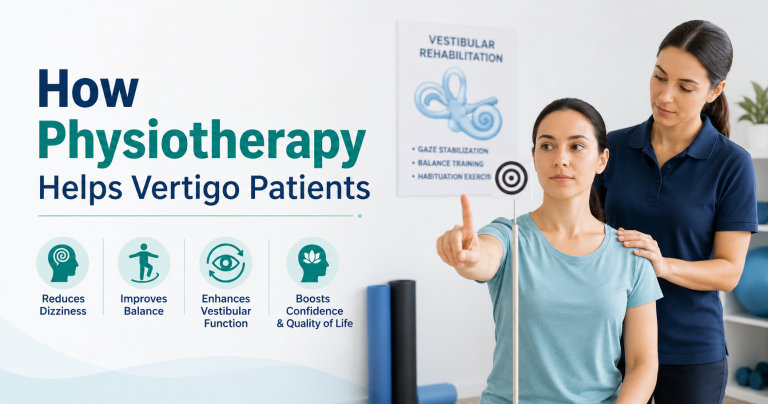
How Physiotherapy Helps Vertigo Patients
Many people assume vertigo can only be treated with medicines. In reality, physiotherapy is one of the most evidence-based approaches for many balance disorders.
At Varia Physiotherapy Clinic, treatment begins with a detailed clinical assessment.
This may include:
- Balance testing
- Cervical spine evaluation
- Gait analysis
- Positional testing
- Vestibular screening
- Functional movement assessment
The treatment plan depends on the root cause rather than just the symptom.
Step 1: Identifying the Source of Vertigo
Not every patient experiences vertigo for the same reason, which is why proper assessment is important. Some individuals may have neck-related dizziness, while others may suffer from inner ear disorders or neurological conditions. A detailed clinical evaluation helps identify the actual cause of symptoms. Early diagnosis can prevent unnecessary delays in recovery and improve treatment outcomes.
Not every dizzy patient has the same problem.
For example:
- One patient may have neck-related dizziness
- Another may have inner ear crystal displacement
- Another may need neurological referral
This is why self-treatment without evaluation can delay recovery.
Step 2: Vestibular Rehabilitation Therapy
Vestibular rehabilitation therapy uses specialized exercises to help the brain adapt to balance disturbances and reduce dizziness symptoms. Treatment may include gaze stabilization, balance retraining, walking exercises, and head movement coordination techniques. These exercises are carefully progressed according to the patient’s comfort and tolerance level. Consistent therapy can improve stability, confidence, and daily functioning over time.
Treatment may include:
- Gaze stabilization exercises
- Balance retraining
- Head movement coordination
- Walking progression exercises
- Habituation exercises
These exercises are introduced gradually based on patient tolerance.
Step 3: Cervical Physiotherapy
Patients with neck stiffness and posture-related dizziness may benefit from cervical physiotherapy. Treatment often includes posture correction, manual therapy, neck muscle strengthening, and mobility exercises. Ergonomic guidance is also provided to reduce strain during work or daily activities. Improving cervical spine function may help decrease dizziness and enhance overall movement quality.
- Posture correction
- Manual therapy
- Deep neck muscle strengthening
- Ergonomic advice
- Mobility exercises
Step 4: Fall Prevention and Confidence Building
Many vertigo patients develop fear of movement due to repeated dizziness or imbalance episodes. Physiotherapy focuses on improving balance, walking confidence, and safe movement progression to reduce fall risk. Recovery timelines vary depending on the condition and severity of symptoms. Ethical treatment focuses on gradual, realistic improvement rather than promising instant results.
Realistic recovery timelines vary:
- BPPV may improve within days to weeks
- Cervical vertigo may require several weeks
- Chronic vestibular conditions may need longer rehabilitation
No ethical clinic should promise “instant cures.”
5. Stress and Anxiety
Stress and anxiety can significantly affect the body’s balance system and may worsen dizziness symptoms over time. Many patients notice increased lightheadedness, muscle tension, rapid breathing, or fear of movement during stressful periods. Anxiety-related dizziness can also reduce confidence in daily activities and walking. Combining physiotherapy, relaxation strategies, and lifestyle management may help improve overall recovery.
The World Health Organization and the National Institutes of Health emphasize the importance of early assessment for balance disorders to reduce fall risk and improve quality of life.
A Real Patient Scenario from Our Clinic
A 52-year-old office professional from Ahmedabad visited our clinic after experiencing repeated spinning episodes while turning in bed. He had already stopped morning walks because of fear of falling.
During assessment, we identified positional vertigo combined with significant neck stiffness from prolonged desk work.
His treatment included:
- Vestibular repositioning maneuvers
- Gentle cervical mobility work
- Balance exercises
- Hydration and dietary counseling
- Advice regarding Foods to Avoid During Vertigo for Faster Recovery
Within two weeks, his bed-turning dizziness reduced significantly. Over the next month, he gradually returned to walking outdoors confidently.
This type of improvement is common when treatment addresses both physical and lifestyle factors together.
Myths vs Facts About Vertigo
| Myth | Fact |
|---|---|
| Vertigo always means a brain problem | Many cases are related to inner ear or cervical dysfunction |
| Complete bed rest is best | Controlled movement often supports recovery |
| Physiotherapy cannot help vertigo | Vestibular rehabilitation is evidence-based |
| Dizziness should disappear immediately | Recovery is often gradual |
| Neck pain and dizziness are unrelated | Cervical dysfunction may contribute to balance problems |
When Should You See a Physiotherapist?
You should seek professional assessment if you experience:
- Recurrent dizziness
- Loss of balance
- Vertigo while turning in bed
- Neck pain with dizziness
- Frequent falls
- Motion sensitivity
- Difficulty walking confidently
However, urgent medical referral may be necessary if vertigo occurs with:
- Sudden weakness
- Facial drooping
- Slurred speech
- Severe headache
- Double vision
- Loss of consciousness
In such cases, evaluation by a neurologist or emergency physician is essential.
Conclusion:
Living with vertigo can feel exhausting, but recovery is possible with proper assessment, evidence-based physiotherapy, and healthy lifestyle adjustments. Understanding the Foods to Avoid During Vertigo for Faster Recovery may help reduce symptom triggers and support your rehabilitation process.
At Varia Physiotherapy Clinic, we focus on identifying the actual cause of dizziness rather than masking symptoms temporarily. Every patient receives individualized evaluation and treatment planning based on clinical findings, movement assessment, and functional goals.
If dizziness, imbalance, or neck-related vertigo is interfering with your daily life, seeking timely physiotherapy assessment may help you regain confidence and improve quality of movement safely.