
Migraine Dizziness Treatment Physiotherapy Guide
If you’ve ever experienced migraine along with dizziness, you know it’s more than just a headache—it can feel like your balance, focus, and daily life are slipping away. Many patients visiting Varia Physiotherapy Clinic in Ahmedabad describe it as a “floating sensation,” sudden imbalance while walking, or dizziness triggered by neck movement or screen time.
This combination of migraine and dizziness can be confusing and even frightening. You may wonder: Is it a neurological issue? Is it stress? Or something related to my neck posture?
The truth is—migraine-related dizziness often has multiple contributing factors, and physiotherapy plays a crucial role in managing it safely and effectively.
This Migraine Dizziness Treatment Physiotherapy Guide is designed to help you understand your symptoms and how a structured, evidence-based physiotherapy approach can support recovery.
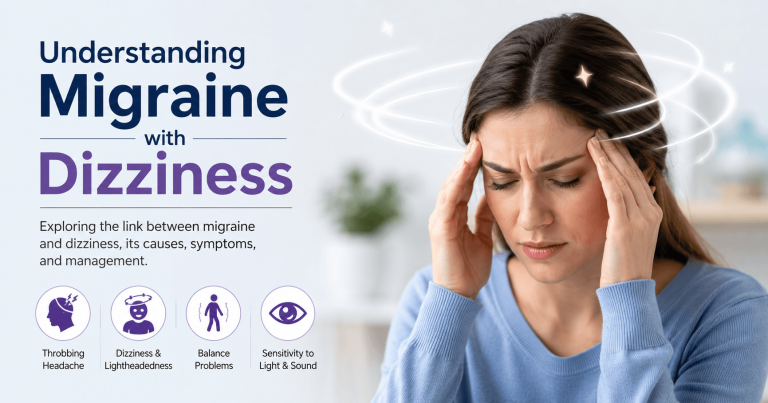
Understanding Migraine with Dizziness
Migraine is not just a headache disorder. According to the World Health Organization (WHO), migraine is one of the leading causes of disability worldwide. Many people experience associated symptoms like:
- Vertigo or spinning sensation
- Lightheadedness
- Sensitivity to light and sound
- Neck stiffness
- Visual disturbances
When dizziness becomes a prominent symptom, it is often referred to as vestibular migraine.
Common Causes in Daily Life
From our clinical experience in Ahmedabad, these are the most frequent triggers:
1. Poor Neck Posture
Spending long hours at a desk or constantly looking down at a mobile screen puts excessive strain on the cervical spine. This leads to muscle fatigue, stiffness, and reduced support for the head. Over time, it can trigger both migraines and dizziness by affecting nerve signals and blood flow. Correcting posture plays a key role in reducing these symptoms.
2. Muscle Tightness & Cervical Dysfunction
Tight neck and shoulder muscles can restrict normal movement and create imbalance in the cervical spine. This dysfunction may interfere with nerve communication and circulation to the head. As a result, patients often experience headaches along with a sensation of dizziness. Releasing muscle tension is essential for long-term relief.
3. Stress and Sleep Disturbance
Chronic stress and poor sleep patterns are common triggers for migraines and dizziness. Stress increases muscle tension and affects the nervous system, making symptoms more frequent and intense. Lack of proper sleep prevents the body from recovering and stabilizing. Managing stress and improving sleep quality are important parts of treatment.
4. Inner Ear Sensitivity
The inner ear plays a vital role in maintaining balance and spatial orientation. During migraines, this system can become overly sensitive, leading to vertigo or a spinning sensation. Even small movements may trigger dizziness in such cases. Vestibular rehabilitation helps in reducing this sensitivity over time.
5. Screen Exposure
Excessive screen time, especially without breaks, can strain the eyes and neck muscles. It also increases sensitivity to light, which is a known migraine trigger. This combination can lead to headaches, eye fatigue, and a sense of imbalance. Limiting screen time and maintaining proper ergonomics can significantly help.
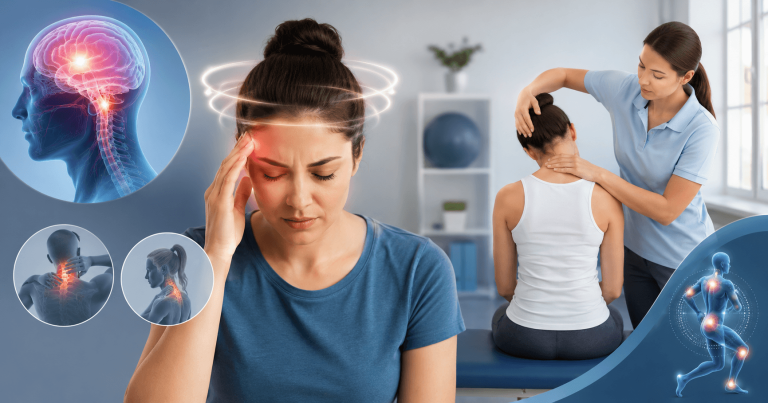
Migraine Dizziness Treatment Physiotherapy Guide: How Physiotherapy Helps
Physiotherapy is not just about exercises—it’s a structured, personalized treatment plan based on clinical assessment.
Step 1: Detailed Clinical Assessment
At Varia Physiotherapy Clinic, every treatment begins with a thorough assessment to understand the root cause of your symptoms. This includes posture analysis, cervical spine evaluation, and balance testing. We also identify personal migraine triggers that may be contributing to dizziness. This step helps determine whether the issue is coming from the neck, inner ear, or neurological factors. Migraine Dizziness Treatment Physiotherapy
At Varia Physiotherapy Clinic, we begin with:
- Postural analysis
- Cervical spine evaluation
- Balance and vestibular testing
- Migraine trigger identification
This helps differentiate whether your dizziness is coming from:
- Neck (cervicogenic)
- Inner ear (vestibular)
- Neurological causes
Step 2: Pain Relief & Muscle Relaxation
The initial focus is on reducing pain and discomfort to make you feel more at ease. Hands-on techniques like manual therapy, soft tissue release, and gentle mobilization are used. These methods help relax tight muscles, improve circulation, and reduce headache intensity. Early relief also prepares your body for the next stages of rehabilitation.
Initial treatment focuses on reducing discomfort:
- Manual therapy for neck stiffness
- Soft tissue release techniques
- Gentle mobilization
These techniques help:
- Reduce muscle tension
- Improve blood circulation
- Decrease headache intensity
Step 3: Vestibular Rehabilitation Therapy (VRT)
Vestibular rehabilitation is essential for managing dizziness related to migraines. It involves specific exercises that improve coordination between your eyes, head, and body movements. Balance training and habituation exercises help reduce sensitivity to motion. Over time, this therapy improves stability and confidence in daily activities.
This is a key part of migraine dizziness management.
It includes:
- Eye-head coordination exercises
- Balance retraining
- Habituation exercises (to reduce sensitivity)
According to the National Institutes of Health (NIH), vestibular rehabilitation is effective in reducing dizziness and improving functional stability.
Step 4: Posture Correction & Ergonomic Training
Daily habits like poor sitting posture and improper workstation setup can worsen symptoms. Migraine Dizziness Treatment Physiotherapy We guide patients on maintaining correct posture during work and mobile use. Simple ergonomic adjustments can significantly reduce strain on the neck and prevent dizziness. Consistency in these habits plays a major role in recovery.
Many patients improve significantly after correcting daily habits.
We guide you on:
- Proper sitting posture
- Workstation setup
- Mobile usage habits
Step 4: Posture Correction & Ergonomic Training
Daily habits like poor sitting posture and improper workstation setup can worsen symptoms. We guide patients on maintaining correct posture during work and mobile use. Simple ergonomic adjustments can significantly reduce strain on the neck and prevent dizziness. Consistency in these habits plays a major role in recovery.
We guide you on:
- Proper sitting posture
- Workstation setup
- Mobile usage habits
Step 5: Strengthening & Long-Term Prevention
Once symptoms are under control, the focus shifts to building strength and preventing recurrence. Exercises target deep neck muscles and core stability to support proper posture. Patients are gradually guided back to their normal routines. This phase ensures long-term relief and reduces the chances of symptoms returning.
Once symptoms reduce, we focus on: Migraine Dizziness Treatment Physiotherapy
- Deep cervical muscle strengthening
- Core stability exercises
- Gradual return to normal activities
This phase prevents recurrence.

Real Patient Scenario
A 42-year-old IT professional from Ahmedabad visited us with:
- Frequent migraines (2–3 times per week)
- Dizziness while working on a laptop
- Neck stiffness
He had already tried medications, but relief was temporary.
What we found:
- Forward head posture
- Weak deep neck muscles
- Vestibular sensitivity
Treatment Plan:
- 2 weeks of manual therapy
- Vestibular exercises
- Posture correction
Outcome:
Within 4–6 weeks:
- Migraine frequency reduced significantly
- Dizziness improved by ~70%
- Returned to full work routine
This is a common pattern we see—when the root cause is addressed, symptoms improve sustainably.
Myths vs Facts About Migraine Dizziness
| Myth | Fact |
|---|---|
| “It’s just a headache.” | Migraine affects the nervous system and balance. |
| “Only medication works.” | Physiotherapy addresses underlying causes. |
| “Dizziness means serious brain issues.” | Often related to vestibular or cervical dysfunction. |
| “Rest is enough.” | Active rehabilitation is essential. |
| “It will go away on its own.” | Without treatment, it may become chronic. |
When Should You See a Physiotherapist?
You should consider physiotherapy if you experience: Migraine Dizziness Treatment Physiotherapy
- Dizziness along with neck pain
- Migraine triggered by posture or movement
- Balance issues while walking or standing
- Symptoms persisting for more than 2 weeks
- Frequent episodes affecting work or daily life
When to Seek Medical Referral
While physiotherapy is highly effective, certain situations require referral to a specialist: Migraine Dizziness Treatment Physiotherapy
- Sudden severe headache (worst ever)
- Double vision or speech difficulty
- Loss of consciousness
- Persistent vomiting
- Suspected neurological conditions
In such cases, we may refer you to a neurologist or orthopedic specialist for further evaluation.
Conclusion:
Living with migraine and dizziness can feel unpredictable and exhausting, especially when it begins to affect your work, balance, and confidence in daily activities. But these symptoms are not something you simply have to tolerate. As this Migraine Dizziness Treatment Physiotherapy Guide explains, identifying the root cause—whether it’s related to neck dysfunction, vestibular sensitivity, or lifestyle triggers—is the key to meaningful recovery.
Physiotherapy offers a structured, evidence-based approach that goes beyond temporary relief. Through detailed assessment, targeted treatment, and guided rehabilitation, it helps reduce the frequency and intensity of symptoms while improving your overall stability and quality of life.
It’s important to remember that recovery is gradual. Most patients notice steady improvement over a few weeks with consistent therapy and lifestyle adjustments. Migraine Dizziness Treatment Physiotherapy And when needed, collaboration with neurologists or orthopedic specialists ensures that you receive comprehensive care.
If your symptoms have been persistent or are interfering with your routine, seeking timely physiotherapy support can make a significant difference. With the right guidance, migraine-related dizziness can be managed effectively—helping you return to a more comfortable, confident, and active life.
Ethical Call-To-Action
If you’re unsure whether your symptoms need attention, it’s okay to start with a simple consultation. Understanding your condition is the first step toward recovery—no pressure, just guidance.
If you’d like to speak with a physiotherapist or book an assessment at Varia Physiotherapy Clinic, you can reach out here:
 Call: +91 95123 79555
 Email: hello.drhetalvaria@gmail.com
 Website: www.variaphysiotherapyclinic.com
Our team is here to listen, assess, and guide you toward safe and effective recovery.
Migraine Dizziness Treatment Physiotherapy: FAQs
Yes. Physiotherapy targets underlying causes like neck dysfunction and vestibular imbalance, which medications alone may not address.
Most patients see improvement within 3–6 weeks, depending on severity and consistency of treatment.
Yes, when prescribed correctly. Vestibular exercises are designed to gradually reduce symptoms.
Migraine is a chronic condition, but physiotherapy helps reduce frequency, intensity, and triggers significantly.
Not always. Clinical assessment often identifies the cause. Imaging is recommended only if red flags are present.
About the Author

Dr. Hetal M Varia
After a rich experience of working in US healthcare as manager and licensed physiotherapist in US for last 11 years, she has returned home with a vision to become pioneer of Vestibular Therapy and specialized Parkinson physiotherapy in Ahmedabad. With her special skills and expertise in vertigo, Parkinson, balance and movement disorders therapy, Dr. Varia is committed to provide US standards of therapy services , compassionate and patient centered care to our people and community. With a vision of the world where everyone walks strong & steady, she intends to empower individuals with vestibular and neurological disorders through specialized care, rehabilitation & innovative therapies to improve mobility, balance & overall quality of life!