Multiple Sclerosis Physiotherapy Clinic In Ahmedabad
Living with Multiple Sclerosis (MS) can feel unpredictable. Some days, your body responds well. On others, even simple tasks like walking, holding objects, or maintaining balance become challenging. If you or a loved one is navigating these changes, finding the right care becomes essential—not just for treatment, but for maintaining independence and quality of life.
At Varia Physiotherapy Clinic, we regularly work with individuals facing these realities. This guide is designed to help you understand how a Multiple Sclerosis Physiotherapy Clinic In Ahmedabad can support your journey with practical, evidence-based care.
Understanding Multiple Sclerosis In Simple Terms
Multiple Sclerosis is a neurological condition where the immune system mistakenly attacks the protective covering of nerves (myelin). This disrupts communication between the brain and the body.
Common symptoms include:
- Muscle weakness or stiffness
- Difficulty walking or maintaining balance
- Fatigue that doesn’t improve with rest
- Numbness or tingling
- Coordination issues
- Vision problems
MS varies greatly from person to person. Some experience mild symptoms, while others face progressive challenges.
Why Physiotherapy Matters in MS
Physiotherapy is not about “curing” MS—it’s about helping you function better, move safely, and maintain independence for as long as possible.
How physiotherapy helps:
1. Improving Mobility
When movement becomes difficult, even simple tasks can feel overwhelming. Physiotherapy focuses on gentle, targeted exercises to keep your muscles active and joints flexible. Over time, this helps you walk more comfortably, move with confidence, and stay independent in daily life.
2. Managing Spasticity
Muscle stiffness can cause discomfort and restrict your movement. With guided stretching and evidence-based neuromuscular techniques, physiotherapy helps relax tight muscles safely. This not only improves comfort but also makes everyday movements smoother and less painful.
3. Enhancing Balance & Coordination
Loss of balance can increase the fear of falling and limit your activity. Structured balance training is designed to improve stability and coordination step by step. This helps you feel safer while walking, standing, or performing routine activities at home or outside.
4. Reducing Fatigue
Fatigue in MS is real and often unpredictable. With specialized care for multiple sclerosis in Ahmedabad, physiotherapists teach practical energy conservation strategies and pacing techniques tailored to your lifestyle. This helps you manage your day better without feeling constantly drained or overexerted.
5. Preventing Secondary Complications
Without proper movement, the body can develop stiffness, weakness, and poor posture over time. Regular physiotherapy helps maintain muscle health and joint mobility, reducing the risk of long-term complications. The goal is to keep your body functioning as efficiently as possible.
What to Expect at a Multiple Sclerosis Physiotherapy Clinic In Ahmedabad
At Varia Physiotherapy Clinic, treatment begins with a comprehensive clinical assessment, not a generic exercise plan.
Step-by-step approach:
1. Detailed Assessment
Muscle Strength
Your physiotherapist checks how well your muscles can support movement and daily activities. This helps identify weakness and guides safe, targeted strengthening exercises.
Range of Motion
This assessment looks at how freely your joints can move. Limited movement can cause stiffness, so improving flexibility becomes an important part of your care.
Balance and Gait
Walking pattern and stability are carefully observed to understand fall risk. This allows the therapist to design exercises that improve confidence and safety while moving.
Neurological Coordination
Coordination tests help assess how well your brain and body are working together. This is essential for improving control in tasks like reaching, walking, or turning.
Fatigue Levels
Since fatigue is a major concern in MS, your energy levels are evaluated during activities. This helps create a treatment plan that supports activity without causing exhaustion.
2. Personalized Treatment Plan
Based on your condition stage (relapsing-remitting, progressive, etc.), we design a plan that may include:
Strength Training (Low-Impact, Progressive)
Gentle, supervised strength exercises help you build muscle without overstraining your body. The intensity is increased gradually, ensuring safety while improving your ability to perform daily tasks.
Balance and Gait Training
If you feel unsteady while walking, structured balance and gait training can help restore confidence. These exercises are designed to improve stability and reduce the risk of falls in everyday situations.
Functional Task Training (Walking, Stair Climbing)
Therapy focuses on real-life movements like walking, standing up, or climbing stairs. This practical approach helps you regain independence and perform daily activities more comfortably.
Stretching and Spasticity Management
Targeted stretching techniques help reduce muscle tightness and stiffness. With consistent guidance, this improves flexibility and makes movement less painful and more controlled.
Breathing and Relaxation Exercises
Simple breathing and relaxation techniques help manage fatigue and reduce physical tension. They also support better energy control, helping you feel more at ease throughout the day.
3. Regular Monitoring & Adjustment
Multiple Sclerosis symptoms can change from week to week, so your treatment should never stay the same. A physiotherapist regularly reviews your progress and adjusts exercises based on how your body responds. This personalized approach helps you stay safe, avoid setbacks, and continue making steady, meaningful progress.
Real Patient Experience
A 42-year-old working professional came to us with early-stage MS, mainly struggling with fatigue and difficulty walking long distances. Initially, even a 10-minute walk left him exhausted, and he often felt unsteady while climbing stairs. Situations like these highlight why it’s important to explore how physiotherapy helps in Multiple Sclerosis, as the right guidance can gradually improve strength, balance, and overall confidence in daily activities.
What we did:
- Introduced graded walking exercises
- Focused on core stability and posture
- Taught energy conservation strategies
- Included balance training twice a week
Outcome after 8 weeks:
- Walking endurance improved to 25–30 minutes
- Reduced fatigue during work hours
- Better confidence in daily activities
This is a realistic example—not a miracle transformation. Progress in MS is gradual, but meaningful.
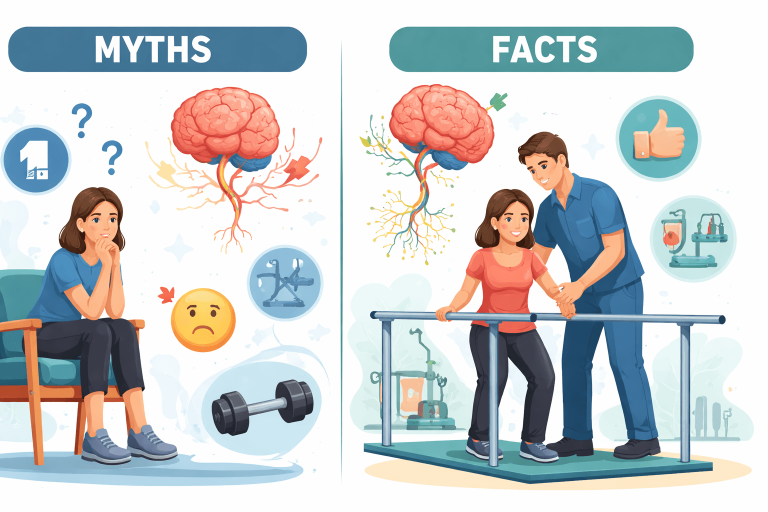
Myths vs Facts About MS Physiotherapy
Myth 1: Exercise can worsen MS symptoms
Fact: Properly guided physiotherapy improves strength and reduces fatigue.
Myth 2: Rest is the best treatment
Fact: Too much rest can lead to muscle weakness and stiffness.
Myth 3: Physiotherapy only helps in early stages
Fact: It benefits patients at all stages by maintaining function and preventing complications.
Myth 4: Recovery is quick
Fact: MS management is long-term. Consistency matters more than speed.
When Should You See a Physiotherapist?
You don’t need to wait until symptoms become severe.
Seek help if you notice:
- Frequent loss of balance
- Increasing fatigue affecting daily life
- Muscle stiffness or spasms
- Difficulty walking or climbing stairs
- Reduced coordination
Early intervention often leads to better outcomes.
When Medical Referral is Necessary
Physiotherapy works best as part of a multidisciplinary approach.
You may need referral to a neurologist if:
- Symptoms worsen suddenly (possible relapse)
- New neurological symptoms appear
- Medication adjustments are required
In some cases, collaboration with orthopedic specialists may also be necessary for joint-related issues.
Evidence-Based Approach You Can Trust
Our treatment methods follow globally recognized guidelines from trusted organizations like the World Health Organization and the National Institutes of Health.
These institutions emphasize safe, evidence-based rehabilitation, early intervention, and personalized care. By aligning with these standards, we ensure that every treatment plan is not only effective but also medically sound and focused on long-term patient well-being.
These organizations emphasize:
- Early rehabilitation
- Individualized exercise programs
- Long-term management strategies
We apply these principles in a practical, patient-friendly way.
Conclusion
Managing MS is not about waiting for symptoms to pass—it’s about actively working to maintain your independence and confidence.
A trusted Multiple Sclerosis Physiotherapy Clinic In Ahmedabad can guide you with structured care, realistic expectations, and continuous support.
At Varia Physiotherapy Clinic, the focus is always on you—your goals, your limitations, and your progress.
If you’re noticing changes in your mobility, balance, or energy levels, it may be time to seek professional guidance. Early support can make a meaningful difference in how you live with MS.
Ethical Call-to-Action
If you’re unsure whether your symptoms need attention, it’s okay to start with a simple consultation. Understanding your condition is the first step toward recovery—no pressure, just guidance.
If you’d like to speak with a physiotherapist or book an assessment at Varia Physiotherapy Clinic, you can reach out here:
 Call: +91 95123 79555
 Email: hello.drhetalvaria@gmail.com
 Website: www.variaphysiotherapyclinic.com
Our team is here to listen, assess, and guide you toward safe and effective recovery.
Multiple Sclerosis Physiotherapy Clinic In Ahmedabad - FAQs