Physiotherapy For Bells Palsy Recovery Ahmedabad
Physiotherapy For Bells Palsy Recovery Ahmedabad: When your face suddenly feels weak, unresponsive, or uneven, it can be frightening. Many patients visiting Varia Physiotherapy Clinic in Ahmedabad describe the same moment—looking in the mirror and noticing a droop, difficulty smiling, or trouble closing one eye. This is often the beginning of Bell’s palsy, a condition that affects the facial nerve.
If you or a loved one is going through this, it’s natural to ask: Will my face go back to normal? How long will recovery take? The good news is that with the right care, including Physiotherapy For Bell’s Palsy Recovery Ahmedabad, many patients experience significant improvement.
This guide is written to help you understand your condition, explore realistic recovery options, and feel more confident about the journey ahead.
Understanding Bell’s Palsy in Simple Terms
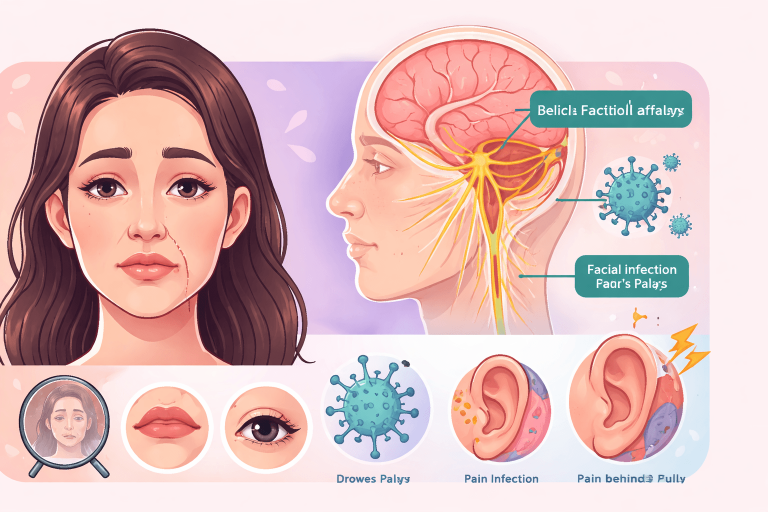
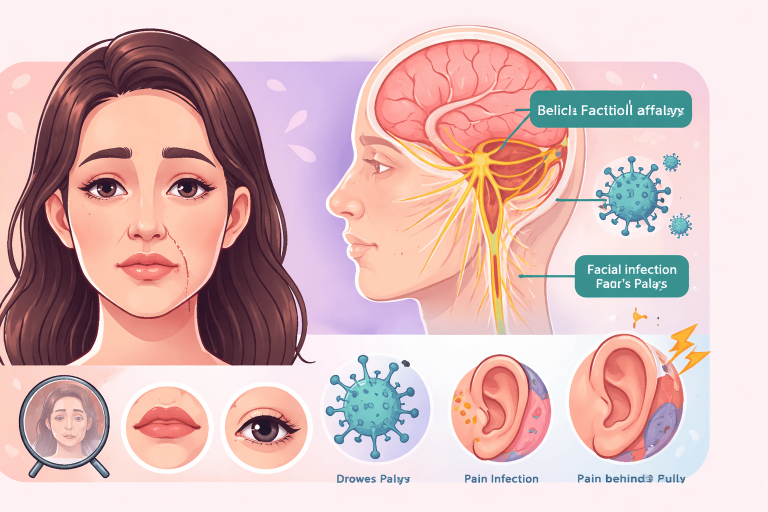
Bell’s palsy is a sudden weakness or paralysis of the facial muscles, usually on one side. It occurs due to inflammation or compression of the facial nerve (cranial nerve VII).
Common Symptoms Patients Notice:
- Facial drooping on one side
- Difficulty closing the eye
- Drooling or difficulty eating
- Reduced sense of taste
- Sensitivity to sound
What Causes It?
In many cases, the exact cause isn’t fully known, but it is often linked to:
- Viral infections (like herpes simplex)
- Immune system reactions
- Stress or fatigue
- Diabetes or other underlying conditions
According to the World Health Organization, neurological conditions like Bell’s palsy require early identification and rehabilitation to improve outcomes. Similarly, the National Institutes of Health highlights the importance of early intervention for nerve recovery.
How Physiotherapy Helps in Bell’s Palsy Recovery
Many patients believe Bell’s palsy will recover on its own—and while mild cases can improve naturally, structured physiotherapy plays a critical role in faster and more complete recovery
Step-by-Step Physiotherapy Approach
1. Detailed Clinical Assessment
At Varia Physiotherapy Clinic, treatment begins with a thorough evaluation:
- Facial muscle strength testing
- Symmetry analysis
- Eye closure and oral function assessment
- Functional limitations (eating, speaking, blinking)
This helps create a personalized treatment plan, not a generic exercise list.
2. Facial Muscle Re-education
The goal is to retrain your brain and muscles to work together again.
Techniques include:
- Mirror-guided exercises
- Controlled facial movements
- Symmetry training
These exercises prevent abnormal movement patterns like synkinesis (involuntary muscle movements).
3. Neuromuscular Stimulation (When Needed)
In some cases, therapists may use:
- Electrical stimulation (carefully applied)
- Tactile stimulation techniques
This helps activate weak muscles and improve nerve-muscle communication.
4. Massage and Soft Tissue Techniques
Gentle facial massage:
- Improves blood circulation
- Reduces stiffness
- Prevents muscle tightness
5. Eye Care and Functional Training
Since eye closure is often affected:
- Protective strategies are taught
- Blinking exercises are practiced
- Functional tasks like eating and speaking are improved
Real Patient Experience from Varia Physiotherapy Clinic
A 42-year-old working professional from Ahmedabad visited the clinic after noticing sudden facial drooping and difficulty speaking clearly. With specialized physiotherapy care in Ahmedabad, he initially delayed treatment, assuming it would resolve on its own.
After two weeks without improvement, he started physiotherapy.
What We Observed:
- Moderate facial weakness
- Incomplete eye closure
- Difficulty smiling symmetrically
Treatment Plan:
- Daily facial exercises
- Mirror feedback training
- Soft tissue mobilization
Progress:
- Week 2: Improved eye closure
- Week 4: Noticeable smile symmetry
- Week 8: Functional recovery with minor residual weakness
This is a typical example—not every case follows the same timeline, but it highlights how early physiotherapy improves outcomes significantly.
Common Myths vs Facts About Bell’s Palsy
Myth 1: “It will recover fully without treatment”
Some mild cases may improve naturally, but not all recover completely on their own.
Without proper guidance, recovery can be slow or incomplete.
Physiotherapy helps restore facial function more effectively and safely.
Myth 2: “Facial exercises can worsen the condition”
Incorrect or unsupervised exercises can lead to poor muscle coordination.
However, guided physiotherapy ensures exercises are safe and targeted.
Proper technique actually improves recovery and prevents complications.
Myth 3: “Recovery happens in a few days”
Bell’s palsy recovery takes time and varies from person to person.
Most patients need weeks to months for noticeable improvement.
Patience and consistent therapy are key to better outcomes.
Myth 4: “Electrical therapy is always required”
Not every patient needs electrical stimulation during treatment.
Therapy depends on the severity and stage of the condition.
A personalized physiotherapy plan ensures the right approach for recovery.
When Should You See a Physiotherapist?
Don’t wait too long. Early intervention matters.
Seek physiotherapy if you notice:
- Sudden facial weakness
- Difficulty closing one eye
- Drooping of mouth
- Speech or eating difficulty
Immediate medical referral is needed if:
- Symptoms worsen rapidly
- Both sides of the face are affected
- There are additional neurological symptoms (like limb weakness)
In such cases, consultation with a neurologist or physician is essential.
Recovery Timeline: What to Expect
Recovery varies from person to person.
Typical Timeline:
- Mild cases: 2–4 weeks
- Moderate cases: 1–3 months
- Severe cases: 3–6 months or longer
Consistency with physiotherapy is the biggest factor influencing recovery.
Conclusion:
Recovering from facial weakness can feel emotionally and physically challenging. But you’re not alone—and more importantly, recovery is possible with the right support.
At Varia Physiotherapy Clinic, we focus on personalized care, realistic expectations, and evidence-based treatment. If you’re looking for Physiotherapy For Bell’s Palsy Recovery Ahmedabad, early assessment and structured therapy can make a meaningful difference in how quickly and effectively you regain your facial function.
If you or someone you know is experiencing symptoms, consider consulting a qualified physiotherapist. A timely, guided approach can help you return to your normal life with confidence.
Physiotherapy For Bell’s Palsy Recovery Ahmedabad: FAQs