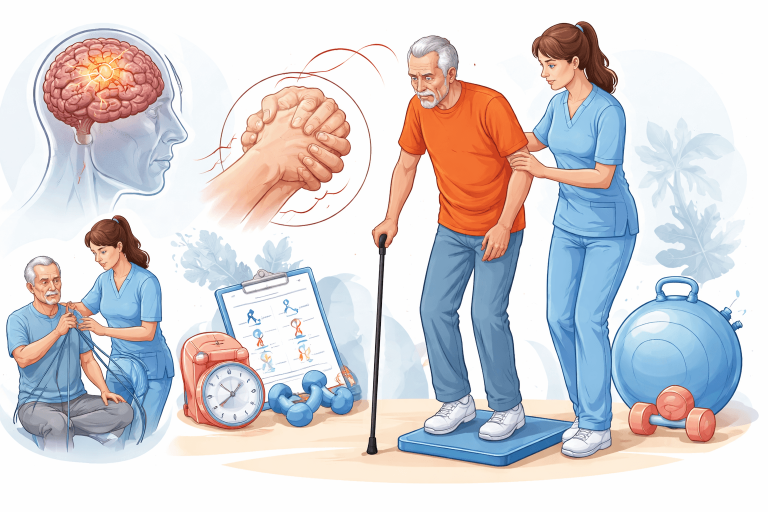
Best Parkinsons Disease Physiotherapy Treatment In Ahmedabad – Improve Mobility Today
Parkinsons Disease Physiotherapy Treatment In Ahmedabad : you or a loved one has been diagnosed with Parkinson’s disease, you may already notice subtle but frustrating changes—slower walking, stiffness, tremors, or difficulty maintaining balance. These symptoms can gradually affect independence, confidence, and daily life.
At Varia Physiotherapy Clinic in Ahmedabad, many patients come with a common concern: “Will I be able to move normally again?” The honest answer is—while Parkinson’s is a progressive neurological condition, the right physiotherapy approach can significantly improve mobility, balance, and quality of life.
This guide is designed to help you understand how the Best Parkinsons Disease Physiotherapy Treatment in Ahmedabad – Improve Mobility Today approach works…
Understanding Parkinson’s Disease In Simple Terms
Parkinson’s disease affects the brain’s ability to control movement due to reduced dopamine levels. Over time, this leads to:
Tremors (shaking hands or limbs)
Tremors are often one of the earliest signs people notice, usually starting in the hands when at rest. It may feel frustrating or embarrassing, especially during simple tasks like holding a cup, but with advanced rehabilitation services in Ahmedabad, it can be effectively managed with the right therapy and guidance.
Muscle stiffness
Stiffness can make your body feel tight and resistant to movement, sometimes causing discomfort or pain. Many patients describe it as difficulty turning, bending, or even relaxing their muscles, which physiotherapy can gradually help improve.
Slowed movement (bradykinesia)
Bradykinesia means movements become slower and smaller over time. Everyday activities like walking, getting up, or buttoning a shirt may take longer, but structured exercises can help improve speed and coordination.
Balance and coordination issues
You may feel unsteady while walking or turning, increasing the risk of falls. This can affect confidence in daily life, but targeted balance training can significantly improve stability and safety.
Common Causes & Risk Factors
While the exact cause isn’t always clear, several factors contribute:
Age-related neurological degeneration
As we age, certain brain cells gradually lose efficiency, affecting movement control. This natural process can contribute to symptoms like stiffness and slowed movements, but early intervention can help maintain function for longer.
Genetic predisposition
In some cases, Parkinson’s may be linked to inherited genetic factors. While not everyone with a family history develops the condition, being aware of early signs can help in seeking timely care and support.
Environmental exposure (toxins, pesticides)
Long-term exposure to certain chemicals, such as pesticides or industrial toxins, may increase the risk of neurological changes. Reducing exposure and focusing on overall health can play a supportive role in prevention and management.
Reduced physical activity over time
A sedentary lifestyle can lead to decreased muscle strength, flexibility, and coordination. Staying physically active is important, as regular movement helps support brain health and can delay the progression of mobility-related symptoms.
How Physiotherapy Helps in Parkinson’s Disease
Physiotherapy is not just about exercise—it is a structured, personalized rehabilitation process designed to retrain the brain and body.
At Varia Physiotherapy Clinic, treatment begins with a detailed clinical assessment, including:
- Gait analysis (how you walk)
- Balance and fall risk evaluation
- Muscle strength and flexibility testing
- Functional movement screening
Step-by-Step Treatment Approach
1. Mobility Training
Mobility training focuses on helping you walk more confidently with better speed and longer steps. Through guided exercises, your body relearns smoother movement patterns, making daily activities like walking in crowded places feel safer and easier.
2. Balance Rehabilitation
Balance exercises are designed to reduce your risk of falls and improve stability. Many patients feel more secure and independent as their confidence grows during routine movements like standing, turning, or walking.
3. Strength & Flexibility Exercises
These exercises gently improve muscle strength while reducing stiffness and tightness. Over time, this helps your body move more freely, making tasks like bending, reaching, or getting out of bed less difficult.
4. Cueing Techniques
Cueing uses simple signals like counting, clapping, or visual markers to help overcome “freezing” episodes. These techniques are evidence-based and help your brain reconnect with movement, especially during walking or turning.
5. Functional Training
Functional training focuses on real-life activities you perform every day, such as sitting, standing, or climbing stairs. Practicing these movements in a structured way helps you stay independent and confident in your daily routine.
Real Patient Experience
A 58-year-old male patient visited Varia Physiotherapy Clinic with complaints of:
- Slowness while walking
- Frequent imbalance
- Difficulty getting out of bed
He had been recently diagnosed with early-stage Parkinson’s disease.
What We Did:
Started with balance retraining exercises
The initial focus was on improving stability and reducing the risk of falls. Through guided balance exercises, the patient gradually felt more secure while standing and walking in daily situations.
Introduced rhythmic cueing for walking
Simple cues like counting steps or using a steady rhythm were introduced to improve walking patterns. This helped the patient take more consistent steps and reduced episodes of hesitation or “freezing.”
Focused on posture correction and flexibility
Attention was given to improving posture and reducing muscle tightness. With regular stretching and alignment exercises, the patient experienced better comfort and more natural movement during everyday activities.
Results After 6 Weeks:
- Improved walking confidence
- Reduced stiffness
- Better independence in daily activities
This is a typical example—not a miracle recovery, but a steady, meaningful improvement that enhances quality of life.
Myths vs Facts About Parkinson’s Physiotherapy
Myth 1: Exercise can’t help neurological conditions
Fact: Evidence shows physiotherapy improves motor function and slows decline.
Myth 2: Rest is better than movement
Fact: Inactivity actually worsens stiffness and mobility issues.
Myth 3: Physiotherapy is only for advanced stages
Fact: Early intervention leads to better long-term outcomes.
When Should You See a Physiotherapist?
You should consider physiotherapy if you notice:
Slower walking or smaller steps
You may notice your walking pace has reduced or your steps have become shorter than usual. This can make you feel less confident while moving, especially in busy environments, but early physiotherapy can help improve stride and rhythm.
Frequent imbalance or near-falls
Feeling unsteady or almost losing balance during routine activities is a common concern. These episodes can increase fear of falling, but targeted balance training can significantly improve stability and safety.
Difficulty with daily movements
Simple tasks like getting up from a chair, turning in bed, or dressing may start to feel slow or challenging. This often affects independence, but guided therapy can help restore ease in everyday activities.
Muscle stiffness or reduced flexibility
Your muscles may feel tight, making movements restricted or uncomfortable. Over time, this can affect posture and mobility, but structured stretching and strengthening exercises can gradually improve flexibility.
Early consultation allows better management and prevents complications.
When Referral to a Specialist is Necessary
Physiotherapy works best as part of a multidisciplinary approach.
You may need referral to a neurologist or orthopedic specialist if:
Symptoms are rapidly progressing
If you notice your movement, balance, or daily functioning worsening quickly over weeks or months, it’s important to seek medical evaluation. Faster progression may require closer monitoring and adjustments in your overall treatment plan.
Medication adjustments are required
When current medications no longer provide the same relief or cause side effects, a neurologist may need to review and modify your dosage. Proper medication management is essential to support the benefits of physiotherapy.
Severe tremors or cognitive changes occur
If tremors become intense or you experience memory issues, confusion, or changes in thinking, it should not be ignored. These signs may indicate the need for specialized care and a more comprehensive treatment approach.
At Varia Physiotherapy Clinic, we ensure coordinated care with medical professionals when needed.
Conclusion
Living with Parkinson’s disease can feel overwhelming, but the right support system makes a meaningful difference. With the Best Parkinson’s Disease Physiotherapy Treatment in Ahmedabad – Improve Mobility Today, patients can regain confidence, improve movement, and maintain independence.
At Varia Physiotherapy Clinic, the focus is simple—helping real people move better, safely and effectively.
If you or someone you know is experiencing early signs or struggling with mobility, seeking timely physiotherapy care can change the trajectory of daily life.
Ethical Call-to-Action
If you’re unsure whether your symptoms need attention, it’s okay to start with a simple consultation. Understanding your condition is the first step toward recovery—no pressure, just guidance.
If you’d like to speak with a physiotherapist or book an assessment at Varia Physiotherapy Clinic, you can reach out here:
 Call: +91 95123 79555
 Email: hello.drhetalvaria@gmail.com
 Website: www.variaphysiotherapyclinic.com
Our team is here to listen, assess, and guide you toward safe and effective recovery.
Parkinsons Disease Physiotherapy Treatment In Ahmedabad - FAQs