Neuro Physiotherapy Specialist In Ahmedabad
When someone in the family experiences a stroke, Parkinson’s disease, spinal cord injury, or facial paralysis, life changes overnight.
Simple activities like walking, holding a spoon, or maintaining balance suddenly become difficult.
If you’re searching for a Neuro Physiotherapy Specialist in Ahmedabad, you are likely looking for more than exercises — you are looking for hope, structure, and a clear recovery plan.
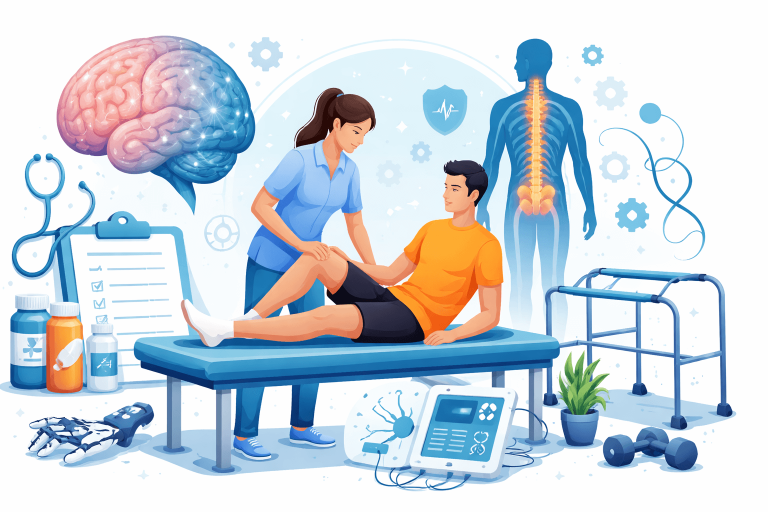
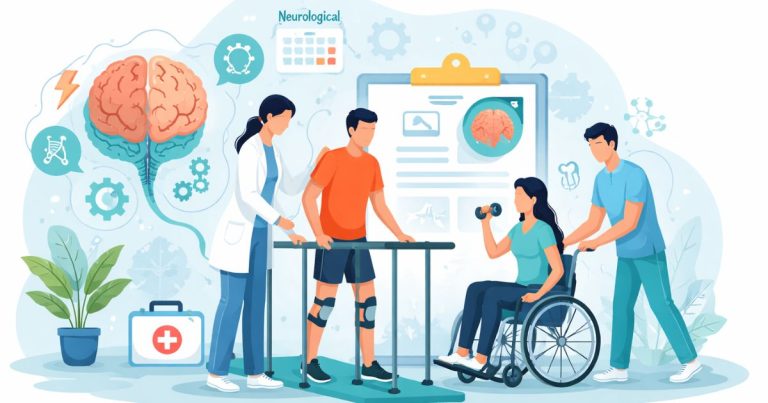
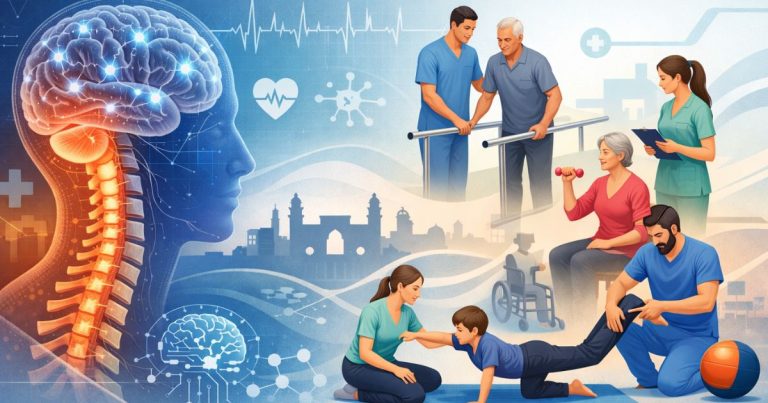
At Varia Physiotherapy Clinic, we work closely with neurological patients and their families to restore movement, independence, and confidence through structured rehabilitation.
What Is Neuro Physiotherapy?
Common conditions we treat include:
Stroke (CVA)
A stroke happens when blood flow to a part of the brain is interrupted, leading to weakness, speech difficulty, or loss of balance. Early, structured rehabilitation helps regain movement, independence, and confidence in daily activities.
Parkinson’s disease
Parkinson’s is a progressive neurological condition that affects movement, causing tremors, stiffness, and slowed actions. With guided exercise and balance training, many people maintain mobility and reduce fall risk.
Multiple sclerosis
MS is an autoimmune condition affecting the brain and spinal cord, leading to fatigue, weakness, and coordination issues. Individualized therapy helps conserve energy, improve strength, and support daily function.
Spinal cord injury
An injury to the spinal cord can cause partial or complete loss of movement and sensation below the injury level. Early rehabilitation focuses on maximizing independence, preventing complications, and improving quality of life.
Bell’s palsy
Bell’s palsy causes sudden facial weakness, usually on one side, due to temporary facial nerve dysfunction. Most people recover well with guided facial exercises and proper medical supervision.
Traumatic brain injury
A TBI occurs after a head injury and may affect memory, balance, behavior, or movement. Structured rehabilitation supports cognitive recovery, physical strength, and safe reintegration into daily life.
Neuropathy-related weakness
Nerve damage from diabetes, infections, or other causes can lead to numbness, tingling, and muscle weakness. Targeted strengthening and balance training help reduce fall risk and improve functional mobility.
According to the World Health Organization, neurological disorders are a leading cause of disability worldwide, requiring long-term rehabilitation support. Neuro physiotherapy is not about quick recovery. It is about retraining the nervous system through repetition, stimulation, and guided movement.
Why Neurological Conditions Affect Movement
To understand treatment, you must understand the problem.
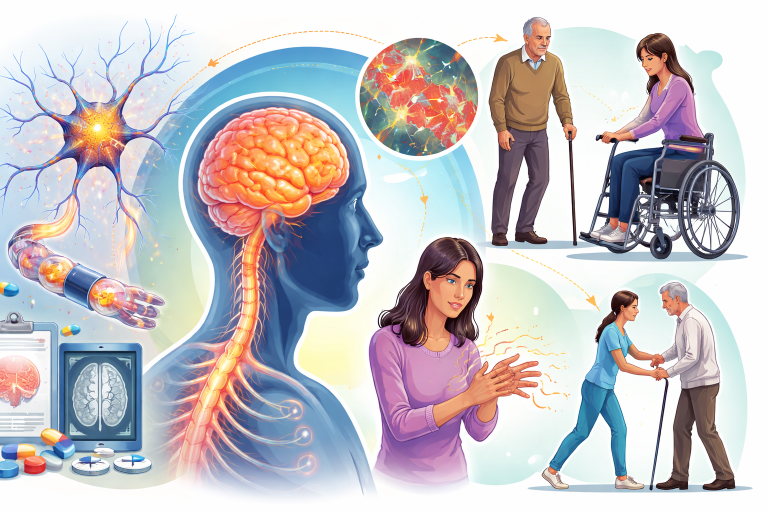
The brain sends signals through nerves to muscles. When the brain or spinal cord is injured:
Signals become weak
When communication between the brain and muscles is disrupted, movement signals may become weak or delayed. This can make simple tasks like lifting your arm or walking feel effortful. Targeted rehabilitation helps retrain these neural pathways and improve muscle activation.
Coordination reduces
Reduced coordination means movements may feel clumsy, shaky, or poorly timed. Everyday actions like buttoning a shirt or climbing stairs can become challenging. Task-specific therapy helps the brain relearn smoother, more controlled movement patterns.
Balance becomes unstable
When balance systems are affected, standing or walking may feel unsafe or unsteady. This increases the risk of falls, especially in older adults or neurological conditions. Structured balance training improves body awareness, strength, and confidence.
Muscles may become stiff (spasticity)
Spasticity causes muscles to feel tight or resistant to movement due to altered nerve signals. This stiffness can limit joint motion and make daily activities harder. Guided stretching, positioning, and neuromuscular techniques help manage stiffness and improve comfort.
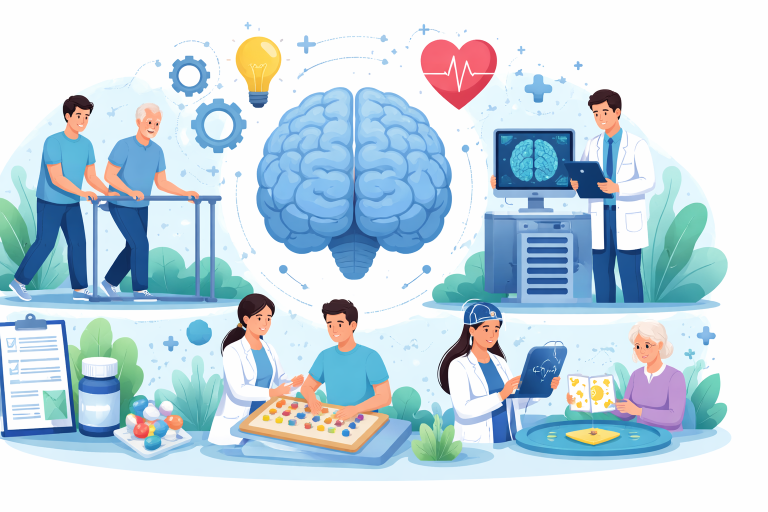
The National Institutes of Health explains that neuroplasticity — the brain’s ability to reorganize and form new neural connections — is the foundation of neurological rehabilitation.
How Neuro Physiotherapy Helps (Step-by-Step Approach)
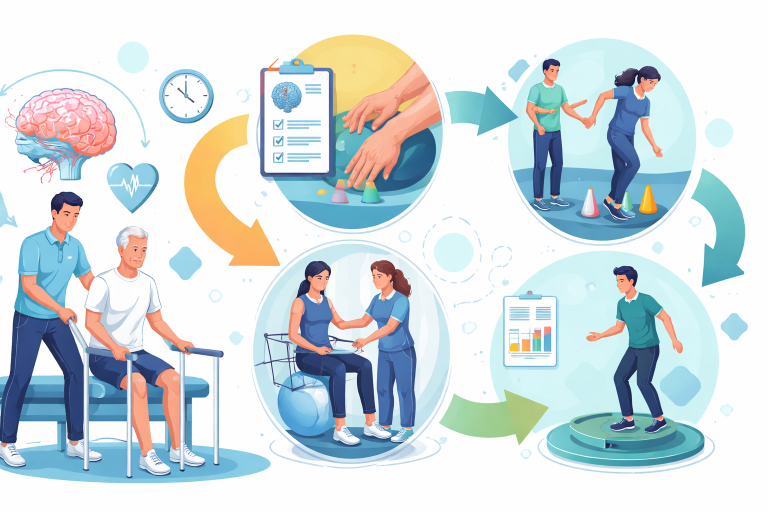
At Varia Physiotherapy Clinic, rehabilitation follows a systematic process.
Step 1: Detailed Neurological Assessment
We evaluate:
- Muscle strength
- Tone (spasticity or flaccidity)
- Balance
- Coordination
- Functional mobility
- Activities of daily living
Every patient’s recovery path is different.
Step 2: Early Mobilization
In stroke or spinal injury patients, early movement is critical.
This may include:
- Assisted sitting balance training
- Bed mobility exercises
- Gentle weight shifting
Early rehabilitation improves long-term outcomes.
Step 3: Motor Relearning & Neuroplastic Training
This involves:
- Task-specific training (grasping, standing, stepping)
- Repetitive functional practice
- Gait retraining
- Balance re-education
- Constraint-induced movement therapy (when appropriate)
The nervous system improves through repetition and correct stimulation.
Step 4: Strength & Functional Integration
As recovery progresses:
- Progressive strengthening is introduced
- Walking aids are reduced gradually
- Home exercise plans are customized
The goal is independence, not dependency on therapy.
Real Patient Scenario (Experience-Based Insight)
Step 4: Strength & Functional Integration
Initially:
- He could not stand independently.
- His right arm had minimal movement.
- Balance was severely compromised.
His family feared permanent disability.
For the first 3 weeks, we focused on:
- Bed mobility
- Assisted sitting balance
- Passive-to-active movement training
By week 6:
- He could stand with minimal support.
- Arm movement improved gradually.
- Walking training began with parallel bars.
By 4 months:
- He walked short distances with a stick.
- Arm function improved enough for daily tasks.
Important truth:
Recovery was gradual, not immediate. Consistency and family involvement made the difference.
What Typically Works in Neuro Rehabilitation
- Early structured physiotherapy
- Task-specific repetition
- Family education
- Balance retraining
- Progressive strengthening
What Usually Doesn’t Work
- Complete bed rest
- Irregular therapy sessions
- Expecting instant recovery
- Ignoring home exercises
- Only relying on medications
Medication stabilizes the condition. Rehabilitation improves function.
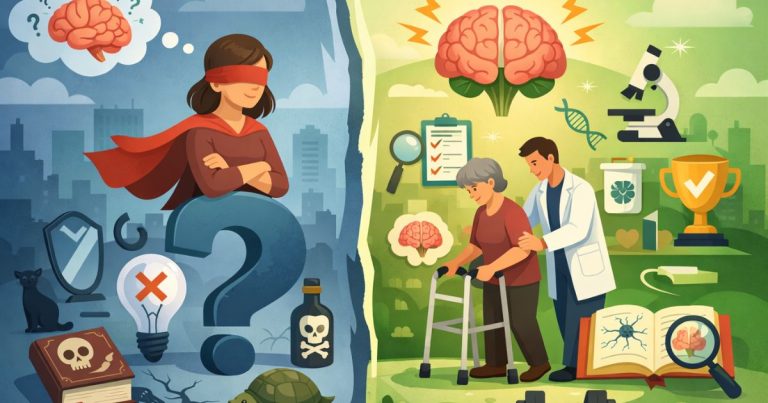
Myths vs Facts
Myth: Stroke recovery only happens in the first 3 months.
Fact: Improvement can continue for months or years with guided rehab.
Myth: Parkinson’s patients should avoid exercise.
Fact: Regular guided exercise improves mobility and slows functional decline.
Myth: Once nerves are damaged, nothing can improve.
Fact: Neuroplasticity allows partial functional recovery in many cases.
When Should You Consult a Neuro Physiotherapy Specialist?
Seek consultation if:
- There is weakness after stroke
- Balance issues persist
- Difficulty walking
- Muscle stiffness increases
- Facial weakness affects speech or eating
Early intervention leads to better outcomes.
When Is Medical Referral Necessary?
Transparency builds trust.
Immediate referral is required if:
Sudden worsening of weakness
If weakness suddenly increases, it may signal a new or progressing neurological issue. Immediate medical evaluation is important to rule out complications such as another stroke.
Severe uncontrolled blood pressure
Very high blood pressure can increase the risk of brain injury or recurrent stroke. It requires urgent medical monitoring and stabilization before continuing rehabilitation.
Loss of consciousness
Fainting or unresponsiveness is not normal during recovery and may indicate a serious medical problem. Emergency care should be sought immediately.
New neurological symptoms
New signs like slurred speech, facial drooping, vision changes, or severe headache need urgent medical attention. Early intervention can significantly affect recovery outcomes.
Physiotherapy works alongside neurologists and physicians — not as a replacement.
Why Choose Varia Physiotherapy Clinic?
- Experienced physiotherapists in neurological rehabilitation
- Evidence-based treatment protocols
- Structured goal-oriented recovery plans
- Individualized attention
- Family involvement guidance
Recovery Timeline: What to Expect
Recovery depends on:
- Type of neurological condition
- Severity of damage
- Age
- Medical stability
- Therapy consistency
General observation:
- Mild stroke: 2–3 months for functional independence
- Moderate stroke: 3–6 months
- Severe cases: Long-term rehabilitation
No honest specialist promises “100% cure.”
Progress is realistic, measurable, and gradual.
CONCLUSION
Neurological recovery is not just physical — it is emotional for families as well.
If you are looking for a Neuro Physiotherapy Specialist in Ahmedabad, choosing the right Physiotherapy Clinic in Ahmedabad for structured rehabilitation can significantly improve independence and quality of life.
At Varia Physiotherapy Clinic, our approach focuses on realistic goals, evidence-based practice, and compassionate care.
📞 Book a consultation and take the first step toward structured neurological recovery.
Neuro Physiotherapy Specialist In Ahmedabad
- FAQs